Beaches Near Braga
Braga itself has no beaches: the city sits inland in the Minho region of northern Portugal, and the Atlantic shore begins at towns such as Esposende and Póvoa de Varzim, reachable by regional bus from Braga's bus station.
Short answer
Braga is inland, so the nearest beaches are on the Atlantic coast at Esposende, Apúlia and Póvoa de Varzim, all served by regional bus lines from Braga's bus station, with Viana do Castelo and its sandy bay further north.
Braga, in the Minho region of northern Portugal, is an inland city, and that single fact shapes every beach plan made from it. There is no sand within the city, no seafront promenade, no harbour. What Braga does have is a position at the heart of a region whose western edge is Atlantic coastline: the coast at Esposende, the beach town of Póvoa de Varzim, and the sweeping bay of Viana do Castelo all sit within the wider Minho, and regional buses run to them from Braga's bus station.
Are There Any Beaches In Braga Itself?
No, Braga has no beaches of any kind: the city sits inland in the Minho region of northern Portugal, roughly an hour's drive in words rather than numbers from the Atlantic shore, and the nearest sand is on the coast at Esposende, Apúlia and Póvoa de Varzim. The municipality's boundaries end well short of the sea, and no river beach or lakeside swim inside the city replaces one. A beach day from Braga always means travelling west to the coast or north along it.
That is not a flaw in the city, it is the reason the city feels the way it does. Braga's character is baroque churches, granite streets and the green of the Minho interior; the sea belongs to a different landscape, one of dunes, fishing villages and the cold, powerful Atlantic. Visitors who try to combine both in a single morning end up rushing, and the coast deserves better than a rushed afternoon.
The practical consequence is that every beach plan from Braga is a day trip, and the rest of this guide treats it as one. The Braga Travel Guide day-trip pages cover the inland alternatives, from Guimarães to the Peneda-Gerês National Park, and the coastal option slots into the same planning frame: pick a town, pick a bus, and go.
Which Beach Towns Can You Reach From Braga?
The coastal towns the verified bus network serves from Braga are Esposende, Apúlia and Póvoa de Varzim on Lines 106 and 107 of the Cávado intermunicipal network, Ponte de Lima inland on Line 105, and Viana do Castelo to the north by Rede Expressos coach from Braga's bus station. Esposende is the classic first choice, a small town where the Cávado river meets the ocean, while Póvoa de Varzim is the larger, livelier resort.
Line 107 is the beach line: it runs from Braga through Esposende's coastal neighbour Apúlia and on to Póvoa de Varzim, passing the sandy stretches that line that stretch of shore. Line 106 runs to Póvoa de Varzim directly. Both leave from Braga's central bus station, the Centro Coordenador de Transportes, which also handles the Getbus airport coaches and the long-distance Rede Expressos network. The timetables are published per line by the Cávado transport authority and re-issued through the year, so the day's departures should be checked on the current PDF before travelling.
The table below lists what the verified network actually serves. Fares on the regional lines are not published in the verified sources, so the cost of each ride is left out rather than guessed; the fare table further down covers the city buses you will use on either end of the day.
| Line | Route from Braga | What the coast end offers |
|---|---|---|
| AITC Line 106 | Braga to Póvoa de Varzim | A full resort town with a long sandy beach, a casino and a fishing quarter |
| AITC Line 107 | Braga to Esposende to Póvoa de Varzim, via Apúlia | The classic beach line: dune-backed sands at Apúlia and the Cávado river mouth at Esposende |
| AITC Line 105 | Braga to Ponte de Lima | Not a beach: Portugal's chartered market town on the Lima river, a good inland pairing |
| Rede Expressos | Braga bus station to Viana do Castelo | A sandy bay beside a historic centre, with the Santa Luzia hill above it |
Esposende deserves its reputation as the first-choice beach town from Braga. It is small enough to walk, the beach runs along the town, and the river mouth gives it a second waterfront. Póvoa de Varzim is bigger and busier, with a proper resort infrastructure, which suits families who want facilities, lifeguarded sand and a promenade of cafés. Apúlia, on Line 107 between them, is the quiet option, a string of low dunes and small beaches that sees far fewer day-trippers.
A beach day also pairs naturally with a morning in Braga itself, and the Braga Small-Group Walking Tour & Bom Jesus is the product this site recommends for exactly that split day: the tour covers the historic centre and the Bom Jesus do Monte sanctuary, which sits on the hill above the city, and the coast then fills the afternoon. The same logic applies to the Tuk Tuk City Tour, a short circuit that leaves most of the day free.
How Do You Get To The Beach Without A Car?
You take a regional bus from Braga's central bus station: Lines 106 and 107 of the Cávado intermunicipal network run to Póvoa de Varzim and to Esposende and Apúlia, Line 105 runs to Ponte de Lima, and Rede Expressos coaches run north to Viana do Castelo, all from the same station on Avenida General Norton de Matos. No train reaches the coast from Braga, because the rail line runs inland towards Porto and the Minho valleys, not west to the sea.
That last point catches many visitors out. Braga's railway is excellent for reaching Porto and, with a change, Barcelos, but the coast between the mouths of the Cávado and the Ave has no station on any Braga-connected line. The bus is not the fallback here, it is the only public transport, and the bus station it leaves from is a ten-minute walk from the edge of the historic centre.

For anyone driving, the same coast is straightforward: the coastal towns sit off the A28, the motorway that runs down Portugal's Atlantic edge, and parking in Esposende and Apúlia is a matter of the street and the small municipal lots rather than any verified pricing this page can quote. The getting around Braga and parking in Braga guides cover the city end of that trip, including the TUB city buses you would use to reach the station.
Thinking of driving straight to the sand? Book a rental car here.
Planning to split the day between city and coast? The small-group walking tour covers Braga's centre and the Bom Jesus sanctuary in three hours, which leaves the afternoon for the beach bus. Free cancellation applies on the operator's live listing.
When Is Beach Weather Actually Reliable In The Minho?
The Minho coast is a summer beach destination, not a year-round one: IPMA's 1991 to 2020 normals for the Braga / Merelim station show July and August as the only months with a mean maximum above 28 C and rain days of one millimetre or more down to four a month, while October is the wettest month of the year at 197.8 mm and January follows at 179.5 mm. June and September are the shoulder months, warm but with more rain than midsummer.
The full picture from the same station, which is the inland reference the coast shares its weather systems with, is worth reading before booking anything. The Atlantic moderates the coast slightly, but the rain comes from the same fronts, and the Minho is the wettest corner of Portugal.
| Month | Mean max (C) | Mean (C) | Rain (mm) | Days with 1 mm or more rain |
|---|---|---|---|---|
| May | 23.0 | 16.7 | 89.8 | 8.9 |
| June | 26.1 | 19.7 | 40.6 | 5.7 |
| July | 28.2 | 21.2 | 27.9 | 4.0 |
| August | 28.7 | 21.4 | 34.6 | 3.8 |
| September | 26.9 | 19.7 | 67.6 | 6.2 |
| October | 22.2 | 16.1 | 197.8 | 12.0 |
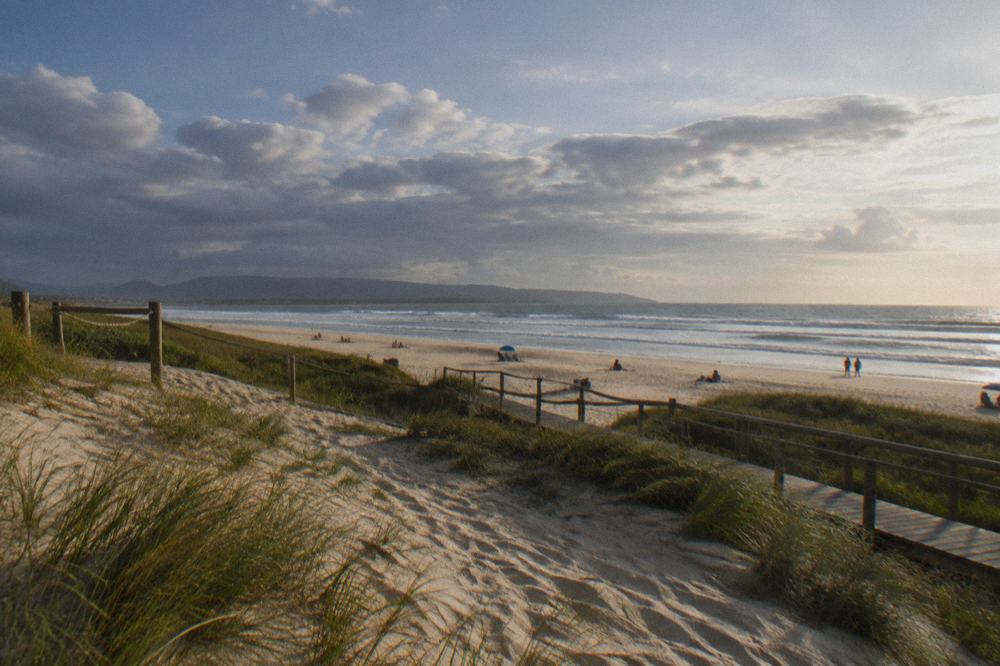
Two readings of that table matter for a beach plan. First, September is warmer at the top end than June, at 26.9 C against 26.1 C mean maximum, though wetter, so early September is a genuine beach window with thinner crowds. Second, the transition to autumn is abrupt: October more than doubles September's rain and the swimming season on this coast is effectively over by then. The Braga weather and best time to visit Braga guides carry the full month-by-month breakdown.
The Atlantic here is also genuinely cold, even in August. No verified water-temperature figure exists in the sources behind this site, so none is printed, but no visitor should expect Mediterranean bathing: this is the open ocean facing north-west, and the swimmers you see are a hardier breed than the water suggests from the sand.
What Is There To Do In Esposende And Póvoa De Varzim Besides Swimming?
Esposende pairs its beach with a river mouth, a small historic centre and a seafront of fish restaurants, while Póvoa de Varzim adds a casino, a fishing quarter of narrow streets and a long promenade, and both towns sit within a coastal strip where the verified inland attractions, like the Citânia de Briteiros hillfort, can be folded into the drive or bus route back. Neither town is a one-beach destination; both reward the full day that the bus timetable anyway imposes.
Esposende's identity is the Cávado river meeting the sea. The town has a waterfront on both, a small marina, and a stretch of dune-backed sand that continues north towards Ofir, the pine-fringed beach that is the coast's most photographed stretch. The fish restaurants along the front serve the Minho's own style of cooking, and the what to eat in Braga guide's dishes, from bacalhau to the region's Vinho Verde, are the same ones the coast kitchens cook.
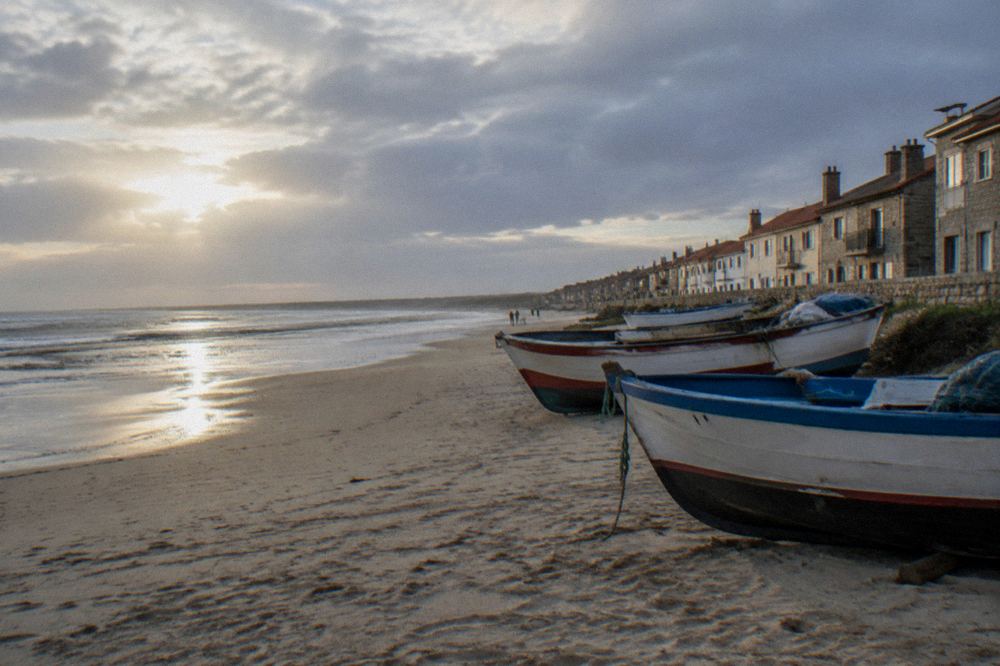
Póvoa de Varzim is a different animal, a proper resort with a history. Its fishing quarter, the Beira-Mar, is a grid of narrow lanes that survived the tourism boom around it, and the beach in front of the town is backed by a full promenade of cafés and the casino that has anchored the town's nightlife for generations. For families it is the easier choice: facilities, lifeguards in season, and a beach that stays shallow a long way out.
The inland pairing works too. The Citânia de Briteiros, the reconstructed Iron Age hillfort, sits in the hills between Braga and Guimarães, and its verified admission is 5 EUR normal, 2.50 EUR reduced, including the Museu da Cultura Castreja, with summer hours daily from 09:30 to 12:30 and 14:00 to 18:00. It is not on the beach route, but drivers can chain it to a coastal afternoon in one loop out of Braga.
The small-group walking tour is worth naming here because it solves the split-day problem cleanly: three hours in the morning covering the Sé de Braga, the historic centre and the Bom Jesus sanctuary, then the afternoon bus west. The tour runs from 66.85 USD per person, is rated 5 from 10 reviews and lasts three hours, and the operator's live listing carries the current departure times.
Can You Swim Safely At These Atlantic Beaches?
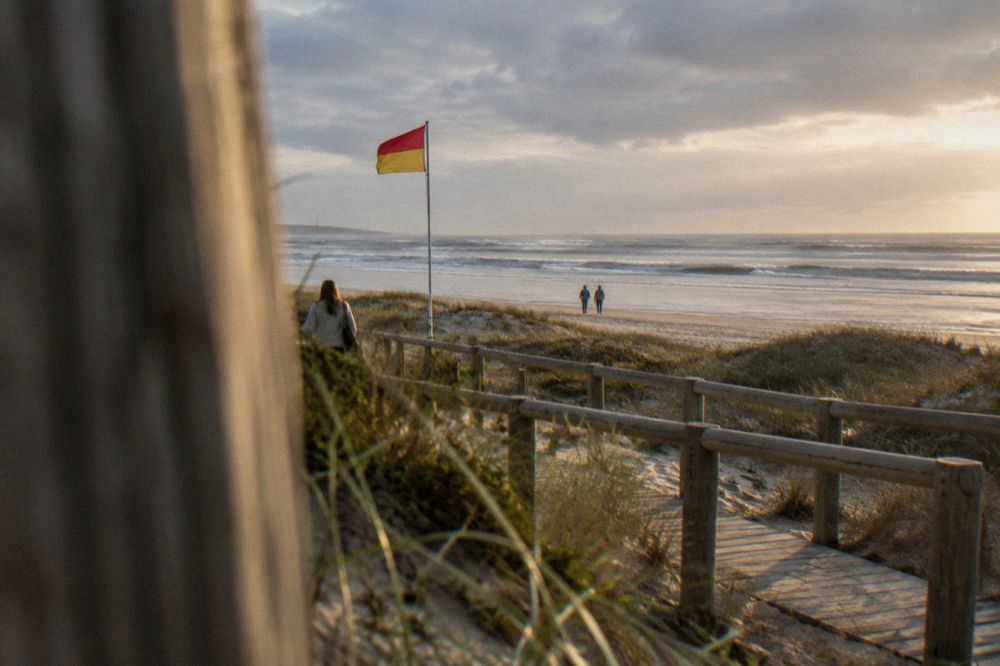
Swimming on this coast is safe on the lifeguarded stretches during the supervised summer season, and the Atlantic here demands respect: the waves are consistent, the water is cold, and the beaches outside the supervised zones, particularly the wilder dune stretches between towns, are for walking rather than bathing. The verified sources behind this page carry no lifeguard season dates, so the rule is to bathe between the flags on a patrolled beach and to check the flag and the posted signs on the day.
The Portuguese flag system is standard and worth knowing: green for bathing permitted, yellow for caution, red for prohibition, and a red flag means it. The north Atlantic coast is a surfing coast, which tells you what the sea does even on calm-looking days: the same waves that draw surfers to these beaches in autumn and winter make the off-season sea a place to watch, not enter.
For families, the practical hierarchy among the towns this page covers is straightforward. Póvoa de Varzim's main beach is the most facility-rich and the most supervised. Esposende's town beach is smaller but patrolled in season. Apúlia and the dune stretches are quieter and less serviced, which is precisely their charm and precisely why they suit walkers and strong swimmers rather than small children. Viana do Castelo's bay, further north, combines a wide sandy beach with a full town behind it.
What Does A Beach Day From Braga Actually Cost?
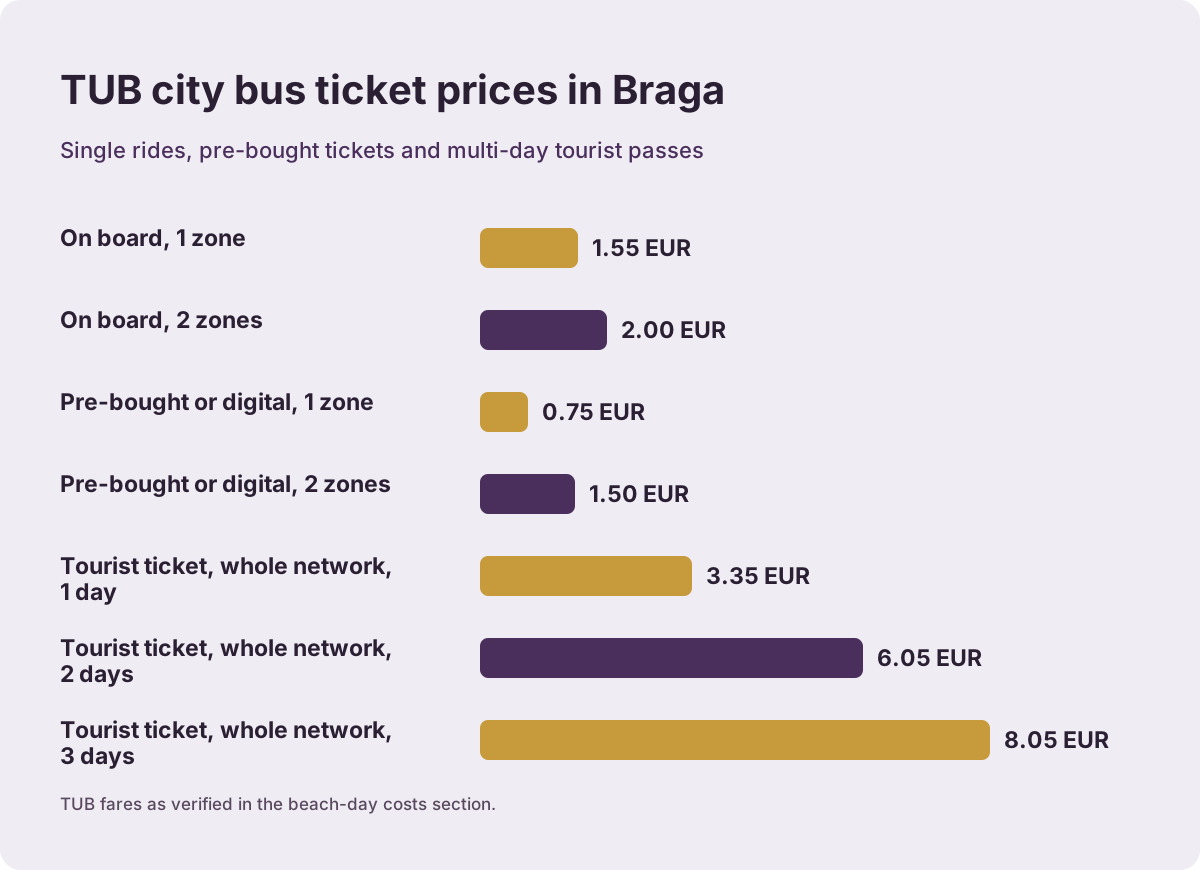
The verified costs are the city transport either side of the trip and the food on the coast: a TUB city bus ticket bought on board costs 1.55 EUR for one zone and 2.00 EUR for two, a pre-bought or digital ticket costs 0.75 EUR and 1.50 EUR, and the TUB tourist ticket covering the whole network costs 3.35 EUR for one day, 6.05 EUR for two and 8.05 EUR for three.
The regional beach-bus fares are not published in the verified sources and should be checked at the station.
The city-end fares are worth having in one place, because almost every beach day starts or ends with a TUB ride to the bus station.
| TUB ticket | Price |
|---|---|
| On board, 1 zone | 1.55 EUR |
| On board, 2 zones | 2.00 EUR |
| Pre-bought or digital, 1 zone | 0.75 EUR |
| Pre-bought or digital, 2 zones | 1.50 EUR |
| Tourist ticket, whole network, 1 day | 3.35 EUR |
| Tourist ticket, whole network, 2 days | 6.05 EUR |
| Tourist ticket, whole network, 3 days | 8.05 EUR |
The tourist ticket is the one genuinely useful multi-use product in Braga's transport offer: no city-wide attraction pass is on sale, so the TUB day ticket is the only bundled purchase a visitor can make, and it covers the Line 2 bus to Bom Jesus do Monte as well as the city centre. The 2026 tariff has been in force since 21 February 2026.
On the coast, the costs are food and, in some towns, paid parking lots whose prices are not verified here. A fish lunch on the Esposende front is the main expense of the day, and the Braga restaurants guide's price expectations for the Minho carry over to the coast's kitchens. One cost that does apply back in Braga: the municipal tourist tax is 1.55 EUR per person per night, for up to four nights, all year, charged through your accommodation.
Should You Combine A Beach Day With A Longer Trip North?
Yes, if you have the time: Viana do Castelo combines a sandy bay with one of Portugal's most complete historic centres and is reached by Rede Expressos coach from Braga, while Caminha and the Minho estuary sit further north still, and the whole coastal run can be chained with inland stops like Ponte de Lima on Line 105, making a two-day loop more sensible than a rushed single day.
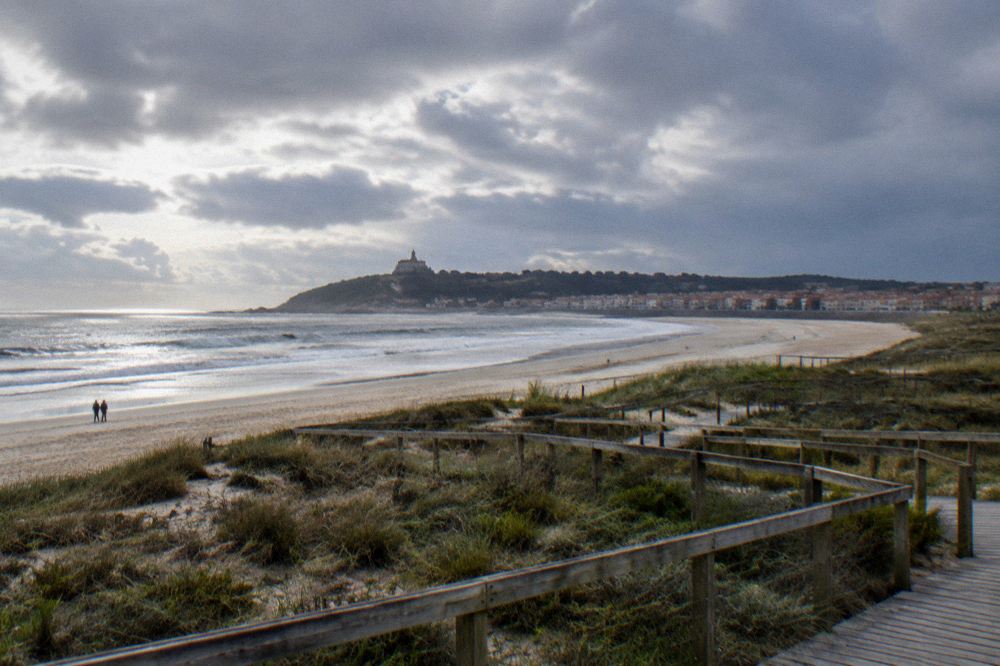
Viana do Castelo is the standout. Its bay is a wide arc of sand with the Santa Luzia sanctuary watching from the hill above, and the town below it is a grid of granite squares that justifies the trip on its own.
The pairing logic is where the Minho rewards planning. Ponte de Lima, on Line 105, is not a beach but is a riverside town with a Roman bridge and one of the oldest chartered markets in the country, and it sits close enough to the coast that drivers can do both in a day. The Viana do Castelo, Ponte de Lima and Minho region guides on this site carry those towns in depth.
Whichever of those three city tours you fold into the trip, the same planning rule holds: book the city half for the morning, keep the afternoon for the coast, and leave a buffer for the return bus. The operators' live listings carry the current departure times and the free-cancellation terms, so there is nothing to lose by fixing the city half before you commit to a beach day.
It covers the centre without consuming the day, which matters when the last beach bus back is earlier than you expect.
The Explore the Portuguese Rome tour is the middle path: from 35.35 USD per person, rated 4.9 from 68 reviews, an hour and a half of the city's churches and streets with a guide, leaving the afternoon free for the bus west. Between the three options, the choice comes down to how much of the morning you want to spend in the city before the sand takes over the day.
Common Questions About Beaches Near Braga
Are there beaches in Braga?
No. Braga is an inland city in the Minho region of northern Portugal, with no seafront, harbour or river beach inside the municipality. Every beach visit from Braga is a day trip to the Atlantic coast, most commonly Esposende, Apúlia or Póvoa de Varzim.
What is the closest beach to Braga?
The coastal strip at Esposende and Apúlia, reached on AITC Line 107 from Braga's bus station, is the nearest verified beach option, with Póvoa de Varzim on Lines 106 and 107 slightly further along the same shore. No distance figure is printed here because none was verified.
Can you get to the beach from Braga by train?
No. Braga's railway runs inland towards Porto and the Minho valleys; no train from Braga reaches the coast. The beach towns are served by regional bus, Lines 106 and 107 of the Cávado intermunicipal network, from Braga's central bus station.
Is the sea warm enough to swim near Braga?
The Atlantic on this coast is cold by Mediterranean standards even in August, and no verified water-temperature figure exists in this site's sources. Swim on a lifeguarded beach in the summer season, between the flags, and treat the red flag as final.
When is the best month for a beach day from Braga?
July and August, when the Braga / Merelim climate normals show a mean maximum above 28 C and only about four rain days a month. September is a strong shoulder option, warmer at the top end than June, though wetter.
How much does the bus to the beach cost?
The regional beach-bus fares are not published in the verified sources, so check at Braga's bus station. The city end is verified: TUB tickets cost 1.55 EUR on board for one zone, 0.75 EUR pre-bought, and the whole-network tourist ticket costs 3.35 EUR for one day.
The coast is the half of the Minho that Braga itself cannot supply, and it is the easiest day trip the city offers: a bus from the station, a fish lunch on the front, and a cold Atlantic that makes the granite warmth of the historic centre feel even better on your return.