Viana Do Castelo Day Trip From Braga
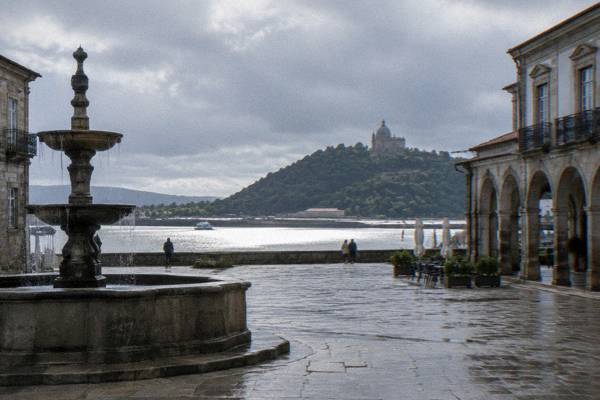
Viana do Castelo is the Minho's coastal capital, an hour or so west of Braga by road, and it makes one of the region's most rewarding day trips: a hilltop basilica, a riverside old town of Manueline doorways and azulejo facades, and a working port on the Lima estuary.
Short answer
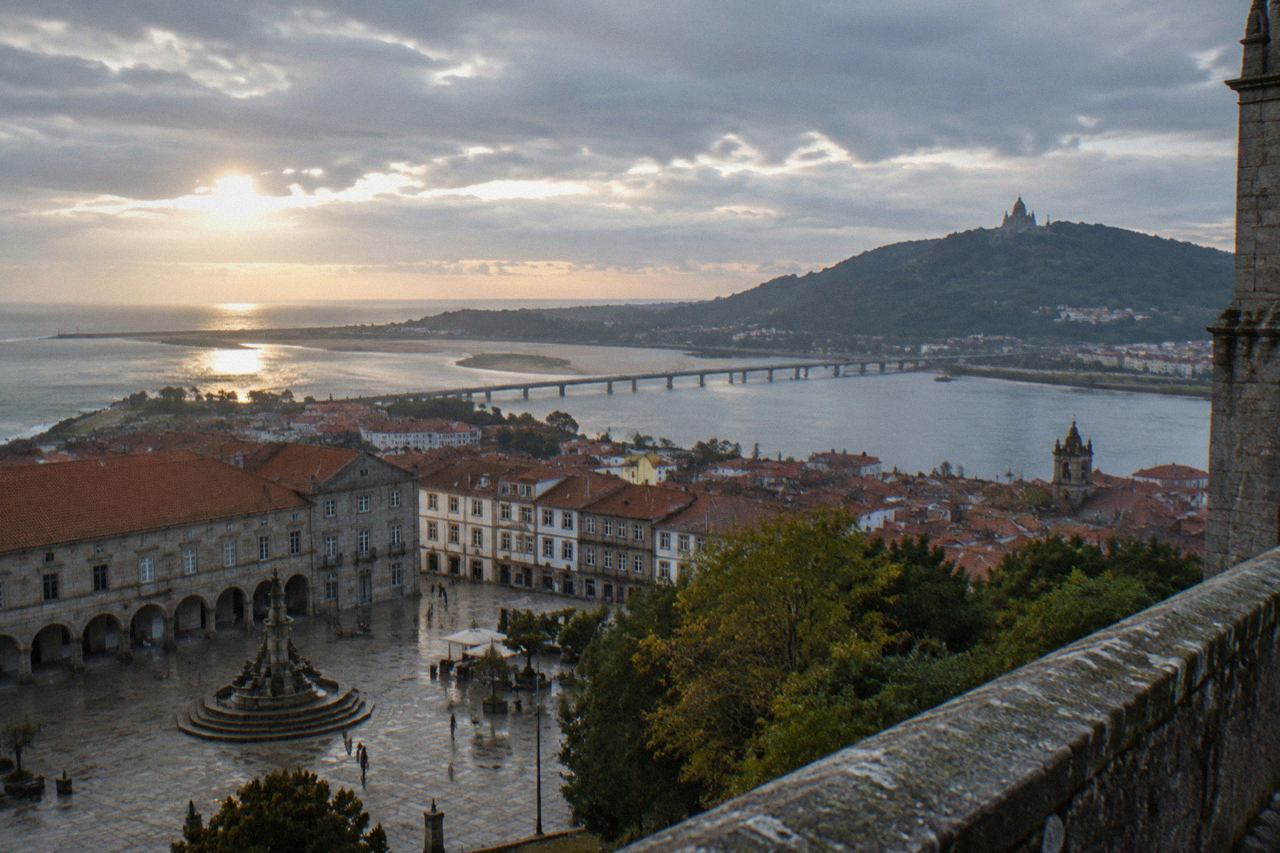
Viana do Castelo sits on the Lima river estuary about an hour west of Braga by road. The essentials are the Santa Luzia basilica on its hill, the old town around the Praça da República, and the Gil Eannes hospital ship museum on the waterfront.
Viana do Castelo is the coastal capital of Portugal's Minho region, reached from Braga by road in under an hour, and it packs a hilltop basilica, a Manueline old town and a ship museum into a walkable strip beside the Lima river. This guide covers how to get there from Braga, what to see with limited hours, where to eat, and what the day realistically costs, with a sample itinerary you can compress or stretch.
Why Visit Viana Do Castelo On A Day Trip From Braga?
Viana do Castelo gives you a side of the Minho that Braga cannot: the Atlantic. Braga is a baroque inland city of churches and granite; Viana is a port town where the Lima river meets the ocean, crowned by the Santa Luzia basilica on a hill above the estuary, and its old town is a dense patchwork of Manueline doorways, tiled facades and emblazoned townhouses built on cod-trade wealth. Both cities share the same region, the same vinho verde country and the same mild, rainy-winter climate, but the two hours of landscape between them run from farm valleys to dune-backed coastline.
The contrast is the point. A visitor who spends a whole trip inside Braga's historic centre, between the Sé de Braga and the Arco da Porta Nova, leaves without ever seeing the ocean that shaped this region's food and fortunes. Viana fixes that in a single day. It also adds a layer of architecture Braga does not have: Viana's old town is famous for its civil buildings, the azulejo-clad merchant houses around the Praça da República, where Braga's wealth went into churches, Viana's went into facades.
There is a practical argument too. Viana is compact. The old town, the waterfront and the funicular up to Santa Luzia all sit within a walkable area, so a day is genuinely enough. For a comparison of the two cities as destinations in their own right, see the Braga versus Aveiro and Viana guide, and for fitting Viana into a wider northern Portugal plan, the one day in Braga itinerary shows how a Minho base city works.
How Do You Get From Braga To Viana Do Castelo?
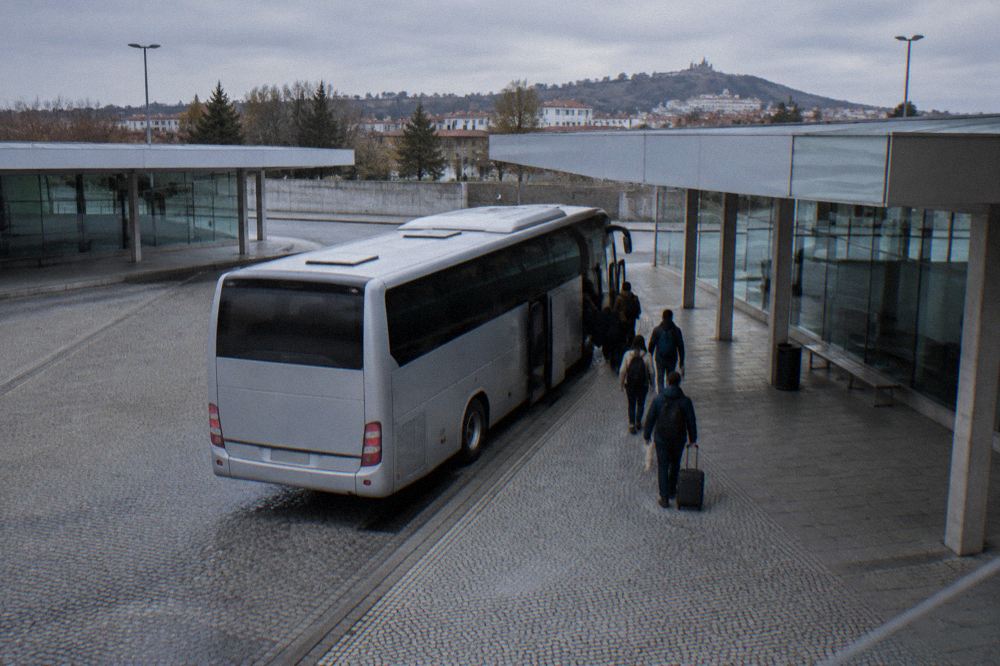
The practical answer is the direct Rede Expressos coach from Braga's bus station, the Centro Coordenador de Transportes on Avenida Gen. Norton de Matos. Check the operator's live timetable before you travel. There is no direct train between the two cities, and driving yourself is the other realistic option, following the A27 and A11 motorway corridor west through Ponte de Lima country.
Ready to sort out your journey north? Book a train and bus ticket here.
The bus is the choice most visitors should make. It leaves from the same station that handles Braga's regional AITC network, arrives in central Viana within walking distance of the old town, and removes the question of where to park in a city you do not know. Buy tickets at the station counter or through the operator's channels, and aim for a morning departure that lands you in Viana before 11:00.
Driving gives you freedom at both ends. The route west from Braga crosses the Lima valley, and if you drive you can stop in Ponte de Lima, Portugal's chartered market town on the river's oldest bridge, on the way back. The trade-off is Viana's town-centre parking: use the riverside car parks near the Gil Eannes rather than hunting for street spaces in the old town's narrow lanes.
| Option | Rough journey time | What to know |
|---|---|---|
| Own car or rental | Under an hour by motorway | Freest option; park near the waterfront; allows a Ponte de Lima stop on the return |
| Train | Not available direct | There is no Braga to Viana rail link; the bus is the fixed-wheel option |
One planning note: if your day trip is actually part of a wider loop out of Porto rather than a Braga-based outing, a guided option exists that strings Viana, Braga and Guimarães together in a single day, and it is featured below. It starts in Porto, so it suits visitors basing themselves there rather than in Braga.
What Are The Best Things To See In Viana Do Castelo?
The four essentials are the Santa Luzia basilica on its hill above the city, the Praça da República and the old town's tiled merchant houses around it, the Gil Eannes hospital ship moored on the waterfront, and the Praça da Rainha Dona Leonor with its Renaissance fountain, and all four fit into a half-day walk if you take the funicular or the road up to the basilica first while your legs are fresh. Everything else, the costume museum, the cathedral, the beaches across the bridge, is bonus territory.
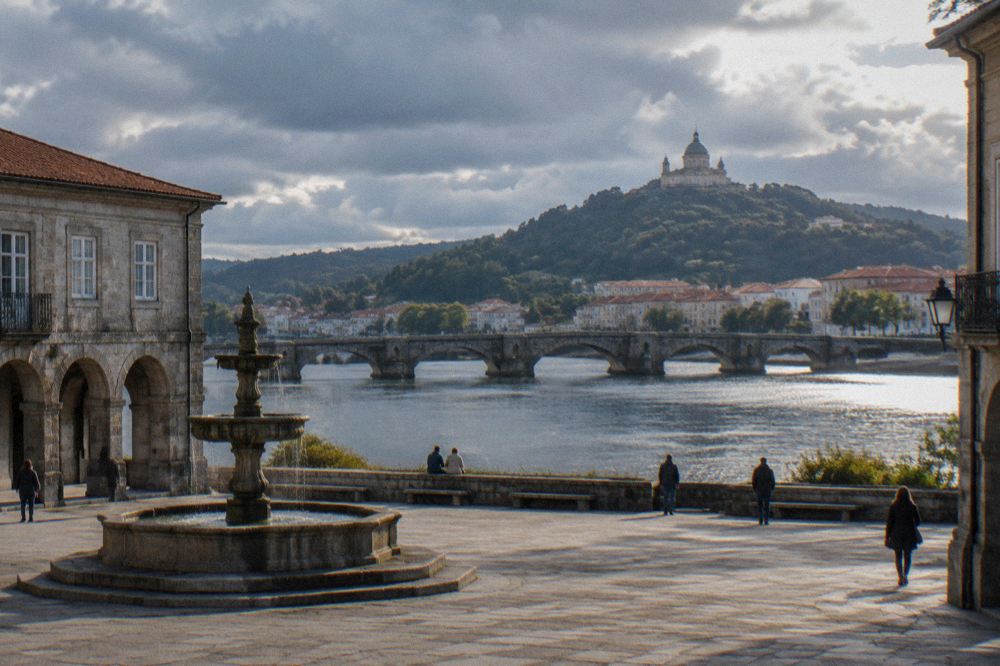
Santa Luzia is the sight that justifies the trip. The basilica sits on the wooded hill that frames every postcard of Viana, a monumental building modelled on the Sacred Heart basilica in Lisbon's Estrela district, with a terrace that looks down the Lima estuary to the Atlantic. You reach it either by the hill road or by the funicular that climbs from the town's northern edge. Go in the morning, when the light comes off the ocean and the town is still in shadow below.
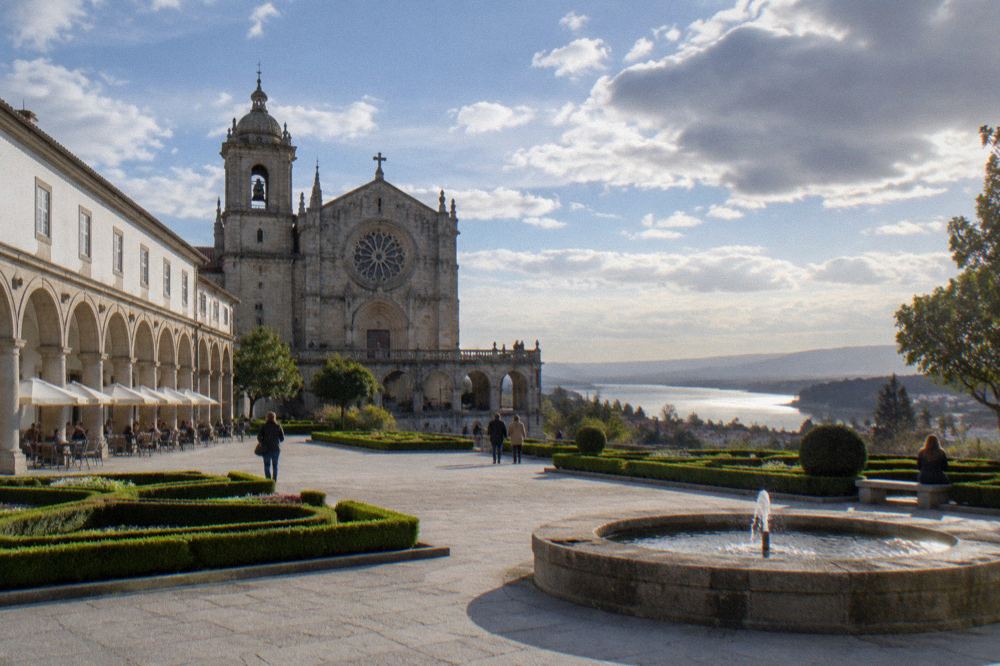
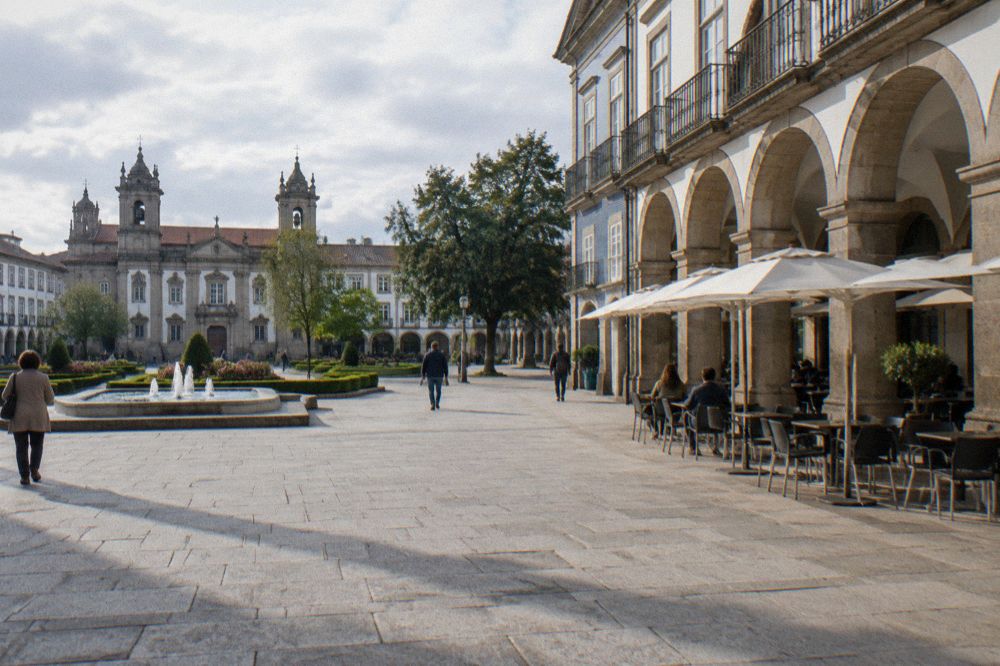
The old town is the second act. Viana's Praça da República is the region's most photogenic square outside Porto, ringed with granite arcades and azulejo-fronted houses, and the streets running off it hold the Misericórdia church and the old town hall. The city's fame rests on these civil facades, the blazoned houses of the cod merchants and the returned emigrants who came home wealthy from Brazil and built to show it.
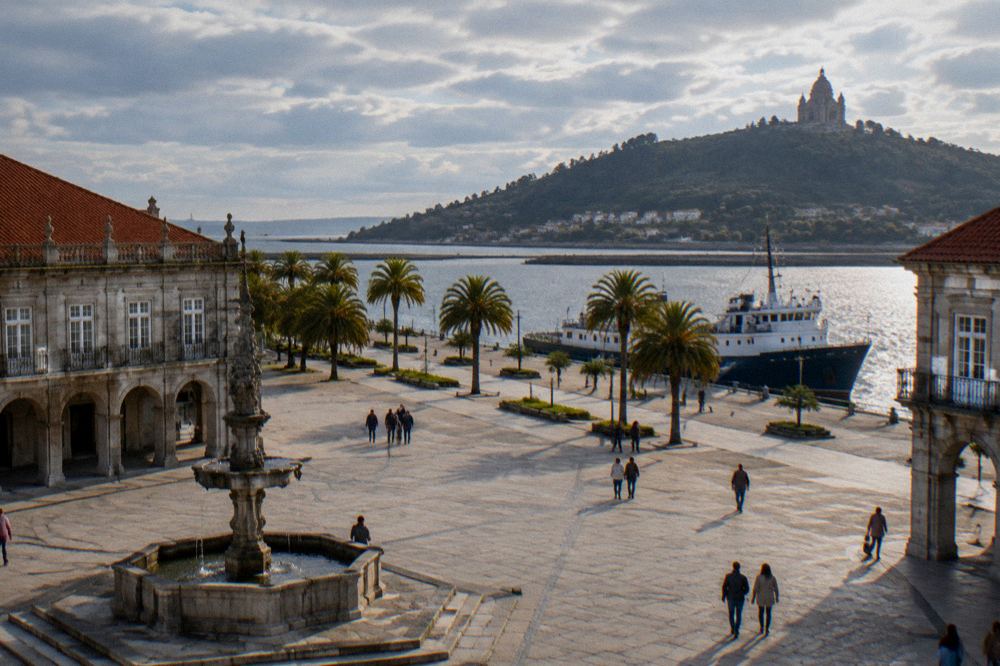
The Gil Eannes anchors the waterfront. This former hospital ship, built to serve Portugal's cod fleet in the North Atlantic, is moored permanently beside the marina and open as a museum ship, one of the most distinctive vessels anywhere on the Portuguese coast. The port area around it, with the marina and the dry docks that still overhaul fishing boats, is the working side of Viana most day visitors never walk to, and it is ten minutes on foot from the old town.
If you have energy left, cross the iron bridge over the Lima for the beach side, where the sandy stretch at Praia do Cabedelo sits behind dunes a short hop from the centre. And if the weather turns wet, Viana's museums, the costume museum with its regional finery and the decorative arts collection, are the indoor fallback, in much the same way Braga on a rainy day has its own museum circuit.
| Sight | What it is | Time to allow |
|---|---|---|
| Santa Luzia basilica | Hilltop basilica with panoramic terrace over the estuary and coast | 1.5 to 2 hours including the trip up |
| Praça da República and old town | Arcaded square, azulejo facades, Misericórdia church | 1.5 hours of slow walking |
| Gil Eannes ship museum | Hospital ship of the cod fleet, moored at the marina | 1 hour |
| Praia do Cabedelo | Dune-backed beach across the Lima bridge | 1 hour plus travel |
Where Should You Eat In Viana Do Castelo?
Viana do Castelo's table is the Minho's Atlantic version: fresh Lima and ocean fish, bacalhau in every style, caldo verde, and the region's vinho verde poured young and cold, and the best-value eating is in the tasca-style restaurants on the streets just back from the waterfront rather than on the main square itself. The city's signature sweets, the heart-shaped folgado and the arrufada, are bakery items, so plan a mid-morning stop rather than a dessert course.
Fish is the reason to eat here rather than in Braga. Inland Braga's most famous dish is bacalhau à Braga, a baked cod with fried potatoes and onions, but coastal Viana gets the same cod landed fresh off the boats and grilled whole when the season allows. Sardines, sea bass and whatever the Lima fleet brought in that morning appear as the prato do dia, the day's dish, in the smaller restaurants at prices the main-square terraces will not match.
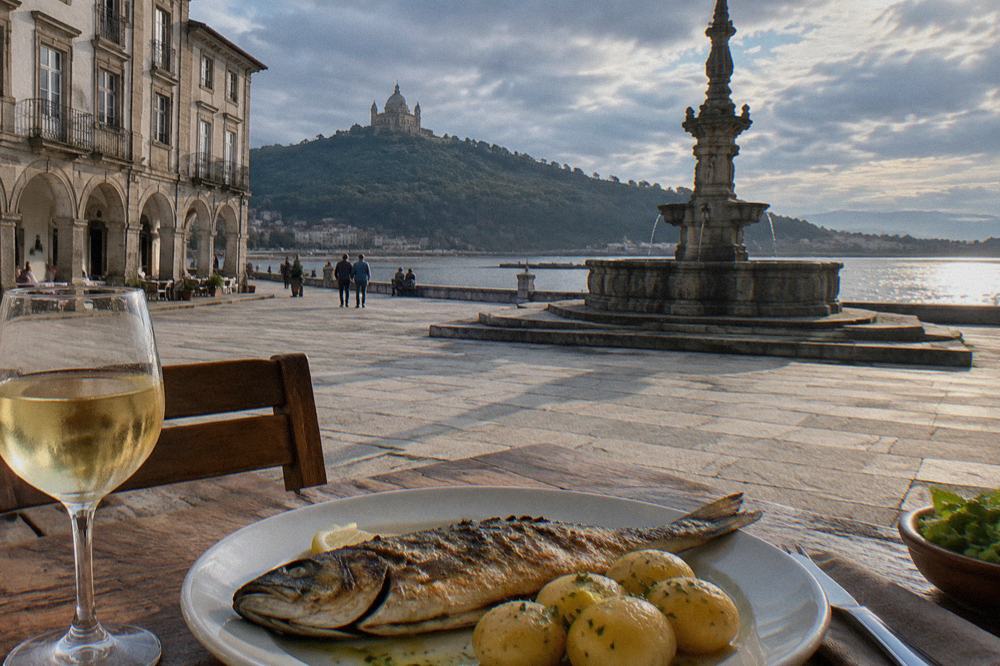
Vinho verde is the local pour everywhere in the Minho, and Viana sits in the heart of its white-wine country. The region's light, slightly spritzy whites cut through grilled fish better than almost anything else, and they are cheap by any European standard. For the background on the wine itself, what vinho verde is and why it tastes the way it does, the site's vinho verde guide covers it properly.
For dessert, hunt down the folgado de Viana, a sugar-dusted heart-shaped biscuit the city bakes for its festival of the Senhora da Agonia every August, and which the better pastelarias keep year-round. Pair it with a coffee in mid-afternoon, the Portuguese way, before the bus home.
What Does A Day Trip To Viana Do Castelo Cost?
A realistic independent day from Braga costs about 20 to 35 EUR per person: roughly 7 to 10 EUR each way for the coach by 2026 listings, a 10 to 15 EUR lunch with wine in a back-street restaurant, and very little else, because the basilica terrace, the old town and the waterfront are free and the Gil Eannes and any museum charge only modest entry, so the biggest variable is how much you eat. A couple can do the whole day, transport included, for under 70 EUR without trying.
The fixed costs are small. The coach fare is the anchor, and it is the one figure that varies with when you book and travel. Entry to the basilica's terrace and the funicular up the hill each carry a small charge, and the ship museum likewise; none of these is a budget event, but check each operator's posted price on the day rather than planning to the cent, because small Portuguese attractions adjust prices seasonally. Other pages covering the same trip are gathered on Braga Travel Guide.
One cost that surprises visitors who overnight rather than day-trip: the tourist tax. Viana do Castelo levies its own municipal tourist tax, 1.50 EUR per person per night in the May to October high season and 1 EUR from November to April, for up to five consecutive nights, charged to guests over 16. Braga's own tax, by comparison, is 1.55 EUR per person per night all year for up to four nights. Day trippers pay neither, which is one quiet argument for basing yourself in Braga and radiating out.
| Cost item | Typical range | Notes |
|---|---|---|
| Lunch with wine, back-street restaurant | 10 to 15 EUR | Prato do dia is the value play |
| Basilica terrace and funicular | A few euros each | Check the posted prices on the day |
| Gil Eannes ship museum | A few euros | Family-friendly, allow an hour |
| Tourist tax | Not applicable | Day trippers pay none; overnight guests pay Viana's municipal tax |
The guided alternative changes the arithmetic. A full-day small-group tour that covers Viana, Braga and Guimarães from Porto starts at 44.19 USD per person on this site's featured listing, rated 4.7 from 1,707 reviews, and it buys you the driving, the commentary and the timing at every stop, at the cost of spending part of your Viana hours on a set schedule. You can Check availability on the operator's live listing if that trade suits you.
How Should You Structure Your Day In Viana Do Castelo?
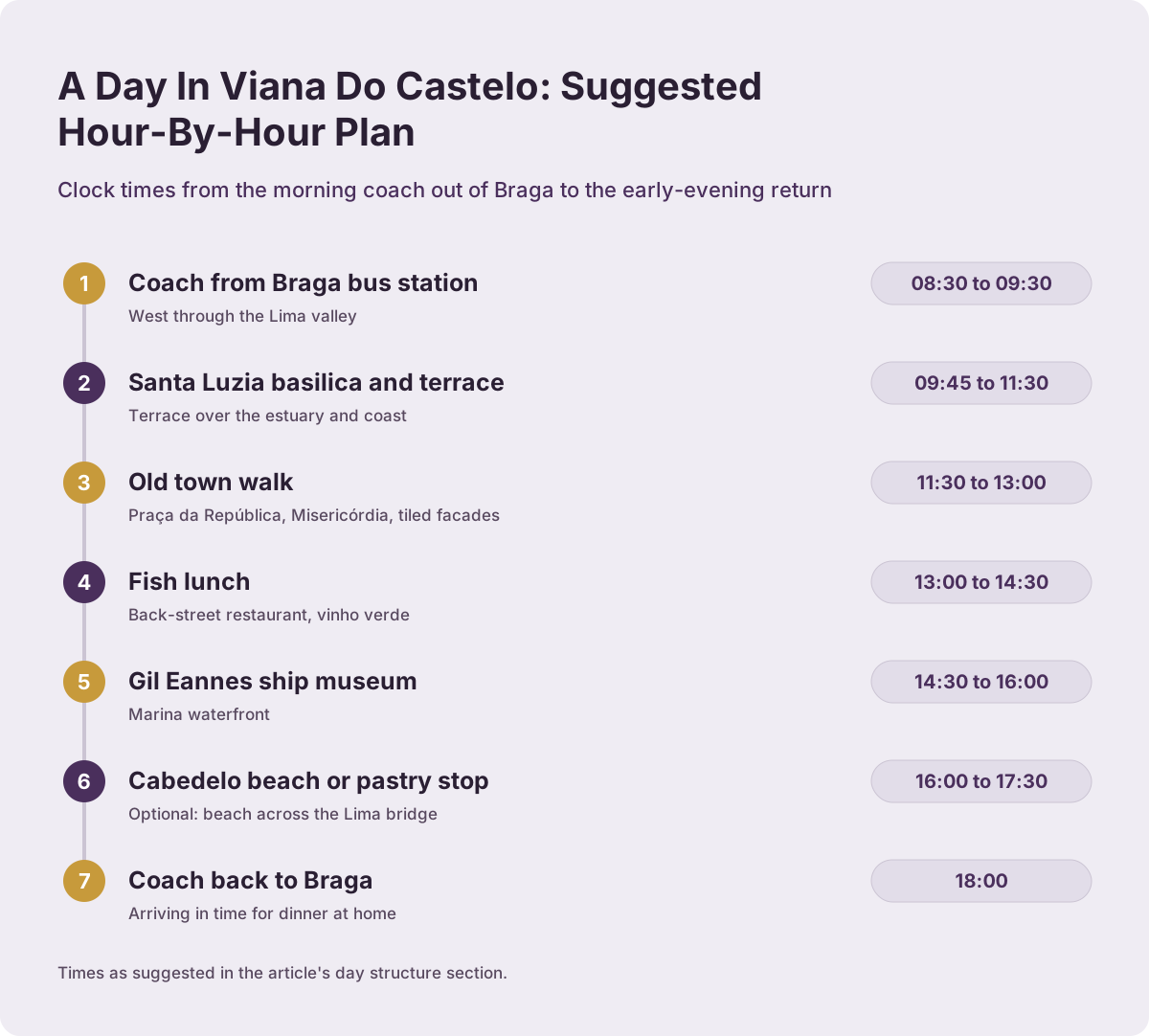
Take a morning coach that arrives before 11:00, go straight up to the Santa Luzia basilica while the light is on the ocean and your legs are fresh, come down to the Praça da República for a slow walk through the old town, eat a fish lunch off the main square, then spend the afternoon on the waterfront with the Gil Eannes and, if time allows, the beach across the bridge, before an early-evening coach back to Braga. That sequence front-loads the one thing that needs energy, the hill, and leaves the flat walking for after lunch.
The timing matters more than the order. The basilica terrace is best in morning light, when the sun comes from the east over the town and lights the estuary and the ocean beyond. The old town is at its best in the middle of the day, when the arcades give shade and the pastelarias are full. The waterfront works at any hour, but the marina is calmer once the excursion crowds have gone.
| Time | Plan |
|---|---|
| 08:30 to 09:30 | Coach from Braga bus station, west through the Lima valley |
| 09:45 to 11:30 | Santa Luzia basilica and the terrace over the estuary |
| 11:30 to 13:00 | Old town walk: Praça da República, Misericórdia, tiled facades |
| 13:00 to 14:30 | Fish lunch in a back-street restaurant, vinho verde |
| 14:30 to 16:00 | Gil Eannes ship museum and the marina waterfront |
| 16:00 to 17:30 | Optional: bridge and Cabedelo beach, or pastry stop |
| 18:00 | Coach back to Braga, arriving in time for dinner at home |
Compress or stretch as you like. If you are combining Viana with a second stop, the most natural pairing is Ponte de Lima, which sits roughly on the route between the two cities and makes a short afternoon stop on the drive back. If you would rather see the coast than a second town, drop the beach and linger instead.
Should You Combine Viana Do Castelo With Other Minho Towns?
Viana pairs naturally with Ponte de Lima if you are driving, and with Caminha if you want the river's mouth rather than another town, but a single-day visit from Braga should not stack more than one extra stop, because the coach schedules and the siesta-hours rhythm of small Minho towns eat the afternoon faster than the map suggests. Two towns in a day is the ceiling; three is a bus timetable, not a trip.
Ponte de Lima is the classic pairing. It is the oldest chartered town in Portugal by its own claim, set on the Lima river with a medieval bridge and a riverside garden, and it sits on the corridor between Braga and Viana, so a driver can stop for an hour or two without a meaningful detour. The AITC regional bus network's line 105 also links Braga to Ponte de Lima, which makes a two-leg public-transport day possible if the timetables align, though you should check the day's schedules before committing.
Caminha is the coastal alternative, the border town where the Lima finally meets the Atlantic, with a fortified main square and a ferry across to Spain's sandy point. It suits a visitor whose priority is the ocean end of the estuary rather than Viana's architecture, and the Caminha day-trip guide covers it in full.
The other Minho towns answer different questions. Guimarães is the medieval birthplace-of-Portugal city, inland and granite; Barcelos is the market town of the painted cockerel, best on its Thursday market day; and the Peneda-Gerês National Park is the mountain day, for hiking rather than sightseeing. A visitor with several days from a Braga base can do all of these; a visitor with one free day should pick Viana or Guimarães, not both.
When Is The Best Time Of Year To Visit Viana Do Castelo?
Late spring through early autumn, May to September, is the best window: the Minho's summers are warm but rarely extreme, the coast is at its best, and Viana's August festival of the Senhora da Agonia fills the city with the region's most famous religious procession, while the winter months bring the heavy Atlantic rain the region is known for, with the trade-off that August is crowded and festival week books out early. The shoulder months of May, June and September are the quiet optimum.
The climate logic comes from the region's data. The Minho is the wettest corner of Portugal: IPMA's 1991 to 2020 normals for the Braga / Merelim station show October as the wettest month on average at 197.8 mm and July the driest at 27.9 mm, with 12 to 13 rain days a month from October through January. Viana, on the coast, shares this pattern. A winter day trip is perfectly possible, but plan it around indoor hours and check the forecast the evening before.
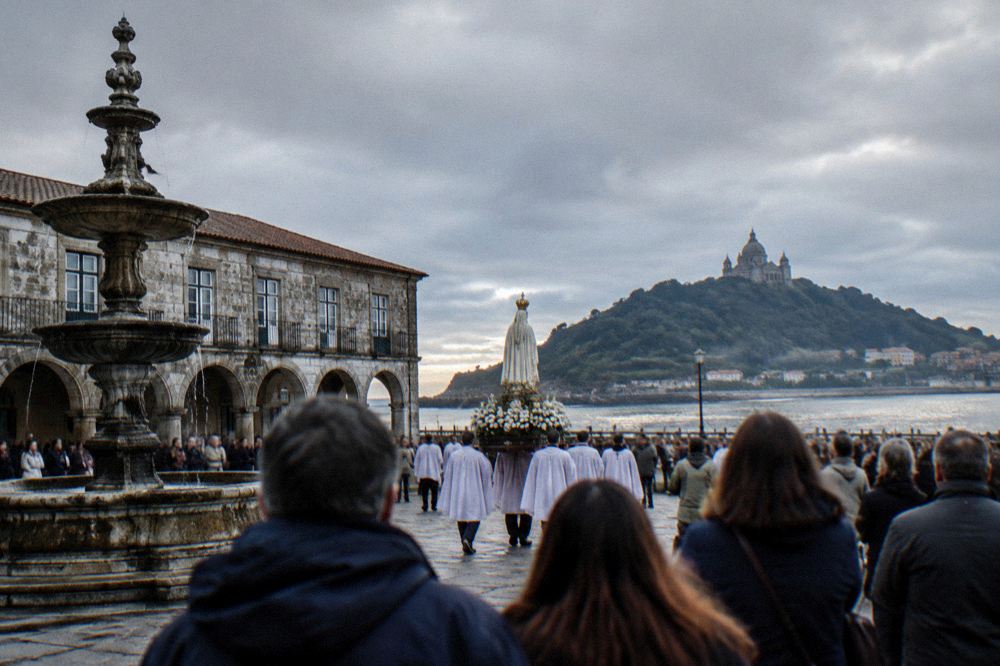
Festival week cuts both ways. The Festas da Senhora da Agonia in mid-August is Viana's defining event, days of processions in traditional costume, the gilded fishing boats blessing, and the streets carpeted with flowers, and it is spectacular if you want it and exhausting if you do not. Book any accommodation far ahead, expect crowds everywhere, and note that the old town's rhythm changes completely. Day trippers can come for a procession and be back in Braga the same evening, which is the cheapest way to see it.
| Period | Conditions | Best for |
|---|---|---|
| May and June | Mild, green, mostly dry, long days | The quiet optimum: terraces, walking, photography |
| July and August | Warmest and driest; festival crowds in August | Beach time, the Senhora da Agonia festival |
| September | Warm, quieter, sea still swimmable | A relaxed version of summer |
| October to April | Rain frequent, 12 to 13 wet days a month by the inland normals | Museums, low prices, moody coastal light |
Is A Guided Tour Better Than Going Independently?
Going independently from Braga wins on cost and freedom, since the coach is cheap and Viana is walkable, but a guided tour wins if you are based in Porto rather than Braga, if you want the Minho's history explained rather than just seen, or if you would rather not spend any of the day on timetables, and this site's featured option strings Viana together with Braga and Guimarães in one long day from Porto. The right answer depends on where you sleep, not on the towns.
The featured listing, a full-day tour from Porto covering Viana do Castelo, Braga and Guimarães, starts at 44.19 USD per person and carries a 4.7 rating from 1,707 reviews on the operator's listing. It is honest about what it is: a fast loop of three cities, with the Bom Jesus sanctuary typically the inland highlight, best for a visitor whose time in northern Portugal is counted in days rather than weeks. A Braga-based visitor does not need it for Viana alone, but a Porto-based visitor covering the whole Minho in one shot might.
For the in-Braga hours of such a day, or for a Braga-based visitor showing visiting family the home city, two shorter options from the same roster are worth knowing. A tuk-tuk city tour of Braga, from 22.66 USD per person and rated 4.8 from 179 reviews, covers the centre in 30 minutes to two hours without walking, which suits older travellers and tight schedules.
And a guided walk of the "Portuguese Rome" city, from 35.35 USD per person and rated 4.9 from 68 reviews over 90 minutes, adds the historical layer that a self-guided wander misses.
The decision rule is simple. Sleeping in Braga: take the coach to Viana and spend the saved money on lunch. Sleeping in Porto with limited days: the guided loop is the efficient way to see all three Minho cities at once, and the Braga day trip from Porto itinerary shows how the independent version of that day runs.
Common Questions About Viana Do Castelo
How do I get from Braga to Viana do Castelo?
Take the direct Rede Expressos coach from Braga's bus station, the Centro Coordenador de Transportes on Avenida Gen. Norton de Matos. Check the operator's live timetable before you travel. There is no direct train between the two cities.
Is Viana do Castelo worth a day trip?
Yes. The city combines a hilltop basilica with panoramic coastal views, one of Portugal's most attractive old-town squares, and a distinctive ship museum on the waterfront, all within a walkable area, and it adds the Atlantic coastline that inland Braga cannot offer.
How long do you need in Viana do Castelo?
A full day is comfortable and a half-day is workable. The Santa Luzia basilica, the old town and the Gil Eannes ship museum, the three essentials, fit into about six hours at a relaxed pace, including the trip up the hill.
What is Viana do Castelo famous for?
The Santa Luzia basilica on its hill, the azulejo-fronted merchant houses of the old town built on cod-trade wealth, the Gil Eannes hospital ship of the cod fleet, and the August festival of the Senhora da Agonia, one of the Minho's most famous religious festivals.
When is the best time to visit Viana do Castelo?
May, June and September offer the best balance of weather and quiet. July and August are warmest and driest, but August brings the festival crowds. Winter is the region's rainy season, with the Minho's weather stations recording 12 to 13 rain days a month from October to January.
Can you visit Viana do Castelo and Ponte de Lima in one day?
Yes, comfortably, if you are driving, since Ponte de Lima sits roughly on the corridor between Braga and Viana. By public transport it depends on the day's bus timetables, so check the AITC line 105 schedule and the Rede Expressos times before committing to both.
Viana do Castelo is the day trip that completes a Braga stay: the same Minho granite and the same vinho verde, but with an estuary, an ocean horizon and a basilica terrace that repay the hour on the coach many times over. For more options across the whole region, the roundup of good day trips from Porto covers every town this site features, all reachable from the same northern base.