Ponte De Lima Day Trip From Braga
Ponte de Lima is the Minho's classic riverside day trip, reached from Braga by the AITC line 105 regional bus, and it pairs a medieval bridge over the Lima river with plane-tree shaded promenades and formal gardens.
Short answer
Ponte de Lima sits on the Lima river in the Minho region of northern Portugal and is reached from Braga by AITC regional bus line 105 from Braga bus station. The town is known for its medieval bridge, its riverside gardens and its relaxed small-town pace, and it works best as a half to full day trip combined with other western Minho towns.
Braga, the city in Portugal's Minho region, sits within easy reach of some of the country's most photogenic small towns, and Ponte de Lima is the one visitors most often add to a northern Portugal itinerary. The town lies to the west of Braga on the Lima river, in the green western Minho, and its name comes from the stone bridge that has carried traffic across the river since the Middle Ages. This guide covers how to get there from Braga, what to do once you arrive, what to eat, what the trip costs, and how to pair Ponte de Lima with neighbouring towns such as Viana do Castelo and Arcos de Valdevez. For the wider picture of the city itself, start with the things to do in Braga overview and the one day in Braga itinerary, then plan the day trip.
Why Visit Ponte De Lima On A Day Trip From Braga?
Ponte de Lima is the Minho region's most complete small-town day trip: a medieval stone bridge over the Lima river, plane-tree shaded riverside walks, formal gardens and a historic centre compact enough to cover on foot in a single day. It contrasts sharply with Braga's baroque churches and gives visitors the river-and-bridge landscape the region is known for.
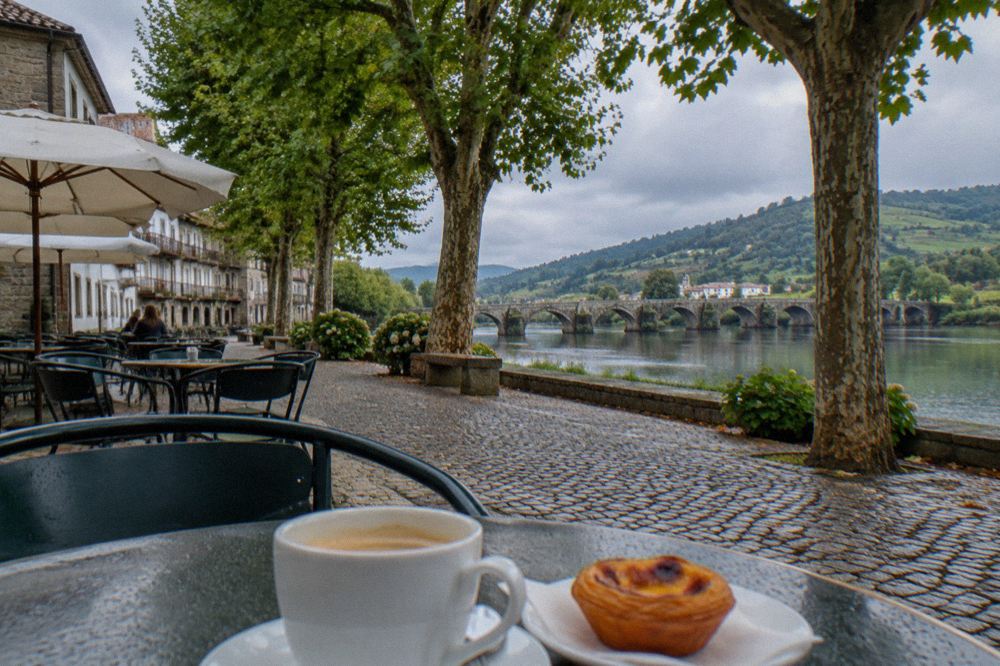
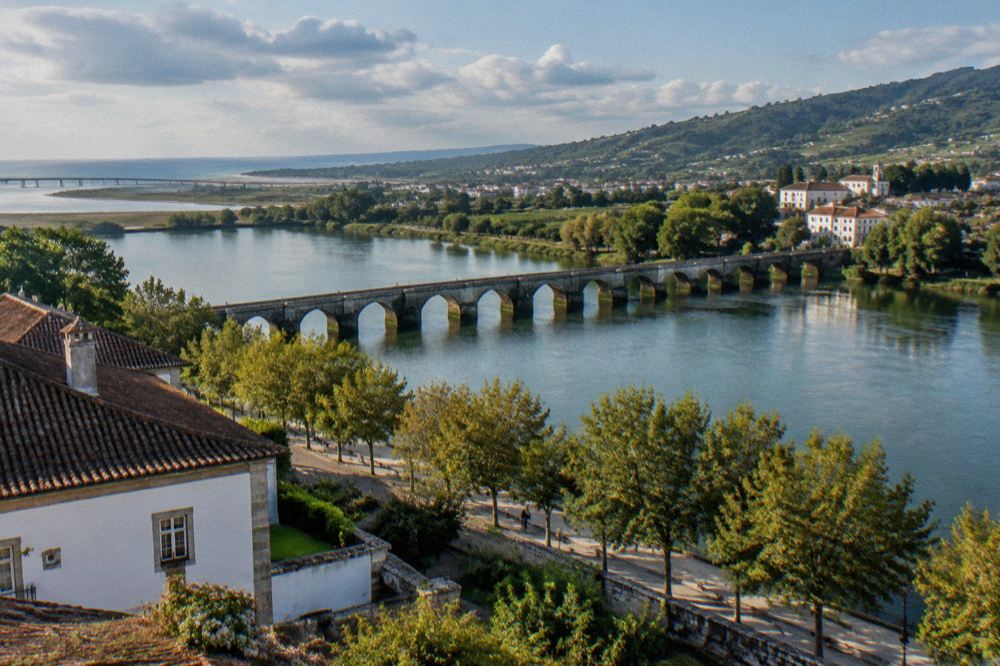
The town's identity is the river. The Lima runs wide and slow through Ponte de Lima, and almost everything a visitor wants to see sits on or near its banks: the bridge at one end, the landscaped gardens along the waterfront, the old town rising behind them. The riverside promenade is the town's living room, and on warm afternoons it fills with locals, strollers and the odd pilgrim walking the Portuguese Way to Santiago, which passes through here on its coastal-adjacent route. That pilgrim traffic is one reason the town has more cafes, guesthouses and restaurants than its size suggests.
For visitors based in Braga, the appeal is the change of register. Braga is a working city of 193,324 residents in the municipality by the 2021 census, dense with ecclesiastical architecture such as the Sé de Braga and the Bom Jesus do Monte sanctuary. Ponte de Lima is the opposite: a market town built around water, greenery and slow traffic. A day there feels like a different trip without a long journey, and the town is small enough that a morning arrival and late-afternoon return leaves time for everything that matters.
The town also earns its place on practical grounds. It sits at the western edge of the Minho within reach of several other worthwhile stops, so a Ponte de Lima day can absorb a detour to the coast at Viana do Castelo or the hills of the Peneda-Laboreiro country near Arcos de Valdevez. Solo travellers, couples and families all manage it comfortably, and the compact centre means no one spends the day logistics-planning. If the question is simply whether the town justifies the travel, the is Ponte de Lima worth visiting answer covers that in detail.
How Do You Get From Braga To Ponte De Lima?
The direct public transport link is AITC regional bus line 105, which runs from Braga bus station to Ponte de Lima. The AITC, the Cávado intermunicipal transport authority, operates the line, and its timetable PDFs are reissued periodically, so travellers should download the current line 105 schedule before travelling. There is no train between the two towns.
Braga's bus station is the Centro Coordenador de Transportes on Avenida General Norton de Matos, the same station that handles the Getbus airport coach and the regional network. Line 105 is one of the AITC's verified routes from Braga: the authority's published list also includes line 101 to Guimarães, line 100 to Vila Verde and Arcos de Valdevez, line 107 to Esposende and Póvoa de Varzim, line 106 to Póvoa de Varzim, and lines 200, 201 and 109 towards the Gerês side and Famalicão. Regional bus fares and journey times are not published in a form this site can verify, so check the current fare at the ticket window or on the AITC site rather than relying on figures copied from blog posts.
| AITC Line | Route From Braga Bus Station | Direction |
|---|---|---|
| 100 | Braga to Vila Verde to Arcos de Valdevez | North-west Minho |
| 101 | Braga to Guimarães | East Minho |
| 105 | Braga to Ponte de Lima | West Minho |
| 106 | Braga to Póvoa de Varzim | Coast |
| 107 | Braga to Esposende to Póvoa de Varzim | Coast |
| 109 | Braga to Famalicão | South |
| 200 | Braga to Covide via Campo do Gerês | Gerês |
| 201 | Braga to Caldas do Gerês | Gerês |
Driving is the other realistic option. The route west out of Braga crosses the same valley country the bus uses, and a car has the advantage of letting you continue to the coast or the hills on the same ticket. Parking in small Minho towns is generally easier than in Braga's historic centre, though the riverside fills first on warm weekends. If you do drive, read the parking in Braga guide for the city end before you set off, and the car rental in Braga guide if you are hiring at the start of the trip.
A car also makes the coastal and hillside detours easy to arrange. Book a rental car here.
For anyone combining the town with a wider Minho circuit, the practical order is Braga first, Ponte de Lima second, and the coast third. The getting around Braga guide explains the city's TUB buses, whose 2026 tariff includes a tourist ticket at 3.35 EUR for one day of unlimited travel, useful on the day before you leave. And before you travel out, it is worth checking the operator's current notice for the route, because regional timetables are reissued through the year.
What Are The Best Things To Do In Ponte De Lima?
The core of a Ponte de Lima visit is the bridge and the river: walk the medieval stone bridge, follow the tree-lined promenade along both banks, visit the riverside gardens, and wander the historic centre's arcaded streets and small squares. Most visitors cover all of it comfortably between a morning arrival and a late-afternoon return, with a long lunch in between.
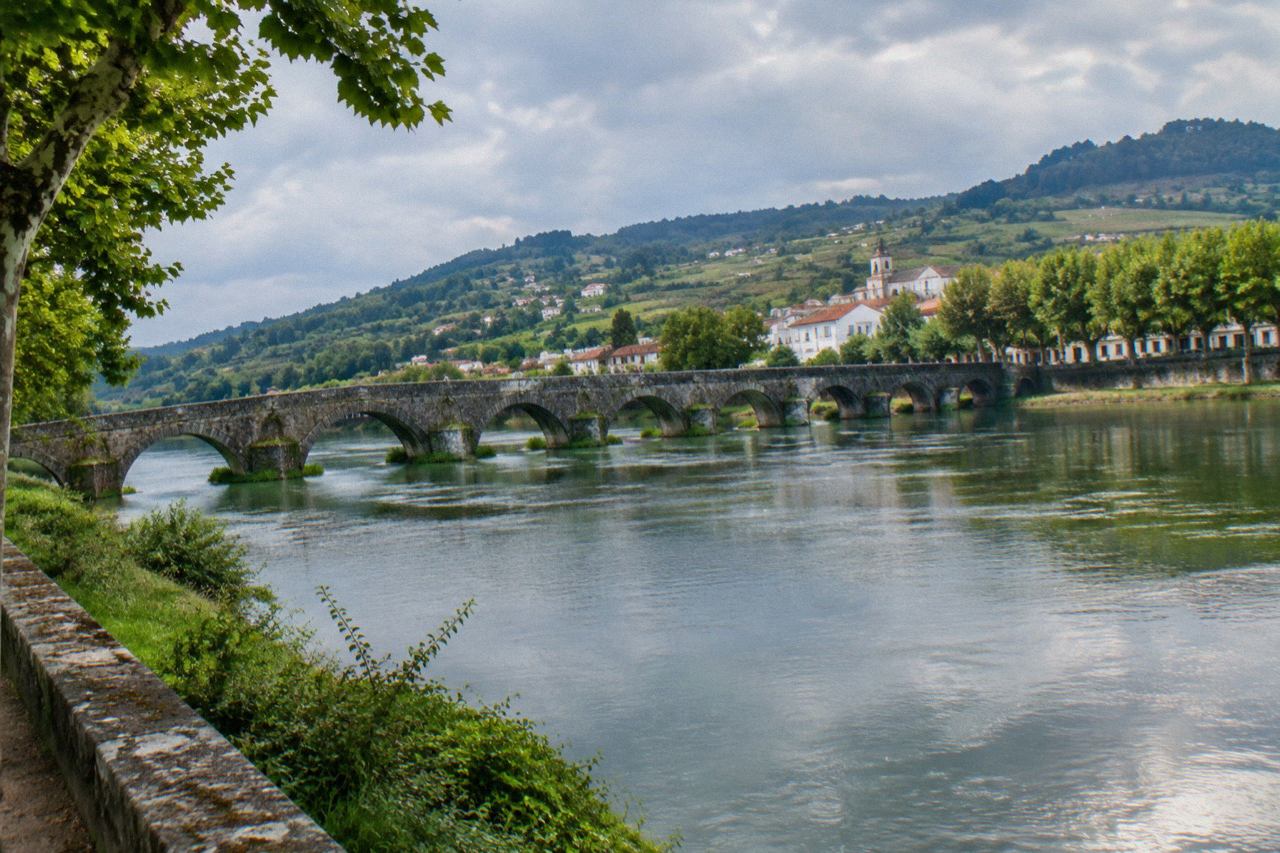
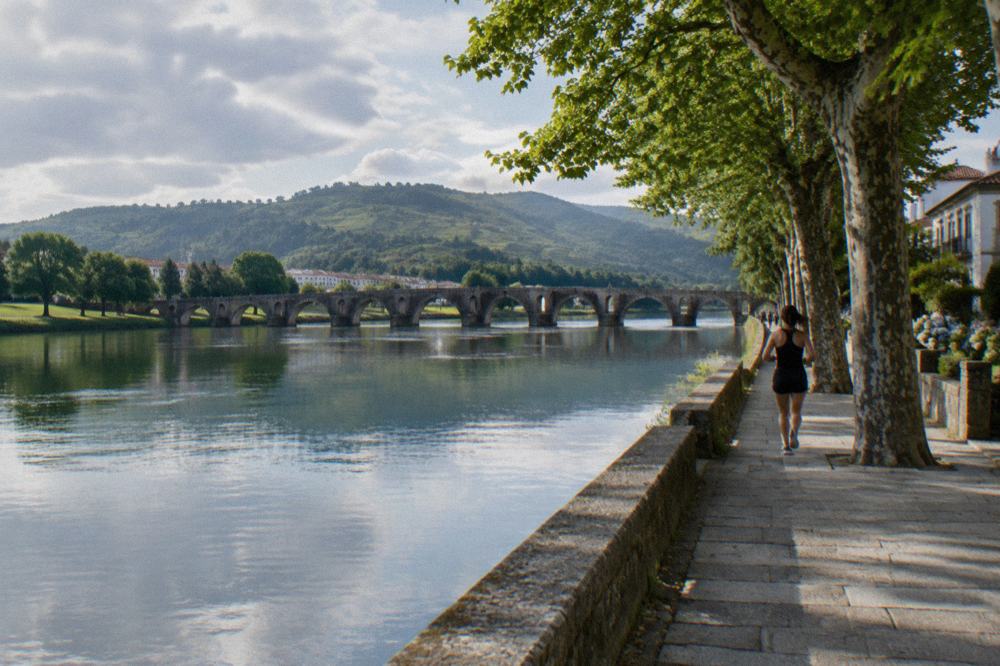
Start at the bridge, the structure that named the town. It crosses the Lima with a series of stone arches, and the view from its middle, up and down the river with the town on one bank and the fields on the other, is the shot most people come for. From there the walk follows the water. The promenade is shaded by mature plane trees, and on a summer day it is the coolest place in town. The gardens along the waterfront are formal, clipped and green, in the northern Portuguese manner, and they connect the bridge end of town to the wider parkland without ever needing a map.
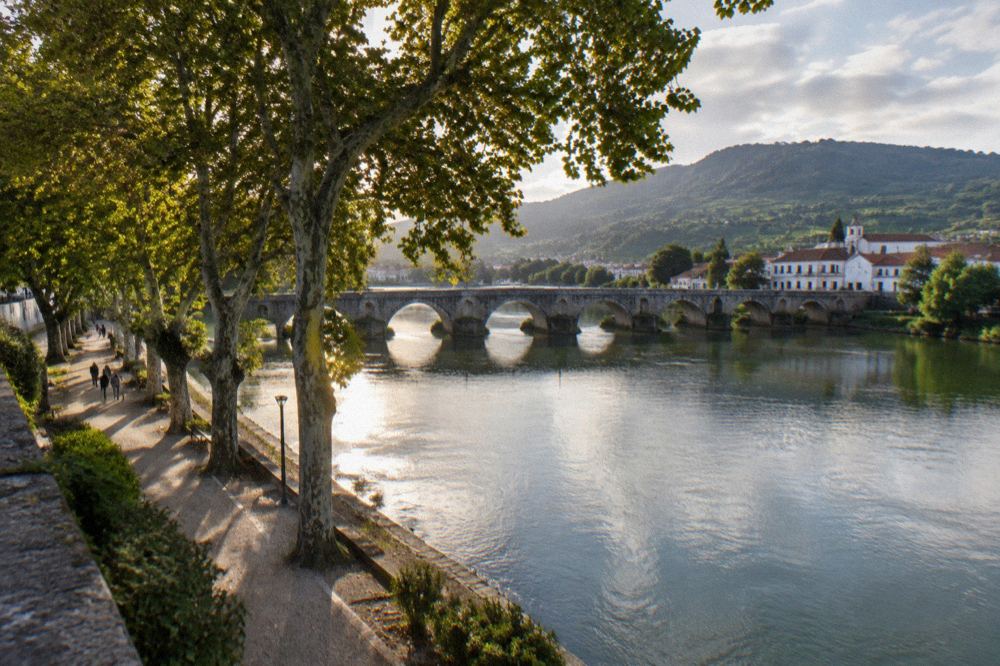
The historic centre behind the riverbank is small and dense: narrow streets, granite houses with wooden balconies, small squares with cafes, and a handful of churches worth stepping into. Give it two unhurried loops, one before lunch and one after, because the light changes and so does the feel of the streets. Pilgrims on the Portuguese Way to Santiago pass through the town, and the camino markers are a recurring sight; the site's camino from Braga guide covers that route if the markers catch your interest.
Beyond the centre, the town is a base for river beaches, walking trails and the low green hills on both sides of the Lima. The what to do near Ponte de Lima answer collects the surrounding options. Families should note that the flat riverside terrain makes this one of the easiest day trips in the region for small children and strollers, a point covered in more depth in the Braga with kids guide.
Where Is Ponte De Lima And What Is The Town Known For?
Ponte de Lima lies in the Viana do Castelo district of northern Portugal, on the Lima river, west of Braga near the Atlantic coast and the Spanish border. The town is known for its medieval bridge, its riverside gardens and plane-tree promenades, and its role as a staging point on the Portuguese Way to Santiago.
Geography matters here, because "Braga" is three different things in Portugal: the city, the municipality around it, and the wider district, which contains Guimarães, Barcelos, Famalicão and part of the Peneda-Gerês park. Ponte de Lima is outside all three. It belongs to the neighbouring Viana do Castelo district, which is why the tourist tax, the transport authority and the landscape all differ from Braga's. The town sits in the Lima valley, a green corridor running inland from the Atlantic, and the valley's combination of river, farmland and forested hills is the scenery the whole day trip runs through.
The town's reputation rests on three things. First, the bridge: a medieval stone crossing that gave the town its name and remains its defining image. Second, the river landscape: the Lima at Ponte de Lima is wide, slow and tree-lined, and the waterfront gardens are among the most photographed public spaces in the Minho. Third, the pilgrim route: the camino to Santiago de Compostela passes through, bringing a steady, gentle flow of walkers through the streets and a pilgrim infrastructure of albergues and cafes that outlasts the summer season.
How Many Hours Should You Spend In Ponte De Lima?
A comfortable Ponte de Lima visit runs five to seven hours on the ground: enough for the bridge, both riverbank walks, the gardens, a slow lunch and two loops of the historic centre. Travellers who want to add a river beach or a hillside viewpoint should budget a full day, while those pairing the town with Viana do Castelo can manage on three to four hours.
The town rewards slowness more than most. The sights are modest individually, a bridge, a promenade, a garden, a church, and they add up only if you give them the time to be walked rather than ticked. A morning arrival with a late-afternoon departure is the pattern that works: the bridge and the promenade first, lunch on a square, the historic centre after lunch when the streets empty, and the gardens last on the way back towards the bus station. The rest of the planning pages sit on Braga Travel Guide.
| Visit Shape | Hours On The Ground | What It Covers |
|---|---|---|
| Short stop | 3 to 4 hours | Bridge, one riverbank, historic centre |
| Standard day trip | 5 to 7 hours | Both riverbanks, gardens, lunch, full centre |
| Full day | 8 or more hours | Adds a river beach or hillside walk |
| Two-town pairing | 3 to 4 hours each | Ponte de Lima plus Viana do Castelo or Arcos de Valdevez |
The two-town pairing deserves the planning attention. Ponte de Lima combines naturally with Viana do Castelo on the coast, with Arcos de Valdevez and Ponte da Barca in the Peneda hills, or with Barcelos to the south, whose Thursday market is a confirmed recurring event. Doing any two in one day is realistic with a car and tight but possible by bus, provided you check the last return departure before you commit to the second stop. The northern Portugal itinerary guide shows how these towns slot into a week-long route.
What And Where Should You Eat In Ponte De Lima?
Ponte de Lima's food is Minho cooking: river fish, grilled meats, the region's fresh young Vinho Verde wines and the hearty northern dishes that fuel camino walkers. The best-value meals are the lunchtime menus on the squares behind the riverfront, and the riverside cafes are for coffee, pastries and the view rather than the food itself.
The Minho table is built on produce rather than technique, and Ponte de Lima sits in one of Portugal's most productive agricultural valleys. Expect lamprey and river fish in season, roasted kid and the region's pork dishes, couve and potato soups, and the dense cornbread that northern Portugal bakes. Vinho Verde, the region's lightly sparkling young wine, is poured everywhere; the site's Vinho Verde guide explains the styles, and the answer pages on why Vinho Verde is so cheap and which Vinho Verde is considered the best cover what to order by the glass.
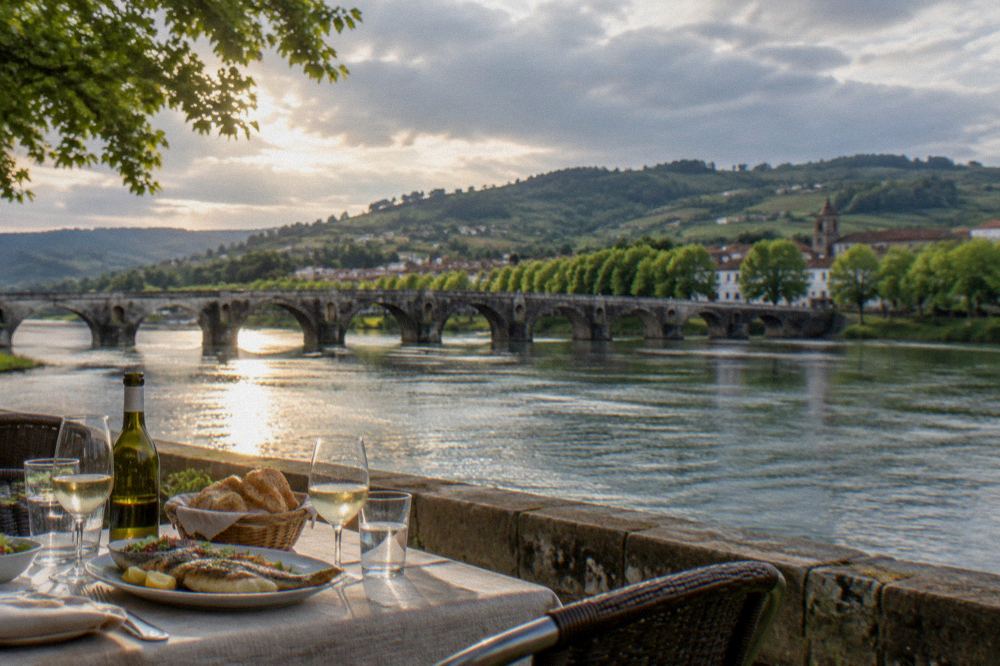
Choose where you eat by sight and season. The squares one street back from the riverfront hold the restaurants where locals eat, and the menus posted at the door tell you the day's dishes. On the riverfront itself, the cafes are pleasant and the prices reflect the view; use them for a mid-morning coffee or an afternoon pastry rather than the main meal. Tipping follows the national custom: Turismo de Portugal states that service is included in the bill in restaurants, though it is customary to leave an additional tip of about 5 to 10 per cent of the total.
Dessert is part of the visit. Northern Portugal's sweet repertoire travels well, and the town's pastry shops sell the region's standards alongside local specialities. If you want the full Braga comparison, the Braga restaurants guide and the pages on frigideiras and Braga pastries and Pudim Abade de Priscos describe the desserts that dominate an hour east of here.
What Does A Ponte De Lima Day Trip Cost?
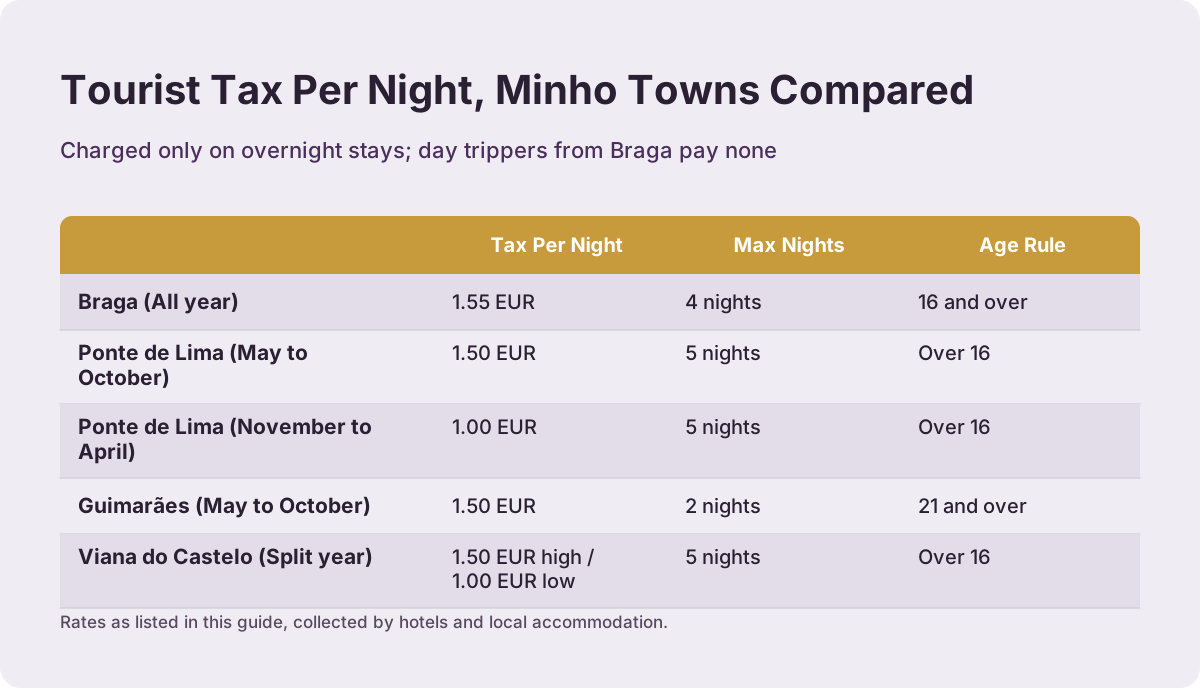
Budget roughly 15 to 40 EUR per person for a day trip from Braga: the regional bus fare each way, a midday restaurant meal at 12 to 20 EUR, coffee and a pastry, and a small admission if you add a museum. Overnight visitors pay the Ponte de Lima tourist tax of 1.50 EUR per person per night in the May to October season, or 1 EUR from November to April, for up to five nights.
The tourist tax comparison is worth knowing because it changes across the region. Braga charges 1.55 EUR per person per night all year, for up to four nights, while Ponte de Lima charges less and caps at five. Day trippers pay none of these, since the tax is levied on overnight stays by hotels and local accommodation, but anyone extending the trip into an overnight in the Lima valley should expect it on the bill.
| Town | Tourist Tax Per Night | Maximum Nights | Age Rule | Season |
|---|---|---|---|---|
| Braga | 1.55 EUR | 4 nights | 16 and over | All year |
| Ponte de Lima | 1.50 EUR high season | 5 nights | Over 16 | May to October |
| Ponte de Lima | 1.00 EUR low season | 5 nights | Over 16 | November to April |
| Guimarães | 1.50 EUR | 2 nights | 21 and over | May to October |
| Viana do Castelo | 1.50 EUR high / 1.00 EUR low | 5 nights | Over 16 | Split year |
Meals are the main controllable cost. A lunchtime menu in a backstreet restaurant runs well below what the same meal costs on the riverfront terrace, and the quality is usually better. Coffee prices in northern Portuguese towns are among the lowest in western Europe, and a pastry stops the afternoon without denting the budget. There is no city card or attraction pass on sale in Braga, and none exists in Ponte de Lima either; buy each ticket separately, and note that most of what the town offers, the bridge, the promenade, the gardens, costs nothing at all. For the Braga end of the budget, the is Braga Portugal expensive answer breaks down city costs.
What Should You Know Before You Go?
Check three things before a Ponte de Lima day trip: the current AITC line 105 timetable, since regional schedules are reissued through the year; the weather, because the western Minho is one of Portugal's wettest corners in winter; and the season, because the riverside gardens and river beaches are warm-weather attractions and the town is quieter and damper from November to March.
On weather, use the Braga area figures as the planning baseline, because the verified climate series this site publishes is the IPMA 1991 to 2020 normals for the Braga / Merelim station, and the Lima valley runs similarly wet. Those normals show October as the wettest month on average at 197.8 mm of rain, with December at 190.3 mm and January at 179.5 mm, and 12 to 13 rain days a month from October to January. July is the driest at 27.9 mm, and the warmest months, July and August, average 28.2 and 28.7 degrees Celsius at the top end. May, June and September split the difference, and September is warmer at the top end than June, 26.9 against 26.1 degrees Celsius mean maximum, with more rain, 67.6 mm against 40.6 mm.
| Month | Mean Max (C) | Mean Min (C) | Rain (Mm) | Rain Days 1 Mm+ |
|---|---|---|---|---|
| March | 17.8 | 5.9 | 150.1 | 11.8 |
| May | 23.0 | 10.4 | 89.8 | 8.9 |
| June | 26.1 | 13.2 | 40.6 | 5.7 |
| July | 28.2 | 14.3 | 27.9 | 4.0 |
| September | 26.9 | 12.4 | 67.6 | 6.2 |
| October | 22.2 | 10.1 | 197.8 | 12.0 |
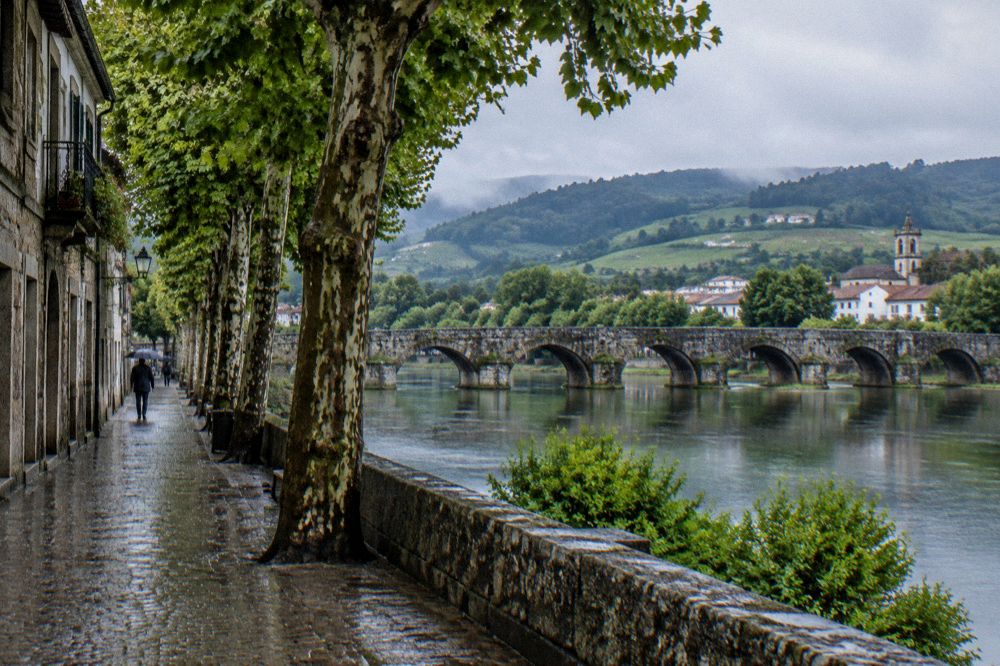
Practicalities are simple. Wear shoes that handle cobbles and riverbank gravel. Carry cash for small cafes, though card payment is near-universal in Portugal now. If you are travelling in the pilgrim season, expect walkers on the promenade and albergue queues early and late. And if the day turns wet, the town still works: the cafes, the churches and the covered arcades make a passable rainy-day itinerary, though the site's dedicated Braga on a rainy day guide shows what the city itself offers when the rain sets in.
Can You Combine Ponte De Lima With Other Minho Towns?
Yes, and the pairings are the best way to use the day. Ponte de Lima combines naturally with Viana do Castelo on the coast, with Arcos de Valdevez and Ponte da Barca in the Peneda hills, and with Barcelos to the south. Two towns in one day is realistic by car, and possible by bus with careful attention to the last departure home.
The geography makes the pairings obvious. Ponte de Lima sits in the middle of the western Minho's triangle of river valleys: the Lima itself running inland, the coast at Viana do Castelo and Caminha, and the hill country towards Arcos de Valdevez. Each pairing changes the character of the day. Viana do Castelo adds the ocean, a hilltop sanctuary above the town and a handsome city centre. Arcos de Valdevez and Ponte da Barca add the Peneda mountains and river beaches. Barcelos adds the market tradition and the ceramics the region is known for.
For a longer loop, the Guimarães day trip sits on the eastern side of Braga and makes a separate day, as does the Peneda-Gerês National Park excursion, reached on AITC lines 200 and 201. Travellers with a week can work through the whole set: the Minho region guide is the umbrella page, and the northern Portugal itinerary sequences everything from Braga outwards. Santiago de Compostela and Vigo are the cross-border extensions, covered in the Santiago de Compostela day trip guide.
Which Braga Tours Fit Around A Ponte De Lima Day Trip?
The best fit is a short Braga city tour on the day you travel: the tuk tuk city tour, which runs from 30 minutes to 2 hours, slots into a morning or evening around the bus timetable, while the walking tours suit the day before or the day after. A day trip out and a guided tour in the city balance each other well in a two or three day Braga stay.
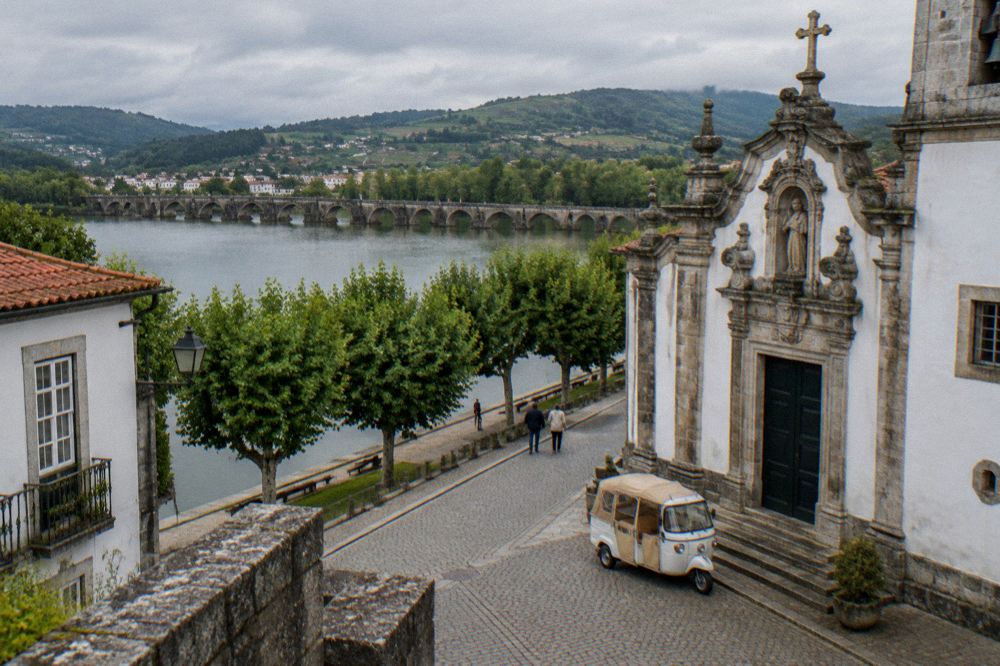
The tuk tuk tour is the natural companion because it costs the least time. It covers Braga's historic centre from Avenida da Liberdade to the Sé and the garden squares, and a short version fits between breakfast and the bus.
The walking option suits a slower pace. The Braga: Personal & Flexible Walking Tour in Historic Center runs about 3 hours from 11.33 USD per person and lets the group shape the route, which works well the day before a day trip, when you are still deciding what to see more of. Read more in the Braga walking tours guide.
For the compact version, the Explore the Portuguese Rome, the City of Braga walk covers the centre in about 1.5 hours from 35.35 USD per person, leaving a full afternoon free. Pair either with a look at the Braga viewpoints and photo spots guide to plan your own route on the day.
Common Questions About A Ponte De Lima Day Trip
How do I get from Braga to Ponte de Lima?
Take the AITC regional bus line 105 from Braga bus station. There is no train between the two towns. Download the current line 105 timetable from the AITC site before travelling, and check the last return departure of the day.
Is Ponte de Lima worth a day trip from Braga?
Yes, for most visitors. The town offers a medieval bridge, riverside gardens and a compact historic centre, a different experience from Braga's churches, and it pairs well with Viana do Castelo or Arcos de Valdevez on the same day.
How many hours do I need in Ponte de Lima?
Five to seven hours covers the bridge, both riverbank walks, the gardens, lunch and the historic centre. Three to four hours is enough if you are pairing the town with a second destination.
Does Ponte de Lima have a tourist tax?
Yes, for overnight stays: 1.50 EUR per person per night from May to October and 1.00 EUR from November to April, for up to five consecutive nights, applied to guests over 16. Day trippers do not pay it.
What is Ponte de Lima known for?
The town is known for its medieval stone bridge over the Lima river, its plane-tree promenades and riverside gardens, and its position on the Portuguese Way to Santiago.
Can I visit Ponte de Lima and Viana do Castelo in one day?
Yes, with a car it is a straightforward pairing, and by bus it is possible if you check the timetables for both legs first. Give each town three to four hours.
A Ponte de Lima day trip is the western Minho at its easiest: one bus line out of Braga, a river, a bridge and a town built for walking, with the whole thing back inside a single day. Plan it with the current line 105 timetable, pick a dry month if the gardens matter to you, and use the evening back in Braga for a tuk tuk loop of the historic centre.