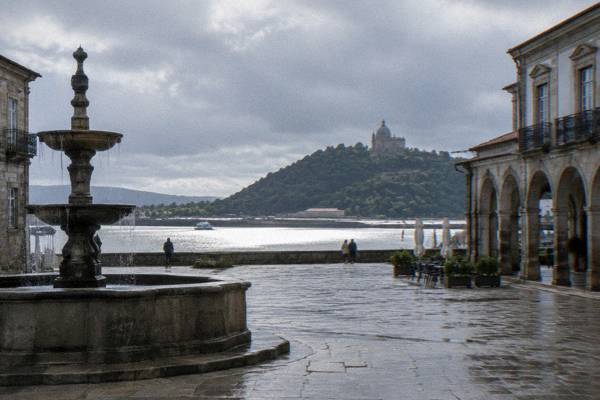
What To Do Near Ponte De Lima?
What to do near Ponte de Lima on a day out from Braga, Portugal: riverside walks, the Roman bridge, Citânia de Briteiros, Arcos de Valdevez and the Lima valley, with verified bus lines and planning advice.
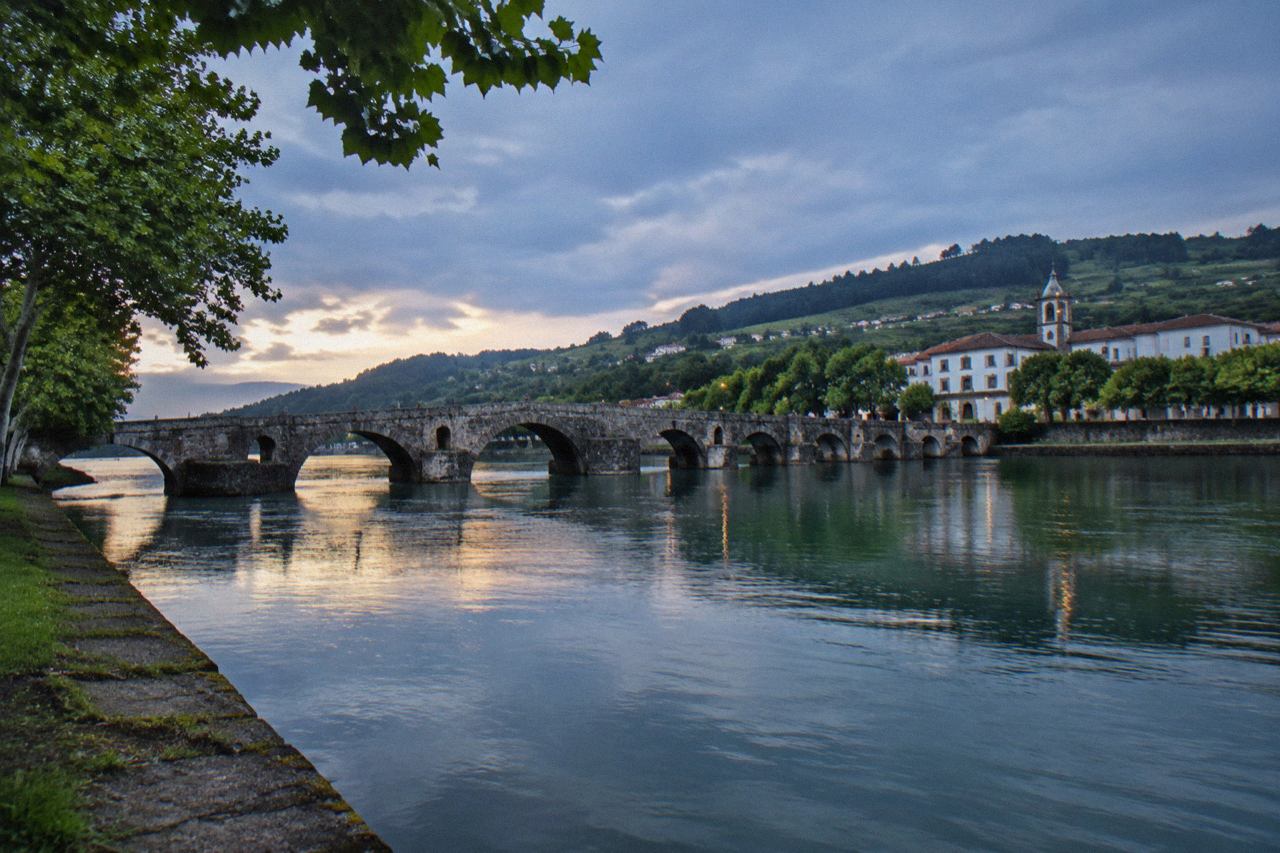
Ponte de Lima is a small riverside town in the Minho region of northern Portugal, roughly an hour west of Braga by road, and the country around it is one of the quietest and greenest corners a Braga visitor can reach in a day. The Lima river gives the town its name and its shape: a long medieval and Roman bridge crosses the water at the centre, flanked by riverside parkland, and the valley climbs on both sides towards the hills of the Peneda-Gerês massif to the north and the coastal plateau towards Viana do Castelo to the west. The municipality publishes its own tourism material, and the Braga-based writer of this guide treats the town the way most Braga visitors do, as the anchor for a loop that can also take in Citânia de Briteiros, Arcos de Valdevez and the Lima valley villages.
What To Do Near Ponte De Lima?
The core of a day near Ponte de Lima is the town itself: the Roman and medieval bridge over the Lima river, the riverside walking and cycling paths on both banks, the historic centre's arcaded square, and the gardens that have made the town a fixture of Portugal's garden-festival circuit. Around it, Citânia de Briteiros, the Arcos de Valdevez valley and the northern foothills of Peneda-Gerês fill out a full day's loop from Braga.
Ponte de Lima is known above all for its bridge. The surviving arches include Roman stonework, and the crossing gave the town both its name and its reason for existing: for centuries this was the main road crossing of the Lima river between Braga and the coast. The town's tourism identity today is built on three things, the bridge and riverside, a historic centre of granite townhouses and arcades, and an international garden festival that has planted a series of permanent show gardens along the riverbank.
The area "near" Ponte de Lima deserves as much planning as the town. To the east, on the road from Braga, the hillfort of Citânia de Briteiros sits above the Ave valley, one of the largest excavated Iron Age settlements in northern Portugal. To the north, the valley of the Vez river at Arcos de Valdevez is the gateway to the southern edge of Peneda-Gerês National Park. To the west, Viana do Castelo and the Atlantic coast close the loop. A realistic day trip from Braga covers the town plus one of these, not all three.
How Do You Get From Braga To Ponte De Lima?
The verified public transport link is AITC bus line 105, which runs from Braga's central bus station to Ponte de Lima. Regional bus fares and journey times for this route are not published in a form this site can verify, so check the AITC timetable PDFs before you travel. By car, the route follows the A11 and national roads west through the Lima valley, and Ponte de Lima has town-centre parking.
The regional network around Braga is run by the Autoridade Intermunicipal de Transportes do Cávado (AITC), and its timetable pages list line 105 as the Braga to Ponte de Lima service, with line 100 continuing from Braga through Vila Verde towards Arcos de Valdevez. The timetables are published as PDFs per line and several were re-issued during 2026, so the departure pattern you read in a blog may be a year out of date. Print or save the current PDF before you go, and note that the first and last services of the day matter more here than on a city route: miss the last bus and the return is a taxi ride of unverified cost.
Driving is the flexible option. Ponte de Lima is a conventional small Portuguese town for parking, with surface car parks within a short walk of the bridge, and the roads between Braga, Ponte de Lima and Arcos de Valdevez are the kind of winding two-lane national roads that make the journey part of the day rather than a transfer. If you are basing yourself in Braga without a car and want the valley in one effortless motion, a guided day out is the alternative, and the pairing that suits most first-time visitors is a Braga city experience in the morning and a tuk tuk orientation of the historic centre, with the Lima valley saved for a separate day. The Braga: Tuk Tuk City Tour covers the centre in thirty minutes to two hours depending on the option, and there is a good argument for doing it on your first afternoon so the rest of the trip has a mental map attached. Check availability
Fancy the freedom to loop the valley at your own pace? Book a rental car here.
For the Ponte de Lima day itself, the site's dedicated Ponte de Lima day trip guide carries the detail, and the answer on whether Ponte de Lima is worth visiting is the honest short version: yes, for a slow day, and no if you want density of sights.
What Can You Do In Ponte De Lima Itself?
The town's day can be built on four things: walk the bridge and both riverbanks, sit in the main square with its cafés and arcades, visit the gardens and the museum spaces the town runs along the river, and eat. The Lima river is swum, paddled and fished in summer, and the riverside paths are flat enough for anyone.
Start at the bridge. The structure you cross today is mostly medieval on Roman foundations, and the view up and down the river from the middle arches is the shot most visitors take home. On the far bank the riverside park stretches along the water, and the town's garden-festival legacy means the planting is genuinely good rather than municipal filler. The historic centre is small and dense: the Praça de Camões with its arcaded houses, the parish church, and a web of granite streets that takes an hour at walking pace.
Eating is the other half of the visit. Ponte de Lima sits in one of Portugal's most agricultural districts, and the town's restaurant tradition leans on river fish, Minho-style pork and the young green wines of the region. Suckling pig and arroz de sarrabulho are the local signatures, and the vinho verde served with them comes from the Lima valley's own sub-region, which produces some of the lightest and most acidic examples in Portugal. The vinho verde guide on this site explains the style if the category is new to you.
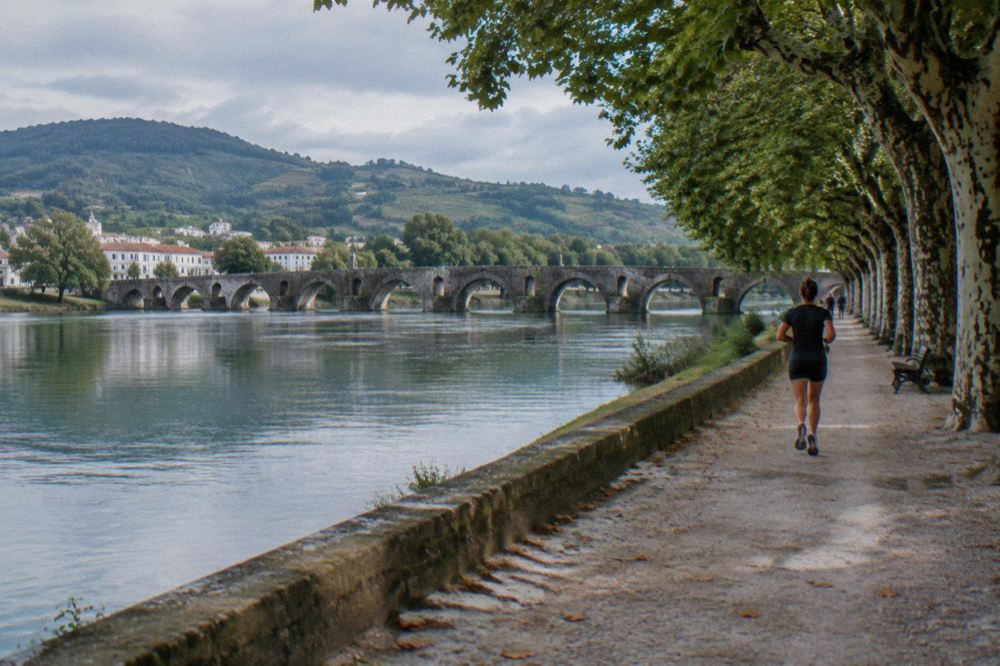
If you are walking rather than eating, the river paths run for kilometres in both directions, and the waymarked legs of the long-distance Caminho de Português coastal route pass through the town on their way south, a detail covered in this site's guide to the Camino from Braga.
What Is Worth Stopping For Between Braga And Ponte De Lima?
The one verified stop on the eastern side of the loop is Citânia de Briteiros, the excavated Iron Age hillfort above the Ave valley, which costs about 5 EUR (2.50 EUR reduced) and includes the Museu da Cultura Castreja. It opens daily 09:30 to 12:30 and 14:00 to 18:00 from late March to October, and Tuesday to Sunday in winter. Beyond it, the route crosses ordinary Minho farmland worth watching from the window rather than stopping for.
Citânia de Briteiros is the region's best answer to "what did this landscape look like before the Romans", because the answer is visible: circular stone house foundations, paved streets, defensive walls, all laid out on a hilltop with a long view down the valley. The site is managed by the Sociedade Martins Sarmento, and the admission includes the small museum in the nearby village of Briteiros, which holds the finds from the excavation. The summer hours run from 27 March to 31 October, daily, and the winter schedule from 1 November to 26 March drops Mondays. Last entry is half an hour before closing. The full index of guides sits on Braga Travel Guide.
| Stop | What it is | Admission | Hours |
|---|---|---|---|
| Citânia de Briteiros | Iron Age hillfort with paved streets and house foundations, plus the Museu da Cultura Castreja | About 5 EUR, 2.50 EUR reduced | Late Mar to 31 Oct daily 09:30 to 12:30 and 14:00 to 18:00; winter Tue to Sun 09:30 to 12:30 and 14:00 to 17:00 |
| Ponte de Lima bridge and riverbanks | Roman-founded bridge and riverside parkland | Free to walk | Open at all times |
| Ponte de Lima gardens | Town-centre and riverside gardens from the international garden festival circuit | Check on the day, some spaces charge | Daylight hours |
The rest of the drive is working countryside. The A11 between Braga and the Lima valley passes through the Ave valley's small towns, and the surface roads after it are lined with vineyards on granite pergolas, maize fields and the occasional chapel on a hill. None of it needs a stop, all of it rewards a slow driver.
Can You Combine Ponte De Lima With Arcos De Valdevez Or The Gerês Foothills?
Yes, and the combination is the best use of a full day. Arcos de Valdevez sits on the Vez river north of Ponte de Lima and is the gateway to the southern edge of Peneda-Gerês National Park, with the village of Soajo and its espigueiros, stone granary stacks on pillars, within reach on the same road. AITC line 100 links Braga towards Arcos de Valdevez, and by car the two towns are close enough for one loop.
The Vez valley is the quieter half of the Minho. Arcos de Valdevez is a small town on a river beach, and upstream the valley climbs into the national park's southern flank. Soajo and Lindoso are the two villages most visitors aim at, both for their clusters of espigueiros, the granite granaries raised on stilted stones against rodents, and both for the walking that starts at their doors. Summer access to the Mata de Albergaria section of the park further north is limited and charged, a rule that has held from 2025 into 2026, but the southern valleys around Soajo are not subject to it and can be reached freely.
| Valley stop | What it offers | Best for |
|---|---|---|
| Arcos de Valdevez | River beach, small historic centre, gateway to the Vez valley | Lunch and a swim stop |
| Soajo | Espigueiro granary cluster and village walks | Photography and short hikes |
| Lindoso | Castle, granaries and park-edge trails | A half-day of walking |
| Ponta da Barca | Lima river town with riverside walks | A second coffee stop on the loop |
This site's Arcos de Valdevez and Ponta da Barca day trip guide carries the detail for that leg, and the Citânia de Briteiros guide covers the eastern stop. If the whole thing is more than one day's appetite, the honest cut is Ponte de Lima plus either Briteiros on the way out or Arcos on the way back, never both.
When Is The Best Time Of Year For The Lima Valley?
Late spring through early autumn is the workable window, with July the driest month on record at the Braga climate station and October the wettest. The valley's river beaches and swimming spots need summer water levels, the hillfort and the villages are at their best in the long light of May and June, and the autumn rain that makes the Minho so green arrives properly in October.
The IPMA's 1991 to 2020 normals for the Braga / Merelim station, the closest long series to the Lima valley, put July at 27.9 mm of rain and October at 197.8 mm, with December and January almost as wet as October. Days of rain of 1 mm or more run 12 to 13 a month from October to January. That is the pattern the valley is built for: everything green and growing is green because of those months, and everything visitors come for, the river, the gardens, the walking, belongs to the dry half of the year. The town itself is a fair-weather place, and the gardens and river paths lose most of their appeal in a downpour.
Common Questions About Ponte De Lima
What to do near Ponte de Lima?
Walk the Roman and medieval bridge and both riverbanks, visit the garden-festival gardens along the river, eat in the arcaded centre, and fill the rest of the day with Citânia de Briteiros on the way from Braga or the Vez valley at Arcos de Valdevez on the northern loop.
How do you get from Braga to Ponte de Lima without a car?
AITC bus line 105 runs from Braga's central bus station to Ponte de Lima. The fares and journey times are not published in a verifiable form, so download the current AITC timetable PDF and check the last return departure before you commit to the day.
Is Ponte de Lima worth a day trip from Braga?
Yes, as a slow day. The town is small and its pleasures are riverside ones: the bridge, the gardens, the square and a long lunch. Visitors who want a dense list of monuments are better served by Braga's own historic centre, and this site's answer on whether Ponte de Lima is worth visiting sets out the trade.
Can you visit Ponte de Lima and Peneda-Gerês in one day?
Not the deep park. You can combine Ponte de Lima with the southern edge of the Peneda-Gerês massif, the Vez valley, Soajo and Lindoso, in one loop, but the park's northern and central sections deserve a day of their own and are covered in this site's Peneda-Gerês National Park guide.
What is the wettest month in the Lima valley?
By the closest long climate series, the IPMA 1991 to 2020 normals for Braga / Merelim, October is the wettest month on average at 197.8 mm, with December and January close behind, and July the driest at 27.9 mm.
A day near Ponte de Lima is a day of rivers, bridges and green valleys, and it is the easiest reminder that Braga's own sights, the Sé de Braga, the Bom Jesus stairway and the historic centre, are only half of what the Minho region holds.