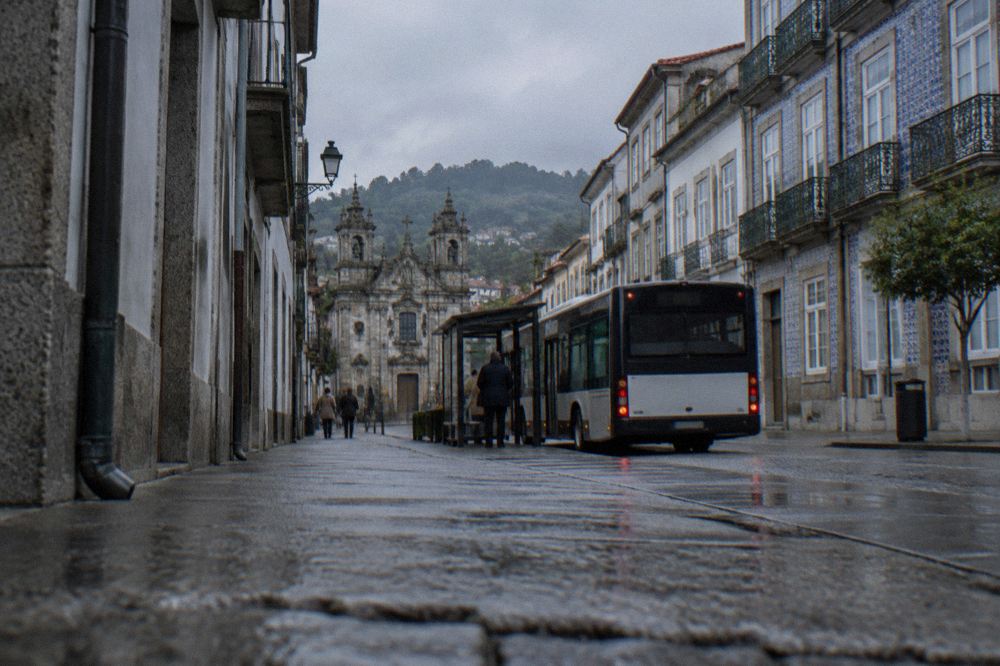
Valença And Monção From Braga: A Minho River Day Trip
Valença and Monção are the two great fortress towns of the upper Minho River, the stretch of water that forms the border between Portugal and Spain, and both sit within reach of Braga for a full day out. Valença brings the double-rampart citadel and the pilgrim bridge toward Spain; Monção brings the Alvarinho wine country and a spa-town calm. This guide sets out what each town is, what it is known for, and how to plan the day.
Short answer
Valença and Monção are two fortified river towns in the far north of the Minho region, upstream from Braga along the Portuguese-Spanish border. Valença is known for its double-walled hilltop fortress facing Tui in Spain; Monção for the Alvarinho grape at the heart of its Vinho Verde and for its thermal springs. Neither is served by a useful train from Braga, so the day trip runs by road.
Braga, the city in Portugal's Minho region, makes a natural base for exploring the towns along the Minho River, the waterway that separates northern Portugal from Galicia in Spain. Two of those towns reward a day trip more than most: Valença, the double-walled fortress that has guarded the river crossing for centuries, and Monção, the spa and wine town at the heart of the Alvarinho country. Both sit in the far north of the region, both face Spanish towns across the water, and both are small enough to enjoy at walking pace. This guide from Braga Travel Guide covers what each place is, what it is known for, and how to plan the journey from Braga.
Why Visit Valença And Monção On A Day Trip From Braga?
Valença and Monção together give you the two faces of the upper Minho in one day: Valença is the military face, a star-shaped hilltop fortress whose double ramparts still enclose a living town, and Monção is the softer face, a thermal spa wrapped in the vineyards that produce Alvarinho, the most prized grape of the Vinho Verde region. Both look across the Minho River at Spain, and both belong to the same river landscape that defines the far north of Portugal.
The Minho River is the reason both towns exist. It is the border, and border towns grow thick skins. Valença's fortress, raised in layers over the centuries on a hill above the crossing point, is one of the great pieces of military architecture in northern Portugal, and its walls now hold cafés, craft shops and residents' laundry lines rather than garrisons. Monção, further upstream, grew around hot springs and around wine, and its center still carries the air of a place people came to take the waters.
For a visitor based in Braga, the appeal is variety without exhaustion. The drive north from Braga crosses the green agricultural Minho, one of the wettest and most fertile corners of the country, and the two towns are close enough to each other that a single day can hold both. You do not need tickets, timed entries or reservations for the essentials. The fortress is a public space, the river is free, and the wine estates of the Alvarinho country operate as working farms with tasting rooms.
It is also a day trip with a frontier flavour no other excursion from Braga offers. From the walls of Valença you look directly at Tui in Spain, its cathedral tower across the water, and from Monção's riverside you can see Salvaterra de Miño. Standing in one country while reading the church towers of another is the signature memory of this stretch of the border.
If your time in the Minho is short and you would rather have a driver and a guide handle the logistics, the private Cultural Route Braga And Guimarães tour is the site's featured option: it is a full-day private tour with lunch and entry tickets included, rated 4.9 from 88 reviews, starting from Porto rather than Braga, so it suits the start or end of a wider northern Portugal trip. Check availability.
What Is Valença Portugal Known For?
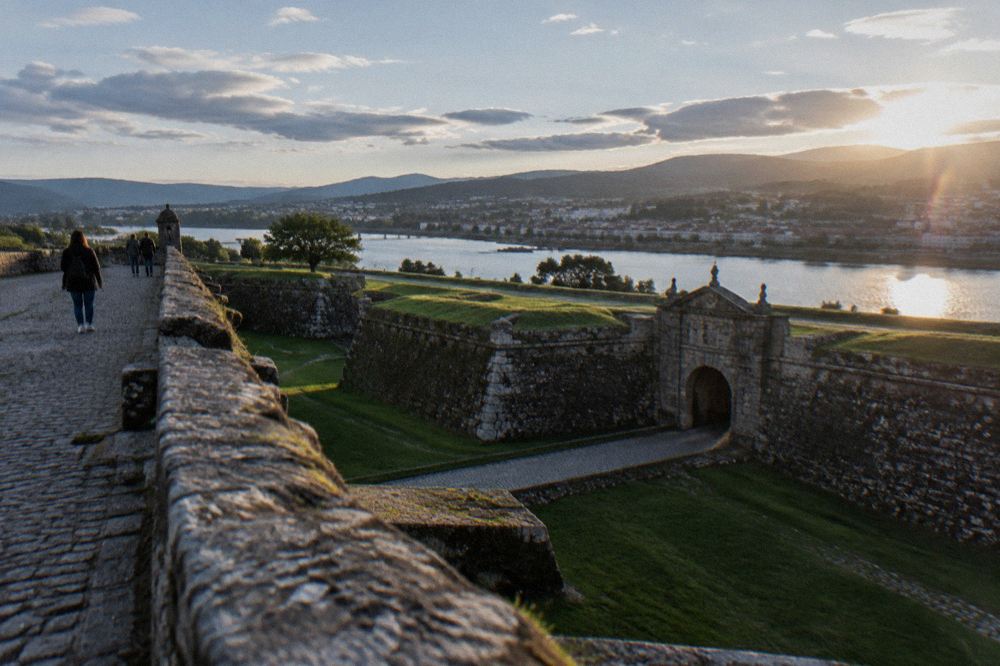
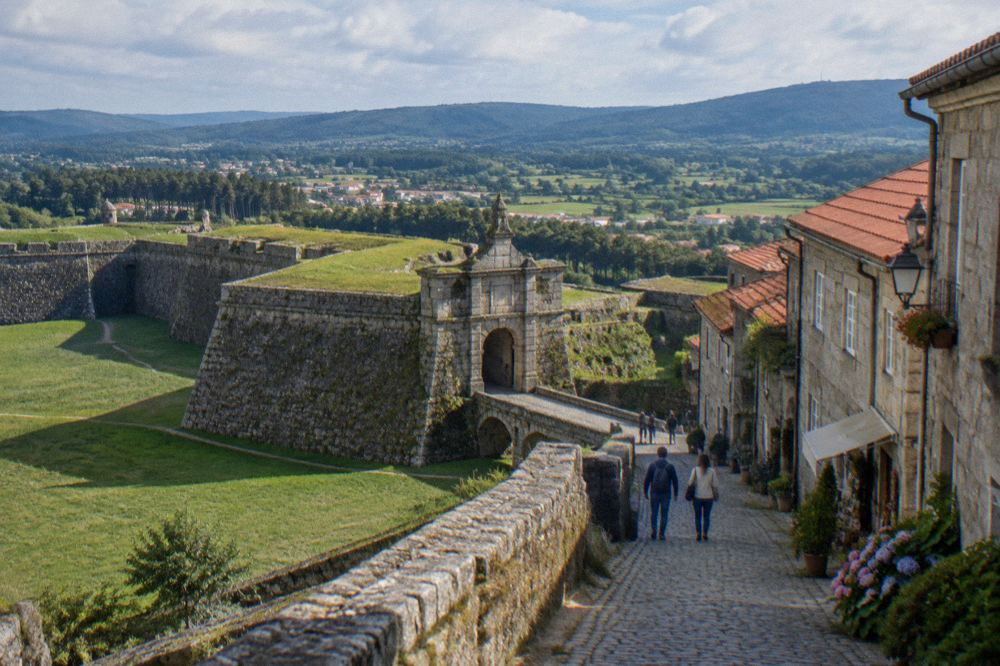
Valença is known for one of the largest and best-preserved hilltop fortresses in Portugal, a double ring of star-shaped ramparts built above the Minho River crossing, and for being the Portuguese gateway of the Caminho Português, the Portuguese route of the pilgrimage to Santiago de Compostela, whose walkers cross the old iron bridge to Tui in Spain on the final stage of their journey.
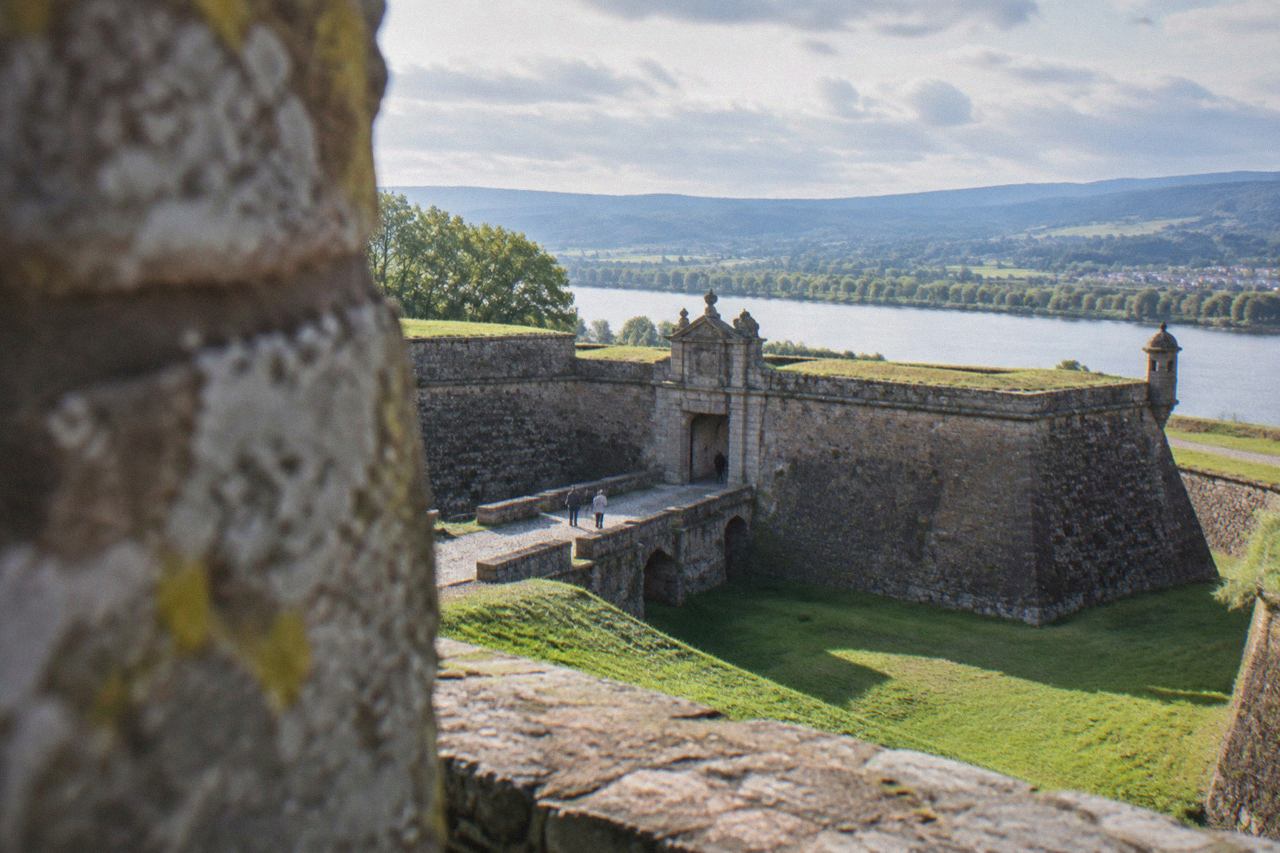
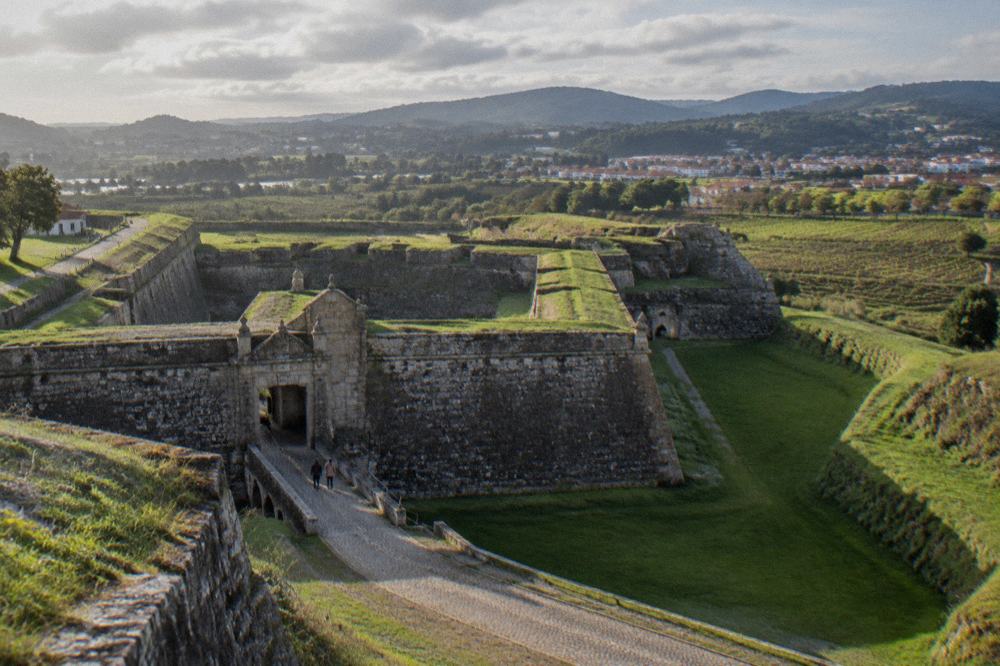
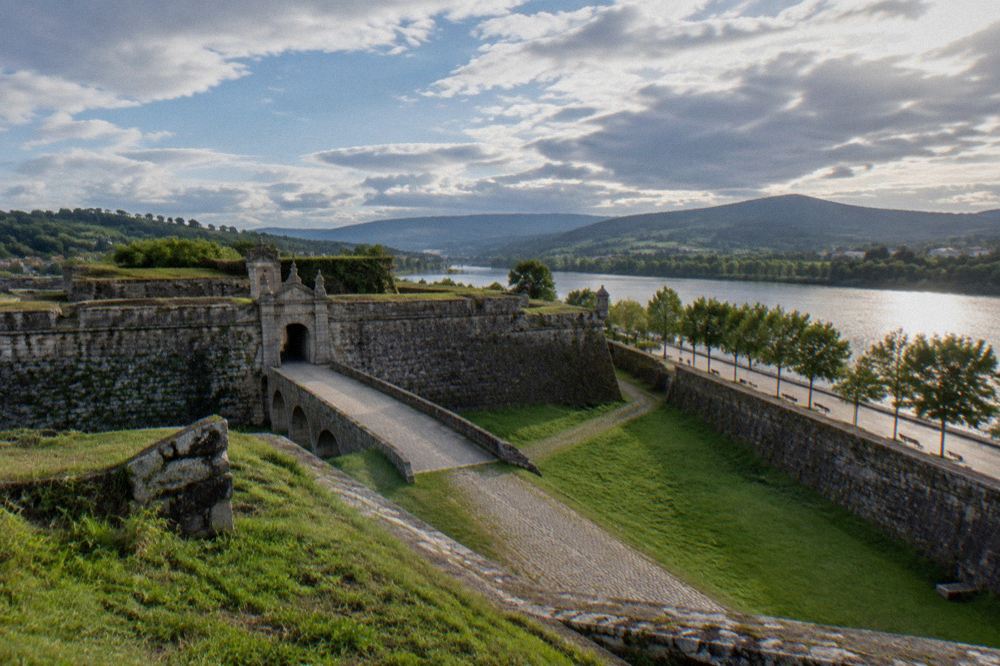
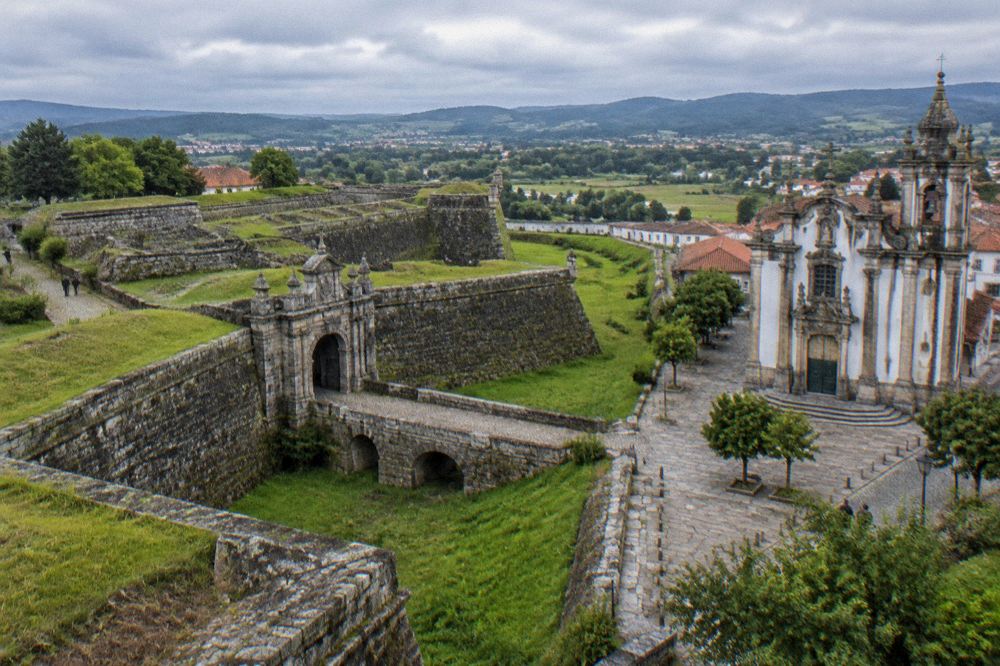
The fortress is the town. Two concentric belts of walls, bastions and gates enclose the hill, and the whole ensemble was shaped over centuries into the star form that cannon-era engineers demanded. Inside, the streets are cobbled and steep, the houses are granite, and life continues at a pace that has nothing to do with the military geometry above it. You can walk large parts of the ramparts, and the views over the river, the bridge and the Spanish bank are the reason most visitors come.
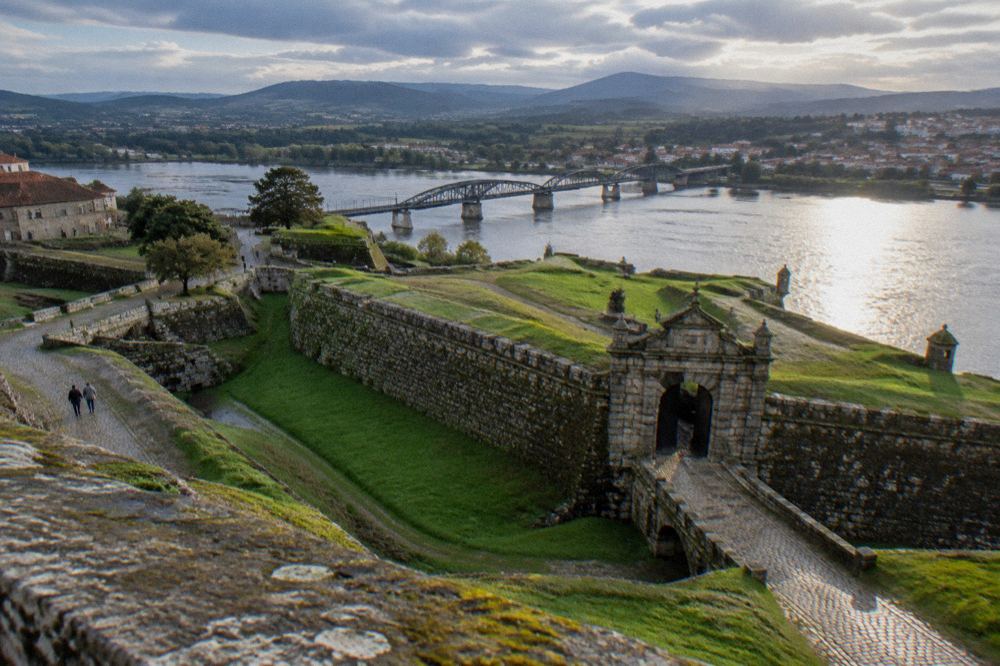
The bridge below is the second signature. The old road bridge across the Minho, an iron structure, carries both traffic and pilgrims between Valença and Tui, and the pair of towns reads as one divided community. Pilgrims on the Portuguese Way to Santiago have crossed here for centuries; today they pass craft stalls and cafés as they descend to the water.
Valença also carries a craft tradition typical of the Minho: linen work and embroidery, sold from small shops inside the walls. The town's position on a national road corridor toward Spain made it a shopping stop for cross-border visitors, and that commercial history shows in the density of small shops along the fortress streets.
For a day visitor, the practical shape of a Valença visit is simple: park or arrive below, climb into the fortress, walk the walls, wander the interior streets, and give the river bank and bridge a final half hour. Nothing in that list needs a ticket.
What Is Monção Known For Beyond The Alvarinho Wine?
Monção is known as the home of Alvarinho, the most celebrated grape of the Vinho Verde region, grown in the warm, rain-fed valleys around the town, and as a historic thermal spa town whose hot springs made it a destination for rest cures; it also holds a compact medieval core and a riverside position facing Salvaterra de Miño in Spain across the Minho River.
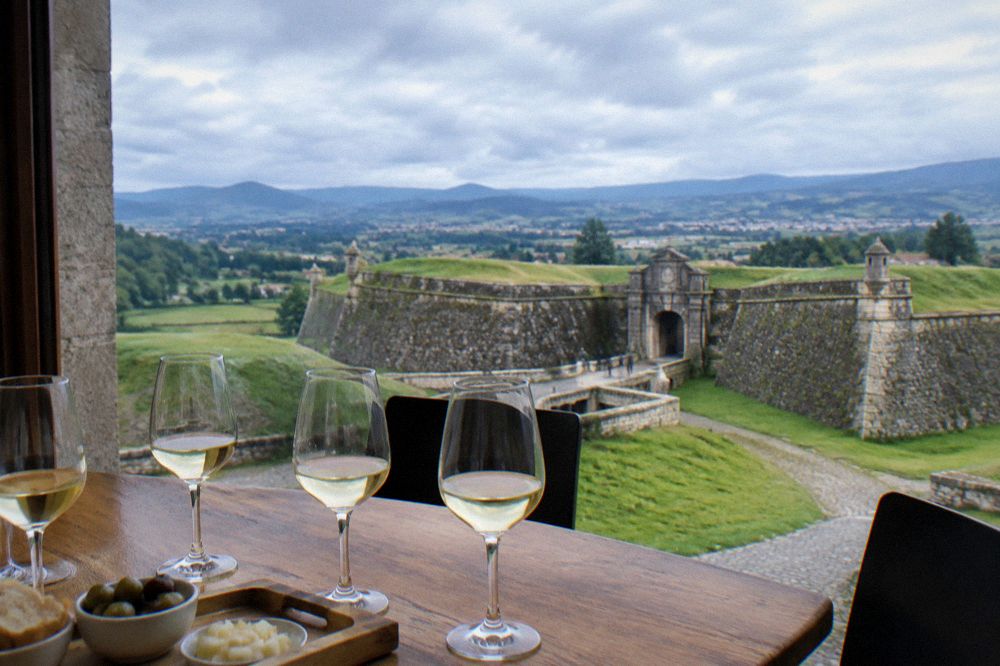
Start with the wine, because the town's identity starts there. Vinho Verde, the light, fresh wine of the Minho, comes in several regional styles, and the Monção area produces the fullest and most aromatic of them from the Alvarinho grape. The vineyards climb the valley slopes around the town, and many estates are small family operations that receive visitors for tastings. The wine is dry, fruit-forward and slightly fuller than the Vinho Verde made further south, and locals will tell you the valley's particular climate, sheltered and warmer than the coast, is what sets it apart. More on the wider wine region is in the site's Vinho Verde guide.
The thermal tradition is the second pillar. Monção is one of Portugal's spa towns, built around hot mineral springs, and the spa heritage shaped the town's architecture and its rhythm: promenades, gardens, hotels and a calm that survives the decline of the grand rest-cure era. You feel it in the parks and the riverside walks more than in any single monument.
The medieval core supplies the third layer. Monção keeps its fortress church, its walls in fragments, and a main square with the ordinary dignity of a Portuguese country town. The river, as at Valença, is constant: the Spanish bank is close enough to read, and the border crossing at the bridge is a local errand rather than an event.
How Do You Get From Braga To Valença And Monção?
There is no train from Braga to either town: Braga's railway runs south toward Porto, and the upper Minho is served by road. The practical options are a long-distance coach from Braga's bus station, with schedules to be checked on the day of travel, or a car, which is the most flexible choice for a two-town day and the only realistic way to visit wine estates around Monção.
Driving is the honest recommendation here. The route north from Braga follows the Minho's river valleys, and a car lets you set the order of the day, stop at a viewpoint or a bakery, and reach the Alvarinho estates outside Monção, which no town-center visit covers. Braga has rental agencies, covered in the site's car rental guide, and parking in both towns is far easier than in Braga's historic center.
Happy to set your own pace through the river valleys. Book a rental car here.
By public transport, the answer is a long-distance coach. Braga's Central de Camionagem, the city's bus station, is the hub for regional and national services, and long-distance operators run routes through the Minho's northern towns. Timetables for these upper-Minho services are not something to plan from memory or from a blog: check the operators' current schedules before committing, because frequencies on border-corridor routes change with the season and the day of the week. The regional AITC network, whose line numbers are verified for destinations like Guimarães (line 101) and Ponte de Lima (line 105), does not list a Valença or Monção line among the confirmed routes, so the long-distance coaches are the public-transport answer.
A third shape for the day is to fold the trip into a wider northern itinerary. Some visitors combine the upper Minho with a night in Viana do Castelo or on the coast, which turns a rushed outing into a relaxed loop; the site's Viana do Castelo day trip guide and Caminha guide cover the coastal leg.
| Option | Best For | What To Check Before You Go |
|---|---|---|
| Own or rental car | The full two-town day, wine estates, flexible timing | Parking near the fortress gates; fuel for a full northern loop |
| Long-distance coach from Braga bus station | Travellers without a car, single-town visits | Current timetables and last return times, on the operator's own site |
| Private tour or driver | Comfort, commentary, no navigation stress | Whether the itinerary includes the upper Minho or only Braga and Guimarães |
| Combine with an overnight stop | Slow travel, coastal add-ons | Hotel locations in Viana do Castelo or Caminha |
What Should You See Inside The Valença Fortress?
The essentials inside Valença's walls are the two concentric rampart belts with their bastions and gates, the walkable stretches of wall above the river, the cobbled interior streets of the old town, the main church within the fortress, and the descent to the old iron bridge and the river bank, from which the crossing to Tui in Spain and the view back up at the walls complete the visit.
Enter through the formal gates and climb. The fortress is laid out as a hilltop citadel with an outer and an inner enclosure, and the transitions between them are the most interesting walks: you pass through tunnel-like gateways, along grassy slopes between the wall belts, and out onto bastion platforms where the river suddenly appears below. Give the ramparts a slow loop. The views run up and down the Minho, over the bridge, and across to Tui's cathedral close enough to pick out individual buildings.
Inside the inner town, the streets are a working neighborhood. Granite houses, washing lines, small grocery shops and the linen and embroidery stores that are the town's craft signature sit side by side. The main church inside the walls anchors the central square, and the squares around it hold most of the cafés, which matter on a day that will involve a fair amount of uphill walking.
Finish at the water. The road drops from the fortress to the river bank, where the old iron bridge crosses to Spain. Pilgrims on the Portuguese Way to Santiago pass this way toward Tui and then Compostela, and even if you are not walking the Camino yourself, the bridge is the spot where the geography of the day trip clicks into place: one river, two countries, one crossing. The site's Santiago de Compostela day trip guide covers the pilgrimage route further on.
| Stop Inside The Fortress | What It Is | Why It Matters |
|---|---|---|
| Outer rampart belt | The first, lower ring of walls and bastions | Sets the scale of the citadel before you climb higher |
| Gates between enclosures | Tunnel-like stone passages | The fortress at its most atmospheric, coolest in summer |
| Inner rampart walk | Walkable wall sections above the river | The signature views over the Minho and Tui |
| The cobbled interior streets | The living old town | Craft shops, granite houses, cafés |
| The main church and square | The fortress's religious and social center | Rest point, shade, coffee |
| The old iron bridge below | The river crossing below the walls | The pilgrim gate to Spain and the best photo angle on the walls |
How Much Time Do You Need In Each Town?
Valença rewards about two to three hours: a full loop of the ramparts, a wander of the interior streets, coffee, and the descent to the bridge. Monção rewards about the same, split between its medieval core and riverside gardens, unless you add a wine estate visit outside town, which typically adds an hour or more per estate. Together they make a comfortable full day from Braga, with the drive north and back consuming the rest.
The honest arithmetic of the day is that the towns are small. Valença's fortress can be walked end to end in twenty minutes without stopping, and Monção's center is a compact grid around its main square. What stretches the hours is the pace the places invite: rampart views, church interiors, market stalls, a long lunch. Rushing either town defeats the purpose.
The wine is the main variable. If Alvarinho is a reason for the trip rather than a bonus, plan the estate visits first and build the day around them, because tasting rooms have their own schedules and some small estates welcome visitors only at set times. Check each estate's current visiting arrangements before you drive out; nothing in this guide should be read as a confirmed tasting slot.
A reasonable shape, if you drive: leave Braga in the morning, reach Valença first while the light is still angled on the walls, spend the late morning in the fortress, eat lunch either inside the walls or by the river, drive to Monção for the afternoon, and give the last hour to the riverside before the return drive. Reversing the order works too, and in the heat of summer the fortress walls are kinder in the morning.
| Itinerary Shape | Valença | Monção | Best For |
|---|---|---|---|
| The classic two-town day | Morning, walls and bridge | Afternoon, town and riverside | First visit, drivers |
| Wine-first day | Late morning stop only | Estate visits plus town | Wine lovers |
| Fortress-first day | Full morning, unhurried | Short evening stroll | Photographers, pilgrims-in-spirit |
| Slow overnight version | Afternoon and evening | The following morning | Travellers pairing with Viana or Caminha |
When Is The Best Time Of Year For This Day Trip?
Late spring and early autumn are the best windows: May and June bring the vineyards into full leaf and the fortress walls into comfortable walking temperatures, and September brings the grape harvest season to the Alvarinho country along with warm, dry days. Midsummer works but is the busiest and warmest period, and winter is quiet, wet and green, with short daylight hours that cut the rampart walking short.
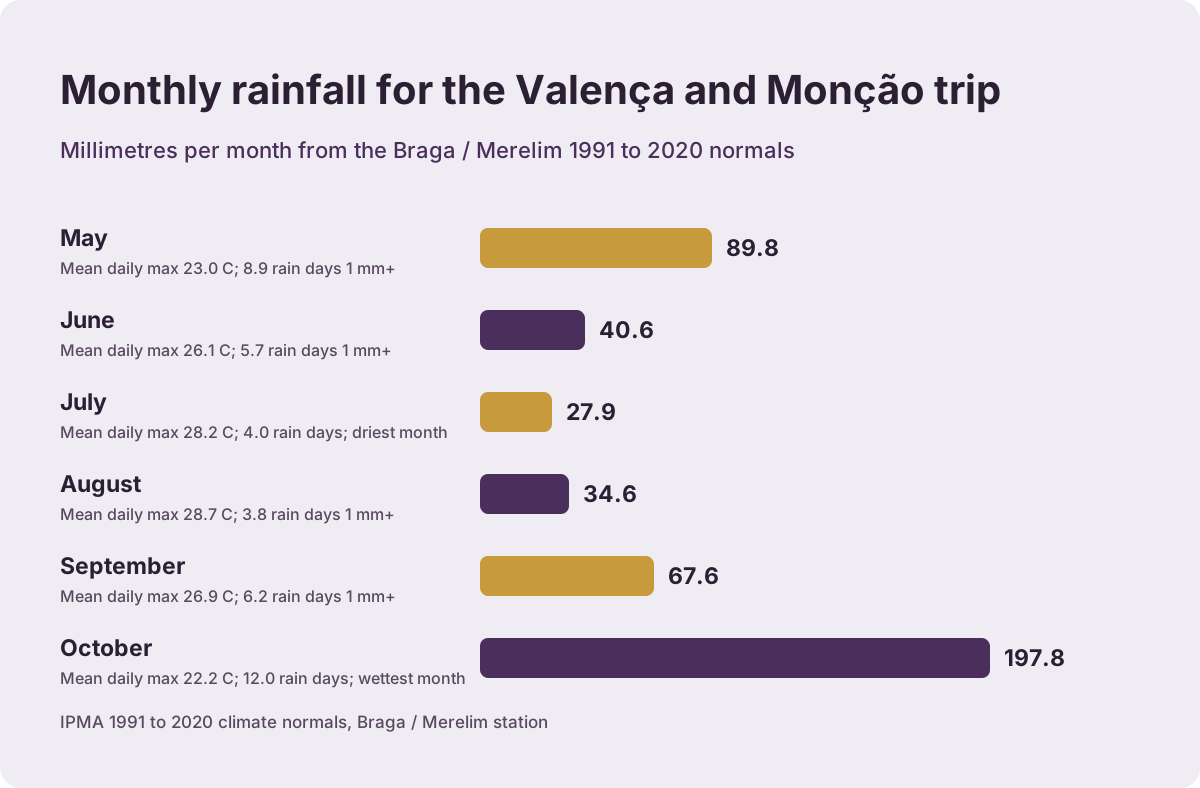
The nearest long-run verified climate series for the region, IPMA's 1991 to 2020 normals for the Braga / Merelim station, shows the pattern the whole Minho shares: a wet winter and a dry summer, with rain days of one millimetre or more running twelve to thirteen a month from October to January and falling to around four a month in July. The upper Minho, closer to the first hills, is not identical to Braga, but the seasonal rhythm is the same, and the series is the honest reference for planning.
The numbers behind the advice: the Braga / Merelim normals show mean daily maxima of 23.0 C in May and 26.9 C in September, against 28.7 C in August, and rainfall of 89.8 mm in May and 67.6 mm in September, against 27.9 mm in July, the driest month. October, at 197.8 mm, is the wettest month on average in the series, which is why autumn trips are best taken in September rather than after it.
Harvest timing deserves a note. The Vinho Verde harvest runs through the autumn, and September visits to the Alvarinho country land in the middle of the estate year, when the farms are working and the tasting rooms are at their liveliest. Nothing about individual estate schedules can be promised here; the point is seasonal, not operational.
| Month | Mean Daily Max (Braga / Merelim Normals) | Rain (mm) | Rain Days 1 mm+ | Day Trip Verdict |
|---|---|---|---|---|
| May | 23.0 C | 89.8 | 8.9 | Green valleys, comfortable walking |
| June | 26.1 C | 40.6 | 5.7 | Long days, vineyards in leaf |
| July | 28.2 C | 27.9 | 4.0 | Driest, warmest, busiest |
| August | 28.7 C | 34.6 | 3.8 | Peak heat on the ramparts |
| September | 26.9 C | 67.6 | 6.2 | Harvest season in the wine country |
| October | 22.2 C | 197.8 | 12.0 | Wettest month on average, pack rain gear |
Can You Combine Valença And Monção With Other Minho Stops?
Yes, and the upper Minho pairs naturally with three kinds of add-ons: the coastal towns, especially Viana do Castelo and Caminha at the river's mouth; the mountain country of the Peneda-Gerês National Park to the east; and the other river-border towns along the Minho, such as Arcos de Valdevez and Ponte da Barca. A two-night loop, Braga to the coast to the upper Minho and back, is the relaxed way to do it.
The geography works in your favour. The Minho River runs from the hills in the east to the Atlantic in the west, and the day-trip towns sit along its upper course. That means a loop is possible: north from Braga through the interior to Monção and Valença, then west along or near the river to the coast at Caminha or Viana do Castelo, and south back to Braga. The site's guides to Ponte de Lima, Barcelos and Viana do Castelo cover the stops on the southern and coastal legs.
The mountain alternative suits travellers who want nature rather than wine. The Peneda-Gerês National Park, covered in the site's Peneda-Gerês guide, lies east of the river towns, and its granite villages and waterfalls make a strong contrast with the fortress streets. Note that summer car access to the Mata de Albergaria section of the park is limited and charged, so plan that side trip for spring or autumn, or check the access rules before driving in.
If your energy runs out before the region does, the honest advice is to drop a town rather than to rush all of them. Valença alone, with a long lunch inside the walls, is a good day. Monção alone, with one serious estate visit, is a good day. The Minho rewards depth over coverage; it has been producing wine and guarding crossings for a very long time and is not going anywhere.
For the mountain half of that plan, the private Peneda-Gerês Hiking And Sightseeing experience covers the park with a guide, rated 5 from 70 reviews.
| Minho Combination | What The Stop Adds | Pairs Best With |
|---|---|---|
| Viana do Castelo | Coastal elegance, a hilltop church, river-mouth light | An overnight between Braga and the upper Minho |
| Caminha | The river's meeting with the Atlantic, quiet squares | The coastal end of a Minho loop |
| Ponte de Lima | Portugal's oldest chartered town feel, riverside plane trees | A lunch stop south of Valença |
| Peneda-Gerês National Park | Granite villages, waterfalls, hiking | A second day rather than the same one |
| Guimarães | Medieval birthplace-of-Portugal heritage | The cultural half of a two-day Minho stay |
What Should You Eat And Drink Around Monção?
Drink Alvarinho, obviously, but eat the river-and-garden cooking of the Minho: freshwater fish from the river, the region's caldo verde and other green soups, cornbread, roast meats, and the sweet pastry tradition of the north, all of which the town's restaurants serve with the plain, produce-first style that the Minho is known for.
The wine deserves the first paragraph and the last. Alvarinho from the Monção valley is the region's prestige wine, dry and aromatic, and in its home territory it is served everywhere from estate tasting rooms to ordinary family restaurants at prices that reflect where you are, not where the wine is exported to. If you want to understand the grape, taste it young and fresh at a source and then buy a bottle to compare at home; the estates' own staff are the best guide to what their vineyards do differently.
The food of the Minho is honest and green. The region's cooking runs on vegetables from its wet gardens, on pork and veal, on river fish, and on the empanadas, rojões and papas de sarrabulho that northern Portuguese menus carry. Monção's restaurants, feeding both a local clientele and a Spanish one from across the bridge, tend to be generous and traditional rather than experimental. Lunch is the meal to take seriously; dinner options in small country towns thin out early.
Two Braga classics also travel well in the region and are worth knowing by name: bacalhau à Braga, the dried cod dish the site covers in its own bacalhau à Braga guide, and the pudim Abade de Priscos, a caramel egg pudding, covered in the site's pudding guide. If either appears on a Monção menu, order it.
| What To Order | What It Is | Where It Fits The Day |
|---|---|---|
| Alvarinho, dry white | The Monção valley's signature wine | Lunch, estate visit, or both |
| Freshwater fish dishes | River fish, a Minho tradition | Lunch by the river |
| Caldo verde and green soups | Kale and potato soup with olive oil | A starter anywhere, any season |
| Roast pork and veal dishes | Hearty northern roasts | The main course after a rampart walk |
| Pudim Abade de Priscos | Caramel pudding with a savoury secret | Dessert, if the kitchen makes it |
Common Questions About Valença And Monção From Braga
What Is Valença Portugal known for?
Valença is known for its double-walled hilltop fortress above the Minho River, one of the largest fortified ensembles in northern Portugal, and as the Portuguese gateway of the Caminho Português pilgrimage route, whose walkers cross the old iron bridge to Tui in Spain toward Santiago de Compostela.
How Do You Get From Braga To Valença And Monção?
There is no train from Braga to either town. The practical options are a long-distance coach from Braga's bus station, with current timetables to be checked with the operator before travelling, or a car, which is the only realistic way to reach the wine estates around Monção.
How Much Time Do You Need In Each Town?
About two to three hours each. Valença's fortress loop, interior streets and the descent to the bridge fill a morning; Monção's medieval core and riverside fill an afternoon, and an estate tasting adds an hour or more per visit.
When Is The Best Time Of Year For This Day Trip?
Late spring and September. May and June offer green vineyards and comfortable walking temperatures, and September brings the harvest to the Alvarinho country. Midsummer is the warmest and busiest, and October is the wettest month on average in the region's verified climate series.
Can You Combine Valença And Monção With Other Minho Stops?
Yes. The towns pair naturally with the coast at Viana do Castelo and Caminha, with Ponte de Lima to the south, and with the Peneda-Gerês National Park to the east, though the park is better treated as its own day.
What Should You Eat And Drink Around Monção?
Alvarinho wine above all, alongside the Minho's green soups, river fish, roast meats and cornbread, and the pudim Abade de Priscos where a kitchen makes it.
If the upper Minho is the day's destination, the fortress towns will fill it. But before leaving Braga itself behind, a Tuk Tuk city tour, rated 4.8 from 179 reviews, is a quick way to see the city's own squares and churches if your stay is short.
Valença's walls and Monção's vineyards are the two halves of the upper Minho, and a day that includes both returns to Braga with the border river, the pilgrim bridge and a glass or two of Alvarinho properly accounted for.