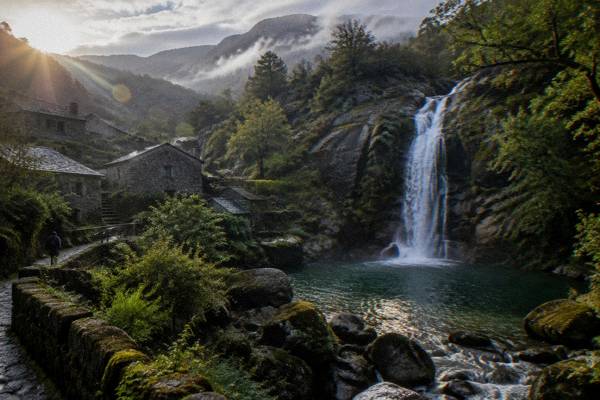
Peneda-Gerês National Park From Braga
Peneda-Gerês National Park sits in the mountains north of Braga, and it is the only national park in Portugal. This guide covers how to reach it, which tours run there, and what a day in the park actually looks like.
Short answer
Peneda-Gerês National Park is Portugal's only national park, in the mountains of the far north. From Braga, regional buses on AITC lines 201 and 200 serve Caldas do Gerês and Covide, and guided canyoning and waterfall tours from the Gerês area cover the park's rivers, cascades and granite villages in a single day.
Portugal has exactly one national park, and it sits in the mountains north of Braga. Peneda-Gerês National Park covers the granite highlands where the Minho region climbs toward the Spanish border, a landscape of river pools, waterfalls, wild ponies and stone villages that feels nothing like the baroque churches of the city below. Braga, in the Minho region of northern Portugal, is the natural base for reaching it: the park's southern gateways at Caldas do Gerês and Campo do Gerês are served by regional buses from Braga's bus station, and a cluster of guided canyoning and waterfall tours operates out of the Gerês village area year round. This guide lays out, in practical terms, what the park is, how to get there without a car, which tours are worth booking, and what a realistic day trip looks like.
Where Is Peneda-Gerês National Park From Braga?
Peneda-Gerês National Park lies in the mountainous north of the Braga district and the neighbouring Viana do Castelo district, on the border with Spain. It is the only national park in Portugal. The park's main southern gateway is the Gerês valley, reached from Braga by regional bus lines 201 and 200, which run from Braga bus station toward Caldas do Gerês and Covide via Campo do Gerês.
The geography matters more here than on most day-trip pages, because "Braga" names three different things. The city of Braga is the base. The district of Braga is a far larger administrative area that contains Guimarães, Barcelos, Famalicão and part of the Gerês park itself. When a bus timetable or a park brochure says "Braga", check which one it means: the buses you want leave from the city's Central de Camionagem, the bus station on Avenida General Norton de Matos.
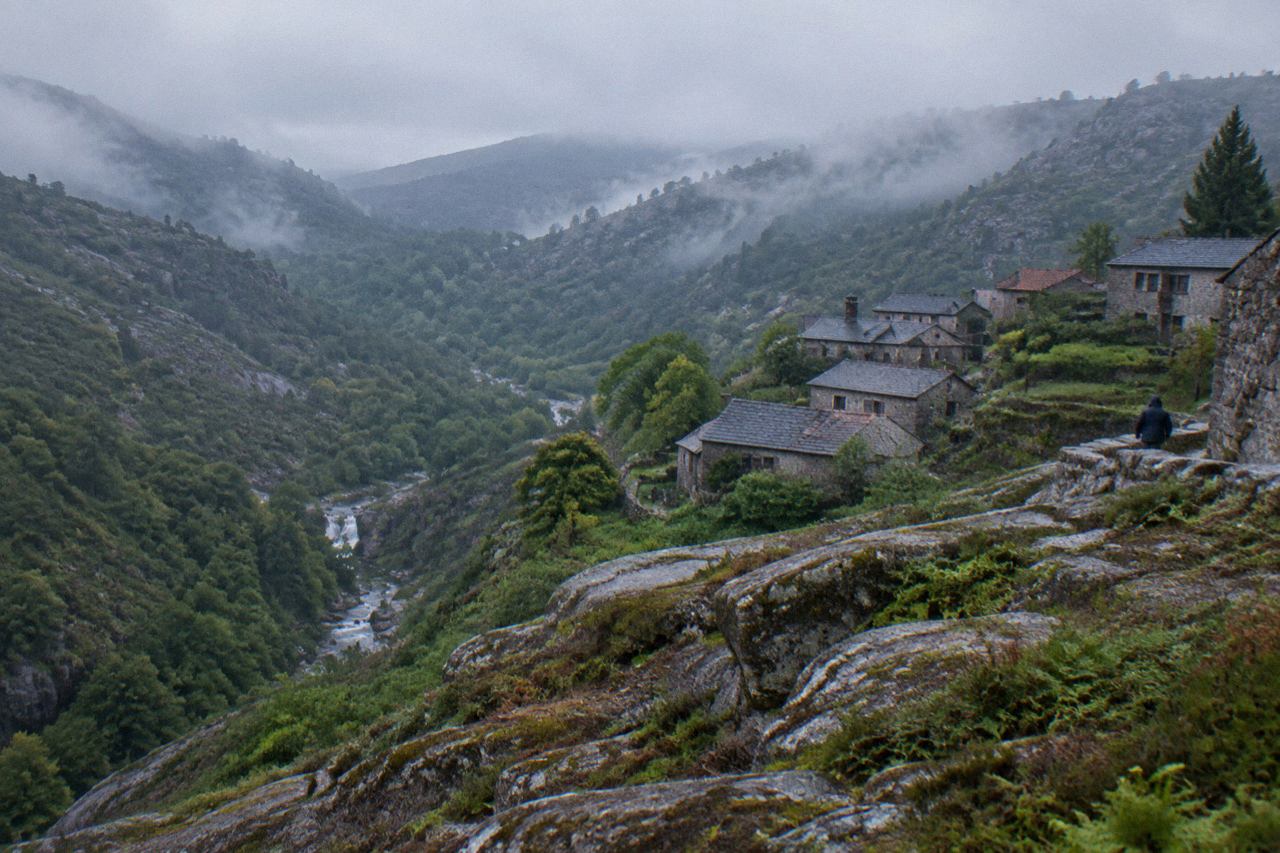
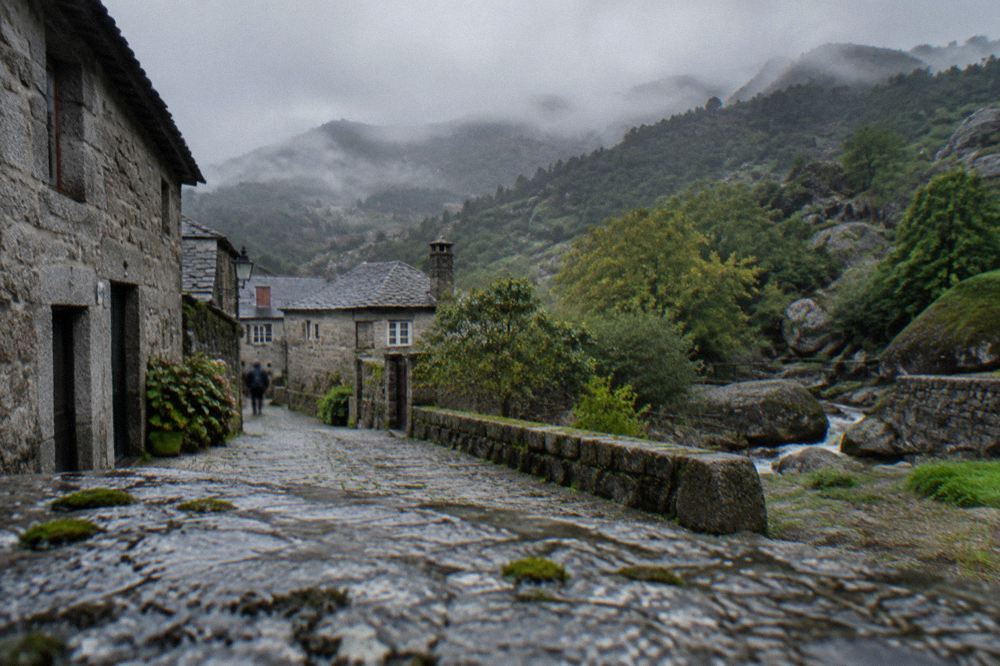
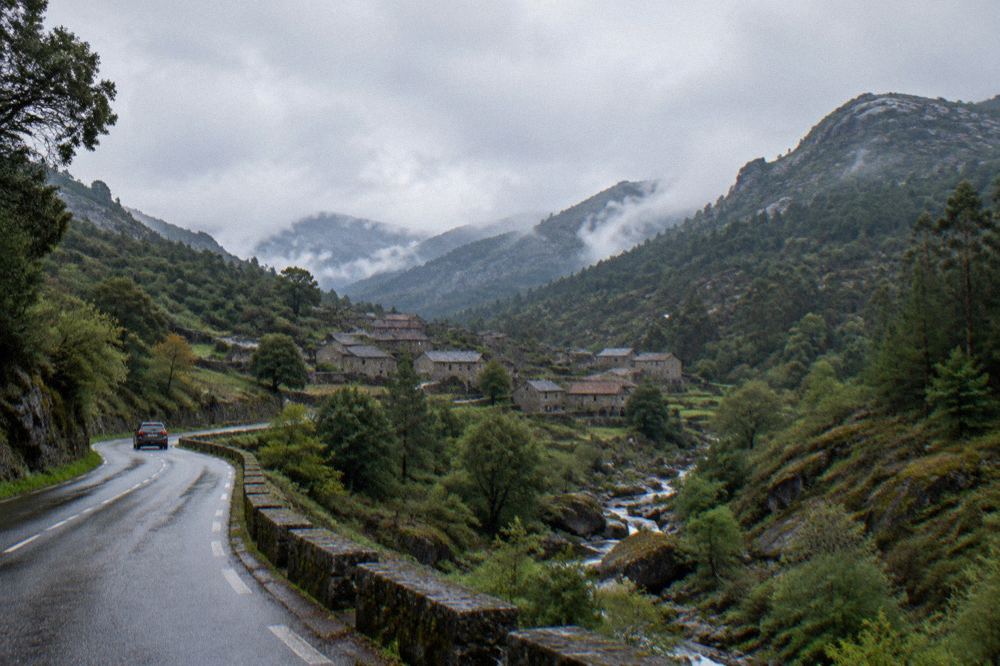
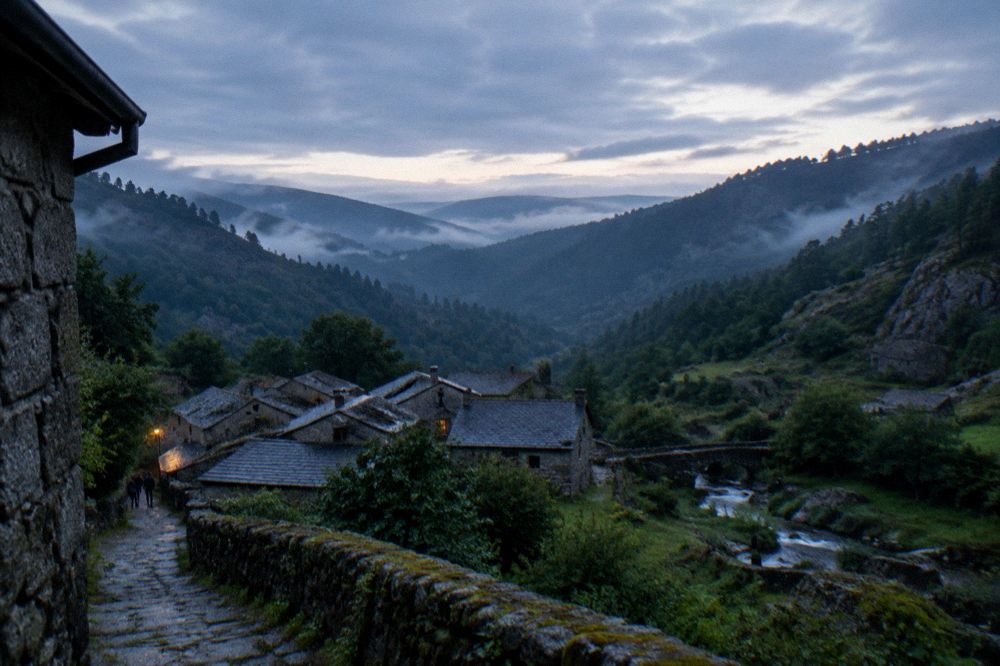
The park itself protects the Serra da Peneda, Serra do Gerês, Serra Amarela and Serra do Soajo, four mountain ranges stacked along the Spanish frontier. Rivers cut steep valleys through them, and the villages inside the park, places like Soajo, Lindoso and Pitões das Júnias in the west, and the Gerês spa town area in the south, are built of the same granite the mountains are made of. The park is also home to the Garrano, a small semi-wild pony breed that grazes the high plateaus and is one of the animals most visitors hope to see.
For orientation from Braga: the bus lines climb out of the city northward through Vila Verde and Amares country before entering the park's southern approaches. Line 201 ends at Caldas do Gerês, the spa village at the mouth of the Gerês valley, and line 200 continues to Covide via Campo do Gerês, deeper into the park's interior. Neither journey is short, and neither runs late into the evening, which shapes every plan on this page.
Can You Visit Peneda-Gerês As A Day Trip From Braga?
Yes, a day trip from Braga to Peneda-Gerês works well, with one condition: you should commit to either the bus-and-village route or a guided tour, not both. The park is large, public transport inside it is thin, and the guided canyoning and waterfall tours that run from the Gerês area are designed precisely for visitors who want the park's rivers and cascades without needing a car.
The honest trade-off is this. With your own car or a tour, you can reach waterfalls, viewpoints and villages across a wide slice of the park between morning and dusk. On public buses alone, you get Caldas do Gerês and, on line 200, Covide, plus whatever walking you can do from those stops. That is still a genuinely good day: the Gerês valley is the park's most visited area for a reason. But if the famous cascades are the goal, a guided tour is the efficient answer, because the operators drive you to trailheads that the buses do not serve.
Prefer to reach waterfalls and viewpoints on your own schedule? Book a rental car here.
For most travellers staying in Braga, the strongest single-day plan is a morning start with a canyoning or waterfall tour out of the Gerês area, an afternoon swim or riverside walk, and a return to Braga in the evening. The tours on this site that cover the park are all based in the Gerês area and include equipment, guiding and transport from the local meeting point, which removes the two hardest problems of the park: access and safety knowledge.
If you are weighing the park against other Minho excursions, the comparison pages help: Guimarães, Ponte de Lima and Viana do Castelo are all closer to Braga and all half-day-friendly, while Gerês rewards a full day. The question "is it worth it" has its own dedicated treatment in is Gerês National Park worth visiting, and the Porto-based version of the question is covered in is Peneda-Gerês a good day trip from Porto.
A note on seasons and access. Summer car access to the Mata de Albergaria section of the park, the stretch that holds some of the best river pools, is limited and charged in the high season, with traffic controls in place. If you are driving, expect to park and walk in that zone. If you are on a tour, the operator handles the access rules for you. Either way, the busiest weeks are July and August, when the river beaches fill with families from across northern Portugal.
What Are The Best Tours In Peneda-Gerês National Park?
The best tours from the Gerês area are canyoning descents and waterfall circuits. The flagship option listed on this site is the Canyoning Tour, from $80.85 per person, rated 5 from 237 reviews, running about 4 hours; a shorter Water Canyoning option runs from $57.75, and a full-day 3 Wonderful Waterfalls in a Day circuit covers three cascades from $113.19.
Canyoning is the activity Gerês is best known for, and it deserves the reputation. A canyoning day means descending a river canyon on foot: scrambling over water-smoothed rock, sliding down natural chutes, jumping into deep pools and abseiling beside small cascades, all in a wetsuit and harness with a guide in front and behind. No experience is needed on the introductory descents; the operators brief every group on jumps, slides and abseils before each obstacle, and every jump has a walk-around alternative.
The three park tours listed on this site, compared:
| Tour | Decision name | From (per person) | Rating | Duration |
|---|---|---|---|---|
| Canyoning Tour | Canyoning, 4 Hours | $80.85 | 5 from 237 reviews | 4 hours |
| Water Canyoning | Budget Canyoning, 3 Hours | $57.75 | 4.9 from 71 reviews | 3 hours |
| 3 Wonderful Waterfalls in a Day | 3 Waterfalls in a Day | $113.19 | 4.9 from 89 reviews | 8 to 9 hours |
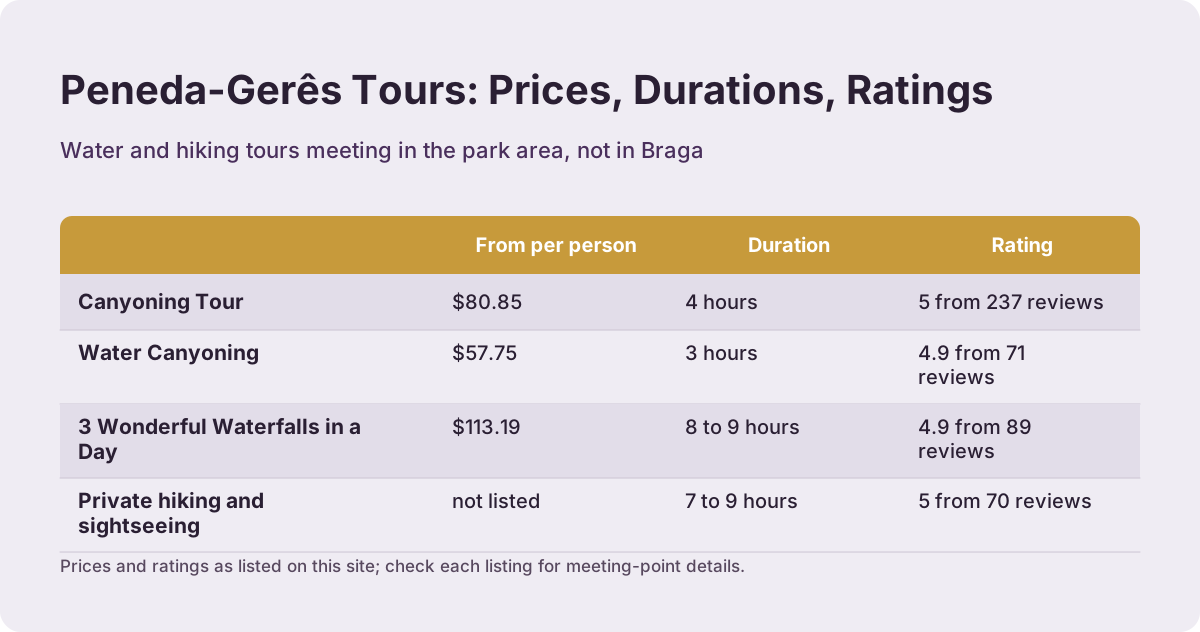
The Canyoning Tour is the park's most-reviewed activity on this site and the one to pick if you want the full experience: the 4-hour format allows a longer canyon with more abseils and bigger slides. Check availability on the operator's live listing, since canyoning groups are small and summer weekends fill first.
The Water Canyoning option trims the format to about 3 hours and suits travellers combining the canyon with an afternoon elsewhere in the valley. The waterfall circuit is the choice for non-swimmers and families: it is a walking day between three of the park's cascades, with swimming where the pools allow, and no ropes involved.
Beyond those three, the park's private guiding scene matters if you want hiking rather than water. A private hiking and sightseeing experience in the park is listed on this site, rated 5 from 70 reviews, running 7 to 9 hours: it suits walkers who want a route chosen for the day's weather and crowd levels, with the villages and viewpoints folded in. The Peneda-Gerês Hiking & Sightseeing private experience is the tour to check for that style of day; the listing carries the current price.
How Do You Get To Peneda-Gerês Without A Car?
From Braga, the public-transport answer is the regional bus network run by AITC, the Cavado intermunicipal transport authority: line 201 runs from Braga bus station to Caldas do Gerês, and line 200 runs to Covide via Campo do Gerês. There is no train to the park, and no train connection from Braga to Guimarães either, so the bus station is where every car-free plan starts.
The lines are verified; the fares and journey times are not published in a form this site can stand behind, so check the AITC timetable pages before you travel. What is solid: line 201 is the Caldas do Gerês service, line 200 goes deeper via Campo do Gerês to Covide, and the timetables were re-issued during 2026, with the regional network reinforced that year. Departures are not frequent in the way urban transport is, so the first decision of the day is which bus you can actually catch, and the second is which one brings you back.
| AITC line | Route from Braga | Terminus |
|---|---|---|
| 201 | Braga to Caldas do Gerês | Caldas do Gerês |
| 200 | Braga to Covide via Campo do Gerês | Covide |
| 105 | Braga to Ponte de Lima | Ponte de Lima |
| 100 | Braga to Vila Verde and Arcos de Valdevez | Arcos de Valdevez |
| 101 | Braga to Guimarães | Guimarães |
Line 100 deserves a mention for park plans of a different shape: it runs toward Arcos de Valdevez, the town on the park's western side, which is the access point for the Soajo and Lindoso villages and the northern ranges. A western-park day from Braga is possible but ambitious on buses alone; it works best as an overnight. The Arcos de Valdevez and Ponte da Barca day-trip guide covers that side of the park's approach.
For tours, the meeting point question matters. The Gerês-area tours on this site meet in the park area, not in Braga, so a bus or a drive to the meeting point is part of the plan. Read the listing's meeting-point details before booking, and if you are relying on line 201, check the return timetable against the tour's end time. The operators are used to bus-based guests and answer this question quickly if you message them.
If you are coming from Porto rather than Braga, the logistics differ enough to have their own page: how to get from Porto to Gerês National Park covers that route. And if you are asking the broader question of which of Portugal's protected areas deserves the trip, which national park in Portugal is considered the best puts Gerês in its national context: it is the only national park, which makes the comparison short.
What Should You Actually See And Do Inside The Park?
The park's headline experiences are its waterfalls and river pools, the canyoning descents, the granite mountain villages, and the high plateau of the Mata de Albergaria. Entry to the park itself is free: there is no gate, no ticket and no admission charge, only the seasonal car-access fee and traffic limits in the Mata de Albergaria section in summer.
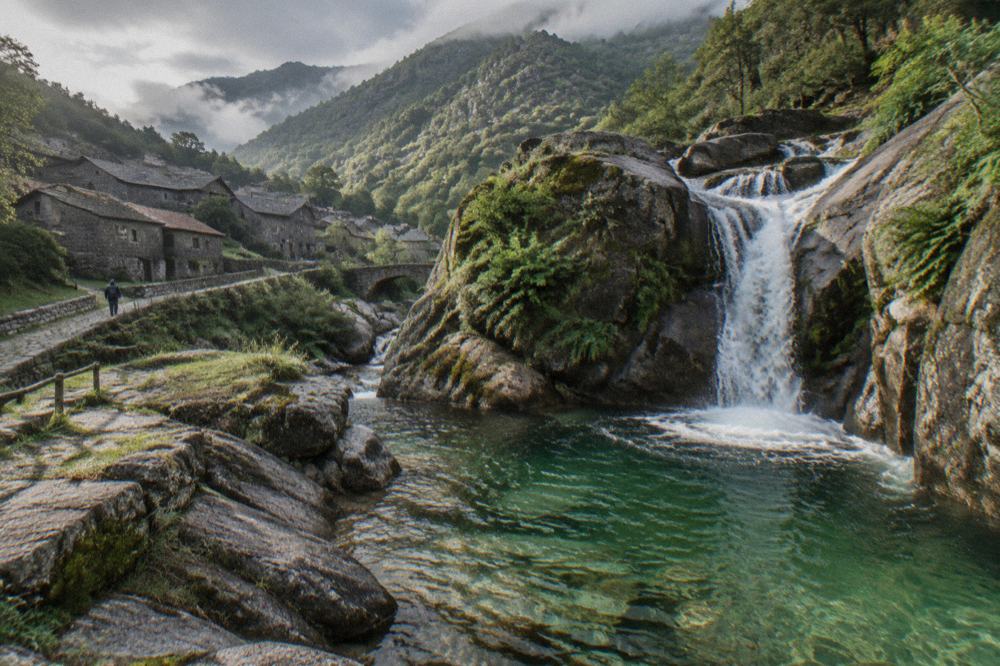
Start with the water, because that is what the park is for. The Gerês valley holds the densest cluster of cascades and swimming holes, and the full-day waterfall tours visit three of the best in one circuit. The Tahiti area, the Poço Azul and the Arado river cascades are the names that circulate most, and the tour listings name their exact stops. In high summer the river beaches are the park's social centre, with local families claiming the flat rocks by mid-morning, so the earlier you arrive, the more of the water you get to yourself.
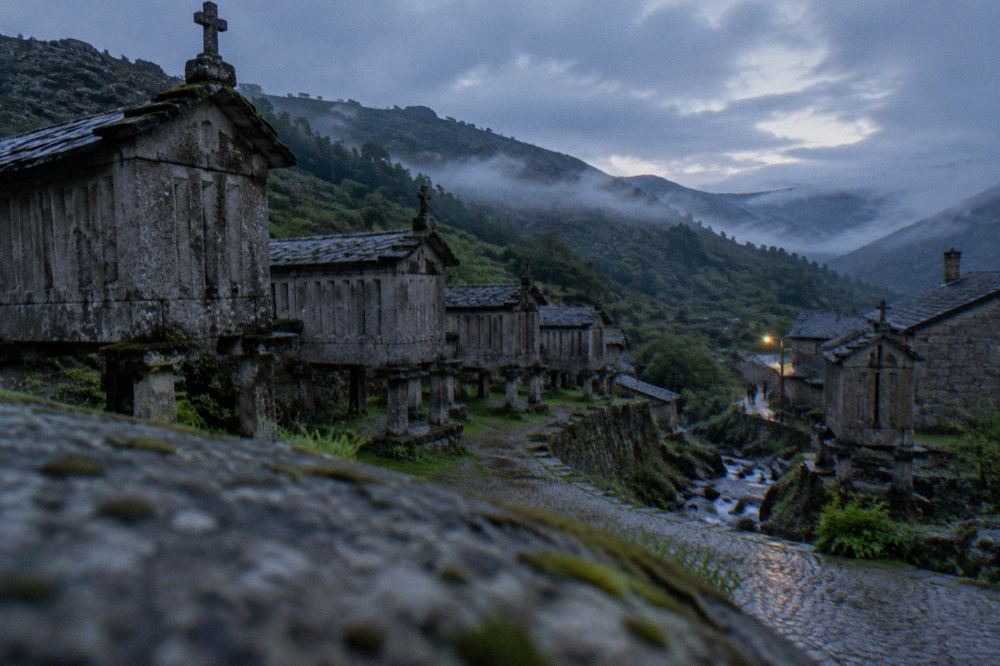
The villages are the second act. Campo do Gerês and Covide sit on the southern line, stone-built and steep, and the western villages of Soajo and Lindoso hold the park's most photographed structures: espigueiros, granite granaries raised on stilts against rodents and damp, standing in rows that have held grain for centuries. Lindoso also carries a castle above its espigueiro field, and the views from the western villages open north across the Lima valley toward Spain.
The wildlife is real but not guaranteed. The Garrano ponies graze the uplands, and golden eagles, wolves and roe deer all live in the park, though the wolf is nocturnal and famously hard to see. What you will see is the landscape the animals depend on: oak and birch forest on the valley floors, bare granite and heather above the tree line, and the boggy plateau sponges that give the park its rivers.
| Area of the park | What it is | Best for |
|---|---|---|
| Gerês valley (Caldas, Campo do Gerês) | Southern gateway, spa village, waterfalls and pools | Swimming, canyoning, first visits |
| Mata de Albergaria | High plateau forest section on the road toward Portela do Homem | Scenic drives, limited summer access |
| Soajo and Lindoso | Western granite villages with espigueiros | Village walks, photography |
| Peneda range | Northern mountains around the Peneda sanctuary | Longer hikes, quieter trails |
| Vilarinho das Furnas | Drowned village reservoir, visible when water is low | Curiosity, viewpoint stops |
A word on the drowned village, because it is the park's strangest story: Vilarinho das Furnas was a living village until a dam flooded its valley, and in dry years the ruins surface from the reservoir. The 3 Wonderful Waterfalls in a Day circuit and the private hiking tours both pass through the reservoir landscapes, and the listing says which stops are included on the current route.
When Is The Best Time Of Year To Visit?
Late spring through early autumn is the practical season for water-based visits, with June to September the core window for canyoning and swimming. May and June combine strong water flow in the waterfalls with fewer crowds, while October brings autumn colour and the first closures of the seasonal access roads. Winter visits are possible but limited to village and viewpoint sightseeing.
The climate data this site publishes is for the Braga weather station, and the park's mountains are cooler and wetter than the city: treat the city figures as a floor, not a forecast for the summits. What the Braga normals do show is the shape of the year. October is the wettest month at the Braga station on average, with 197.8 mm of rain, and July the driest at 27.9 mm. Rain days of one millimetre or more run 12 to 13 a month from October through January, so an autumn or winter park day needs a genuine waterproof plan, not optimism.
| Month (Braga station normals) | Mean max C | Rain mm | Park-day character |
|---|---|---|---|
| May | 23.0 | 89.8 | Waterfalls at full flow, quiet trails |
| June | 26.1 | 40.6 | Canyoning season in full swing |
| July | 28.2 | 27.9 | Peak swimming, peak crowds |
| August | 28.7 | 34.6 | Busiest month, book tours ahead |
| September | 26.9 | 67.6 | Warm water, thinner crowds |
| October | 22.2 | 197.8 | Autumn colour, high rain risk |
Two timing notes from the park's own rhythms. First, the summer access limits in the Mata de Albergaria section mean that a July or August drive toward Portela do Homem involves a stop, a possible fee and a walk: the tour operators build this into their days, drivers need to budget for it. Second, the tour calendar is seasonal in practice: canyoning runs through the warm half of the year, and the full-day waterfall circuit is the most weather-flexible option in the shoulder months.
If your Braga days are fixed and you want the city-side planning context, the best time to visit Braga guide carries the full month-by-month picture, and the Braga weather page explains what the station normals do and do not promise.
What Should You Pack For A Day In The Park?
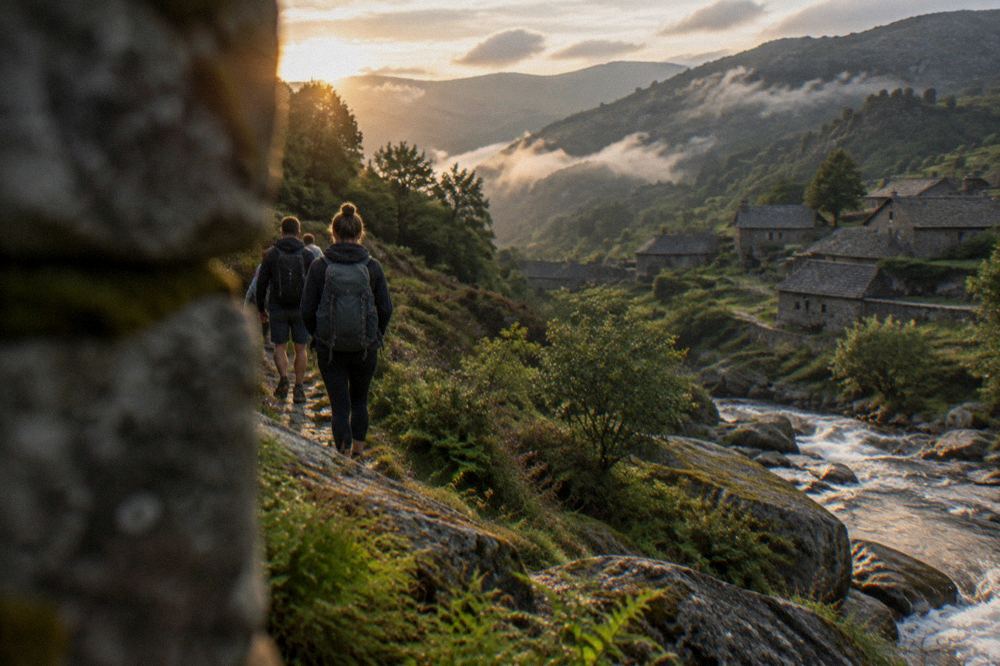
Pack for two climates: swimwear, a quick-dry towel and proper water shoes for the river, plus a warm layer and a real waterproof for the mountains, because the weather in Gerês can turn inside an hour even in summer. Sunscreen, a hat and more water than feels reasonable complete the kit, and canyoning tours supply the wetsuit, harness and helmet.
The clothing list is where first-time visitors go wrong. The mountain valleys hold their heat at the waterline but lose it fast in the shade and the wind, and the difference between a comfortable day and a miserable one is usually a fleece left in the car. Footwear matters most of all: wet granite is slick, and the riverside paths cross bare rock. Shoes with grip that you do not mind submerging beat both flip-flops and dry-only trainers.
| Item | Why | Notes |
|---|---|---|
| Swimwear and towel | River pools and canyoning | Worn under the wetsuit on tours |
| Water shoes or old trainers | Wet granite is slippery | Tours require closed shoes |
| Warm layer | Valley shade and summit wind | Even in August |
| Waterproof jacket | Afternoon showers, spray zones | Not an umbrella |
| Sunscreen and hat | Exposure on open granite | Reflected light off water |
| Water and snacks | Long gaps between services | Villages have cafés, trails do not |
On food: Caldas do Gerês, Campo do Gerês and the western villages all have cafés and restaurants, and the local plates are the mountain ones: rojões, febras and the Gerês take on northern Portuguese cooking, plus the honey and the mountain cheese the region is known for. The tour listings state whether lunch is included; the waterfall circuit days run 8 to 9 hours, so read that line carefully before assuming you will find lunch on the way.
How Does A Gerês Day Compare With Braga'S Other Day Trips?
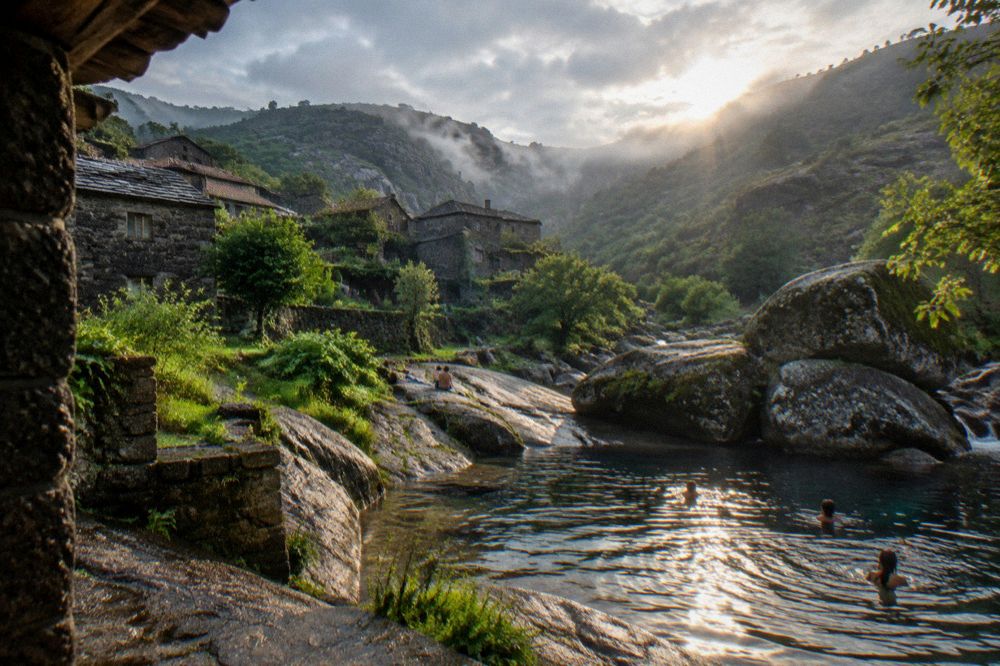
A Gerês day is the adventure option in Braga's day-trip set: it is the farthest-flung and the most physically demanding of the regular excursions, against the city-and-history character of Guimarães, the riverside ease of Ponte de Lima and the coastal sweep of Viana do Castelo. Choose Gerês when water, mountains and walking matter more than monuments.
The practical set of alternatives, all covered in depth on this site:
| Day trip from Braga | Character | Best for |
|---|---|---|
| Peneda-Gerês National Park | Mountains, rivers, canyoning | Adventure days, swimming, hiking |
| Guimarães | Medieval old town, castle | History, easy half or full day |
| Ponte de Lima | Oldest town in Portugal feel, riverside | Slow lunches, Roman bridge |
| Viana do Castelo | Coast, basilica, mountaintop views | Sea air, architecture |
| Barcelos | Thursday market town | Market day, pottery |
| Citânia de Briteiros | Iron-age hill fort ruins | Archaeology, open-air history |
Two honest comparisons close the set. If you have two days, Gerês pairs beautifully with a night in the park or in Ponte de Lima, turning the bus timetable problem into an advantage. And if your whole trip is Porto-based, the same tours run from the Porto side as day trips with long transfers; the is Peneda-Gerês a good day trip from Porto question and the Porto day-trip roundup cover that trade-off, and the honest answer is that Braga is the better springboard for the park.
Common Questions About Peneda-Gerês National Park
Is Peneda-Gerês National Park worth visiting from Braga?
Yes, if you want mountains and water rather than monuments. It is Portugal's only national park, and the canyoning and waterfall tours from the Gerês area are the most-reviewed outdoor activities on this site. The trade-off is time: it is a full-day commitment, unlike the half-day-friendly city trips to Guimarães.
How do I get from Braga to Peneda-Gerês National Park?
By AITC regional bus from Braga bus station: line 201 to Caldas do Gerês and line 200 to Covide via Campo do Gerês. There is no train to the park. Check the AITC timetable pages for current departures, because the services are not frequent.
Do you need a car in Peneda-Gerês?
You do not need one for the southern Gerês valley, which the buses and the tours serve. You do want one, or a guided tour, for the western villages of Soajo and Lindoso and the remoter trailheads. Summer car access to the Mata de Albergaria section is limited and charged in the high season.
Is entry to Peneda-Gerês National Park free?
Yes, entry to the park is free: there is no gate or admission charge. The only paid elements are the seasonal car-access arrangements in the Mata de Albergaria section in summer and the activities, like canyoning tours, that you book separately.
Can you swim in the waterfalls at Gerês?
Yes, the river pools at several of the park's cascades are swimmable, and swimming is a core part of the summer experience. The guided waterfall tours include stops at pools where swimming is safe; always follow local signage about water levels, which change after rain.
Is canyoning in Gerês suitable for beginners?
Yes. The introductory canyons used by the tour operators on this site require no experience, and every group is briefed on jumps, slides and abseils before each obstacle. Every jump has a walk-around option, and the guides set the route to the group's level.
The Short Version
Peneda-Gerês National Park is Portugal's only national park, reached from Braga by AITC bus lines 201 and 200 to Caldas do Gerês and Covide, or more efficiently by a guided canyoning or waterfall tour out of the Gerês area. Entry is free, the season runs late spring to early autumn, and the park rewards a full day: waterfalls, swimmable river pools, granite villages and the high plateau, all an ambitious but worthwhile trip from the city.
Peneda-Gerês is the day trip from Braga that trades baroque for granite: Portugal's only national park, reached by regional bus into the mountains, free to enter, and at its best between late spring and early September when the rivers are warm enough to swim in. Book the Canyoning Tour if you want the park's signature experience, the waterfall circuit if you want the water without the ropes, and read the bus timetable before anything else, because the return service shapes the day more than the weather does. For everything else in the region, Braga Travel Guide covers the city, the coast and every other corner of the Minho.