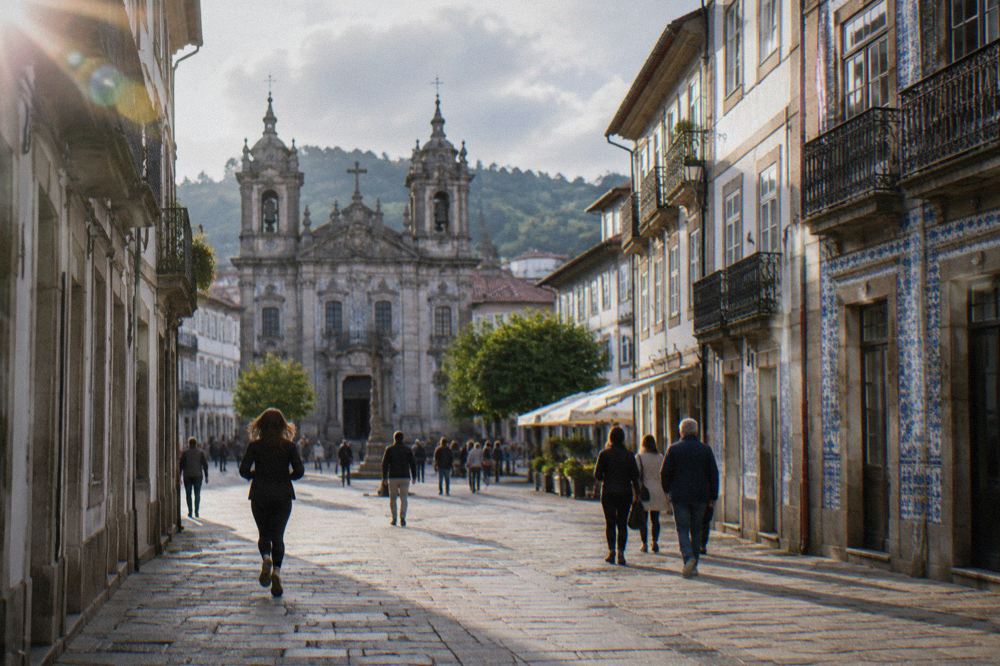
Caminha Day Trip From Braga: What To See, Do And Know Before You Go
Caminha sits where the Minho River meets the Atlantic, facing Spain across the water. This guide covers what the town offers, how it fits into a Minho day trip from Braga, and how it compares with its neighbours.
Short answer
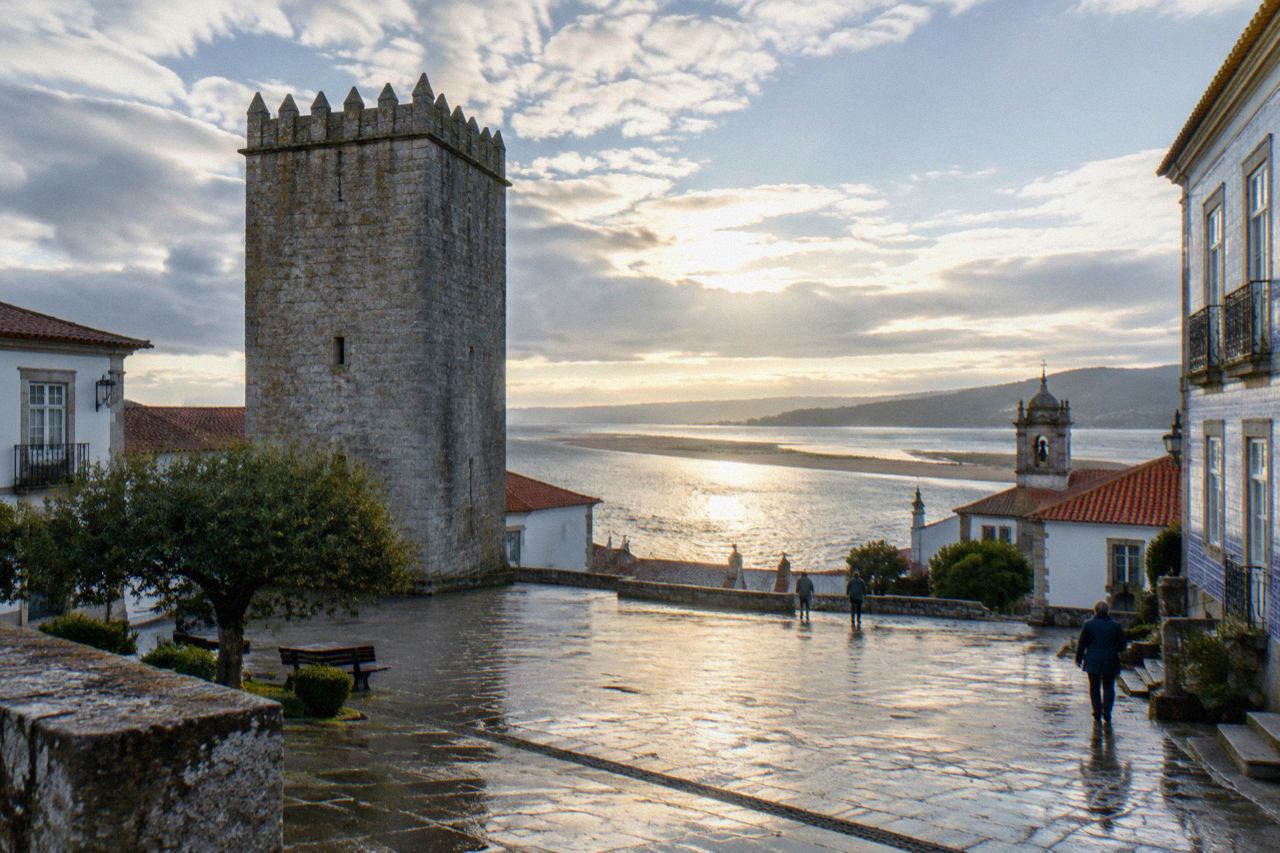
Caminha is a small historic border town on the estuary of the Rio Minho in northern Portugal, facing Spain across the river. It is known for its main square, the Matriz church, river and sea beaches and its position on the coastal Caminho de Santiago. It works as a quiet Minho day trip and pairs naturally with Viana do Castelo or Ponte de Lima.
Caminha is the Portuguese border town at the mouth of the Minho River, the waterway that separates northern Portugal from Galicia in Spain, and it makes a distinctive day trip for anyone based in Braga, the city in the Minho region of northern Portugal. Where Braga offers baroque churches and the sanctuary of Bom Jesus do Monte, Caminha offers something Braga cannot: a historic square, a river estuary and the open Atlantic within a short walk of one another, with the Spanish coast visible across the water.
Why Visit Caminha On A Day Trip From Braga?
Caminha is worth a day trip because it is the only Minho destination on this site that combines a compact medieval old town, a river border with Spain and a seafront, all within walking distance of one another. The town sits on the estuary of the Minho River, facing Galicia across the water, and it belongs to the same green, Atlantic-facing corner of Portugal as Braga itself. It is quieter than Viana do Castelo and smaller than Ponte de Lima, which suits travellers who want a slow day.
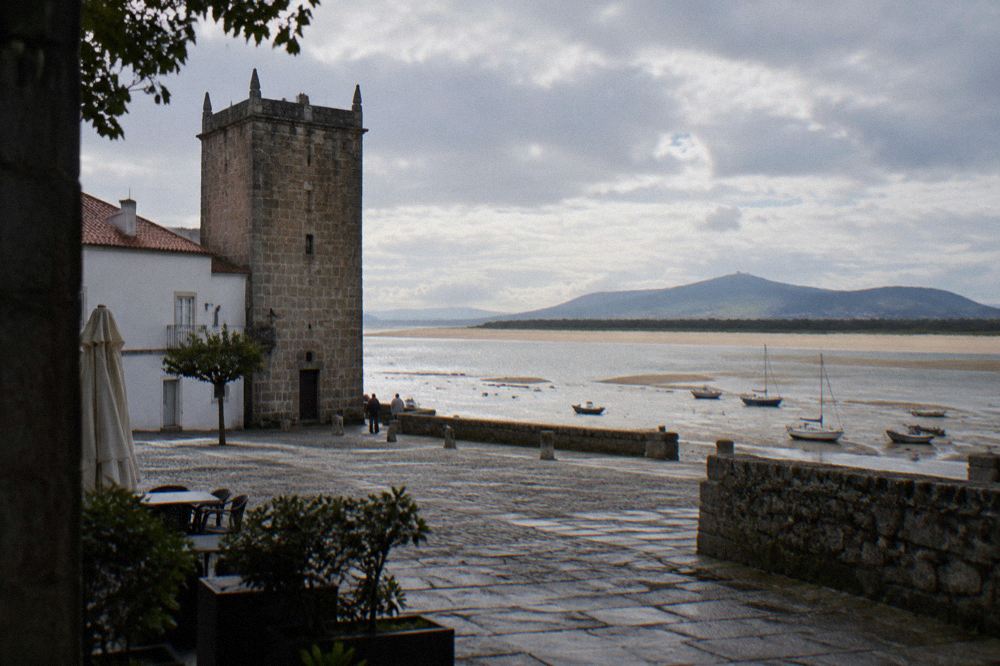
The town's identity is built on its border position. The Minho River has been the boundary between Portugal and Spain here for centuries, and Caminha grew up as the settlement that controlled the crossing, the customs house and the ferry traffic to the Galician shore. That history shows in the fabric of the place: a defensive clock tower, a main square laid out in the Portuguese style with tiled building fronts, and a parish church whose carved stonework mixes late Gothic and Manueline elements. The town is small enough that the whole historic centre can be walked in a couple of hours at a relaxed pace.
The second reason is the setting. Below the town, the river broadens into an estuary of sandbanks and channels before it reaches the ocean, and the coastline on either side of the mouth is a chain of long sandy beaches backed by dunes and pine. The Atlantic here is cool and lively, the water rarely warm, but the sands are wide and the horizon is open. The contrast with Braga's inland, church-dominated landscape is the entire point of the trip.
For readers planning a wider stay, this site's Braga Travel Guide covers the city itself in depth, and the day trip options around it, from Guimarães to the Peneda-Gerês National Park, are collected under the day-trips section.
How Do You Get From Braga To Caminha?
There is no direct train from Braga to Caminha, because the Braga railway line runs south towards Porto, not west along the coast. The journey is made by road, either by bus, with a change at Viana do Castelo or another Minho hub, or by car, and the route crosses some of the greenest countryside in the region. Caminha is not on the verified regional bus line list from Braga, so check the current timetable before you commit to a date.
The honest starting point is that Caminha is one of the harder Minho towns to reach by public transport from Braga. The verified regional bus lines from Braga's bus station, the Centro Coordenador de Transportes, run to Guimarães (line 101), Ponte de Lima (line 105), Arcos de Valdevez via Vila Verde (line 100), Esposende and Póvoa de Varzim (line 107), Póvoa de Varzim (line 106), Famalicão (line 109) and the Gerês area (lines 200 and 201). Caminha does not appear on that verified list, which means the practical route is usually a connection through Viana do Castelo, the regional transport hub on the coast.
From Viana, onward buses run up the coast towards Caminha and the Spanish border. Because schedules on these regional legs change with the seasons, the planning advice is simple: confirm the full connection on the operator's current timetable for your travel date, and treat the Viana leg as the anchor of the day.
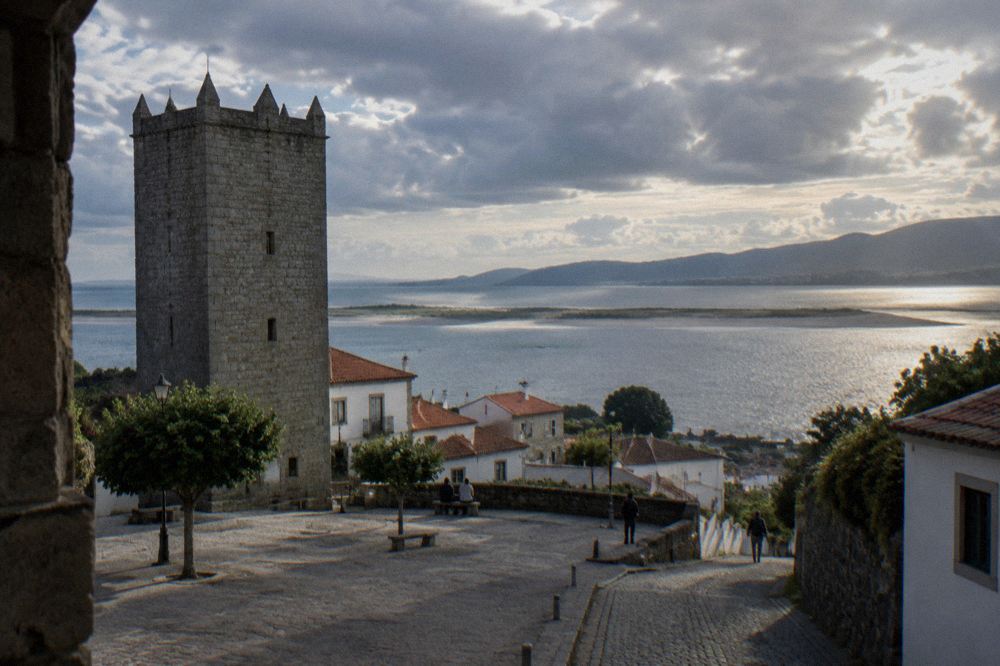
By car, the drive crosses the same landscape: the farmland of the lower Minho, patches of vinho verde vineyards, and the hills that rise towards Ponte de Lima and the Peneda-Gerês massif to the east. Parking in small Portuguese towns is usually easier than in the cities, but Caminha's old centre has narrow streets, so the practical move is to park at the edge and walk in.
If a self-drive or bus-hopping day in the far Minho sounds like more planning than you want, a guided option covers the region's headline towns instead. The Authentic Braga & Guimarães small historical group tour runs from Porto with lunch and green wine included, and Check availability to see current dates. It is labelled From Porto on this site, so it suits a day when Braga is not your only base.
The comparison below sets out the verified transport anchors for the Minho day trips around Braga, so you can see at a glance which towns have a direct regional line and which need a connection.
| Destination from Braga | Direct regional bus line | Direct train from Braga | Practical note |
|---|---|---|---|
| Guimarães | AITC line 101 | No | Easiest Minho connection from Braga |
| Ponte de Lima | AITC line 105 | No | Connection hub for the Lima valley |
| Póvoa de Varzim | AITC lines 106 and 107 | No | Coastal option via Esposende |
| Viana do Castelo | Rede Expressos coach | No | Gateway for onward travel to Caminha |
| Caminha | Not on the verified line list | No | Usually reached via Viana do Castelo |
| Gerês area | AITC lines 200 and 201 | No | Mountain option, summer access limits apply |
What Are The Best Things To Do In Caminha?
The best things to do in Caminha are all close together: walk the main square with its clock tower and tiled facades, visit the Igreja Matriz with its carved Manueline portal, follow the riverfront to the estuary, and take in the beaches at the river mouth. The town rewards slow walking rather than ticketed attractions, and most of a day there is spent outdoors, in the square, on the waterfront or on the sand.
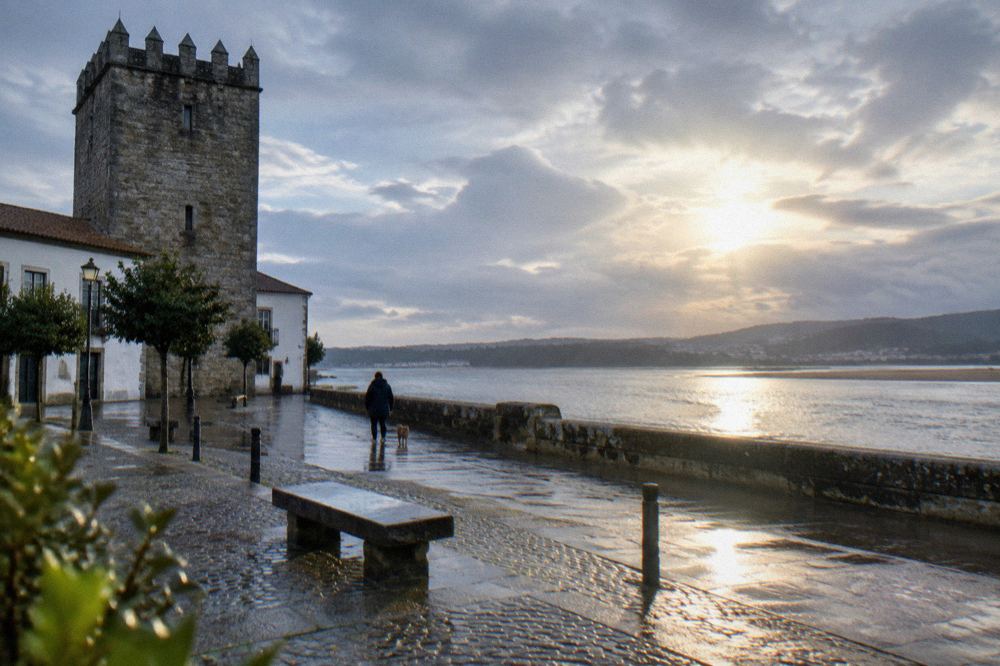
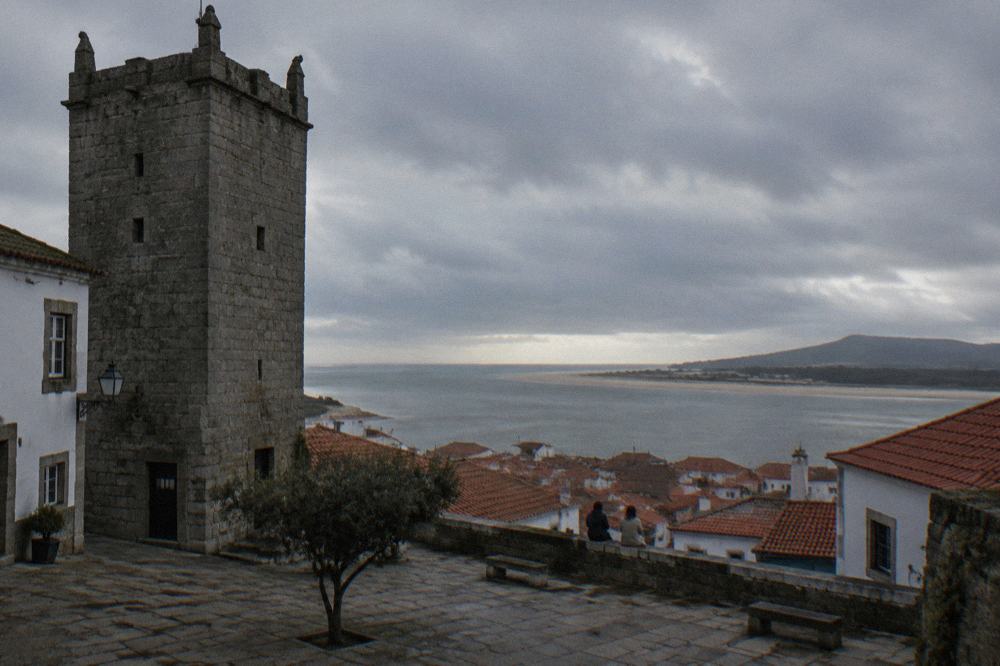
The historic centre is the first stop. Caminha's main square, Praça Municipal, is the classic Portuguese civic space: arcaded buildings, cafe tables, the town's clock tower rising at one end. The tower is the remnant of the medieval fortifications, and climbing the immediate area around it gives the best sense of how small the old town really is. The Igreja Matriz de Caminha, the parish church, stands nearby and is known for its portal, a piece of carved stonework from the period when Portuguese navigation and national symbols were being worked into church architecture. The interior is quiet, cool and worth ten unhurried minutes.
From the square, the streets drop towards the river. The riverfront is the town's second act: a promenade along the estuary, with the Spanish shore in view across the water and the ferry crossing point nearby. This is the stretch where the border identity of the place becomes physical rather than historical. The Galician coast is close enough that on a clear day the buildings on the far side are visible, and the river traffic, small boats and the seasonal ferry, keeps the water interesting.
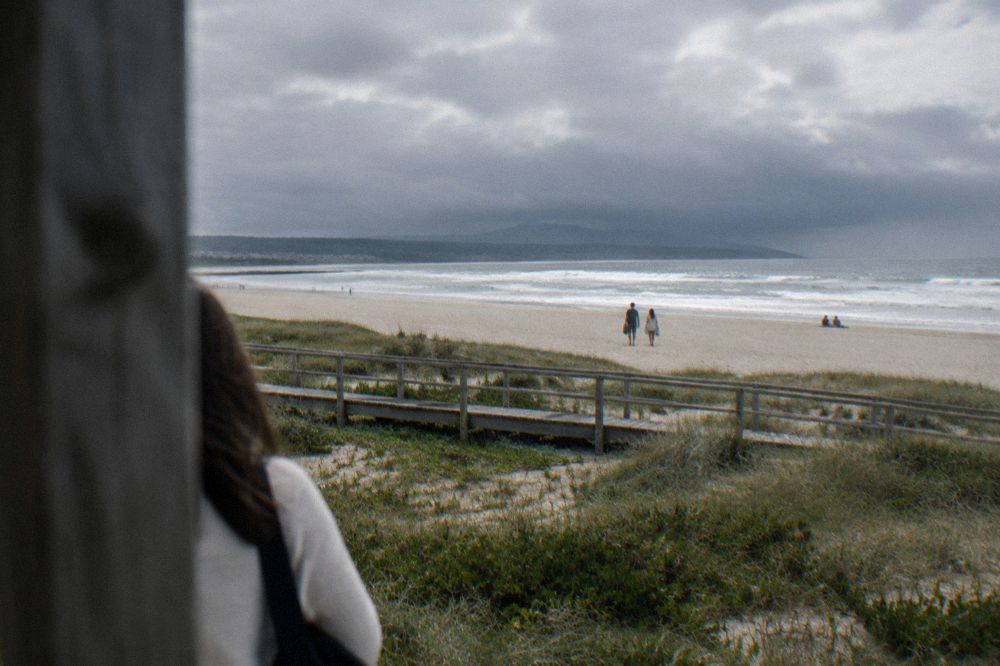
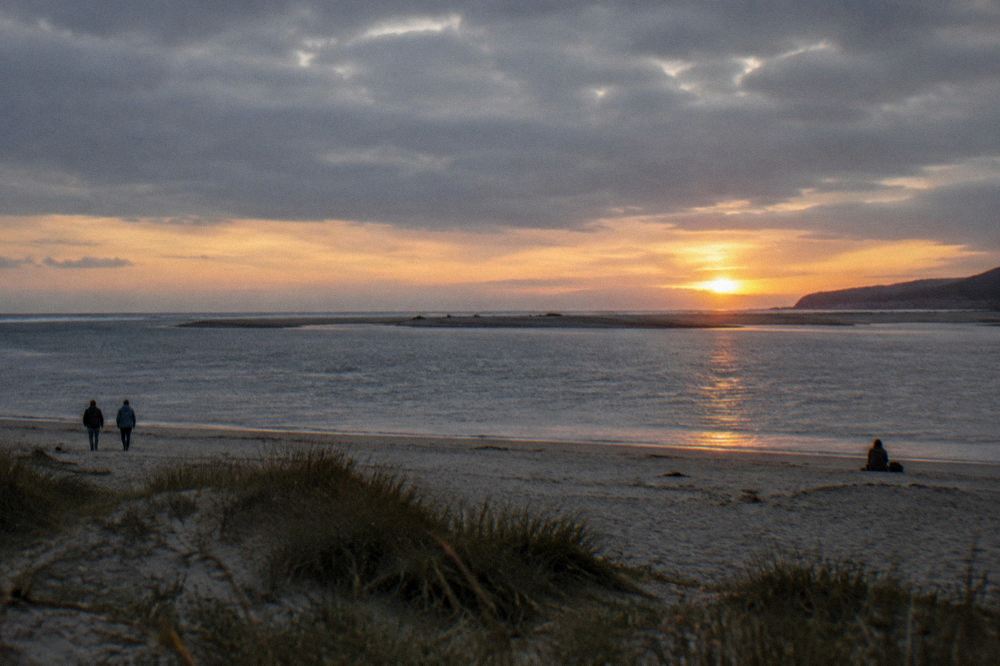
The third act is the coast. The beaches at and around the mouth of the Minho are long, sandy and Atlantic-facing, backed by dunes rather than buildings. Swimming here is for people who like cool water, but the sands are excellent for walking, and the sunsets over the ocean are the reason many visitors time their return journey for late afternoon. The mouth of the Minho, with the river splitting into channels around sandbanks, is one of the more unusual coastal landscapes in northern Portugal.
A word on expectations. Caminha is not a museum town. There are no verified ticket prices, opening hours or guided-tour products for its individual sights in the site's fact base, and that is itself the honest description: this is a town you experience by walking, eating and sitting, not by queueing. Plan the day around the square, the church, the riverfront and the beach, and leave the schedule loose.
If your trip is anchored in Braga rather than the coast, the city's own headline sights are covered in the guide to things to do in Braga, and a realistic single-day plan for the city itself is in the one day in Braga itinerary.
Where Is Caminha And What Is The Minho River Setting?
Caminha stands on the southern bank of the Minho River estuary in the far northwest of Portugal, where the river ends its course in the Atlantic Ocean and forms the border with Spain's Galicia region. The town is in the Minho, the same green northern region as Braga, but it lies on the coast rather than inland. The Spanish shore, the Galician town of A Guarda area, faces it directly across the water.
The Minho River is the defining geography of the whole region. Rising in the Galician hills and running west to the Atlantic, it draws the line between the two countries along its lower course, and every town on its banks, from Melgaço and Monção down to Caminha, lives from that fact. Caminha is the last Portuguese town on the river, the point where the border stops being a river and becomes the sea. That position made it a customs and ferry town for centuries, and it gives the modern visitor the unusual experience of standing in Portugal with Spain in clear view.
The estuary itself is the landscape feature to understand. In its final kilometres the river widens and slows, depositing sand that forms banks, islands and sheltered channels, and the coast on either side of the mouth is a succession of wide beaches. The terrain inland is the classic Minho: green all year, farmed intensively, threaded with the small plots where vinho verde grapes grow. The same grape varieties and the same wine culture that surround Braga extend this far west, which is why a bottle of local alvarinho or loureiro tastes of home here too.
For travellers combining the border country, the Viana do Castelo day trip guide covers the regional capital on the coast, and the Valença and Monção guide covers the river border further upstream, where the fortress town of Valença faces its Spanish twin across the Minho.
Can You Combine Caminha With Viana Do Castelo Or Ponte De Lima?
Yes, Caminha combines naturally with Viana do Castelo, which sits on the same coastal corridor about half an hour south along the coast, and the two make a sensible single-day pairing by car or on a well-timed bus connection. Combining Caminha with Ponte de Lima in one day is more of a stretch, because Ponte Lima lies inland up the Lima valley, so most visitors pick one coastal town and one inland town rather than both plus Caminha.
The Viana pairing is the classic. Viana do Castelo is the largest town on the northern coast, with a grand praça, a pilgrimage basilica on the hill above the river Lima and a working port, and it is the transport hub you are likely to pass through anyway. A day that starts in Viana, takes in its centre and the Santa Luzia viewpoint, then runs up the coast to Caminha for the afternoon and the estuary at golden hour, is a full but coherent Minho day. Both towns are walkable, so the day is really two half-days joined by a short drive.
The Ponte de Lima alternative works differently. Ponte de Lima, reached from Braga by AITC line 105, is an inland river town famous for its medieval bridge and its riverside park, and it lies up the Lima valley rather than on the coast. Pairing it with Caminha means crossing from one river system to another, which is pleasant by car but awkward by public transport. The more common combination is Ponte de Lima with Arcos de Valdevez and Ponte da Barca, the other two towns of the Lima valley, as an inland day, leaving Caminha for a coastal day with Viana.
The table below compares the character of the four Minho towns most likely to compete for the same day trip from Braga, so you can match the town to the mood of the day.
| Minho town | Setting | Character | Best for |
|---|---|---|---|
| Caminha | Minho estuary, facing Spain | Small, quiet, border and beach | Slow walking, river mouth, sunset |
| Viana do Castelo | Coast at the Lima mouth | Regional capital, grand and busy | Architecture, viewpoints, shopping |
| Ponte de Lima | Inland on the Lima river | Medieval bridge, gardens, rural feel | Bridge, riverside, food festivals |
| Valença | On the Minho, upstream | Walled fortress town on the border | Fortifications, cross-border shopping |
What And Where Should You Eat In Caminha?
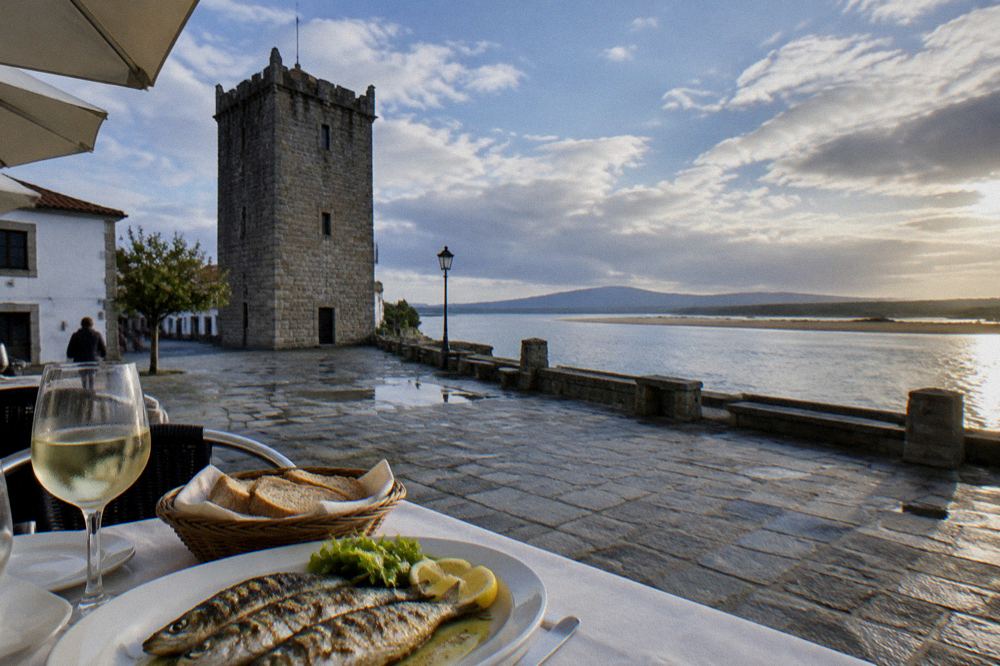
Eating in Caminha means Minho cooking with the Atlantic attached: grilled fish and seafood from the local coast, river fish from the Minho, and the region's meat and cabbage dishes, all best eaten in the small restaurants around the main square and the riverfront. The town is small enough that the choice is limited but concentrated, and lunch in the square is part of the day rather than a break from it.
The Minho diet is the same one that surrounds Braga, with one addition: the sea is next door. The Atlantic coast supplies the grilled sardines, sea bass and shellfish that inland Braga has to import, and the river adds lamprey and other freshwater fish in season. The regional classics still apply: caldo verde, the green soup of couve and chouriço, appears everywhere, as do the roasted meats and the vinho verde that belongs to the whole region. The local wines are the white alvarinho and loureiro styles, light, fresh and slightly spritzy, exactly the wines made at the Quinta de Santa Cristina estate, whose tasting experience is one of this site's featured products in the Braga area.
For the structure of the day, the practical advice is to make lunch the anchor. The restaurants around the Praça Municipal and along the riverfront fill at the Portuguese lunch hour, early by northern European standards, and the afternoon is better spent walking off the meal on the riverfront or the beach. For dessert, the pastry shops of the Minho carry the same family of sweets found across the region, and the coffee culture is identical to Braga's: standing at the counter is normal, sitting at a table costs a little more.
Travellers who want the food of the region explained rather than just served have two good options. The Braga small-group food tour walks the inland capital's kitchens with a local guide, and the Quinta de Santa Cristina Vinho Verde tasting explains the wine that accompanies every meal in the Minho, Caminha included.
When Is The Best Time Of Year To Visit Caminha?
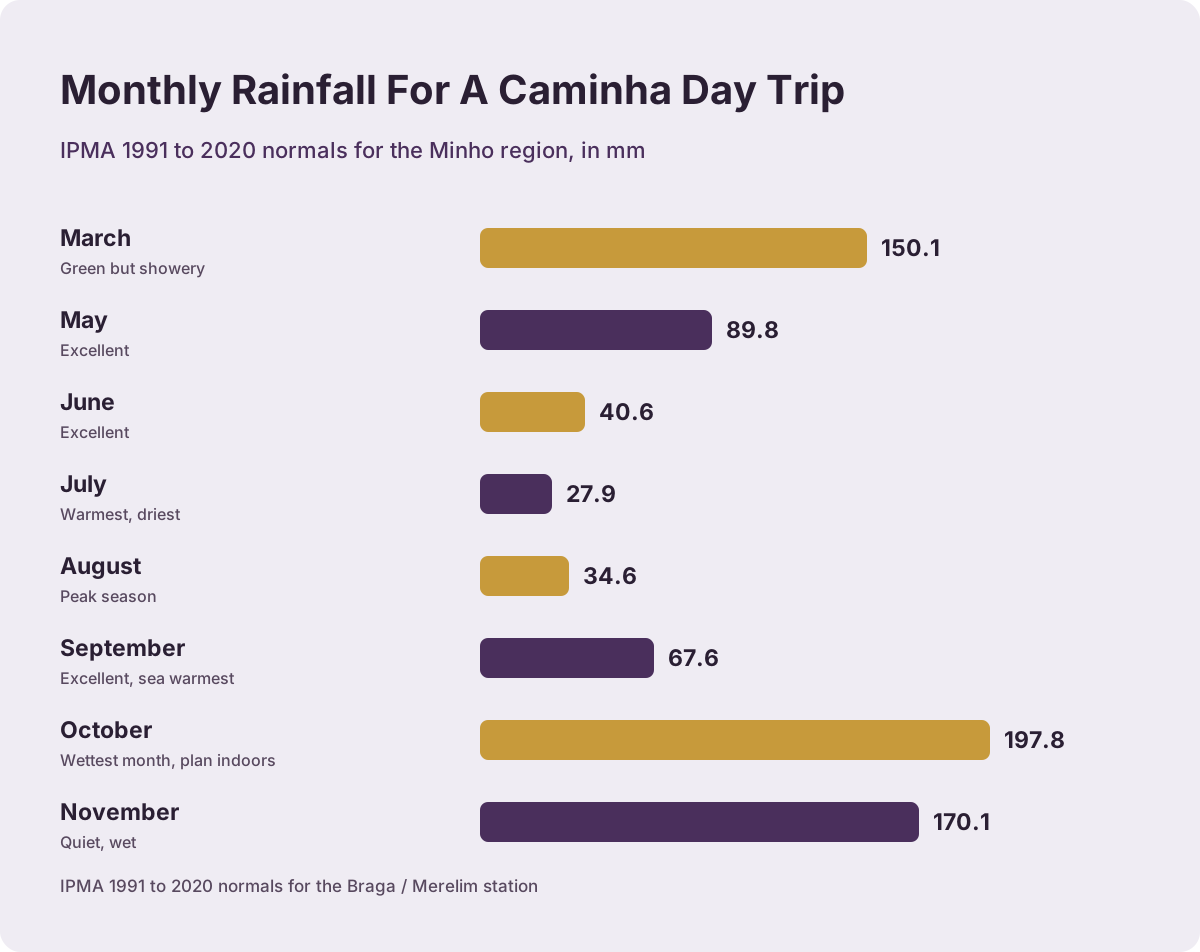
The best months to visit Caminha are May, June, September and early October, when the Minho is warm, the days are long and the rain is at its lowest, with July and August the warmest but busiest window. The coastal climate is milder than Braga's inland version in winter, but the region as a whole is one of the wettest in Portugal, so October through January brings regular rain and should be planned around rather than avoided outright.
The verified climate data for the region comes from the IPMA 1991 to 2020 normals for the Braga / Merelim station, inland from the coast, and they describe the pattern the whole Minho shares: a warm, dry summer and a mild, wet winter. July is the driest month on the series, with 27.9 mm of rain, and August the warmest, with a mean maximum of 28.7 C. October is the wettest month on average, at 197.8 mm, with December and January close behind, and rain days of one millimetre or more run twelve to thirteen a month from October to January.
For a Caminha day specifically, the beach and riverfront are the reason to come, so the summer window matters more than it does for the church-and-museum towns. June through September is the season when the sands are usable and the estuary walk is at its best. The trade-off is that August is the month when Portugal travels, and the coast fills accordingly. September is the connoisseur's choice: the sea is at its warmest, the crowds thin, and the first autumn rains are still weeks away on average.
| Month (inland Minho normals) | Mean max C | Rain mm | Rain days 1 mm+ | Day trip verdict |
|---|---|---|---|---|
| March | 17.8 | 150.1 | 11.8 | Green but showery |
| May | 23.0 | 89.8 | 8.9 | Excellent |
| June | 26.1 | 40.6 | 5.7 | Excellent |
| July | 28.2 | 27.9 | 4.0 | Warmest, driest |
| August | 28.7 | 34.6 | 3.8 | Peak season |
| September | 26.9 | 67.6 | 6.2 | Excellent, sea warmest |
| October | 22.2 | 197.8 | 12.0 | Wettest month, plan indoors |
| November | 17.0 | 170.1 | 12.9 | Quiet, wet |
Winter visitors are not stranded. The town's square, church and restaurants work year round, and the estuary in winter light is a photographer's subject. But the honest advice is that a wet Minho day is better spent in Braga's museums and cafes, a scenario covered in detail in the rainy day in Braga guide, and Caminha saved for a clearer forecast.
Is Caminha Worth The Trip Compared With Other Minho Towns?
Caminha is worth the trip for travellers who specifically want the border-and-estuary landscape and a quiet, walkable town, and it is the right choice over Viana do Castelo when the aim is calm rather than sights. It is not worth it over Guimarães or Ponte de Lima if castles, bridges and medieval monuments are the priority, because Caminha's attractions are outdoor and atmospheric rather than architectural headline pieces.
The honest ranking depends on what a day trip is for. If the purpose is to see the most impressive monuments in the region, the answer is Guimarães, the birthplace town of Portugal with its castle and palace, reached from Braga on AITC line 101, or Ponte de Lima with its medieval bridge. If the purpose is scenery, the Peneda-Gerês National Park, covered in the site's Peneda-Gerês day trip guide, outdoes every town on this list. Caminha's niche is different: it is the place where the geography itself, a river mouth, a border and an ocean, is the sight.
The border angle deserves one more note. Caminha lies on the coastal branch of the Caminho de Santiago, the pilgrim route to Santiago de Compostela, and the town's ferry crossing to Spain has carried walkers for centuries. Pilgrims and long-distance travellers pass through on their way to Santiago de Compostela or to Galicia via Vigo, and that through-traffic gives the square a mix of locals, visitors and people mid-journey that few towns this small have. It also means accommodation and cafes are used to people passing through.
For a broader comparison of everything reachable from Porto and Braga, the site's answer page on good day trips from Porto ranks the options, and the question of whether Braga itself merits the journey is settled in is Braga worth a day trip from Porto.
If the Minho's outdoors call louder than its towns, the region's strongest guided products are on the adventurous side. The 3 Wonderful Waterfalls in a Day tour covers the waterfalls of the Gerês country in a full day from the region. It is a Gerês-area product, so it substitutes for a town day rather than complementing one.
How Much Does A Caminha Day Trip Cost?
A Caminha day trip costs very little beyond transport and food, because the town's main attractions, the square, the riverfront, the estuary walk and the beaches, are free to enjoy. Budget for lunch, a bottle of vinho verde and the bus fares.
The cost structure of a Caminha day is the mirror image of a monument town. There are no cathedral tickets, no museum entries and no funicular fares in the verified fact base for the town, because its sights are open air. The comparable Braga day, for context, involves real figures: the Sé de Braga's combined ticket for all three visit routes is 7.00 EUR, and the TUB tourist ticket for the city's buses runs 3.35 EUR for one day. Caminha strips those categories out entirely.
What remains is food and drink, and the Minho is a moderate region by Portuguese standards. Lunch at a family restaurant in the square, a bottle of the local wine and a coffee or two make up the bulk of the day's spending. The one verified regional figure worth carrying is the tourist tax, which applies to overnight stays, not day trips: Braga levies 1.55 EUR per person per night for up to four nights, so it affects only travellers who convert the day trip into an overnight.
| Cost element | Typical planning range | Note |
|---|---|---|
| Viana to Caminha leg | Priced separately | Check the operator's current fare |
| Town sights | Free | Square, riverfront, estuary, beaches |
| Lunch in the square | Moderate | Grilled fish and vinho verde territory |
| Overnight tax (if staying) | 1.55 EUR per night | Braga's rate, applies in Braga itself |
Common Questions About Caminha
Is Caminha in Portugal or Spain?
Caminha is in Portugal, on the southern bank of the Minho River, which forms the border with Spain. The Spanish region of Galicia begins directly across the water, and the Spanish coast is visible from the town's riverfront on a clear day.
How do I get from Braga to Caminha without a car?
There is no direct train, because the Braga line runs towards Porto. The usual public transport route is a coach from Braga to Viana do Castelo, followed by an onward coastal bus towards Caminha. Confirm both legs on the operators' current timetables before travelling, as regional schedules change seasonally.
What is Caminha known for?
Caminha is known for its position at the mouth of the Minho River on the border with Spain, its main square and clock tower, the carved Manueline portal of its parish church, and the long Atlantic beaches at the river mouth. It also lies on the coastal Caminho de Santiago pilgrim route.
Can you see Spain from Caminha?
Yes. The Spanish shore of Galicia lies directly across the estuary, and on clear days the buildings and hills of the far bank are plainly visible from the riverfront promenade.
Is Caminha worth visiting compared with Viana do Castelo?
The two serve different moods. Viana do Castelo is the larger regional capital with a pilgrimage basilica and grand architecture, while Caminha is smaller, quieter and centred on its river-mouth landscape. Visitors with a car often see both in one day.
When is the best time to visit Caminha?
May, June and September offer the best balance of warmth and low rainfall in the Minho region, based on the IPMA 1991 to 2020 climate normals for the area. July and August are the warmest and busiest months, while October through January is the wettest period, with twelve or more rain days a month on average.
A final planning note: Caminha rewards a slow pace and a loose schedule, and the day trips that work best from Braga are the ones that accept the region on its own terms, green, border-straddling and best served with a glass of vinho verde at the end of the afternoon.