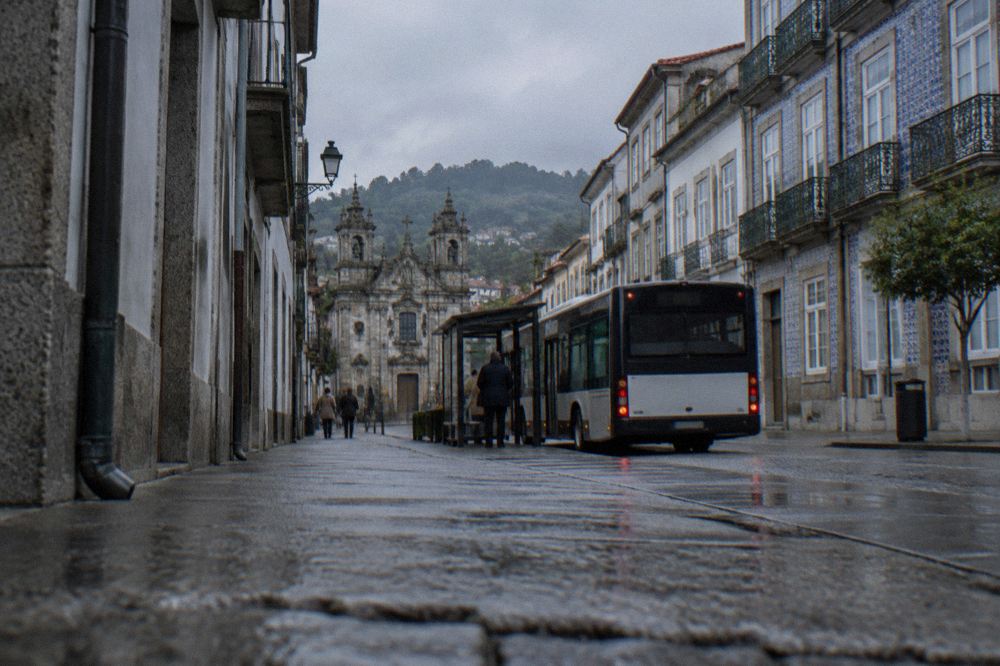
Douro Valley From Braga
Braga sits in the Minho, and the Douro Valley lies to its south-east: close enough for a long day trip, and easier still as an overnight. Here is how the two fit together.
Short answer
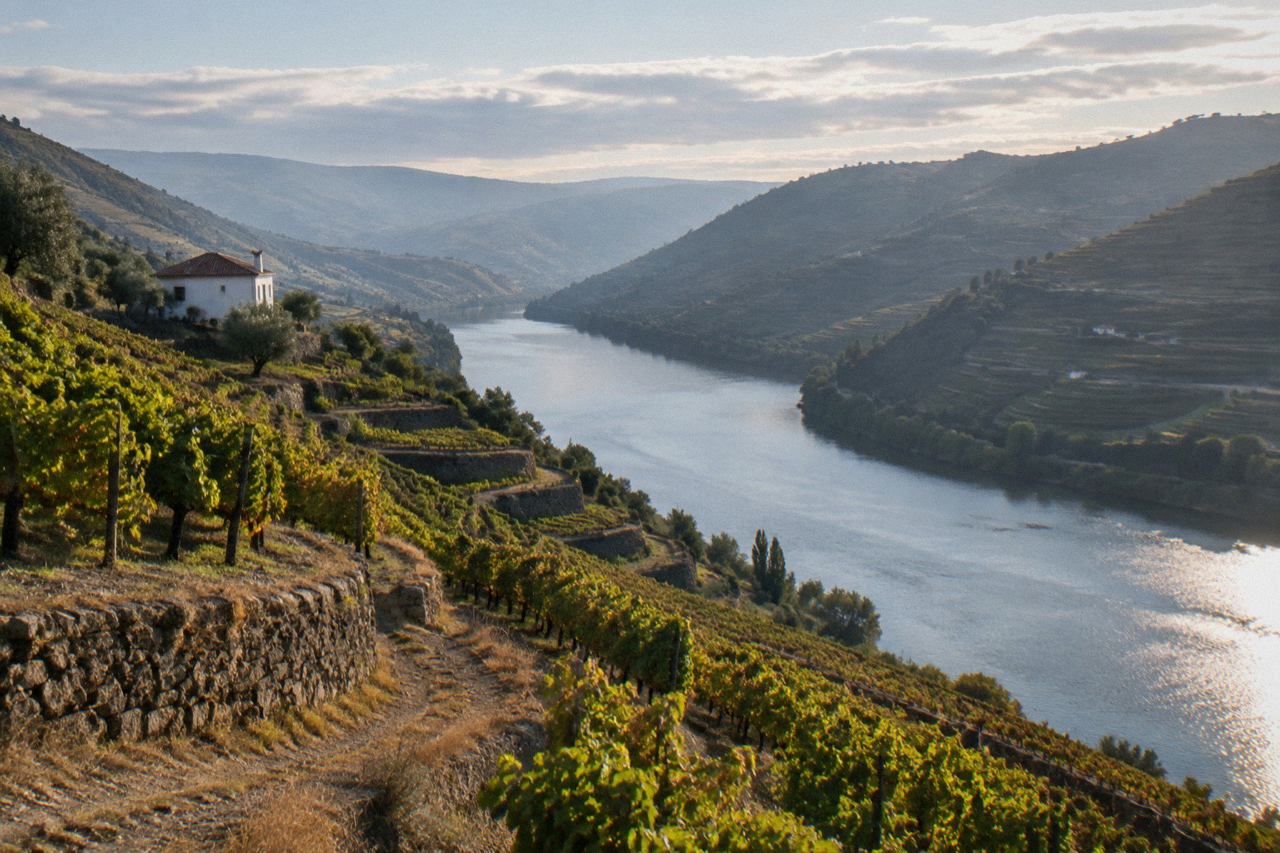
The Douro Valley is reachable from Braga as a long day trip or, more comfortably, an overnight: most routes pass through Porto, and the valley's wine estates and river towns cluster around Peso da Régua, Pinhão and the upper river.
Braga, the city in Portugal's Minho region, sits in the country's green north-west, and the Douro Valley, the terraced wine country that follows the Douro river inland, lies to the south-east of it. The two are not neighbours in the everyday sense: Braga's landscape is granite, rain and Vinho Verde, while the Douro is schist, heat and port wine. But they connect through Porto, and that connection makes the Douro one of the most rewarding long-range day trips you can plan from a base in Braga. This guide lays out the practical shape of that trip: how the routing works, which towns reward the effort, and when the Minho and the Douro are better combined into a two-region itinerary instead.
Can You Do A Day Trip From Braga To The Douro Valley?
Yes, a day trip from Braga to the Douro Valley is possible, but it is a long day and the valley rewards an overnight far more. The practical route runs south through Porto and up the river, and the drive or rail journey each way consumes a large part of the day. Visitors who want wine tastings, a river lunch and time to walk a terrace need either a very early start or a bed for the night.
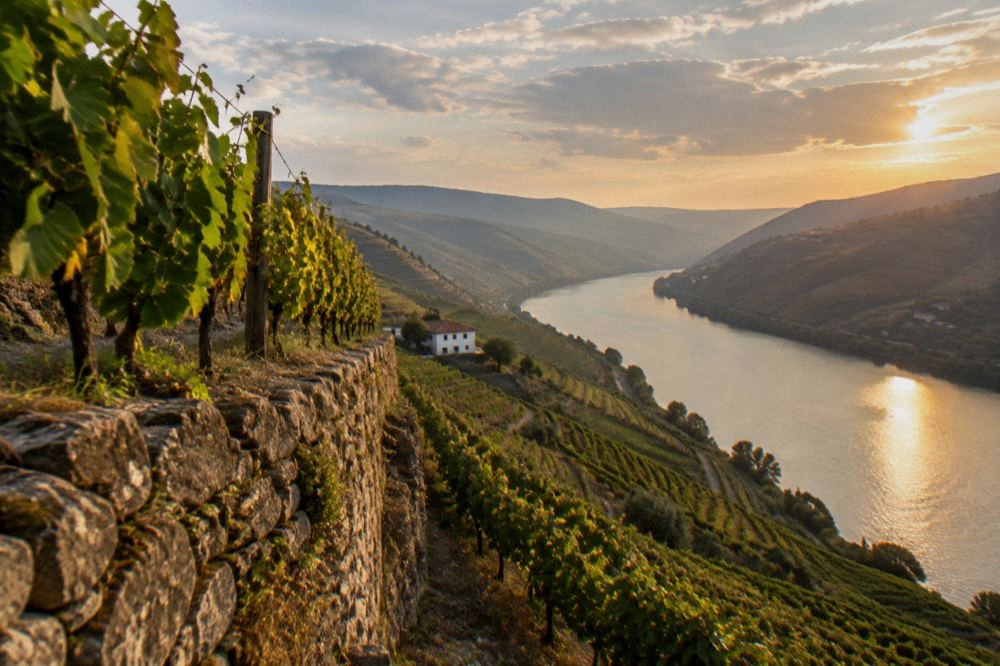
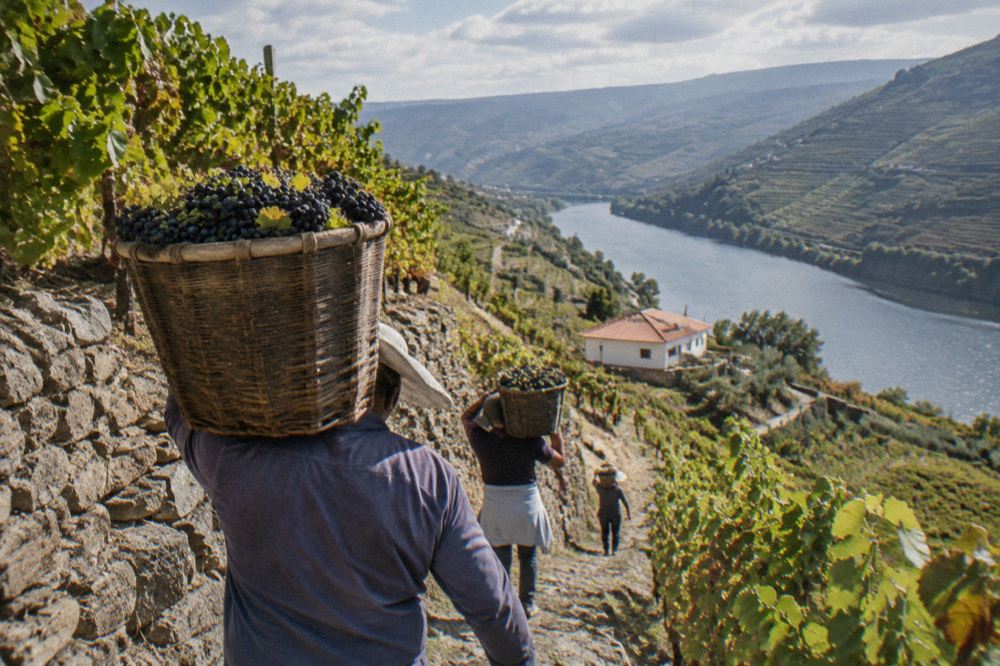
The honest framing matters here. The Douro is not a Braga day trip in the way that Guimarães or the Bom Jesus sanctuary is, where you can decide on the morning itself. It is a planned excursion, and the planning is worth it. The valley is the heart of Portuguese port wine, a landscape of hand-built stone terraces climbing the walls of a river gorge, with quintas, the wine estates, dotted along the water and the hills above it. Nothing in the Minho looks like it, and that contrast is exactly the point of going.
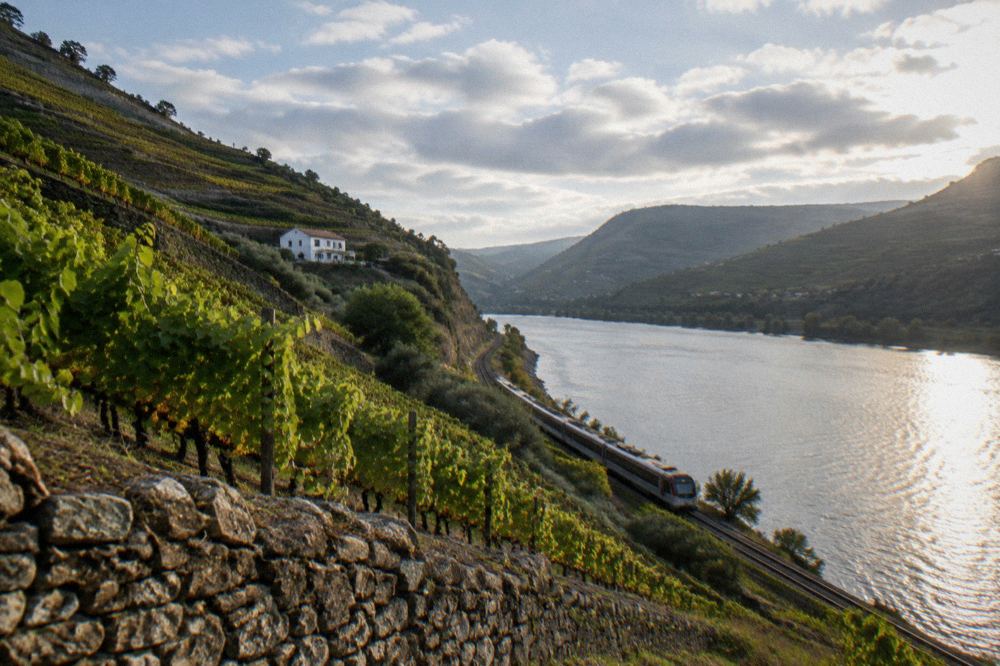
Two honest options shape the day. The first is a private car, which gives you the freedom to stop in Amarante on the way, follow the river road, and reach the estate of your choice directly. The second is rail via Porto, where the Douro railway line leaves the coast and runs along the river itself, one of the great train journeys of the region. Both routes pass through or around Porto, which means the Douro can also be bolted onto a trip that already includes the coast, as covered in the Porto day-trip guide.
How Do You Get From Braga To The Douro Valley?
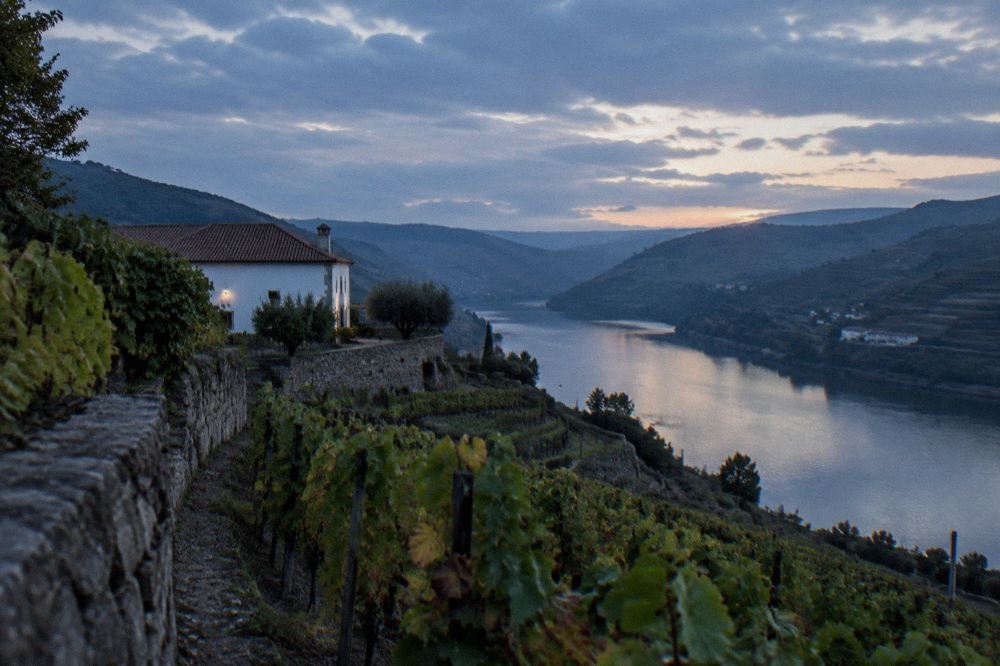
Most routes from Braga to the Douro Valley pass through Porto: by car you drive south and then inland, and by rail you travel to Porto first and change onto the Douro line. There is no single direct public-transport link from Braga into the valley, so every option involves a connection or a change of mode. Check the operator's own pages for current timetables before committing to a day plan.
By car, the trip is a straightforward drive south to the Porto area and then east into the valley. The advantage of driving is flexibility: you can leave early, stop in Amarante, and visit a quinta that sits well away from a station. The disadvantage is that the valley's roads are narrow, steep and, in the harvest season, busy with agricultural traffic, so a confident driver is a prerequisite.
By public transport, the journey is a two-stage affair. Braga connects to Porto by the CP urban railway, with tickets loaded onto a reusable Siga card, and the Douro line then runs from Porto along the river towards the wine towns. The rail option trades speed for scenery, and for many visitors the scenery wins. Check CP's own site for the current timetable before you travel, and buy or check tickets in advance for the summer months.
A third option is a guided tour, and for a single day from Braga this is often the most efficient use of time. Tours from Porto into the Douro run regularly, and a visitor based in Braga can pair one with the early train south. The site's featured option for this route is the Porto: Guimarães & Braga Tour with Entry Tickets and Lunch, a full-day small-group tour from Porto that covers the Minho side of the equation with lunch and entry tickets included, Check availability. It runs from Porto, not from Braga, and it pairs naturally with a Braga stay.
What Are The Main Towns To See In The Douro Valley?
The main towns of the Douro Valley, in the order most visitors meet them coming upriver from Porto, are Amarante on the approach, Peso da Régua at the valley's working centre, Pinhão in the heart of the terraced wine country, and the small upper-river settlements beyond. Each has a distinct character, and a one-day visit usually manages two of them well.
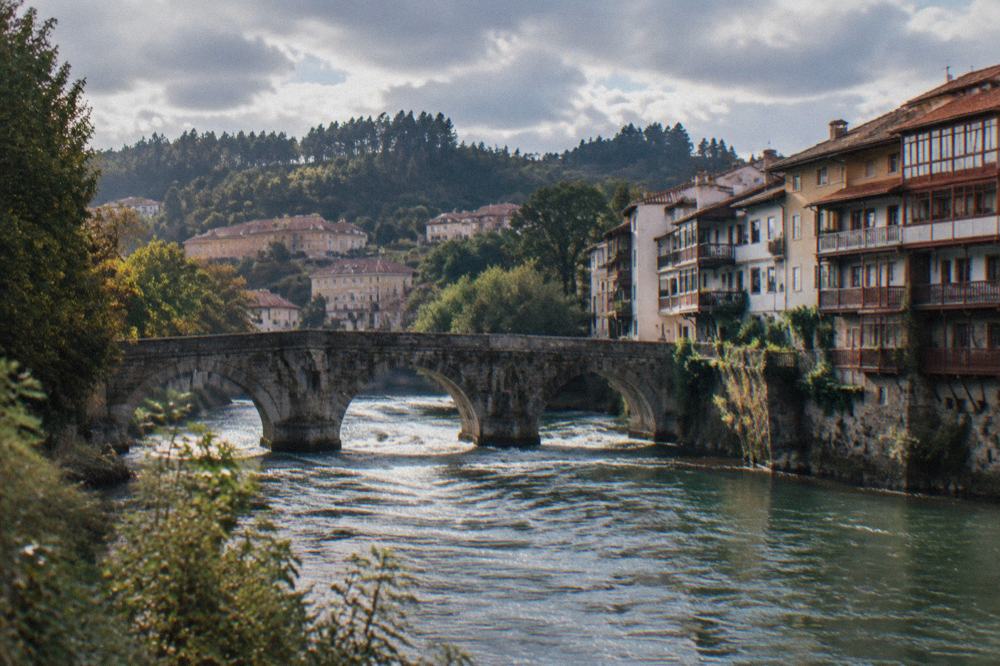
Amarante is the natural first stop on the drive from the north. It sits on the Tâmega river at the point where the Minho's granite gives way to the Douro's warmer country, with a famous arched bridge, a riverside old town and a convent that anchors its history. It is the town that tells you, geographically, that you have left the Minho.
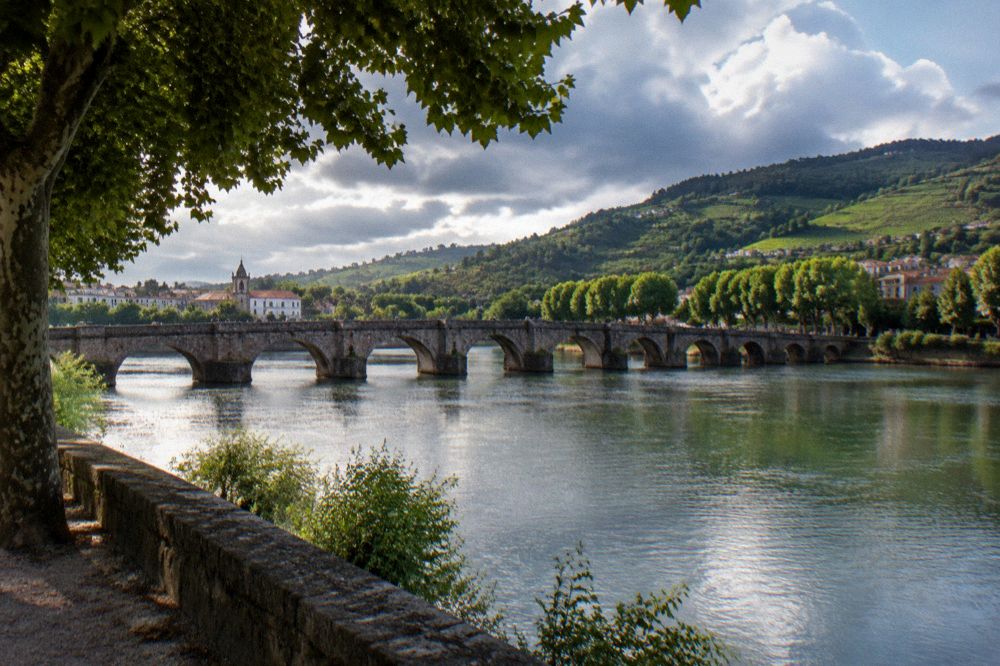
Peso da Régua is the valley's hub, the place where the barrels historically came down to the river for the boat journey to Porto. Today it is a working town with a waterfront, lodges and the main rail connection, and it functions as the practical base for visitors arriving without a car. Pinhão, further upriver, is smaller and more beautiful: the station's tiled panels, the amphitheatre of terraces around the river bend, and the quintas within a short drive make it the emotional centre of most day trips.
The upper Douro, beyond Pinhão, is wilder and quieter, with estates that only open by appointment and viewpoints that take effort to reach. It rewards the overnight visitor rather than the day-tripper.
| Town | What It Is Known For | Best For |
|---|---|---|
| Amarante | Arched river bridge, old town, convent on the Tâmega | A stop on the drive from Braga |
| Peso da Régua | Historic port-wine shipping hub, waterfront, rail access | A car-free base or first stop |
| Pinhão | Tiled railway station, terraced river bend, wine estates | The heart of a one-day visit |
| Upper Douro | Remote quintas, viewpoints, quiet river stretches | Overnight and multi-day trips |
For visitors weighing whether the effort is worthwhile, the site's answer page on the question, is a Douro Valley day trip worth it, works through the trade-offs in detail.
Is The Douro Valley Better As An Overnight From Braga?
An overnight is the better way to see the Douro Valley from Braga, because the single biggest cost of the trip is travel time rather than money or difficulty. One night in or near Pinhão or Peso da Régua turns a rushed day into a relaxed evening and morning, adds a second round of tastings, and lets you drive the river road after the day crowds have gone.
The case for the overnight is arithmetic. A day trip spends the morning getting there and the late afternoon getting back, which leaves a compressed middle of the day for everything the valley actually offers: the tastings, the viewpoints, the lunch, the walk among the terraces. An overnight shifts that balance. You arrive with the day still in front of you, eat where the wine is made, and use the next morning for the quiet hours, when the valley belongs to the people who work it.
The case for the day trip, to be fair, is real too. Not every itinerary has a spare night, and a well-run day with an early start still delivers the essence: one good tasting, one river viewpoint, one long lunch. If the day trip is what the schedule allows, take it, and be ruthless about what you cut.
Lodging in the valley runs from wine estates with guest rooms to small hotels in the towns, and the estate stays are the ones that book out first in the harvest period. Reserve ahead for September and October in particular.
What Does A Two-Day Douro Itinerary From Braga Look Like?
A sensible two-day plan from Braga drives south via Amarante on the first morning, spends the afternoon around Pinhão with a tasting and a river walk, sleeps in the valley, then works back downriver the next day through Peso da Régua and returns to Braga by early evening. The shape keeps the driving in short legs and puts the best scenery in the middle.
Day one should start early from Braga, before the roads fill. Amarante makes the natural coffee stop, roughly at the halfway point of the drive south, and an hour walking its bridge and riverside streets is enough to reset before the wine country begins. From there the road drops into the valley proper, and the afternoon belongs to Pinhão: a booked tasting at a quinta, the station's azulejo panels, and the viewpoint above the river bend in the late light.
Day two reverses the flow. A morning tasting, when the terraces are cool and the guides have time, is the valley at its best, followed by a slow drive downriver to Peso da Régua for lunch on the waterfront. The return to Braga in the late afternoon completes a loop that has used every hour of daylight well.
| Stage | Where | What To Do |
|---|---|---|
| Day 1 morning | Braga to Amarante | Early start, bridge and old town, coffee stop |
| Day 1 afternoon | Amarante to Pinhão | Arrive in the terraces, booked tasting, river walk |
| Day 1 evening | Pinhão | Dinner at a quinta or in town, sunset viewpoint |
| Day 2 morning | Pinhão | Second tasting, terrace walk before the heat |
| Day 2 afternoon | Peso da Régua | Waterfront lunch, then the drive back to Braga |
Visitors who prefer their two days split between regions rather than spent in one valley can invert the plan: a night in the Douro, then a night in the Minho, with things to do in Braga filling the return leg. The Minho's own headline sights, from Bom Jesus do Monte to the Sé de Braga, need no car and no booking window, which makes them the ideal low-effort counterweight to a planned Douro excursion.
When Is The Best Time Of Year To Visit The Douro From Braga?
The best months for a Douro Valley trip from Braga are May and June and again in September and October, when the valley is warm and dry and the vines are at their most photogenic, with the September-to-October harvest the peak experience. Midsummer works but is hot, and midwinter is quiet with reduced opening hours at many estates.
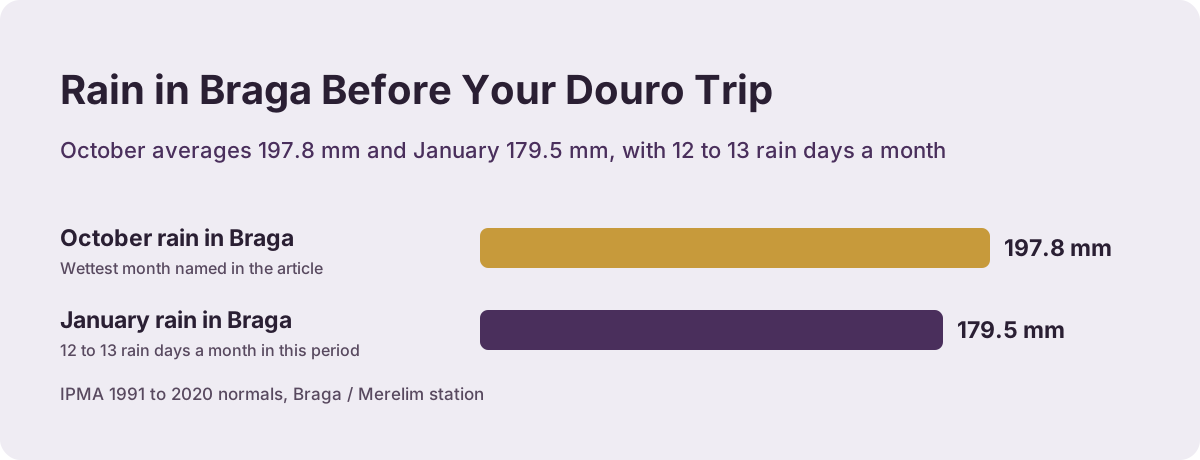
The valley's seasons are not Braga's seasons, and that difference is worth understanding before you book. Braga itself, by IPMA's 1991 to 2020 normals for the Braga / Merelim station, is a rain-soaked city: October averages 197.8 mm of rain and January 179.5 mm, with 12 to 13 rain days a month from October through January. The Douro, inland and sheltered by mountains, is one of Portugal's driest wine regions, and the same autumn week that soaks Braga can be clear and warm upriver.
| Period | Braga (Departure City) | Douro Valley (Destination) | Trip Verdict |
|---|---|---|---|
| March to April | Mild, frequent rain | Warming, vines budding | Good, with weather luck |
| May to June | Pleasant, rain easing | Warm, long days | Excellent |
| July to August | Warm, driest months | Very hot, busiest | Good, start early |
| September to October | Rain returning | Harvest, peak scenery | The best window |
| November to February | Wettest period | Quiet, limited openings | Only with low expectations |
The harvest, when the grapes come in and the estates are at their most alive, is the period every wine lover should aim for, and it is also the period when accommodation and tastings book out furthest ahead. Reserve the quinta before you reserve anything else.
For visitors whose window is the shoulder season and who want a nature fix that is closer to Braga, the Peneda-Gerês National Park, covered in the site's Peneda-Gerês guide, is the northern alternative: mountains rather than vineyards, and a shorter journey from the city.
How Does Douro Wine Compare With The Minho'S Vinho Verde?
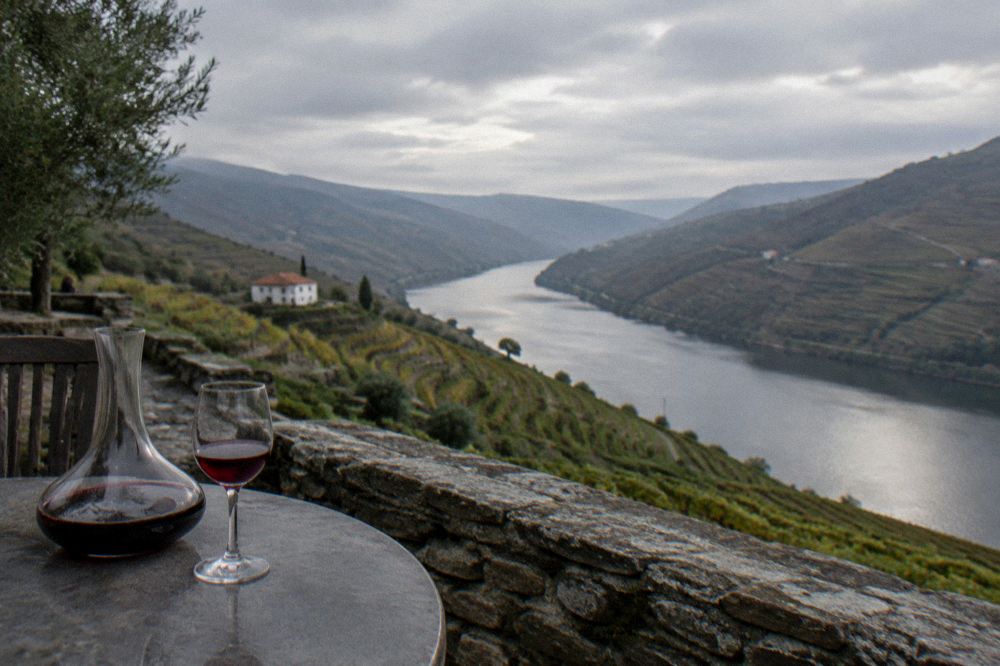
The Douro produces rich, warm-climate wines, above all port and full-bodied reds, while the Minho around Braga produces Vinho Verde, the light, acidic, low-alcohol wine of a cool, rainy region. The two are opposite answers to opposite climates, and a trip from Braga to the Douro is, in wine terms, a trip from one extreme of Portuguese winemaking to the other.
Vinho Verde, the Minho's wine, is grown where the Atlantic keeps everything green and the rain never quite stops. It is drunk young, often within a year, and its freshness is the point. The Douro is the reverse: hot, dry, steep, and built for concentration, whether in a fortified port or in the powerful dry reds the region also makes. A visitor who tastes both in the same week gets a compressed education in what climate does to a grape.
This is also why the wine traveller based in Braga does not need to go to the Douro at all, if the schedule is tight. The Minho has its own wine experiences within easy reach of the city, from estate visits to guided tastings, and the site's Vinho Verde guide covers them. The Douro adds scale, heat, history and port; the Minho offers freshness and proximity. Many visitors, given a week, take both.
Curious about the Minho's own wine close to the city? Book a Vinho Verde estate tasting here.
Should You Combine The Douro With Other Day Trips From Braga?
Combining the Douro with other day trips works well if you give the valley its own full day or overnight and use separate days for the Minho's nearer destinations, because the Douro is the one excursion from Braga where overpacking the schedule genuinely ruins the experience. Treat it as the anchor of a week, not one item in a list.
A week based in Braga can hold, without strain, the Douro, Guimarães, the coast and the mountains. The Minho's destinations are short hops: Barcelos for its market town character, Ponte de Lima for its river and Roman bridge, Viana do Castelo for its squares and its position on the Lima estuary. Each of these can be decided on the day, with a bus from Braga station or a short drive, and the AITC regional lines from the bus station serve several of them.
The Douro is different, and it is the one that punishes improvisation. Book the tasting, book the bed if you are staying, and give the valley the whole day. Visitors who try to sandwich the Douro between a morning in one town and an evening in another end up seeing only the road.
| Day Trip From Braga | Character | Planning Level |
|---|---|---|
| Douro Valley | Terraced wine country, port estates | Book ahead, full day or overnight |
| Guimarães | Medieval old town, castle | Decide on the day |
| Peneda-Gerês | Mountains, waterfalls, trails | Half a day to a full day |
| Barcelos | Market town, ceramics | Decide on the day |
| Ponte de Lima | River town, Roman bridge | Half a day is enough |
| Viana do Castelo | Coastal city, squares, estuary | Half a day to a full day |
For travellers who want the region's highlights without the driving, a guided option covers the ground in one organised sweep. The full-day Porto: Guimarães & Braga Tour with Entry Tickets and Lunch handles the Minho's two historic cities from Porto with lunch and tickets included, and it pairs well with a separate Douro day.
And for the evenings in Braga between excursions, a tuk tuk or walking circuit of the historic centre, like the Braga: Tuk Tuk City Tour, fills an afternoon without exhausting the legs before a long Douro day. The city's compact centre, from the Arco da Porta Nova to the Praça da República, is a half-day of wandering in itself, and it costs nothing to walk.
Common Questions About The Douro Valley From Braga
Can you do a day trip from Braga to the Douro Valley?
Yes, but it is a long day. Most routes pass through Porto, and the travel each way takes a large part of the day, so plan an early start, book any tasting in advance, and consider an overnight if you want more than a compressed visit.
Is there a train from Braga to the Douro Valley?
Not directly. The route is a two-stage journey: Braga connects to Porto by the CP urban railway, and the Douro line then runs from Porto along the river. Check CP's own site for current timetables before planning the day.
Which Douro town is best for a first visit?
Pinhão, for most visitors. It sits in the heart of the terraced wine country, its station carries famous tiled panels, and the wine estates around the river bend are within a short drive or boat ride. Peso da Régua is the practical alternative for car-free visitors.
When is the Douro harvest?
The grape harvest runs in the late summer and autumn shoulder season, with September and October the peak period and the busiest time for accommodation and tastings. Reserve the estate stay before anything else if that window is your target.
Is the Douro Valley better than the Minho for wine?
They are different rather than better or worse. The Douro makes rich, warm-climate wines and port; the Minho makes Vinho Verde, light and fresh from a cool, rainy region. A visitor based in Braga can taste the Minho's wines locally and take one planned day or overnight for the Douro.
The Douro Valley from Braga is the region's one excursion that rewards real planning, and the plan is simple: route through Porto, book the tasting, protect a full day or add a night, and let the Minho's easier trips fill the days around it. For more on the city that anchors the whole week, start with Braga Travel Guide.