Is A Douro Valley Day Trip Worth It?
An honest answer for visitors based in Braga, Portugal: when a Douro Valley day trip makes sense, when it does not, and which Minho day trips beat it on travel time.
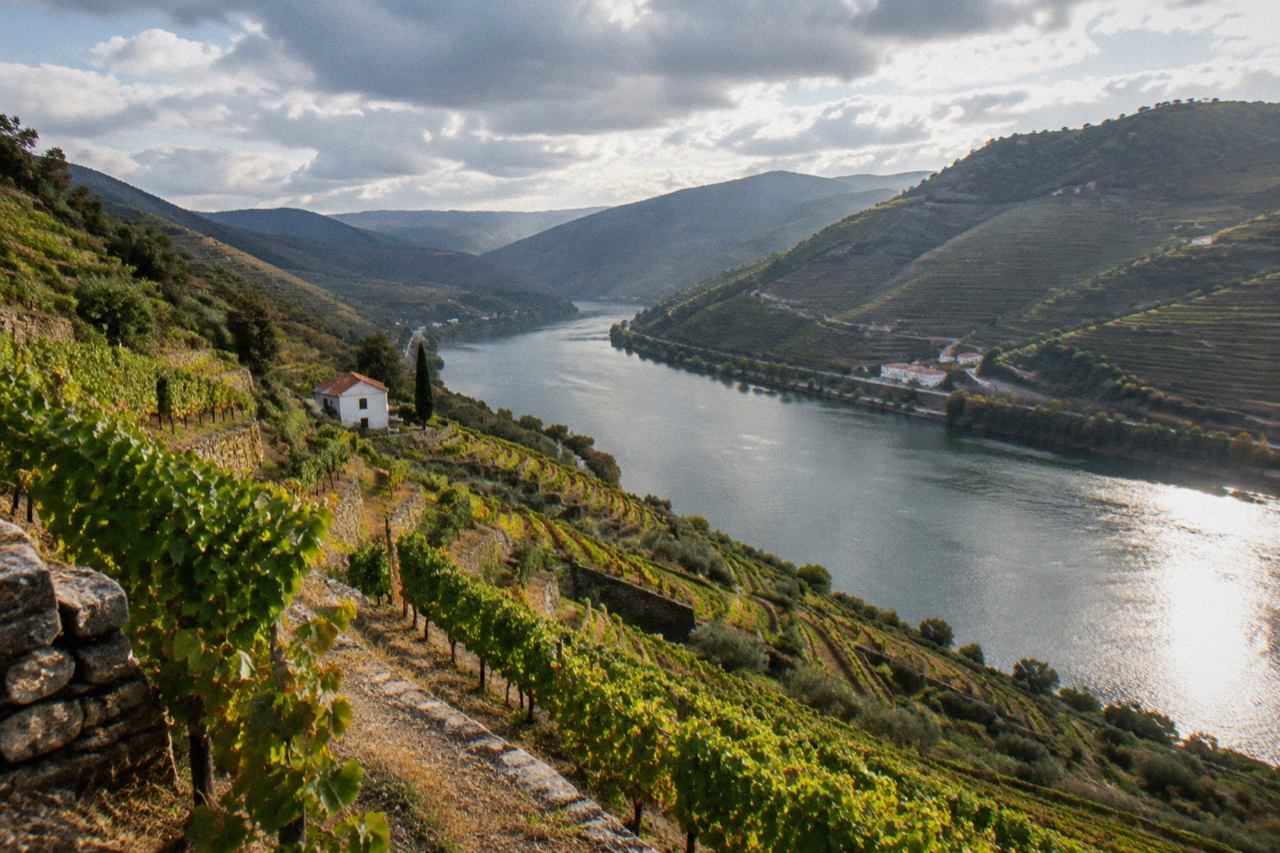
Braga, the city in Portugal's Minho region, sits in the green north of the country, and the Douro Valley sits elsewhere entirely: east of Porto, where the river cuts through terraced slopes of vines that produce port wine. That geography is the whole question. A day trip to the Douro from Braga is possible, and for some visitors it is genuinely worth it, but it asks you to spend a large share of the day moving rather than looking, because every route from Braga runs back through the Porto area before turning inland. This page weighs the trade honestly, and it names the day trips that are closer to Braga and often deliver more per hour.
Where Is The Douro Valley Relative To Braga?
The Douro Valley lies east and south of Porto, on the opposite side of the region from Braga, so a day trip from Braga always means travelling via the Porto area first. Braga is a terminus railway city at the top of its own line, and the Douro's railway, the scenic line along the river, starts from Porto's São Bento station. There is no direct link between the two. Every plan from Braga doubles back south before turning inland toward the wine country.
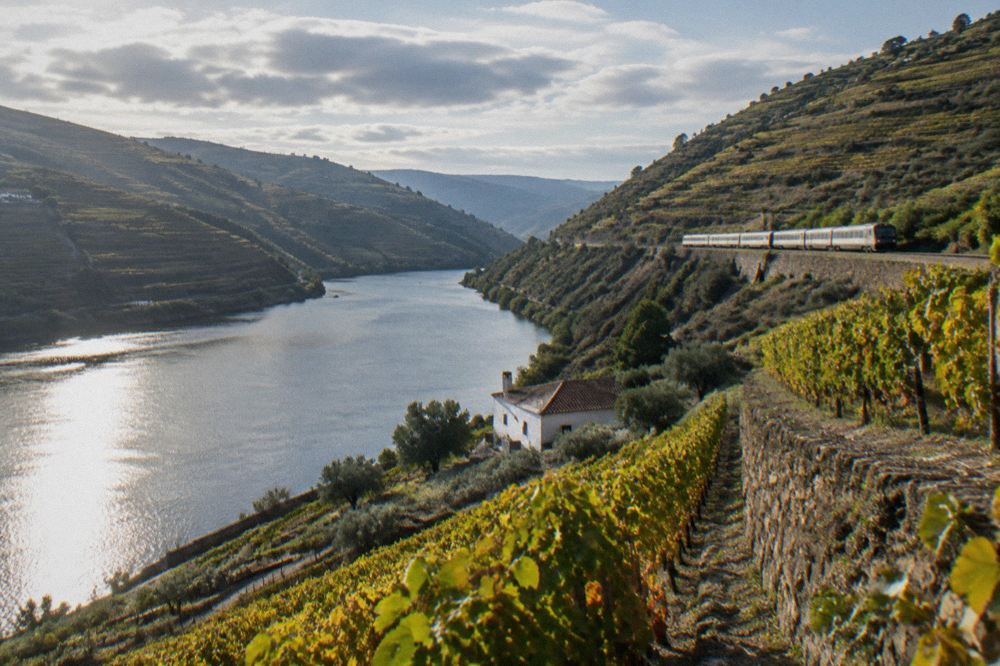
That is not a reason to abandon the idea, but it is the fact that decides the day. The Douro is known for its terraced vineyards, its quintas where port and table wines are made, and river cruises along the stretches where the slopes close in. It is one of the most photographed landscapes in Portugal. Braga, by contrast, is a baroque church city with its own hill sanctuaries, and its strength as a base is proximity: Guimarães, Gerês, Barcelos, Ponte de Lima and the coast are all short hops from its bus station, while the Douro is the one headline destination that is not.
The practical shape of a Douro day from Braga is therefore a two-leg journey: Braga to Porto, then Porto into the valley. From Porto, the valley opens up by train, tour or boat. If you want the fuller picture of that second leg, the Douro Valley day trip guide on this site covers it in detail.
Is A Douro Valley Day Trip Worth It?
A Douro Valley day trip is worth it from Braga only if you accept that transport will eat several hours of your day and you treat the journey as part of the experience. It is not worth it if you have just one or two days in the region, because Braga's own sanctuary hill, cathedral and historic centre, plus the closer Minho towns, will fill that time with far less travelling.
Visitors with three or more days can afford one long-range day, and the Douro is the best one northern Portugal offers.
The honest test is what you would otherwise do with the day. If the alternative is a second afternoon in Braga, the Douro wins: a river gorge lined with vines is a different world from a city of granite churches. If the alternative is seeing Guimarães, or the Peneda-Gerês National Park, or the Atlantic coast at Esposende, the calculation flips, because each of those is a short bus ride from Braga's Central de Camionagem and the Douro is not. The is Braga worth a day trip from Porto question cuts the same way in reverse: short trips reward short distances.
There is also a seasonality argument. The Douro is at its most photogenic in late summer and autumn, when the harvest brings activity to the slopes; in the wet months, when Braga records 12 to 13 rain days a month with a millimetre or more from October to January by the IPMA normals for the local station, a long day of transfers is harder to enjoy, and Braga's museums and cafés are the better shelter. If the Douro is a must, plan it for the driest stretch of your stay.
What Are Better Day Trips From Braga Than The Douro?
For most Braga-based visitors, the better day trips are Guimarães, the Peneda-Gerês National Park, Ponte de Lima and Barcelos, all of which are served by regional buses direct from Braga bus station with no doubling back through Porto. The verified AITC line numbers are 101 to Guimarães, 201 to Caldas do Gerês, 105 to Ponte de Lima and the coastal lines to Esposende and Póvoa de Varzim. Each delivers a full day out for a fraction of the travel overhead the Douro demands.
Guimarães is the medieval birthplace city of Portugal, a short bus ride away on line 101, and pairs naturally with Braga as the Minho's twin highlights. Gerês is the country's only national park, with granite peaks, waterfalls and hot springs, reached on line 201 toward Caldas do Gerês. Ponte de Lima is a riverside town famous for its Roman bridge and its long monthly market. Barcelos holds its large Thursday market. None of these needs a train change in Porto, and none needs a tour bus booked from another city. The full index of guides sits on Braga Travel Guide.
| Destination | What It Is Known For | Verified Bus Line From Braga | Why It Beats The Douro From Braga |
|---|---|---|---|
| Guimarães | Medieval historic centre, castle and ducal palace | AITC line 101 | Direct bus, no change in Porto |
| Peneda-Gerês National Park | Granite mountains, waterfalls, spa villages | AITC line 201 to Caldas do Gerês | Only national park in Portugal, in Braga's own district |
| Ponte de Lima | Roman bridge, riverside old town | AITC line 105 | Classic Minho landscape without the distance |
| Barcelos | Thursday market, rooster legend | Train with a change at Nine | Market day gives a fixed reason to go |
| Póvoa de Varzim and Esposende | Atlantic beaches | AITC lines 107 and 106 | The coast, something the Douro cannot offer |
Regional bus fares and journey times for these routes are not published in a form this site can stand behind, so check the AITC timetables before committing, and there is no direct train from Braga to Guimarães: the bus is the primary option. In Gerês, summer car access to the Mata de Albergaria section is limited and charged, so arrive early or go by the park's own logic on foot. For the fuller argument on the park, see is Gerês National Park worth visiting.
Should You Do The Douro From Porto Instead Of Braga?
Yes, in most cases: the Douro is organised around Porto, with valley tours, river cruises and the scenic railway all departing from there, so the strongest version of a Douro day trip starts from Porto, not Braga. If the Douro is the priority of your trip, base yourself in Porto for that leg and visit Braga as a day trip from Porto, rather than forcing the valley into a day that starts in Braga.
This is the itinerary advice that saves the most grief. Porto and Braga are linked by an urban train taking a little over an hour each way, so splitting a northern Portugal trip between the two cities is easy, and it lets each day trip leave from the sensible end. The one day in Braga itinerary shows how little time the city itself needs to feel complete, and the good day trips from Porto page lays out the full menu from the southern base, Douro included.
What Does A Day In Braga Itself Cost Against A Douro Day?
A day spent in and around Braga costs far less than a Douro day trip, because the city's headline sights are cheap or free: the Bom Jesus do Monte grounds list no admission charge, each of the cathedral's three visit routes costs 3.00 EUR with a combined ticket at 7.00 EUR, and a TUB tourist day ticket covering the whole urban bus network, including the line to Bom Jesus, is 3.35 EUR.
A Douro day adds intercity transport, valley transport and usually a tasting or cruise fee on top.
The comparison is not really about money, since a Douro tasting day can be modest if you travel independently, but about how much of your spend converts into experience. The TUB tariff also offers a two-day tourist ticket at 6.05 EUR and a three-day ticket at 8.05 EUR, which covers a visitor's entire urban movement in Braga for less than a single long-range excursion costs elsewhere. Add a paid guided walk and a pastry stop and you have a rich day with almost no transit time at all.
| Item | Verified Price | Notes |
|---|---|---|
| TUB tourist ticket, 1 day | 3.35 EUR | Whole urban network, in force since 21 February 2026 |
| TUB tourist ticket, 2 days | 6.05 EUR | Same network, two consecutive days |
| Sé de Braga, one visit route | 3.00 EUR | Treasury-Museum, chapels and choir, or cathedral |
| Sé de Braga, all three routes | 7.00 EUR | Combined ticket; any two routes 6.00 EUR |
| Bom Jesus do Monte grounds | No admission charge listed | Funicular currently out of service; shuttle replacing it |
If you do spend a day in the city rather than the valley, a guided introduction is the efficient way to anchor it. The Braga tuk tuk city tour covers the historic centre in thirty minutes to two hours, from 22.66 USD per person, rated 4.8 from 179 reviews, and pairs well with a slower afternoon on foot. Check availability if that pace suits your group.
Common Questions About Douro Valley Day Trips From Braga
Is A Douro Valley Day Trip Worth It?
From Braga, only as a deliberate long-range day when you have three or more days in the region and accept several hours of transport. With one or two days, the closer Minho destinations give more experience per hour.
Can You Get From Braga To The Douro Valley Directly?
No. Every route runs via the Porto area first, typically by urban train from Braga to Porto and then onward by valley railway, tour or boat from Porto.
Is The Douro Or Peneda-Gerês Better From Braga?
Gerês is the better fit for most Braga-based visitors: it lies partly within Braga's own district, is reached by regional bus line 201 toward Caldas do Gerês, and needs no doubling back through Porto.
How Many Days Should You Spend In Braga Before Adding The Douro?
One focused day covers Braga's core, including the Sé de Braga, the historic centre and Bom Jesus do Monte. A second day opens up Guimarães or Gerês. The Douro is a third-day-and-beyond proposition.
Does Braga Charge A Tourist Tax That Affects The Comparison?
Yes. Braga's municipal tourist tax is 1.55 EUR per person per night in 2026, for up to four consecutive nights per stay, charged year-round by hotels and local accommodation to guests aged 16 and over.
The short version: the Douro is worth anyone's time, but from Braga it is the most expensive day in the region to buy with your hours, so spend it there only when the closer Minho has already had its due.