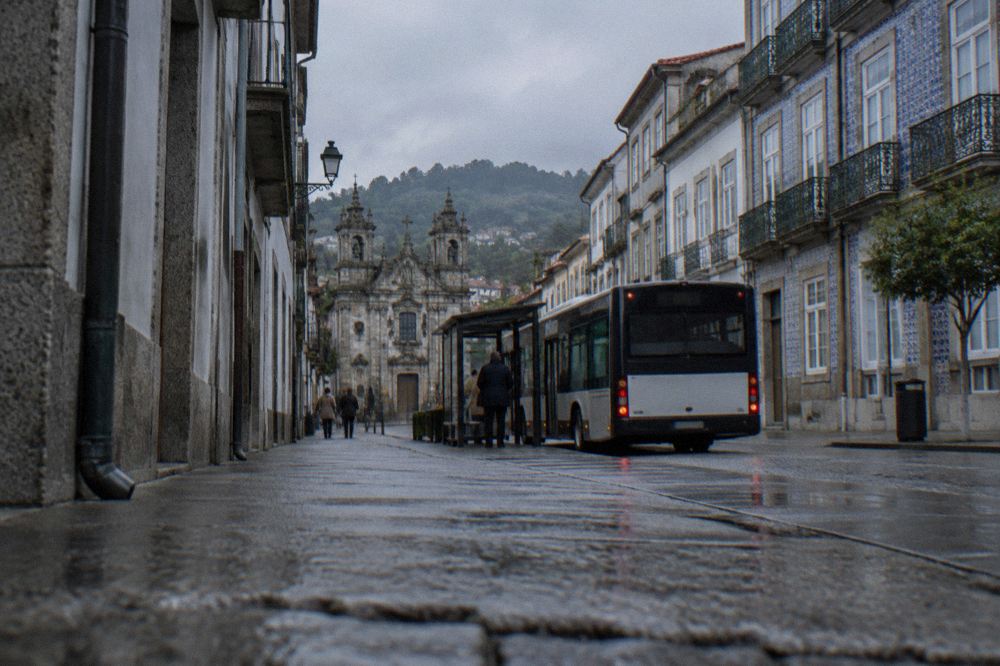
Amarante Day Trip From Braga
Amarante, a small riverside town on the Tâmega east of Braga, makes one of the quieter day trips out of the Minho: a granite bridge, a riverside church, cake-baker legends and a modern-art museum wrapped into a walkable historic centre.
Short answer
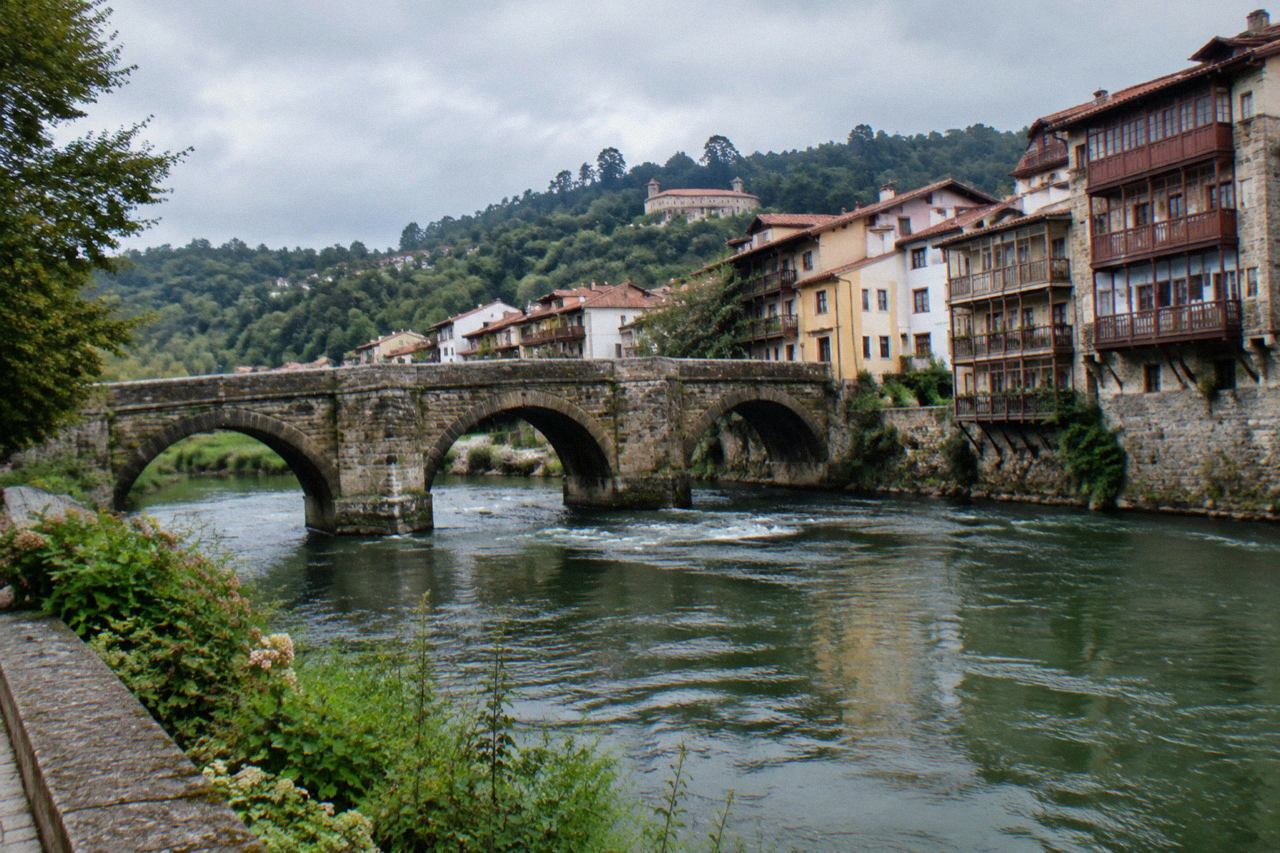
Amarante sits on the Tâmega river and is known for its medieval bridge, the church of São Gonçalo, the Amadeo de Souza-Cardoso museum and its riverside setting. There is no direct train from Braga, so the trip means a drive or a bus connection, and one full day covers the whole town comfortably.
Braga, the city in Portugal's northern Minho region, sits at the centre of a web of day trips: Guimarães to its east, the coast to its west, the Peneda-Gerês mountains to its north. Amarante is the one that pulls away from all of these, a town on the Tâmega river further inland, reached by crossing the hills rather than following the coast. It is a different mood from Braga's baroque swagger, smaller and slower, built along one river and around one bridge, and it rewards a traveller who has already seen the big sanctuaries and wants a day without crowds.
Amarante is known for a handful of things and does not pretend to more. Its granite bridge, the Ponte de São Gonçalo, is the town's signature, a low medieval arch straddling the Tâmega with the church of São Gonçalo pressed right up against its western end. The town's patron saint, a local Dominican friar of the Middle Ages, is the subject of a festival each June and of a long tradition of phallic-shaped pastries that still amuses and embarrasses the town in equal measure. And the painter Amadeo de Souza-Cardoso, born here, gives Amarante a small but serious modern-art museum. None of this takes more than a day, which is exactly the point.
Before setting out east, it is worth deciding how the morning in Braga itself fits the plan. The city's compact historic centre can be covered quickly, and a tuk tuk city tour of Braga is one way to see the Sé de Braga, the Arco da Porta Nova and the gardens without eating the whole day; the operator's listing says the ride runs from thirty minutes up to two hours, so it scales to whatever time the Amarante plan leaves over.
What Is Amarante Portugal Known For?
Amarante is a small town on the Tâmega river, known above all for the Ponte de São Gonçalo, its medieval bridge, the riverside church dedicated to the same saint, the June festival in his honour, and the municipal museum built around painter Amadeo de Souza-Cardoso, one of Portugal's early modernists. The whole town folds into a walkable grid of granite lanes along one bank.
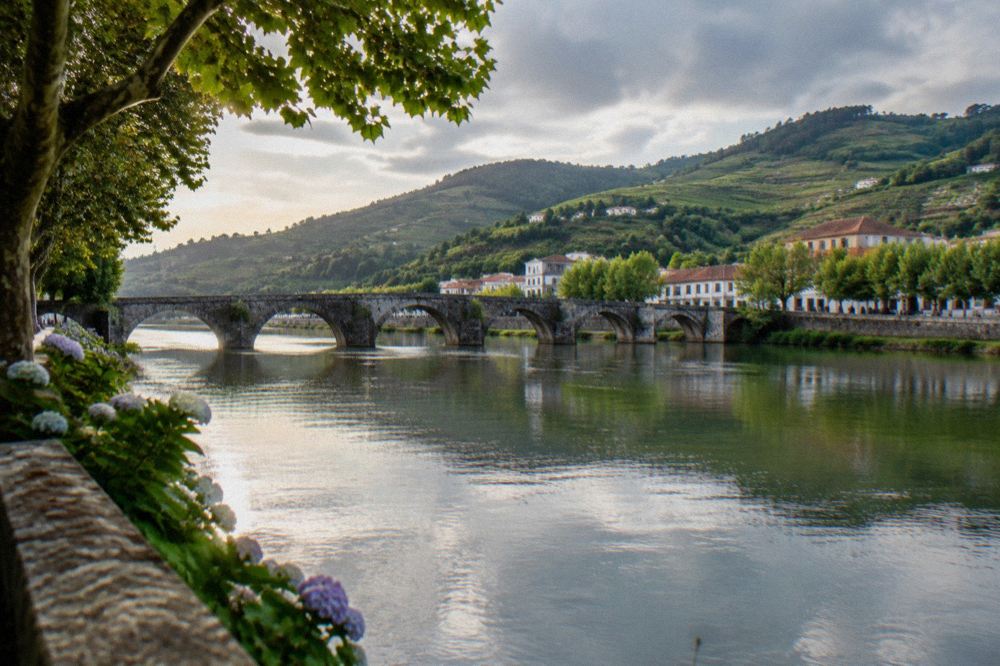
The bridge is the reason most visitors come and the reason the town exists where it does. The Ponte de São Gonçalo is a low, heavy arch of stone, and the church of São Gonçalo leans against its western abutment so tightly that the two read as one structure. The saint himself, Gonçalo de Amarante, was a local Dominican friar of the Middle Ages, credited in legend with building the original bridge and remembered for blessings of fertility, which is where the town's famous pastries come in: the doces de São Gonçalo are baked in unmistakably phallic shapes, sold year-round, and eaten with a straight face at the June festival that carries his name.
The second thread is art. Amadeo de Souza-Cardoso was born in Amarante and died young, after a Paris decade alongside the generation that invented Cubism. The town's museum holds the bulk of his work, and it is a genuinely surprising collection to find in a town this size. The third thread is simply the river: the Tâmega runs fast and green through the middle of town, and the riverside park on the near bank is where the town spends its afternoons.
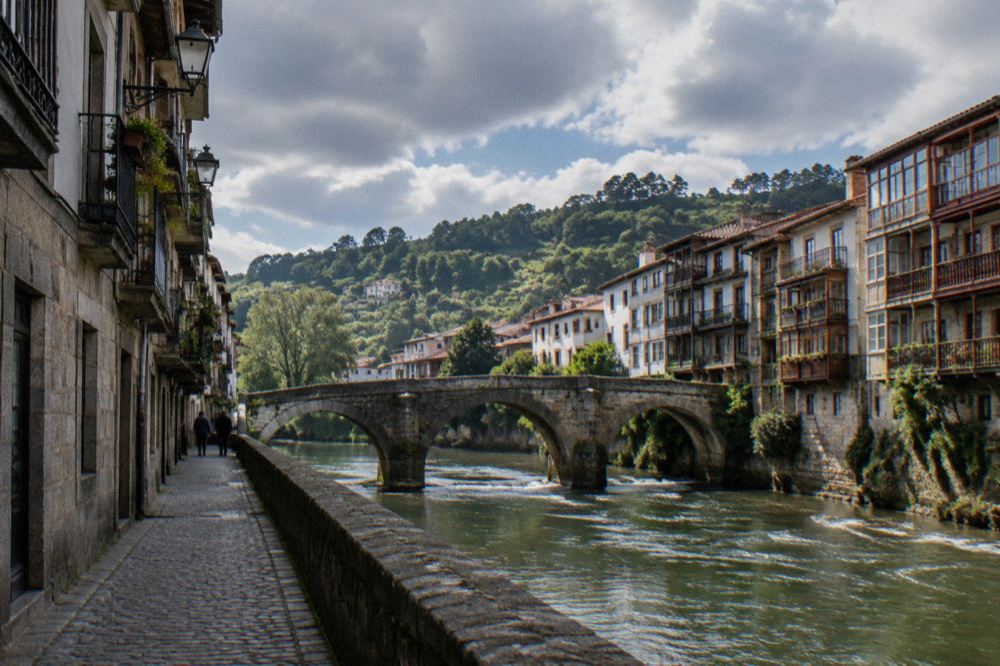
For a Braga-based traveller, the useful comparison is scale. Braga is a baroque city of churches, sanctuaries and processions; Amarante is one bridge, one church, one museum and one river, done thoroughly. If the day trip is meant to add variety rather than more monuments, that trade is the appeal.
How Do You Get From Braga To Amarante?
There is no direct train between Braga and Amarante, so the trip means either driving or working out a bus connection through the regional network, and the practical advice is to check the national operator's current timetable before committing, because this route is not served by the Braga city network or the AITC intermunicipal lines listed at Braga bus station.
The verified regional bus lines from Braga bus station run to the north, west and coast: AITC line 101 to Guimarães, line 105 to Ponte de Lima, line 100 to Vila Verde and Arcos de Valdevez, line 201 to Caldas do Gerês, line 200 to Covide, lines 106 and 107 to Póvoa de Varzim and the coast, and line 109 to Famalicão. Amarante is not on that list. It lies to the south-east, towards the Douro, and reaching it by public transport means a connecting service rather than a single ride from the Braga station, so the timetable has to be checked on the day of travel.
Driving is the straightforward option and the one most visitors choose. The route leaves Braga heading south and east across the hills, and because no journey time or distance for this specific route is published in the sources this site works from, the honest advice is to allow a generous half day for the round trip and to check a mapping service before setting out. What can be said is the character of the drive: it crosses the interior of the Minho, past small towns and vineyard valleys, and it is a different landscape from the coastal run to Viana do Castelo or the mountain climb to Gerês.
Happy to drive yourself east for the day. Book a rental car here.
For travellers without a car, the honest planning answer is that Amarante is the least convenient of the region's day trips, and that is part of why it stays quiet. The alternatives that are easy by verified direct bus from Braga, Guimarães above all, are covered in the site's Guimarães day trip guide, and the full menu of options from both Braga and Porto is laid out in good day trips from Porto.
One way to use the awkward logistics in your favour: leave Braga after a morning in the city, hand the sightseeing over to a guide, and arrive in Amarante for the late afternoon, when the bridge photographs best and the riverside bars fill up. The Explore the Portuguese Rome city tour covers the historic centre in about ninety minutes, and the flexible walking tour of Braga's historic centre runs longer with a schedule that bends around the group.
What Should A One-Day Amarante Itinerary Look Like?
A one-day Amarante itinerary walks the bridge first, then the church of São Gonçalo and its cloister, then the Amadeo de Souza-Cardoso museum, with the riverside park and the pastry shops filling the gaps, and everything sits within a few minutes' walk of the bridge itself, so the day needs no transport once the town is reached.
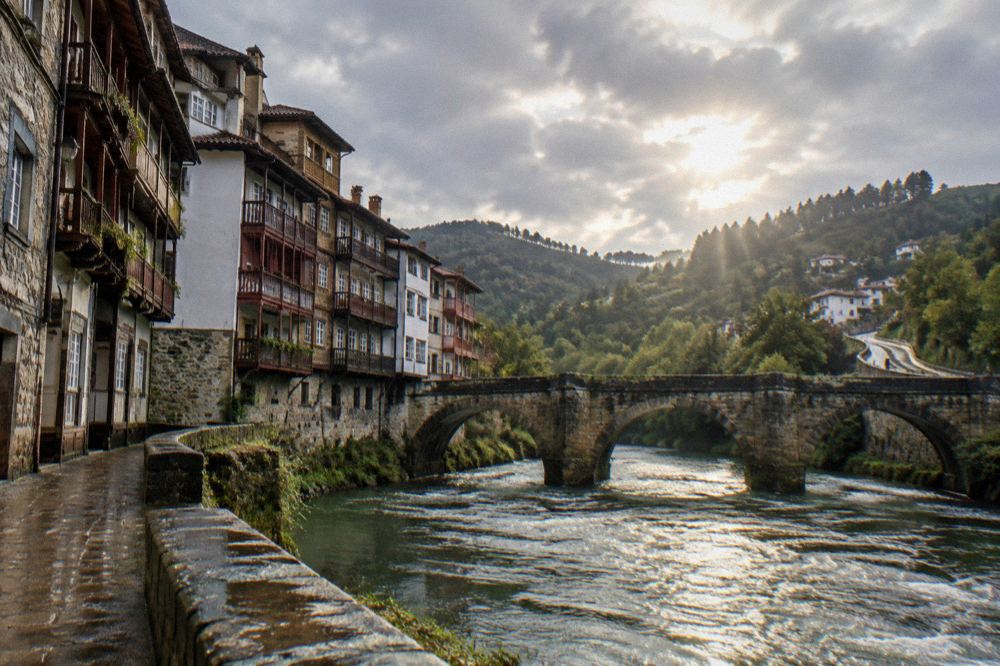
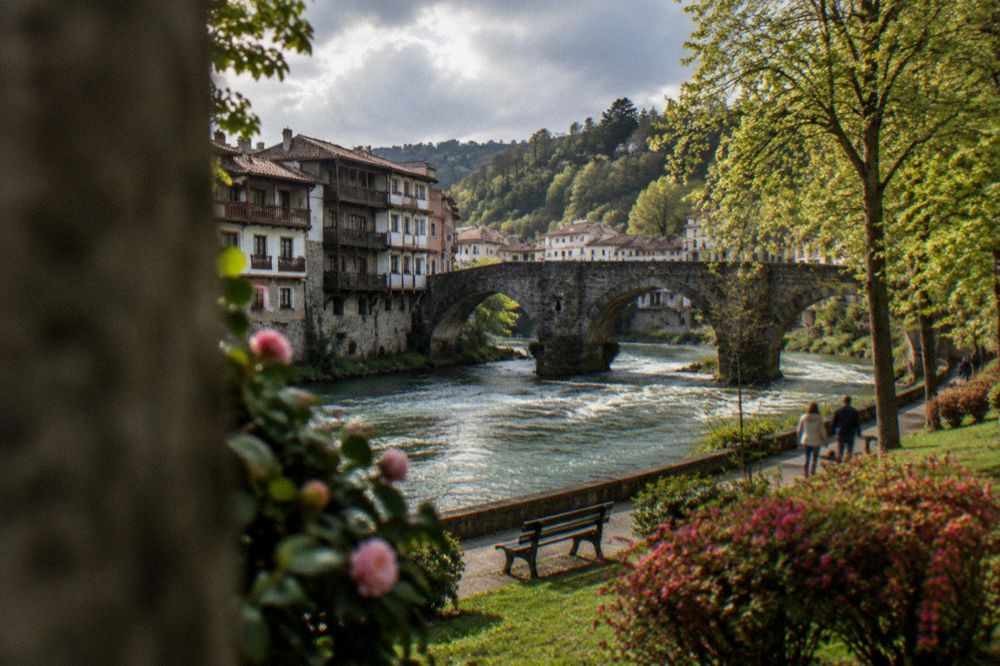
Start on the bridge at the point where the church meets the water. The Ponte de São Gonçalo is best seen from the downstream bank in the morning light, when the arch reflects in the Tâmega and the town rises behind it. The church beside it, formally the church and convent of São Gonçalo, holds the saint's tomb and a gilded interior in the Minho manner; check the parish notice for visiting hours, as religious services close it to tourists and the published hours change by season.
From the church, the lanes behind climb gently to the museum. The Amadeo de Souza-Cardoso collection is the town's cultural weight: a modernist painter whose canvases would not look out of place in a Paris or Berlin collection, shown in a small museum a short walk from his birthplace. Confirm opening days before going, as small municipal museums in Portugal commonly close on Mondays.
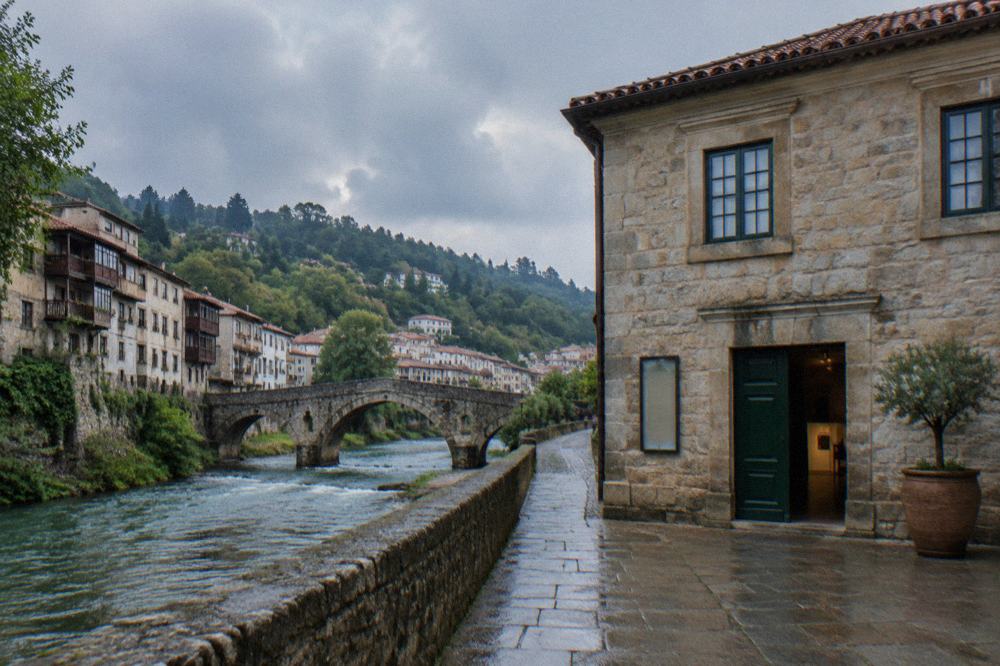
The afternoon belongs to the river. The park along the Tâmega is the town's living room, with the bridge always in view, and the walk along both banks takes under an hour at a stroll. Before leaving, the pastry tradition has to be met head-on: the São Gonçalo cakes are sold in bakeries around the centre, and buying one is less a culinary decision than a local rite.
| Slot | What to do | Why it works |
|---|---|---|
| Morning | Ponte de São Gonçalo and the church | Best light on the bridge, church open before midday services |
| Late morning | Amadeo de Souza-Cardoso museum | The town's one serious collection, a short walk uphill |
| Lunch | Riverside restaurant on the near bank | River fish and Minho home cooking, bridge views |
| Afternoon | Tâmega riverside walk and park | Flat, shaded, no transport needed |
| Late afternoon | Bakeries for São Gonçalo pastries | The tradition, eaten where it was invented |
| Evening | Return drive to Braga | Hill roads are better before dark |
If Amarante is part of a longer stay in the region rather than a single outing, it pairs naturally with a day in Braga itself. The site's one day in Braga itinerary covers the cathedral, the Santa Bárbara garden and Bom Jesus do Monte, and the two days together make a balanced pair: one city of sanctuaries, one town of one perfect bridge.
How Does Amarante Compare With Braga'S Other Day Trips?
Amarante is the quietest and least convenient of Braga's day trips, best for a second or third outing, while Guimarães, Ponte de Lima and the Gerês park are easier to reach on verified direct bus lines and better suited to a first trip; Amarante wins on atmosphere and loses on logistics.
The comparison matters because the Minho is rich in day trips and time is short. Guimarães, the birthplace town of Portugal with its castle and ducal palace, is the region's headline destination and the easiest reach from Braga. Ponte de Lima is the country's charmer, a market town on a Roman bridge over the Lima river. The Peneda-Gerês National Park is the mountain option, with canyoning and waterfall tours run from the region. Amarante sits behind all of them in fame and in transport, and ahead of them in stillness.
| Destination | Character | Direct bus from Braga station? | Best for |
|---|---|---|---|
| Guimarães | Medieval birthplace town, castle | Yes, AITC line 101 | History, first trip out |
| Ponte de Lima | Riverside market town | Yes, AITC line 105 | Gardens, riverside calm |
| Arcos de Valdevez | Mountain gateway town | Yes, AITC line 100 via Vila Verde | Access to the Lima valley |
| Caldas do Gerês | Spa village in the national park | Yes, AITC line 201 | Waterfalls, hiking, canyoning |
| Póvoa de Varzim | Beach town on the Atlantic | Yes, AITC lines 106 and 107 | Coast, seafood |
| Amarante | Bridge town on the Tâmega | No direct line | Art, river, quiet |
The pattern in the table is honest: everything with a direct verified line from Braga bus station runs north, west or coast, and Amarante alone points inland. That is the choice on offer. A traveller who wants easy logistics takes Guimarães; a traveller who wants a town they will have to explain to friends back home takes Amarante.
What And Where Should You Eat In Amarante?
Amarante's food is Minho home cooking: river fish from the Tâmega, roast kid and the region's hearty meat dishes, with the Vinho Verde whites of the surrounding valleys, and the town's own pastry tradition, the São Gonçalo cakes, sold in the centre's bakeries as the obligatory last stop.
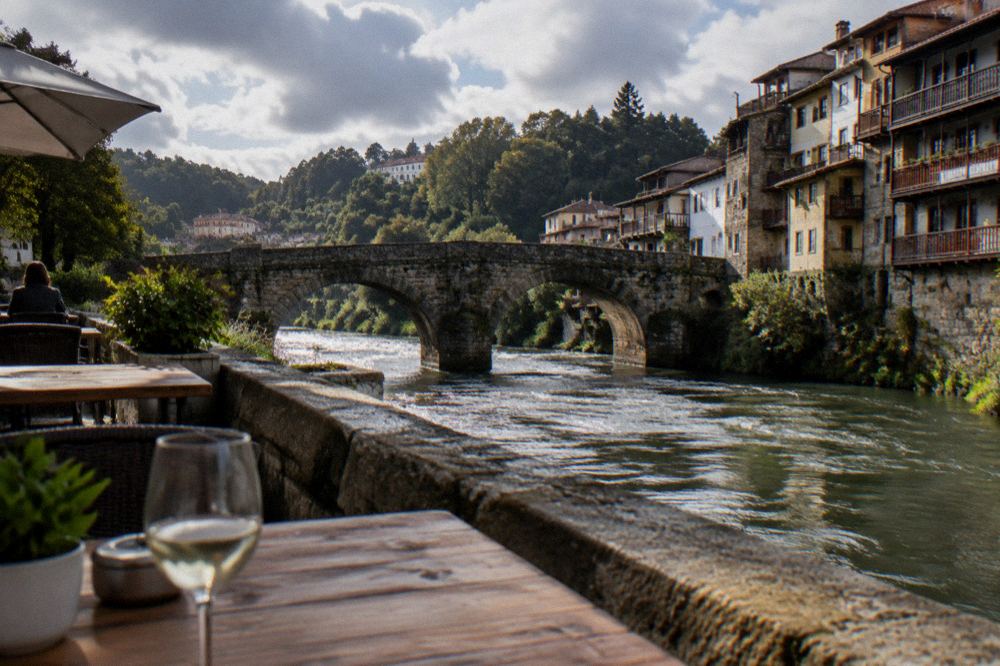
The Minho's table is the context. Vinho Verde, the lightly sparkling young wine of this region, is the local pour everywhere, and Braga's own surrounding estates pour it at the source; the site's guide to Vinho Verde explains the styles. In Amarante the restaurants cluster along the near bank of the Tâmega with the bridge in view, and the cooking follows the river: trout and other freshwater fish, kid and lamb from the interior hills, and the cured, slow dishes the region is built on.
The pastries are the thing Amarante does that nowhere else does. The doces de São Gonçalo, shaped with a wink, are tied to the fertility legend of the town's saint and eaten most enthusiastically around the June festival. They are a souvenir, a joke and a devotion in one bite, and every bakery in the centre sells them. Everything else covered here is indexed on Braga Travel Guide.
| What | What it is | Where to find it |
|---|---|---|
| River fish | Freshwater fish from the Tâmega, simply grilled | Riverside restaurants near the bridge |
| Minho meat dishes | Roast kid, lamb and slow-cooked stews from the interior | Traditional restaurants in the centre |
| Vinho Verde | The region's young white, local and everywhere | Any restaurant or café |
| Doces de São Gonçalo | The town's famous shaped pastries | Bakeries around the historic centre |
| Café life | Espresso and pastry standing at the counter | Praça and riverside cafés |
One honest note on prices: this site publishes no verified restaurant prices for Amarante, and it will not invent them. The general rule that holds across the Minho is that small-town Portugal eats cheaper than the coastal cities, and the bill in Amarante will usually confirm it.
When Is The Best Time Of Year For An Amarante Day Trip?
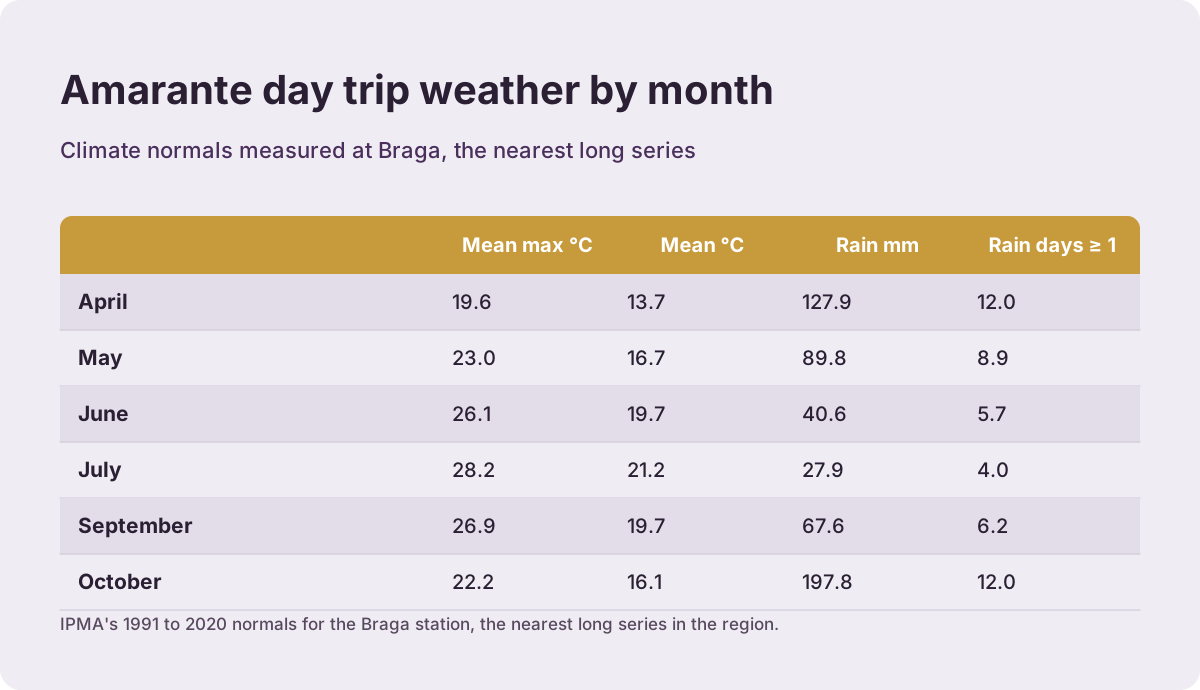
Late spring and early summer are the best time for an Amarante day trip, with the June São Gonçalo festival as the town's one big draw, while the region's rain concentrates from October to January, and IPMA's 1991 to 2020 normals for the Braga station, the nearest long series in the region, show October as the wettest month and July the driest.
The climate data this site can honestly quote is from Braga, not Amarante, but the two towns share the same Atlantic-influenced pattern, and the Braga normals are the best regional guide available. They show a wet winter half and a dry summer: rain days of one millimetre or more run twelve to thirteen a month from October through January, while July averages under four. The summer months also carry the heat, with mean maxima above 28 degrees in July and August.
| Month | Mean max °C | Mean °C | Rain mm | Rain days ≥ 1 mm |
|---|---|---|---|---|
| April | 19.6 | 13.7 | 127.9 | 12.0 |
| May | 23.0 | 16.7 | 89.8 | 8.9 |
| June | 26.1 | 19.7 | 40.6 | 5.7 |
| July | 28.2 | 21.2 | 27.9 | 4.0 |
| September | 26.9 | 19.7 | 67.6 | 6.2 |
| October | 22.2 | 16.1 | 197.8 | 12.0 |
The festival is the timing decision. Amarante's São Gonçalo festivities fall in early June, when the town fills with music, processions and pastry in quantities the rest of the year never sees. A festival day is the most vivid version of Amarante and the most crowded; any other week delivers the town at its sleepy default. Travellers who prefer the quiet version should also note that Braga itself has its own crowded calendar, covered in the site's guide to Braga's events, and the two towns' peak weeks are worth keeping apart in a plan.
Can You Combine Amarante With The Douro Valley?
Amarante sits on the Tâmega, a tributary system that feeds towards the Douro basin, so a car day can link the two, but as a single day trip from Braga the pairing is over-ambitious and the honest advice is to choose one or the other, or to give the Douro its own overnight with Amarante as a stop on the road south.
Geographically the logic is sound. Amarante is the inland town of the Minho, and the Douro valley, Portugal's wine country, lies to its south and east. A traveller driving their own car can leave Braga, spend the morning on the Amarante bridge and the museum, and continue towards the Douro in the afternoon. What the plan cannot honestly promise is timing: this site publishes no verified journey times for either leg, and the Douro's terraced vineyard roads are slow by design.
The alternative is to treat the Douro as its own trip. The site's Douro Valley day trip guide and the answer to is a Douro Valley day trip worth it cover the port lodges, the river cruises and the rail line up the valley, and the region's wine story continues in Braga itself through the Vinho Verde estates of the surrounding hills.
What Should You Know Before You Go?
Before going, know that Amarante keeps small-town hours: the museum and church close on set weekdays, the festival in June changes everything, the pastries are a tradition worth meeting with humour, and the trip back to Braga crosses hill roads best driven in daylight, so the day wants an early start and a firm idea of the closing times on the day of the visit.
Small Portuguese towns run on schedules that shift with the season, and Amarante is no exception. The practical checklist is short. Check the museum's opening days, because Monday closures are the norm for municipal museums in Portugal. Check whether the June festival falls on the planned date, because it transforms the town in both directions. And check the weather, because the Tâmega park is the day's spine and it is no fun in rain.
| Check before you go | Why it matters | Where to check |
|---|---|---|
| Museum opening days | Small museums close weekly rest days | The museum's own notice |
| Church visiting hours | Services close the church to tourists | The parish notice on site |
| Festival dates in June | The town fills or sleeps accordingly | The municipality's event pages |
| Bus connections | No direct line from Braga | The national operator's timetable |
| Daylight for the return | Hill roads between the towns | A weather and mapping service |
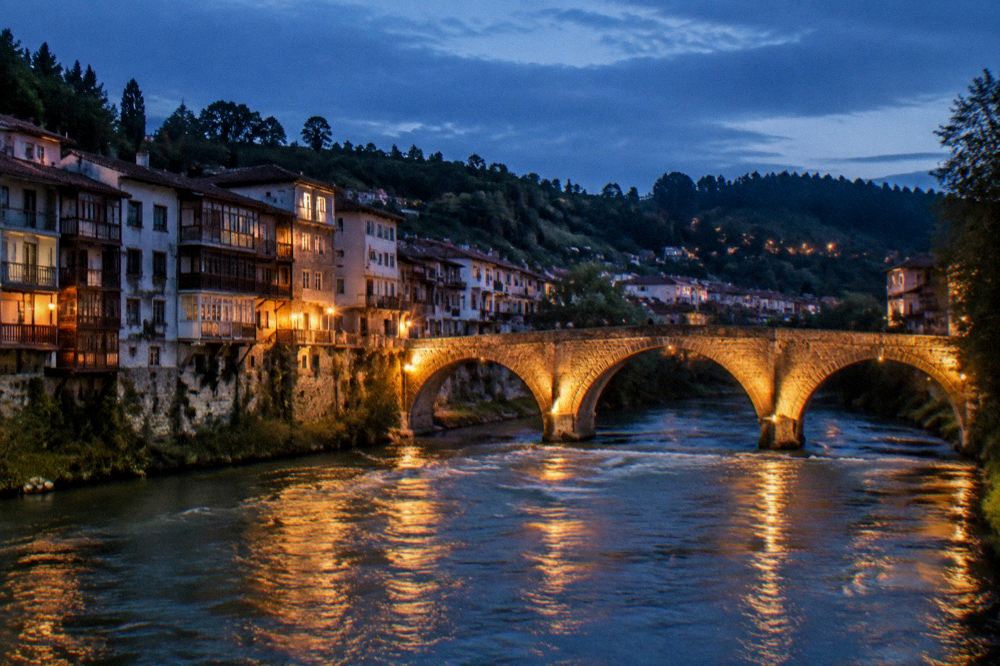
The last thing worth knowing is what Amarante is not. It is not a second Braga, and a day there adds no great sanctuary and no UNESCO inscription to the trip's tally. What it adds is the other Minho: the quiet interior, a river that runs through the middle of everything, one bridge that justifies the drive, and pastries that make the whole busload laugh. For a traveller using Braga as a base, that contrast is the whole point of the day out, and the site's things to do in Braga page is where the rest of the week gets filled.
Common Questions About An Amarante Day Trip
Is Amarante worth a day trip from Braga?
Yes, for a traveller who has already seen Braga's main sights and wants a quiet contrast day. Amarante has one great bridge, a riverside church, a surprising modern-art museum and a famous pastry tradition, all walkable in a day.
How do you get from Braga to Amarante without a car?
There is no direct train and no direct bus line on the verified AITC regional list from Braga bus station, so the trip without a car means a connecting bus journey; check the national operator's timetable before committing to the day.
What is Amarante famous for?
The Ponte de São Gonçalo, its medieval bridge over the Tâmega, the adjoining church of São Gonçalo, the June festival in the saint's honour, the phallic-shaped São Gonçalo pastries, and the Amadeo de Souza-Cardoso modern-art museum.
How many days do you need in Amarante?
One day is enough for the bridge, the church, the museum, the riverside walk and the bakeries. The town's core is small and everything sits within a few minutes of the bridge.
Can you visit Amarante and the Douro Valley in one day from Braga?
By car it is geographically possible but rushed, and this site publishes no verified journey times for either leg. Most travellers enjoy the day more by choosing one destination, or by making Amarante a stop on a Douro overnight.
When is the best time to visit Amarante?
May and June for the festival and the dry weather, or September for warmth with fewer crowds. The region's rain concentrates from October to January, when the riverside walk loses much of its appeal.
Amarante will never compete with Bom Jesus do Monte or Guimarães for a headline, and that is precisely why it belongs on the list: it is the day trip that shows the Minho without its Sunday clothes, one bridge, one river and one baker's joke, an easy contrast to the baroque weight of Braga.