São Vítor In Braga: What To See And Do In The Area
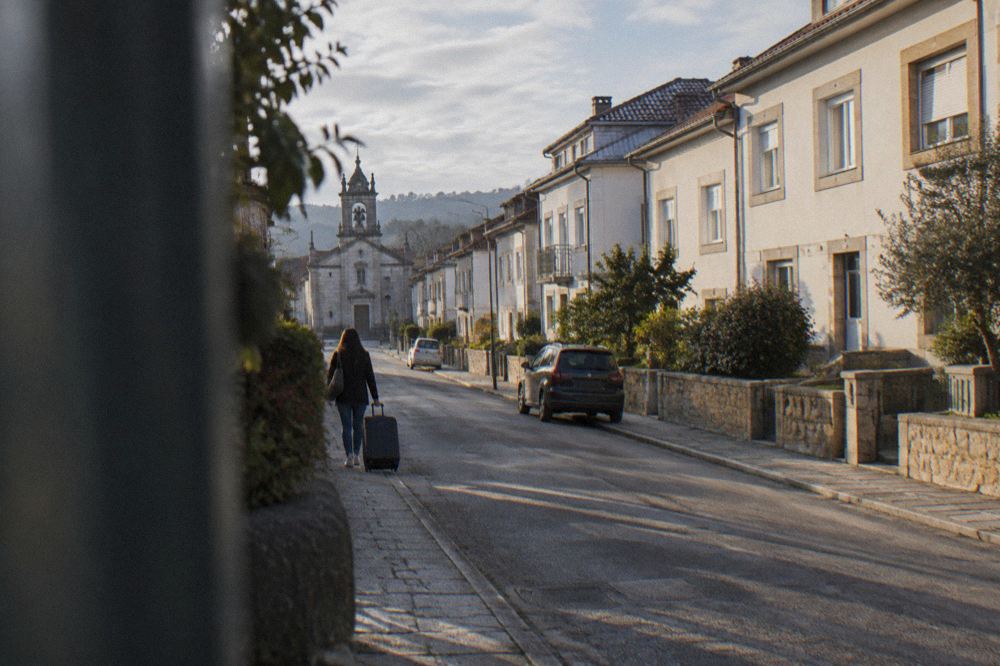
São Vítor is one of the urban parishes that make up the municipality of Braga, the city in the Minho region of northern Portugal. This guide covers what the area offers visitors, how to reach it, what it costs to get around, and how to build a stay around it.
Short answer
São Vítor is a parish within the municipality of Braga, Portugal, a city of 193,324 residents at the 2021 census. It sits inside the wider urban fabric of the city, close to the historic centre, and works best as a base for exploring Braga's sights, with TUB buses from 0.75 EUR a ride and the city's museums, churches and squares within easy reach.
São Vítor is a parish within the municipality of Braga, the city in the Minho region of northern Portugal, and one of the neighbourhoods that make up this city of 193,324 residents at the 2021 census. It belongs to Braga the city, not to the wider district of the same name, which contains Guimarães, Barcelos and part of the Peneda-Gerês National Park. For a visitor, the parish sits inside the continuous urban fabric of Braga, which means the practical question is not whether São Vítor is worth seeing but how to use it well: as a place to sleep, eat and set out from, with the city's cathedral, gardens and hill sanctuaries all reachable on the same TUB bus network.
This page gathers what a trip based around São Vítor involves: which sights sit closest, what the local buses cost, what the weather does month by month, and which day trips across the Minho are realistic from here. Where a figure matters, it comes from the operator or the municipality, and where something is not published, this page says what to check instead of guessing.
Where Is São Vítor In Braga?
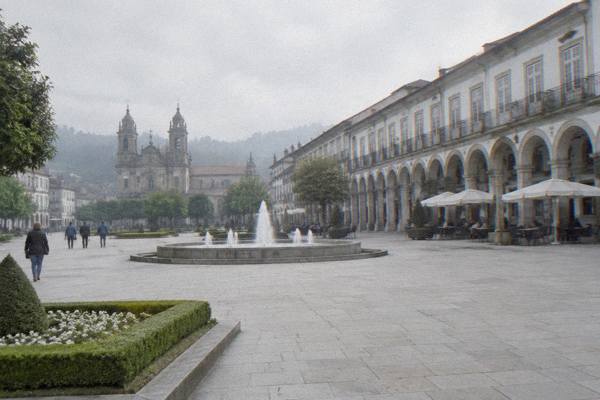
São Vítor is a parish inside the municipality of Braga, in northern Portugal's Minho region, part of the built-up city rather than a separate town. The municipality counted 193,324 residents at the 2021 census, and São Vítor is one of the parishes that make up that total. It sits within Braga's urban area, so the historic centre, the cathedral and the city's main squares are reached on the same local bus network, TUB, rather than by regional transport.
The name causes confusion in two directions. First, Braga itself is three things: a city, a municipality and a district. The district is far larger and contains Guimarães, Barcelos, Famalicão and part of the Peneda-Gerês National Park; nothing on this page is a district figure. Second, São Vítor is a common Portuguese devotional name, so search results can drift toward other places and other saints. The São Vítor that matters here is the Braga one, inside the municipality.
For orientation, the areas that surround it on this site's map of the city are worth knowing by name. The historic centre holds most of what visitors come to Braga for, including the Sé de Braga, the cathedral whose combined ticket for all three visit routes costs 7.00 EUR. To the east of the centre, Gualtar and the university give the city its student energy, while Maximinos and Cividade and Lamaçães are quieter residential parishes in the same mould as São Vítor. The sanctuary hill of Bom Jesus rises to the east, and the whole set is stitched together by TUB buses, whose 2026 tariff is worth learning before anything else.
What Is There To See In And Around São Vítor?
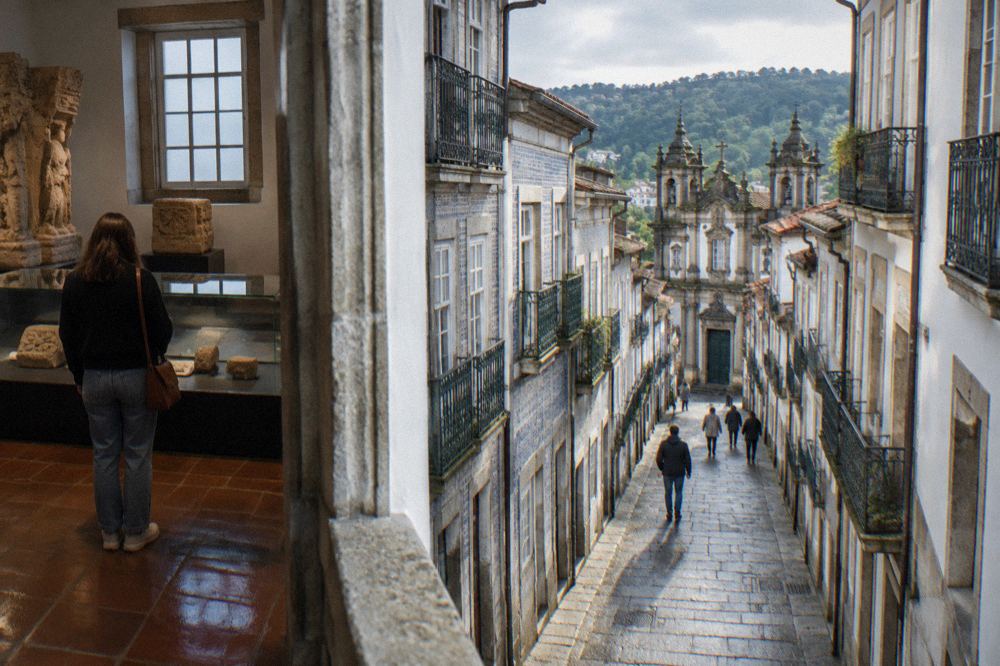
São Vítor's own streets are residential Braga, so the sights are the city's: the Sé de Braga cathedral, the Santa Bárbara Garden, the Arco da Porta Nova, the Bom Jesus do Monte sanctuary and the museums of the historic centre. The cathedral's three visit routes cost 3.00 EUR each or 7.00 EUR combined, the Santa Bárbara Garden is a public garden, and Bom Jesus's sanctuary grounds carry no admission charge at all, only the stairway climb or the replacement shuttle up the hill.
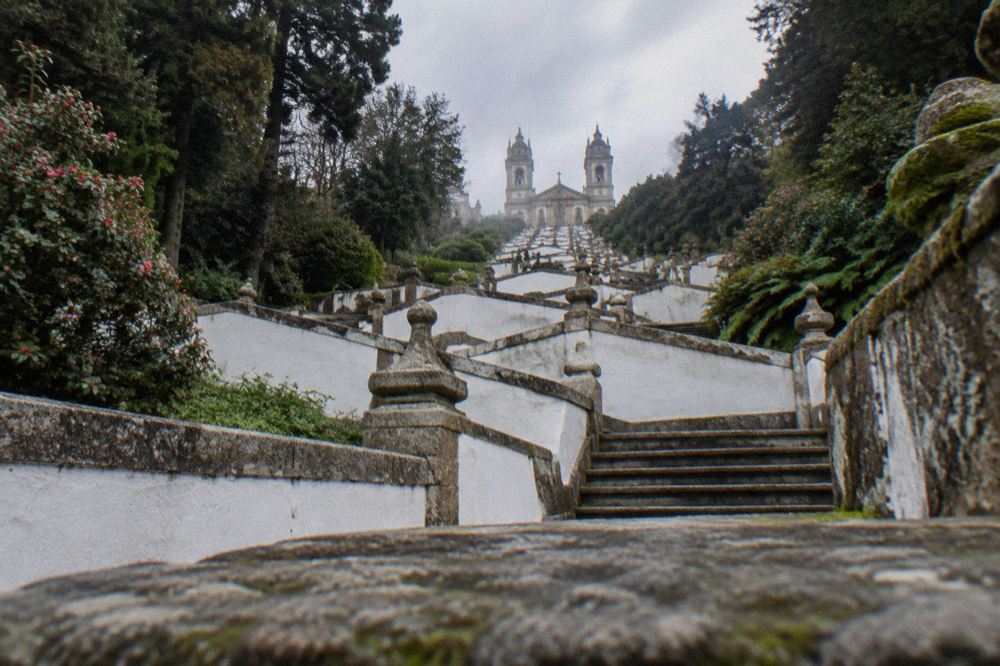
That last point deserves emphasis, because it is where most budgets go wrong. The Confraria do Bom Jesus do Monte's own information page lists no entrance fee for the sanctuary, the grounds or the basilica; what carries a price is the funicular, the high choir and bell tower at 1.00 EUR, the rowing boats on the lake at 3 EUR per person per 15 minutes, and parking. And the funicular itself has been out of service since 26 September 2026, with no return date published: a replacement shuttle runs every day from 09:00 to 20:00, roughly every 30 minutes each way, between the Portico, where TUB Line 2 ends, and the sanctuary.
The stairway, for anyone who takes it on foot, is 566 steps by the Confraria's own count, 615 metres long with 116 metres of ascent. That is the only step count to trust; higher numbers circulate on blogs, but the Confraria's page is the source that counts.
Closer to street level, the parish's position inside the city puts the Sé de Braga within the same urban network. The cathedral's ticket office sells three routes, the Treasury-Museum, the funerary chapels and high choir, and the cathedral itself, at 3.00 EUR each, 6.00 EUR for any two, or 7.00 EUR for all three. Visit Braga lists the tourist visiting hours as Monday to Saturday 09:30 to 13:00 and 14:30 to 17:00, Sunday 09:30 to 10:45 and 14:30 to 17:00, with last entry 30 minutes before closing, and the building itself opens earlier for worship.
If a guided introduction appeals, a walking tour is the efficient way to cover the centre in a couple of hours. The Explore the Portuguese Rome City of Braga tour runs about an hour and a half with a guide, and this site's full things to do in Braga list carries the rest of the options, from tuk tuks to food tours.
How Do You Get To And Around São Vítor?
São Vítor is reached through Braga's city transport network, TUB, whose 2026 tariff charges 1.55 EUR for a one-zone ticket bought on board and 0.75 EUR for the same ticket pre-bought or digital. A tourist ticket covering the whole network costs 3.35 EUR for one day, 6.05 EUR for two days and 8.05 EUR for three days, and the tourist card itself costs 1.50 EUR. Line 2 connects the centre to Bom Jesus, ending at the Portico.
The tariff, in force since 21 February 2026, splits every journey into one or two zones. A pre-bought or digital one-zone module costs 0.75 EUR against 1.55 EUR on board, so buying ahead saves nearly half; the two-zone equivalents are 1.50 EUR and 2.00 EUR. Transfers are valid from the first validation for one hour on a one-zone ticket and one and a half hours on two zones, which matters when a museum stop turns into two rides.
| Ticket | 1 zone | 2 zones |
|---|---|---|
| On board, single | 1.55 EUR | 2.00 EUR |
| Pre-bought or digital, single | 0.75 EUR | 1.50 EUR |
| Monthly pass, normal | 12.00 EUR | 24.00 EUR |
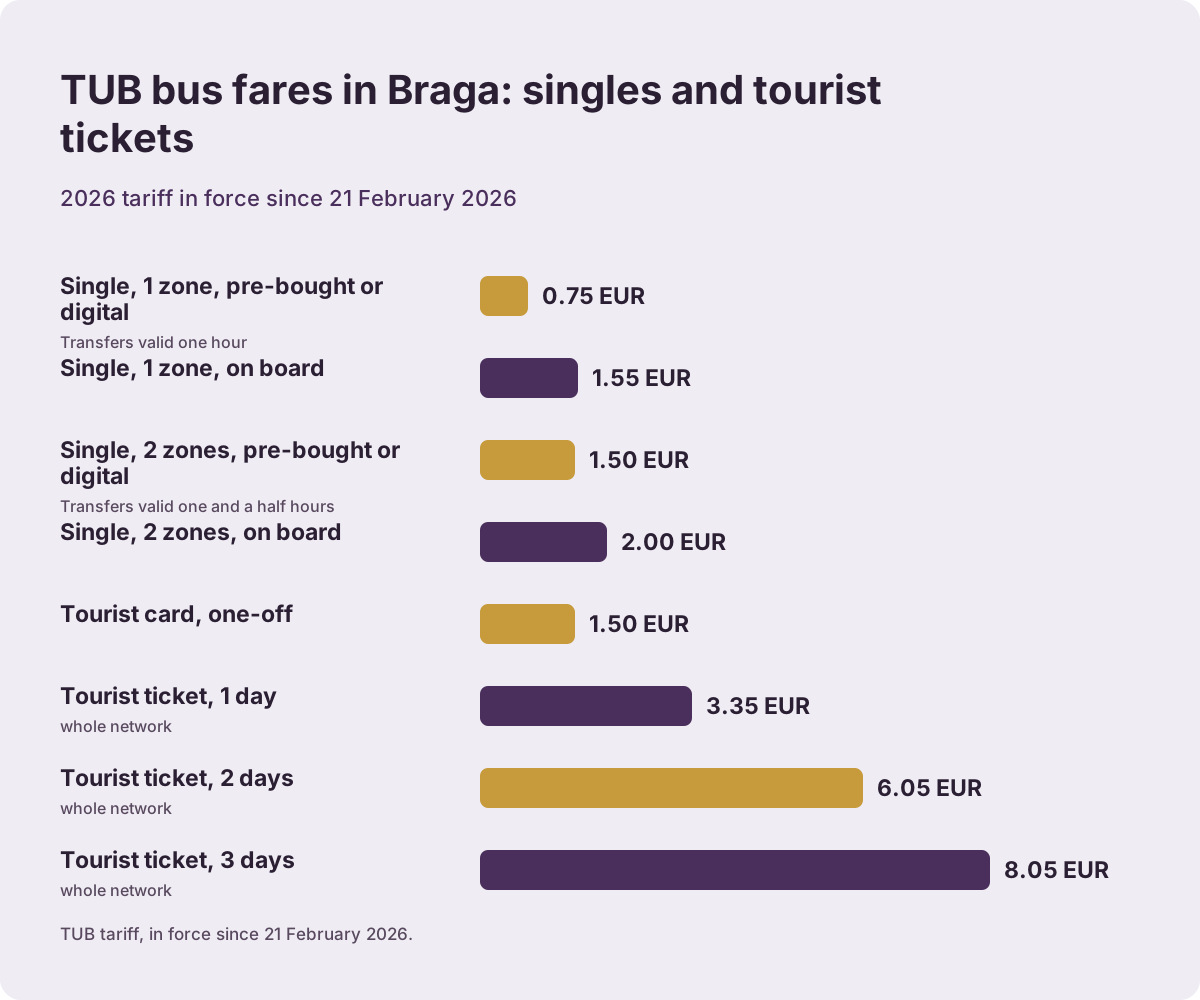
For visitors planning several days of riding, the tourist ticket is the only multi-use product worth the name, and it is honest to say there is no city card: the "Braga Card" announced by the municipality in 2025 has no purchase page, so the advice is to buy each attraction ticket separately and add a TUB tourist ticket if the bus legs add up.
| TUB tourist ticket | Price per person |
|---|---|
| 1 day, whole network | 3.35 EUR |
| 2 days, whole network | 6.05 EUR |
| 3 days, whole network | 8.05 EUR |
| Tourist card, one-off | 1.50 EUR |
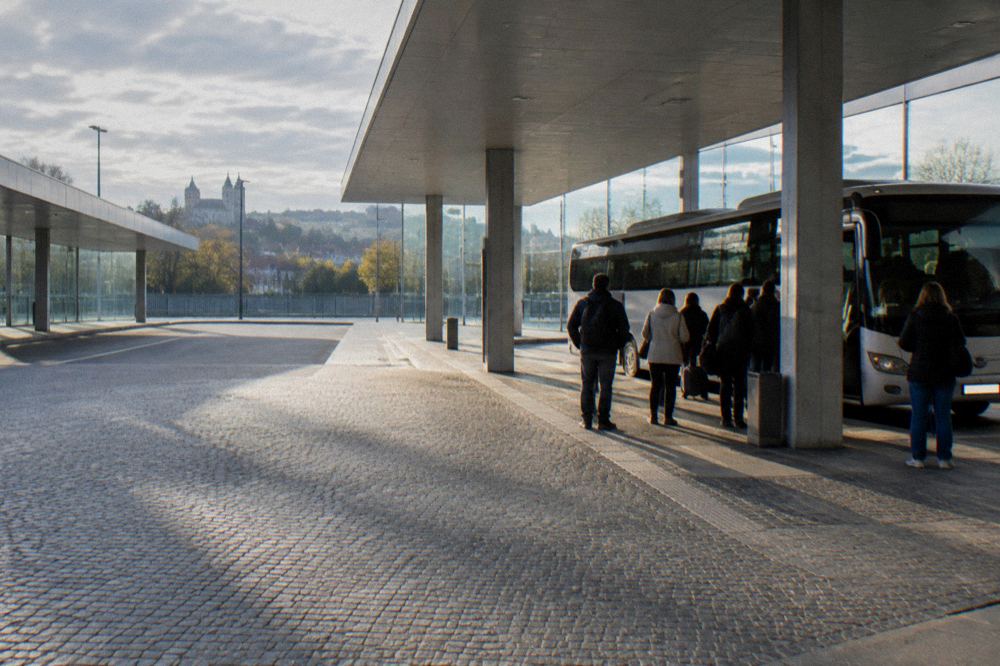
Arriving from farther afield, Braga is the terminus of CP's urban line from Porto São Bento, with the current timetable valid from 26 July 2026; the fare is priced by zone, so check the CP price table before travelling. From Porto Airport, Getbus runs a direct coach to Braga bus station from 9.00 EUR, about 45 minutes, with departures through the day. The getting around Braga and Porto Airport to Braga guides carry the full detail.
A tuk tuk tour is the low-effort alternative to the bus for the first afternoon, and the Braga: Tuk Tuk City Tour covers the centre in a loop that would otherwise take a day of walking. It suits visitors with limited mobility, families with small children, and anyone who wants the orientation done for them before exploring on foot.
For a fuller plan, the one day in Braga itinerary sequences the cathedral, the garden and the sanctuary hill in an order that actually works with the bus timetable.
What Do The Museums Near São Vítor Cost?
The state and municipal museums around Braga cost between 2.00 and 7.50 EUR at full price: the Museu dos Biscainhos is 7.50 EUR with the garden included, the Museu de Arqueologia D. Diogo de Sousa is 5.00 EUR, the Museu Pio XII is 4.00 EUR for the whole museum including the medieval tower, and the Mosteiro de São Martinho de Tibães is about 4 to 5 EUR depending on the circuit. All of them close on Mondays.
The Biscainhos price comes from the operator, Museus e Monumentos de Portugal, and supersedes the lower figure still shown on an older municipal page. The museum reopened after a major restoration and runs Tuesday to Sunday, 10:00 to 12:30 and 14:00 to 17:30, with last entry 15 minutes before each closing. The D. Diogo de Sousa museum, the city's archaeology collection, gives 50% off to visitors 65 and over, ages 13 to 24, and families, and admits residents of Portugal free on 52 days a year of their choosing.
| Museum | Full price | Days open |
|---|---|---|
| Museu dos Biscainhos | 7.50 EUR | Tuesday to Sunday |
| Museu de Arqueologia D. Diogo de Sousa | 5.00 EUR | Tuesday to Sunday |
| Museu Pio XII and medieval tower | 4.00 EUR all spaces | Tuesday to Saturday |
| Mosteiro de São Martinho de Tibães | about 4 to 5 EUR | Tuesday to Sunday |
| Theatro Circo guided tour | 3.50 EUR | Scheduled dates only |
Two of these deserve a detour beyond the ticket price. The Tibães monastery is the mother house of the Portuguese Benedictine congregation, a short bus ride out of the centre, and its church reopened in 2026 after conservation works. The Theatro Circo, Braga's ornate theatre, sells 45-minute guided tours at 3.50 EUR on scheduled dates only, first come first served at the box office, with a maximum of 30 people per tour.
What Is The Weather Like In São Vítor Month By Month?
Braga's climate, recorded at the IPMA Braga / Merelim station for the 1991 to 2020 normals, is mild and wet: July is the driest month at 27.9 mm of rain and a mean maximum of 28.2 C, while October is the wettest at 197.8 mm, with December and January close behind. Rain days of 1 mm or more run 12 to 13 a month from October to January, and frost nights cluster in December, January and February.
The station sits at 68.4 m altitude inside the municipality, so these figures describe the city itself, not the cooler, wetter Gerês mountains in the district. The table below gives the four months that decide most trips.
| Month | Mean max C | Mean C | Rain mm | Days 1 mm+ |
|---|---|---|---|---|
| January | 14.1 | 8.6 | 179.5 | 13.1 |
| April | 19.6 | 13.7 | 127.9 | 12.0 |
| July | 28.2 | 21.2 | 27.9 | 4.0 |
| October | 22.2 | 16.1 | 197.8 | 12.0 |
Two details surprise visitors. September is warmer at the top end than June, 26.9 C against 26.1 C mean maximum, and wetter too, 67.6 mm against 40.6 mm, so early autumn is not the safe compromise it looks. And the record extremes at the same station, 42.2 C in August and -6.4 C in December, show how far a single day can swing from the monthly mean; pack for the day's forecast, not the average.
For planning, the practical reading is that May through August is the dry window, with rain days below nine a month, while a visit from October to January needs a real rain plan. The Braga weather and best time to visit Braga guides unpack this, and the Braga on a rainy day page lists the indoor options, which in this city means churches, museums and cafés rather than compromises.
When Are Braga'S Big Events Near São Vítor?
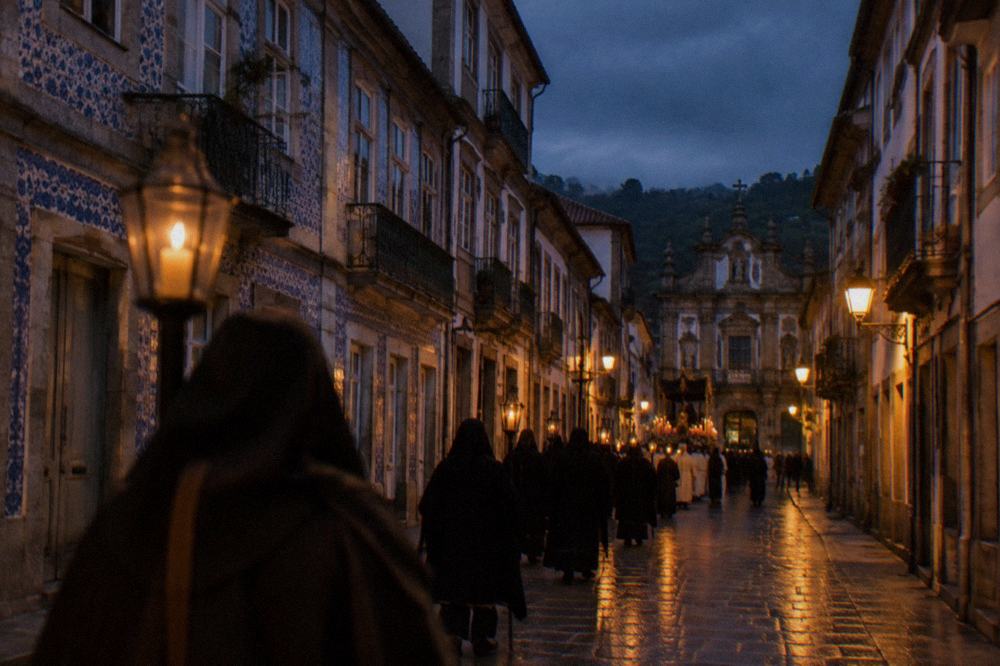
Braga's 2026 calendar ran Semana Santa from 29 March to 5 April, the Festas de São João from 17 to 24 June, Braga Romana in late May and Noite Branca from 4 to 6 September, with the Encontros da Imagem photography festival from 18 September to 1 November. Holy Week is the week before Easter, São João peaks on the night of 23 June into the 24 June municipal holiday, and 2027 dates have not been announced for any of them.
These events are city-wide, and a stay anywhere in the urban fabric, São Vítor included, puts a visitor inside the procession routes and the party perimeter. Semana Santa is the one with the weight of heritage behind it: the processions are registered in the National Inventory of Intangible Cultural Heritage and declared of Interest for Tourism by Turismo de Portugal, organised by the Commission for Lent and Holy Week with the cathedral chapter and the brotherhoods.
| Event | 2026 dates | Evergreen timing |
|---|---|---|
| Semana Santa | 29 March to 5 April | The week before Easter, movable |
| Braga Romana | late May | Late May |
| Festas de São João | 17 to 24 June | Peaks on the night of 23 June |
| Noite Branca | 4 to 6 September | First weekend of September |
| Encontros da Imagem | 18 September to 1 November | Autumn |
The Semana Santa and São João guides on this site carry the detail, including which processions matter most and where to stand. One planning note: 24 June is Braga's municipal holiday and a closing day at the municipal museums, so a museum-heavy itinerary should avoid that date.
Is São Vítor A Good Base For Day Trips?
Yes, because Braga is the region's transport hub: AITC buses run from the city's bus station to Guimarães on line 101, to Ponte de Lima on line 105, to Caldas do Gerês on line 201 and to the coast on lines 106 and 107. The trade-off is that bus fares and journey times for the regional lines are not published in a form this site can verify, so check the AITC timetables before committing to a day plan.
The honest version of the day-trip question starts with what is verified. The line numbers and destinations are published by the Cávado intermunicipal transport authority; the fares and durations are not, so this page will not print them. What can be said is which trips reward the effort.
| Day trip | Getting there | What it is |
|---|---|---|
| Guimarães | AITC line 101 bus, no direct train | The medieval birthplace city, with its castle and palace |
| Peneda-Gerês National Park | AITC line 201 toward Caldas do Gerês | Mountains, waterfalls, seasonal access limits |
| Ponte de Lima | AITC line 105 bus | Portugal's oldest chartered town, on the Lima river |
| Viana do Castelo | Regional bus from the bus station | A coastal city with a hilltop sanctuary |
| Barcelos | Train with a change at Nine | The Thursday market town |
The Guimarães and Peneda-Gerês day-trip guides carry the practical detail, and the Viana do Castelo page completes the coastal set. For combining cities in one day, the Braga and Guimarães in one day itinerary exists precisely because the two are close enough to share.
In the Gerês park, one seasonal rule matters: summer car access to the Mata de Albergaria section is limited and charged, so visitors driving themselves should expect a stop and a walk. Park entry itself is free.
What Should A Stay In São Vítor Cost?
Budget three kinds of cost: the municipal tourist tax at 1.55 EUR per person per night for up to four nights, charged all year and applying to guests aged 16 and over; attraction tickets, which run 3.00 EUR per cathedral route, 7.50 EUR at the Biscainhos museum and nothing at all at the Bom Jesus sanctuary grounds or the Sameiro precinct; and transport, where a three-day TUB tourist ticket at 8.05 EUR covers the whole network.
The tourist tax is the line item that surprises people. It took effect on 1 March 2020, is charged by hotels and local accommodation whatever the booking channel, and the 2026 municipal fee table sets it at 1.55 EUR per person per night, up from 1.50 EUR in 2025, capped at four consecutive nights per stay. Medical stays and guests with 60% or more incapacity are exempt.
Food costs less to plan for than the ticket list suggests, because the structure is simple. Turismo de Portugal's own guidance is that service is included in the bill in restaurants, though it is customary to leave an additional tip of about 5 to 10% of the total, and normal to tip taxi drivers 5 to 10% or round up to the nearest euro. The what to eat in Braga guide covers the regional dishes, including the city's namesake cod dish and the abbots' pudding dessert, and the Vinho Verde page explains the young wine the whole Minho drinks.
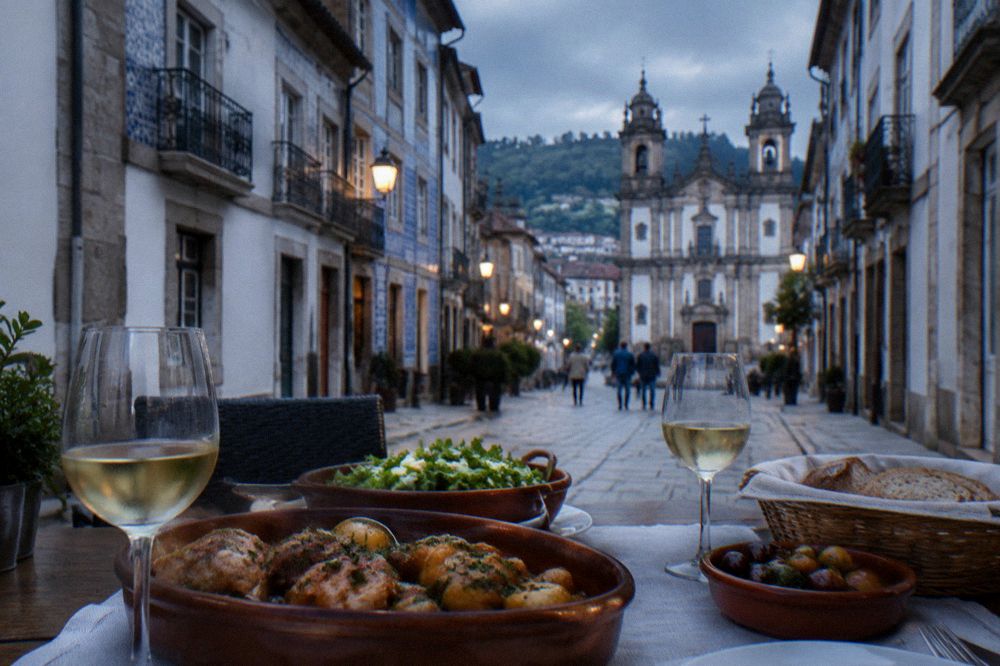
For anyone who wants the wine explained rather than just poured, the Quinta de Santa Cristina Vinho Verde tasting runs an hour and a half at a Minho estate, and a sommelier-led tasting inside the city does the same for visitors who would rather not travel.
What Should Non-EU Visitors Know Before Arriving?
Two border systems matter: EES, the Entry/Exit System, is fully operational at all external Schengen border crossings since 10 April 2026 and records passport data, fingerprints, a facial image and each entry and exit for non-EU nationals on short stays; ETIAS, the travel authorisation for visa-exempt travellers, is not yet in operation and no applications are being collected, with the fee set at 20 EUR once it launches. The Schengen rule is 90 days in any 180-day period.
The practical version: a visitor from the United States, the United Kingdom, Canada or Australia currently needs no pre-travel authorisation for Portugal, only a passport issued within the last ten years and valid at least three months beyond the planned departure from the Schengen Area. At Porto Airport, the first EES entry means fingerprints and a facial image at the border. ETIAS is expected from late 2026 and is not yet required; no start date has been announced, and any page that prints one is guessing.
Should You Explore São Vítor On A Guided Tour?
A guided tour is the efficient first move in Braga, because the city's sights are layered: a guide who can read the baroque stairway, the cathedral's routes and the Roman layers saves a half-day of guesswork. The options that suit a São Vítor base are the Explore the Portuguese Rome City of Braga walking tour at about an hour and a half, the private walking tour with a professional guide at two hours, and the tuk tuk city tour, which needs no walking fitness at all.
For visitors who prefer to start free, GuruWalk lists a free, tip-based Essential Free Tour of Braga (guided in Spanish), a two-hour walk with a guru that covers the centre's essentials; the platform and the individual guru are the honest way to describe it, since the walk itself is free and the guide is tipped at the visitor's discretion. It is a genuine option, not a teaser, and the Braga walking tours guide compares it against the paid tours.
The paid choice comes down to depth. The Explore the Portuguese Rome City of Braga tour, this site's featured pick for the area, covers the centre in a compact loop. The Braga Private Walking Tour with a Professional Guide is the version for visitors who want questions answered at their own pace, and the Braga: Personal & Flexible Walking Tour in Historic Center splits the difference at a lower price point.
Whichever route in, the same rule applies to all of them: book the tour for the first full day, not the last, so the guide's orientation can shape the rest of the stay rather than close it.
Common Questions About São Vítor In Braga
Where is São Vítor in Braga?
São Vítor is a parish inside the municipality of Braga, the city in the Minho region of northern Portugal. It is part of the built-up urban area, not a separate town, and it is reached on the same TUB city bus network that serves the historic centre and the Bom Jesus sanctuary.
How much does the bus cost in Braga?
The 2026 TUB tariff charges 1.55 EUR for a one-zone single ticket bought on board and 0.75 EUR pre-bought or digital; two-zone tickets are 2.00 EUR and 1.50 EUR. A tourist ticket for the whole network costs 3.35 EUR for one day, 6.05 EUR for two days and 8.05 EUR for three days.
Is the Bom Jesus funicular running?
No. The funicular has been out of service since 26 September 2026, with no return date published. A replacement shuttle runs every day from 09:00 to 20:00, roughly every 30 minutes each way, between the Portico, where TUB Line 2 ends, and the sanctuary. The stairway, 566 steps by the Confraria's count, remains open on foot.
Is there a Braga city pass?
No city card or attraction pass is on sale in Braga. The "Braga Card" announced by the municipality in 2025 has no purchase page, so the advice is to buy each attraction ticket separately. The TUB tourist ticket is the only multi-use product, and it covers buses only.
What is the tourist tax in Braga?
Braga levies a municipal tourist tax of 1.55 EUR per person per night, for up to four consecutive nights, charged all year by hotels and local accommodation. The 2026 figure is up from 1.50 EUR in 2025, and the charge applies to guests aged 16 and over.
What is the wettest month in Braga?
October is the wettest month on average at the IPMA Braga / Merelim station, with 197.8 mm of rain in the 1991 to 2020 normals, followed by December at 190.3 mm and January at 179.5 mm. July is the driest at 27.9 mm.
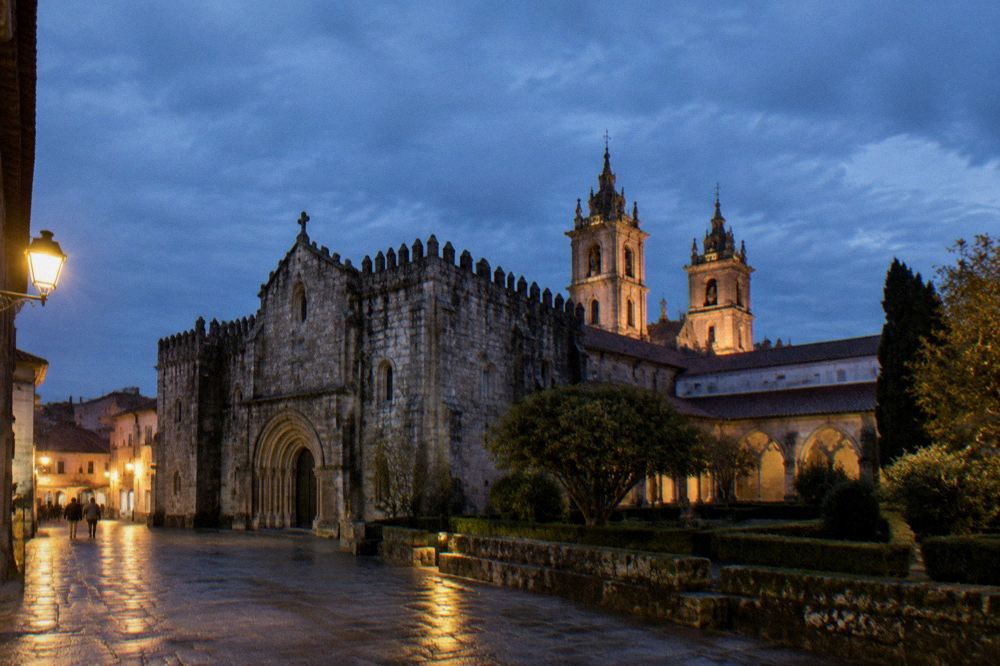
A stay based in São Vítor is really a stay in Braga with a quieter address attached, and that is its strength: the parish sits inside the same bus network, the same tax regime and the same event calendar as the historic centre, at one TUB ride from all of it. This Braga Travel Guide page has covered the fares, the tickets, the weather and the day trips that shape a visit; the rest is choosing the month and booking the room.
To find that quieter address for your stay, book a hotel here.