Braga Historic Centre
The old town of Braga, in northern Portugal's Minho region, packs a cathedral, Roman remains, baroque churches and café-lined squares into a compact centre that is best explored on foot.
Short answer
Braga's historic centre is a compact walkable district around the Sé de Braga, Praça da República and Rua do Souto, where a combined cathedral ticket costs 7.00 EUR, museums charge 2 to 7.50 EUR and a one-day TUB tourist ticket costs 3.35 EUR.
The historic centre of Braga, the city in Portugal's Minho region, is one of the most compact old towns in northern Portugal: the cathedral, the Roman remains, the baroque churches and the café squares all sit within a few minutes' walk of one another, and almost everything worth seeing can be covered on foot in a day. This guide walks through the old town street by street, with verified ticket prices, transport options and the openings and changes that matter in 2026. For the wider picture of the city, start with things to do in Braga and the one-day Braga itinerary.
What Is The Braga Historic Centre And Where Does It Start?
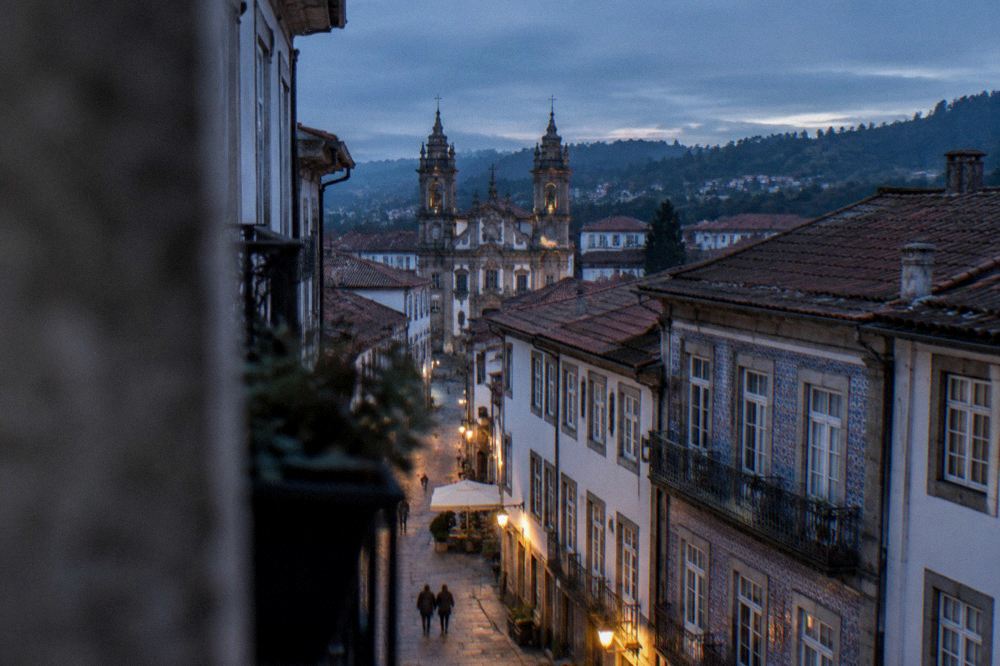
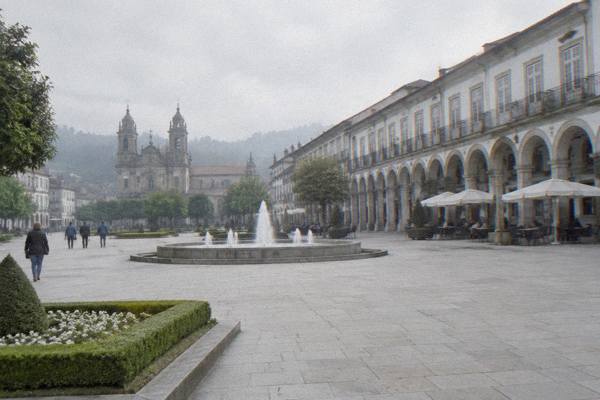
The historic centre of Braga is the old town inside the line of the former medieval walls, anchored by the Sé de Braga at its heart, with Praça da República and Rua do Souto as its civic and commercial spine, and the Arco da Porta Nova marking the old western gate. Everything in it is walkable, and the visitor information office sits on Avenida da Liberdade 1, at the edge of the district.
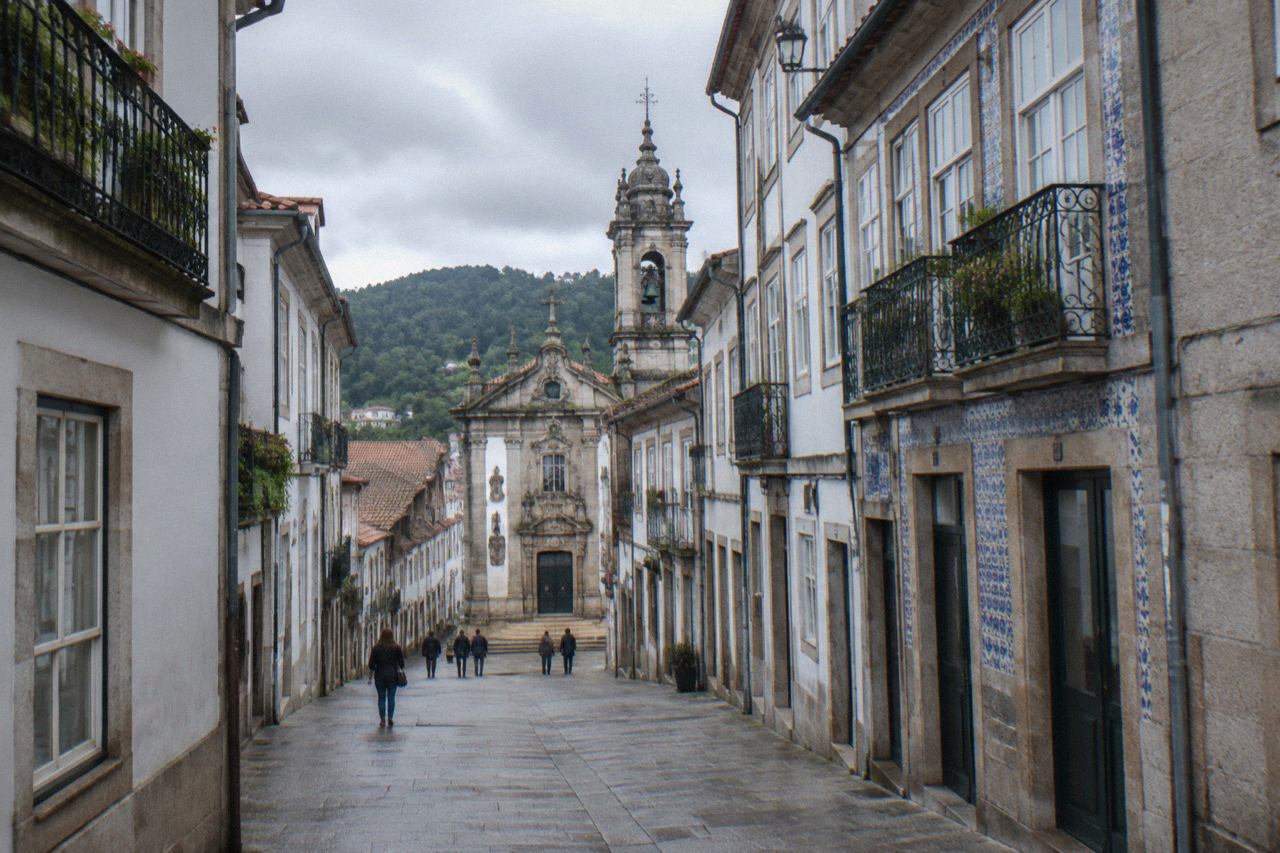
The Arco da Porta Nova, covered in its own attraction guide, is the ceremonial arch that once closed the city's western gate, and it makes a natural first landmark for anyone arriving from the modern avenues. From there, Rua do Souto runs downhill into the pedestrian heart of the old town, past shopfronts and café terraces, towards the cathedral quarter. The Sé de Braga sits at the top of the slope, ringed by narrow streets that follow the medieval plan.
The old town is small enough that the biggest planning decision is not how to move around it but in what order to see it. A sensible loop starts at the Arco da Porta Nova, follows Rua do Souto to Praça da República, the city's main square, then climbs to the cathedral, before dropping back through the Santa Barbara garden and the Maximinos quarter, which has its own area guide. The whole circuit is a gentle half-day of walking, and the Bom Jesus sanctuary, on its hill east of the centre, is a separate half-day covered in the Bom Jesus do Monte guide.
Want the whole loop unpacked by a local guide? Book a free walking tour here. (Guided in Spanish)
What Are The Main Sights Inside Braga'S Old Town?
The unmissable sights inside the old town are the Sé de Braga, whose three-route combined ticket costs 7.00 EUR, the Jardim de Santa Barbara with its geometric flower beds, the Arco da Porta Nova, the Praça da República, and the Roman remains at the Termas Romanas do Alto da Cividade and Fonte do Ídolo, both part of a free-circuit network of archaeological sites. The Basilica dos Congregados and the Igreja do Pópulo frame the two ends of Rua do Souto's approach.
The cathedral is the anchor. The Sé de Braga sells three visit routes, each 3.00 EUR on its own, with any two at 6.00 EUR and all three at 7.00 EUR, and visits are suspended during services, so check the day's mass times before planning the interior. The Treasury-Museum route is closed on Mondays, which shapes the week for anyone trying to fit the cathedral and the municipal museums into the same day.
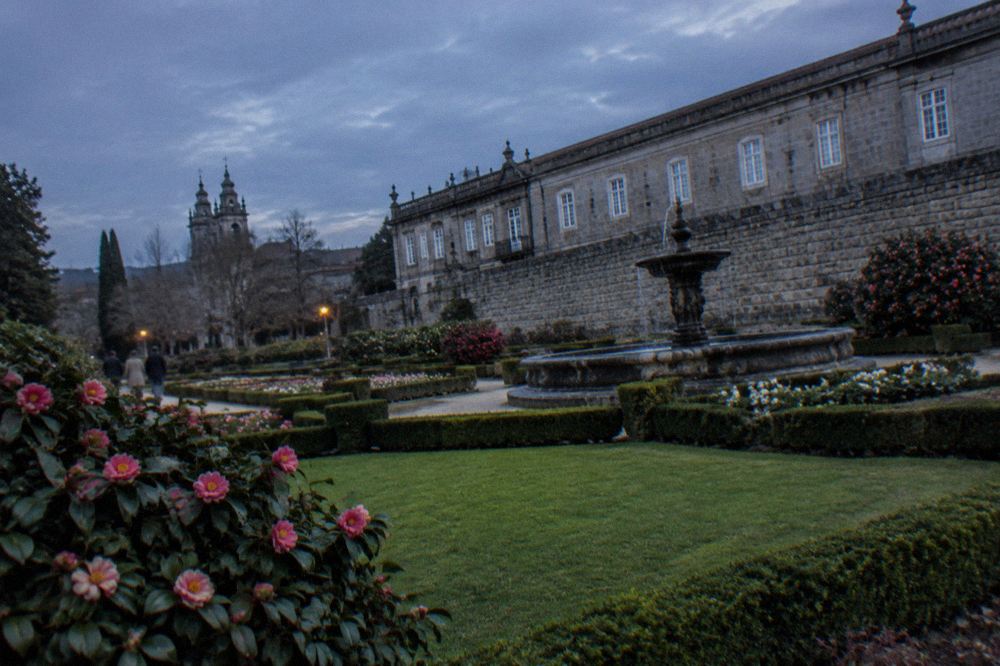
The Jardim de Santa Barbara, next to the cathedral's south side, is a small walled garden of clipped box hedges and seasonal bedding, one of the most photographed corners of the city, and it costs nothing. The garden has its own guide page. A few streets north, the Palácio do Raio, an 18th-century azulejo-clad town palace, stands on the street of the same name; its exterior is the sight, and the Raio Palace guide covers what is known about access.
The Roman layer sits mostly in the Maximinos and Cividade streets north-west of the centre. The Termas Romanas do Alto da Cividade and the Fonte do Ídolo, a rock sanctuary carved in Roman times, are run by the municipality on a shared circuit, and the 2026 price table lists an individual visit at about 2.05 EUR and a joint ticket at 3.70 EUR. Both have detailed attraction guides on this site.
How Much Do Old Town Tickets Cost And When Is It All Open?
A full old town sightseeing day costs about 15 to 20 EUR per person in tickets: the cathedral's combined route at 7.00 EUR, the Museu dos Biscainhos at 7.50 EUR, the Museu de Arqueologia D. Diogo de Sousa at 5.00 EUR, the Museu Pio XII at 4.00 EUR for the whole museum, and the Theatro Circo guided tour at 3.50 EUR. The Santa Barbara garden, the Praça da República and all the churches' exteriors are free.
The table below collects the verified prices for the main ticketed sights inside and immediately around the old town. Every figure comes from the operator's or the municipality's own published pages.
| Sight | Adult ticket | Standard hours |
|---|---|---|
| Sé de Braga (all three routes) | 7.00 EUR (any two routes 6.00 EUR, single route 3.00 EUR) | Mon-Sat 09:30-13:00, 14:30-17:00; Sun 09:30-10:45, 14:30-17:00 |
| Museu dos Biscainhos | 7.50 EUR, garden included | Tue-Sun 10:00-12:30, 14:00-17:30 |
| Museu de Arqueologia D. Diogo de Sousa | 5.00 EUR | Tue-Sun 10:00-17:30 |
| Museu Pio XII and Medieval Tower | 4.00 EUR whole museum | Tue-Sat 09:30-12:30, 14:00-18:00 |
| Museu Nogueira da Silva | 3.00 EUR | Tue-Fri 10:00-12:30, 14:00-18:00; Sat 14:00-19:00 |
| Theatro Circo guided tour | 3.50 EUR | Scheduled dates only, 45 minutes |
| Termas Romanas + Fonte do Ídolo joint | 3.70 EUR | Mon-Fri 09:30-13:00, 14:00-17:30; Sat 11:00-17:30 |
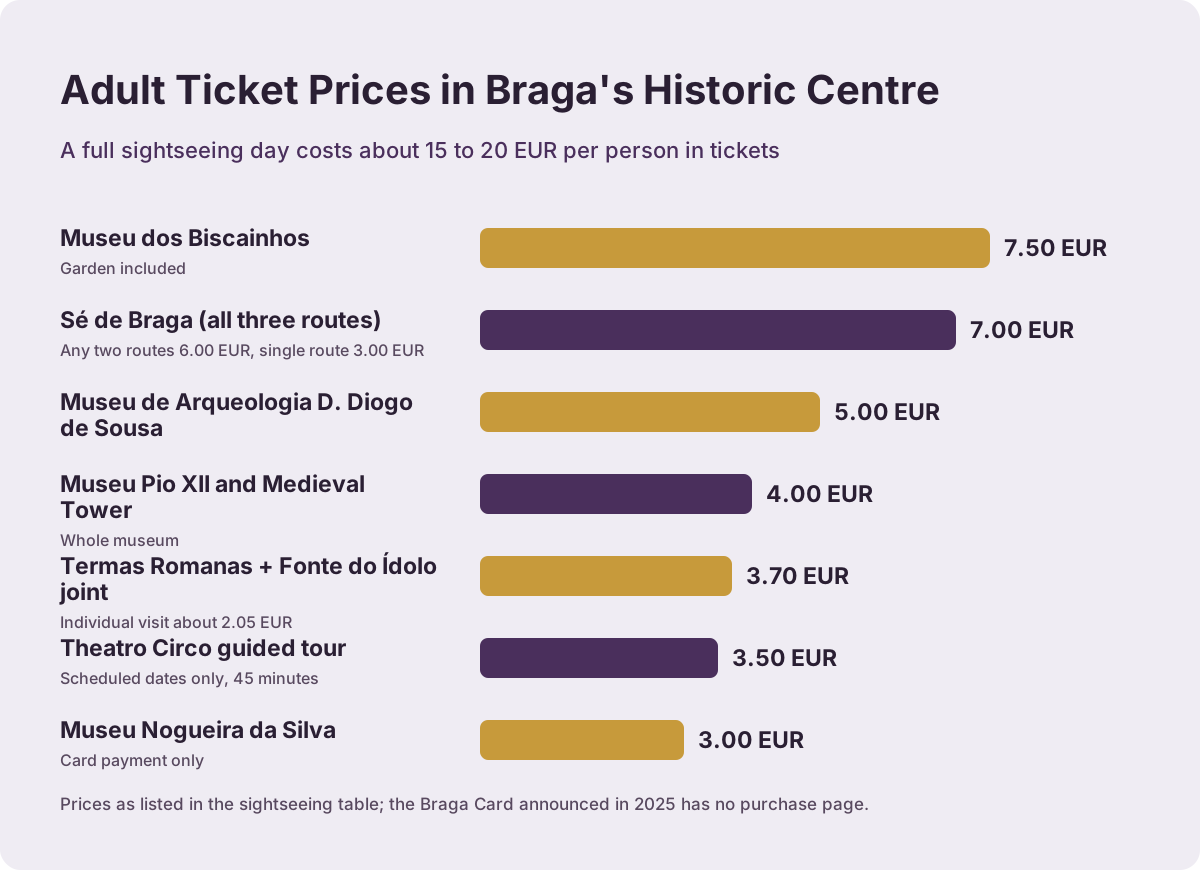
Mondays are the pinch point. The cathedral's Treasury-Museum, the Biscainhos, the D. Diogo de Sousa and the Tibães monastery all close on Mondays, so a Monday visit to the old town should lean on the gardens, the squares, the churches' exteriors and the Roman circuit, which runs Monday to Friday and Saturday mornings. There is no city pass: the "Braga Card" announced by the municipality in 2025 has no purchase page, so buy each ticket separately. The attraction tickets and passes guide covers this in detail.
Which Museums In The Old Town Are Worth Your Time?
The Museu dos Biscainhos is the old town's headline museum, a restored baroque palace house with its gardens included at 7.50 EUR, reopened after a major restoration in 2025. The Museu de Arqueologia D. Diogo de Sousa covers the Roman city of Bracara Augusta at 5.00 EUR, the Museu Pio XII pairs religious art with a climbable medieval tower at 4.00 EUR, and the Museu Nogueira da Silva, at 3.00 EUR, card payment only, collects decorative arts in a townhouse.
The Biscainhos museum is the one to prioritise. It occupies a 17th-century aristocratic house on the street of the same name, and after a state-funded restoration it reopened with the house, the chapel and the formal garden all visitable on one ticket. The municipality's own page still lists an older price, but the operator's site, the museum's state network, publishes 7.50 EUR with the garden included, and that is the price to expect at the desk.
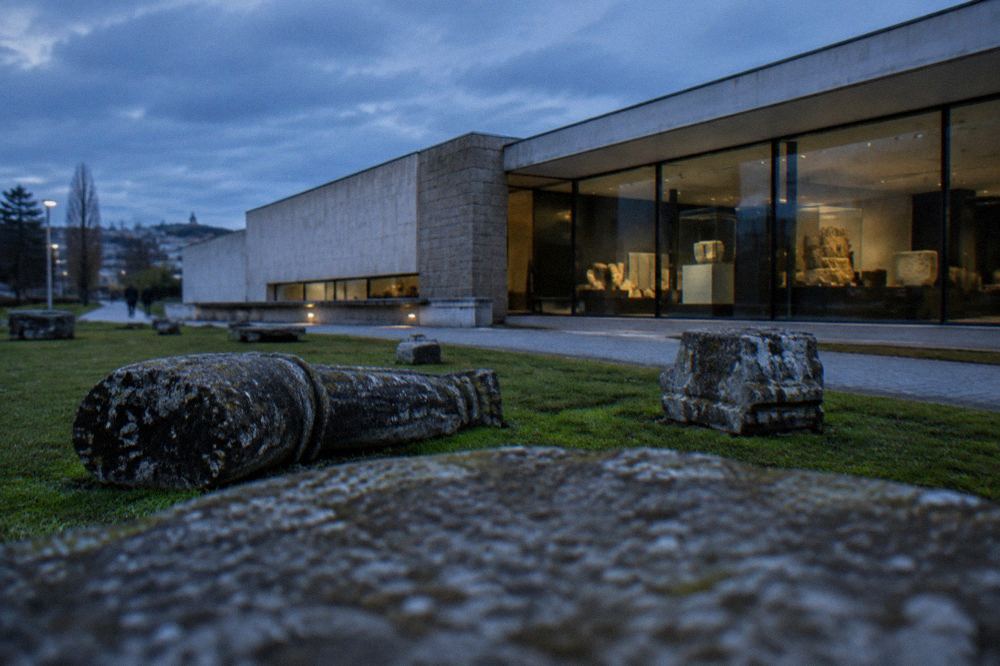
The D. Diogo de Sousa museum, a short walk north of the cathedral, is where the Roman city lives: inscriptions, mosaics, ceramics and the street plan of Bracara Augusta laid out at the entrance. Residents of Portugal can visit free on 52 days a year of their choosing, a rule the museum publishes on its own ticketing page. The Pio XII museum, on Rua do Souto's continuation, holds religious sculpture and the Medina gallery, and its medieval tower gives one of the few raised views over the old town's roofline. The Braga museums guide ranks all of them.
What Has Changed In The Old Town For 2026?
Three openings reshaped the old town in 2026: MUZEU, a five-floor contemporary art museum, opened in the historic centre in April 2026, the Museu da Imagem reopened in early September 2026 after about seven years closed for rehabilitation, and Casa dos Crivos, a 17th-century building, reopened on 19 and 20 September 2026 as a municipal gallery. The Bom Jesus funicular, outside the centre, has been out of service since 26 September 2026, with a replacement shuttle running instead.
The Casa dos Crivos reopening matters for the old town specifically: the building, on the street of the same name near the cathedral quarter, had been closed for almost two years of rehabilitation work and now serves as an exhibition space, and it joined the Encontros da Imagem photography festival programme, which ran from 18 September to 1 November 2026. The Museu da Imagem, near the Arco da Porta Nova, reopened in time for the Noite Branca festival, which ran from the evening of Friday 4 September to the evening of Sunday 6 September 2026. More of these guides are collected on Braga Travel Guide.
The funicular change affects old town itineraries that push east to the sanctuary. The Elevador do Bom Jesus has been out of service since 26 September 2026, with no end date published, and a replacement shuttle runs every day from 09:00 to 20:00, roughly every 30 minutes each way, between the Pórtico, where TUB Line 2 ends, and the sanctuary. The stairway itself, 566 steps by the Confraria's count, remains open, and the Bom Jesus hill area guide covers the whole hill.
How Do You Get Around The Old Town Without A Car?
You walk. The old town is fully pedestrian-friendly, and the only transport worth buying inside it is a TUB tourist ticket, at 3.35 EUR for one day, 6.05 EUR for two days and 8.05 EUR for three days, valid across the whole urban network including Line 2 to the foot of the Bom Jesus stairway. A single pre-bought or digital TUB ticket costs 0.75 EUR for one zone, against 1.55 EUR bought on board.
The TUB tariff in force since 21 February 2026 keeps the tourist ticket as the only multi-use product a visitor needs, and it is the honest substitute for the city pass that does not exist. Line 2, Ponte de Prado to Bom Jesus, ends at the Pórtico at the foot of the sanctuary stairway, and it runs about every 30 minutes on working days, per the transit listings. For everything else inside the walls, the distances are short enough that shoes beat buses.
| TUB ticket | Price | Validity |
|---|---|---|
| Single, pre-bought or digital, 1 zone | 0.75 EUR | 1 hour from first validation |
| Single, pre-bought or digital, 2 zones | 1.50 EUR | 1 hour 30 from first validation |
| Single, bought on board, 1 zone | 1.55 EUR | 1 hour from first validation |
| Tourist ticket, 1 day | 3.35 EUR | Whole network, 1 day |
| Tourist ticket, 2 days | 6.05 EUR | Whole network, 2 days |
| Tourist ticket, 3 days | 8.05 EUR | Whole network, 3 days |
Arriving from outside, most visitors come by train to the Braga station or by coach to the bus station, both a short walk or a single bus ride from the old town; the getting around Braga guide and the Braga train station guide cover the connections. Anyone flying in should read the Porto Airport to Braga guide, where the Getbus direct coach, from 9.00 EUR one way and about 45 minutes, is the simplest transfer.
What Is The Best Walking Route Through Braga'S Old Town?
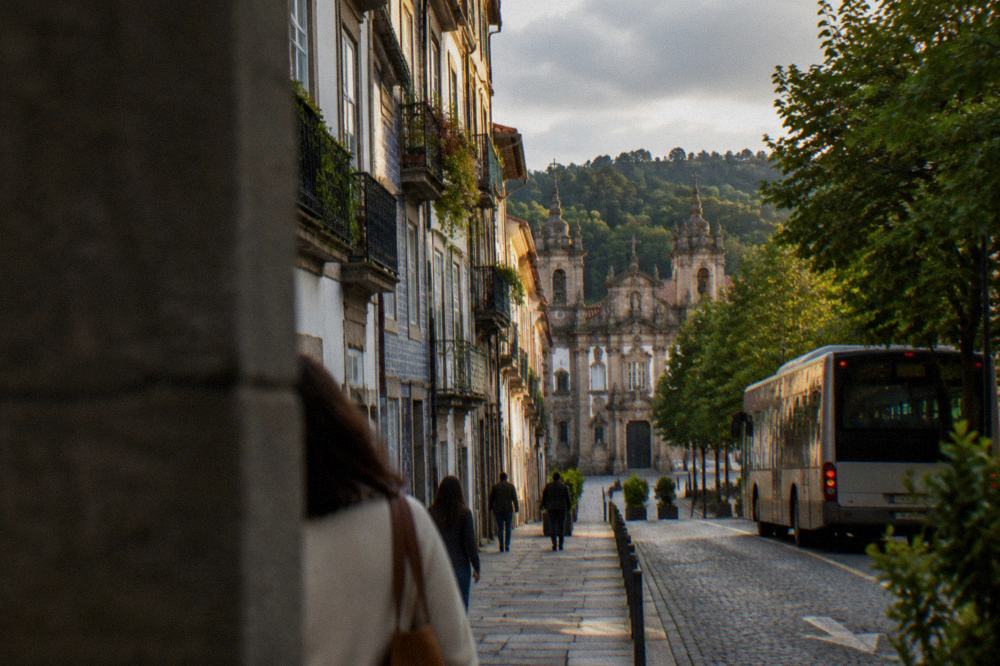
The best old town loop starts at the Arco da Porta Nova, follows Rua do Souto downhill to Praça da República, circles to the Palácio do Raio, then climbs through the Santa Barbara garden to the Sé de Braga, and finishes down into the Cividade streets for the Roman circuit, a gentle half-day at museum pace. Done in the other direction, it ends with the sunset light on the arch.
Rua do Souto, covered in its own street guide, is the pedestrian spine: café terraces, the Pio XII museum and the Theatro Circo's facade all sit along or just off it, and the Theatro Circo's 45-minute guided tour, at 3.50 EUR, runs on scheduled dates only, with tickets sold at the box office 30 minutes before, first come first served, up to 30 people. The theatre's own page is the place to check dates, because tours depend on the performance programme.
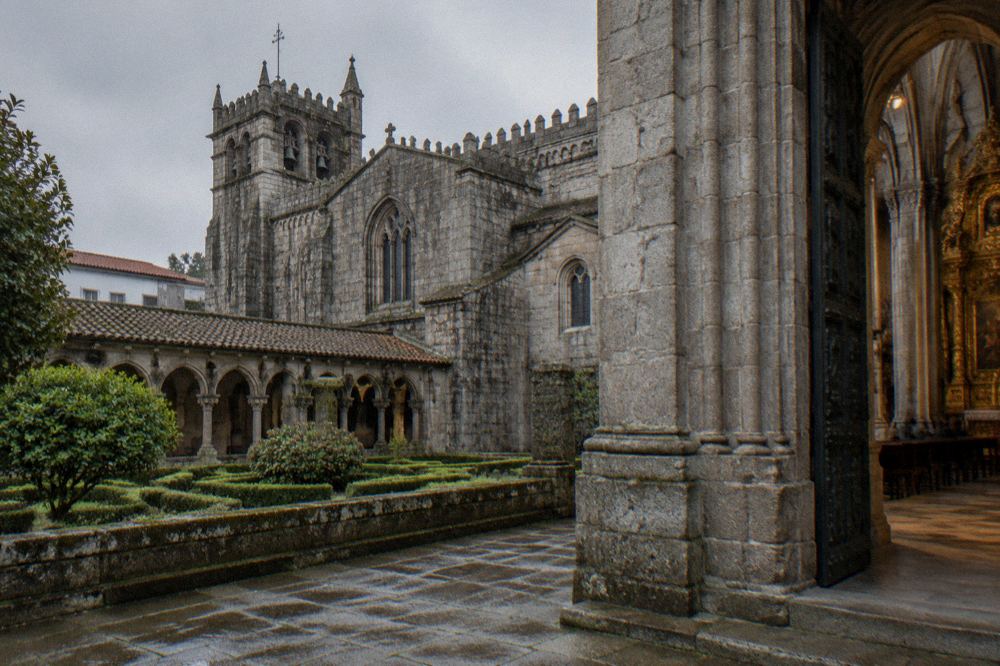
The cathedral quarter rewards the slowest part of the day. The combined 7.00 EUR ticket covers the Treasury-Museum, the funerary chapels and high choir, and the cathedral itself, and the visit hours published by Visit Braga run Monday to Saturday 09:30 to 13:00 and 14:30 to 17:00, Sunday mornings limited to 09:30 to 10:45, with last entry 30 minutes before closing. The building itself opens earlier for worship, at 08:00, so early risers see the church but not the ticketed routes.
From the cathedral, drop north-west through Maximinos to the Termas Romanas and the Fonte do Ídolo, then loop back along the Avenida da Liberdade, where the tourist office at number 1 opens Monday to Friday 09:00 to 18:30 and weekends 09:30 to 13:00 and 14:00 to 17:30. The Maximinos and Cividade area guide maps that quarter in full, and the historic centre photo spots guide lists the angles.
A guided option compresses all of this. The Small-Group Braga Half-Day Tour with Bom Jesus Sanctuary pairs the old town's core with the sanctuary hill in three hours, and it is the tour this site features for the historic centre; check availability on the operator's live listing, or Check availability directly. For travellers who want the old town explained street by street, the Braga walking tours guide compares every guided and self-guided option, including the free GuruWalk walks, where a local guru leads a tip-based tour and booking happens on GuruWalk itself.
When Is The Best Time Of Day And Year For The Old Town?
The best months for the old town are May, June and September, when the Braga weather station's normals show mean highs of 23.0, 26.1 and 26.9 degrees Celsius against 89.8, 40.6 and 67.6 mm of rain, and the July and August peak brings 28.2 and 28.7 degree mean highs with the year's biggest crowds. October is the wettest month on average at 197.8 mm, and July the driest at 27.9 mm.
The IPMA 1991 to 2020 normals for the Braga / Merelim station also show why shoulder seasons work: September is actually warmer at the top end than June, 26.9 against 26.1 degrees mean maximum, and only moderately wetter. Rain days of one millimetre or more run 12 to 13 a month from October through January, so an autumn or winter visit needs a real rain plan, which the rainy day guide provides, museum by museum.
| Month | Mean max C | Rain mm | Days with 1 mm+ rain |
|---|---|---|---|
| May | 23.0 | 89.8 | 8.9 |
| Jun | 26.1 | 40.6 | 5.7 |
| Jul | 28.2 | 27.9 | 4.0 |
| Aug | 28.7 | 34.6 | 3.8 |
| Sep | 26.9 | 67.6 | 6.2 |
| Oct | 22.2 | 197.8 | 12.0 |
Within the day, the old town is at its best in the morning, when the cathedral's ticketed routes open at 09:30 and the squares are still local, and again after 18:00, when the café terraces on Rua do Souto fill and the baroque facades catch the low light. The sunset and night free walking tours on GuruWalk, tip-based and led by a named guru, are built around exactly that second window, and the Braga nightlife guide picks up where they end.
Event weeks change the calculus. Semana Santa ran 29 March to 5 April 2026, the Festas de São João ran 17 to 24 June 2026 with the peak night of 23 June into the 24 June municipal holiday, and Noite Branca filled the first weekend of September. The Braga events guide tracks the calendar; 2027 dates are not announced for any of these, so plan around the recurring pattern rather than a printed date.
Where Should You Eat, Drink And Stay Inside The Old Town?
Eat in the old town's tasca-style restaurants around Rua do Souto and the side streets off Praça da República, where the local dishes are bacalhau à Braga and the Pudim do Abade de Priscos dessert, drink at the historic cafés including A Brasileira, and stay inside the walls for the atmosphere, budgeting 1.55 EUR per person per night for Braga's municipal tourist tax, charged for up to 4 nights, all year.
The food pages on this site do the heavy lifting: the what to eat in Braga guide covers bacalhau à Braga, the Braga restaurants guide lists where to book, and the Braga cafés guide includes A Brasileira, the city's grand café. The frigideiras and Braga pastries guide covers the convent-sweet side of the city, and the Braga market guide points to the municipal market, open and branded Praça, Mercado Municipal de Braga.
On accommodation, the old town's supply runs from guesthouses inside the medieval streets to the newer hotels on the edges, and the where to stay in Braga guide breaks the neighbourhoods down. Two 2025 and 2026 openings sit at the top end: The Lince Braga, a four-star conversion of the former Hotel da Falperra that opened in summer 2025 and holds a Michelin Key in the 2026 guide, and the Esperança Hotel, a city-centre conversion scheduled to open in September 2026. The tourist tax applies to guests aged 16 and over, whatever the booking channel.
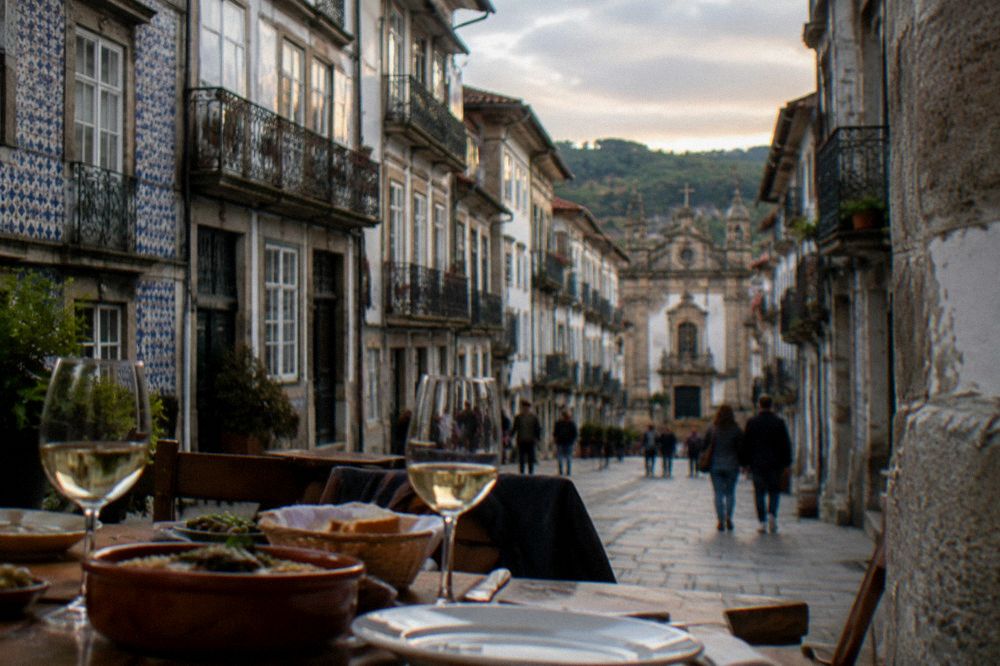
Tipping follows the national custom: Turismo de Portugal's own wording is that service is included in the bill in restaurants, though it is customary to leave an additional tip of about 5 to 10 per cent, and normal to tip taxi drivers 5 to 10 per cent or round up to the nearest euro. The is Braga expensive guide prices a full day out, meal by meal.
How Do You Fit The Old Town Into One, Two Or Three Days?
One day covers the cathedral's three routes, the Santa Barbara garden, Praça da República and one museum, with the evening on Rua do Souto. Two days add the Roman circuit, the Biscainhos and the Bom Jesus sanctuary hill, and three days allow a day trip to Guimarães, the Peneda-Gerês national park or the coast, all reachable by regional bus from Braga's bus station.
The one-day itinerary sequences the old town's essentials hour by hour, and the two-day itinerary and three-day itinerary stretch the plan to the hill sanctuaries and the district beyond. Day trips use the AITC regional lines from the bus station: Line 101 runs to Guimarães, Line 105 to Ponte de Lima, Line 201 to Caldas do Gerês and Line 107 to the coast at Esposende and Póvoa de Varzim, with the destination guides for Guimarães, Ponte de Lima, Peneda-Gerês and Barcelos covering what to do on arrival. There is no direct train from Braga to Guimarães; the bus is the connection.
For visitors with limited mobility or short on time, the tuk tuk city tour covers the old town's core streets in a 30-minute to two-hour loop, from 22.66 USD per person, rated 4.8 from 179 reviews on the listing, and the Braga accessibility guide assesses the old town's cobbles and slopes in detail. The Braga with kids guide adapts the same loop for families, and the is Braga worth visiting article makes the honest case for the city against its rivals.
Common Questions About The Braga Historic Centre
Is the Braga historic centre walkable?
Yes. The old town inside the former walls is compact and largely pedestrianised, with Rua do Souto closed to traffic, and every main sight from the Arco da Porta Nova to the Sé de Braga sits within a short walk of the others. The only slopes worth noting are the climb to the cathedral quarter and the drop to the Cividade streets.
How much does it cost to visit Braga Cathedral?
The Sé de Braga charges 3.00 EUR per single route, 6.00 EUR for any two routes and 7.00 EUR for all three, covering the Treasury-Museum, the chapels and high choir, and the cathedral. Children up to 12 enter free, and tourist visits are suspended during services.
What is there to do in Braga's old town on a Monday?
Most old town museums close on Mondays, including the Treasury-Museum, the Museu dos Biscainhos and the Museu de Arqueologia D. Diogo de Sousa. A Monday plan should lean on the Santa Barbara garden, Praça da República, the churches' exteriors, the Roman circuit, which runs Monday to Friday, and the café terraces of Rua do Souto.
Do you need a tour guide for Braga's historic centre?
The old town works well self-guided, but a guided walk adds context the streets do not explain themselves. The Small-Group Braga Half-Day Tour with Bom Jesus Sanctuary pairs the centre with the sanctuary in three hours, and free tip-based walks led by local gurus run daily on GuruWalk, including a sunset and night option.
Is there a city pass for Braga's attractions?
No. The "Braga Card" announced by the municipality in 2025 has no purchase page, so buy each ticket separately. The only multi-use product a visitor can buy is the TUB tourist ticket, at 3.35 EUR for one day, 6.05 EUR for two days and 8.05 EUR for three days, which covers urban buses including the line to Bom Jesus, not attraction entries.
What is the tourist tax in Braga?
Braga levies a municipal tourist tax of 1.55 EUR per person per night, for up to 4 consecutive nights per stay, all year, charged by hotels and local accommodation whatever the booking channel. It applies to guests aged 16 and over, and it rose from 1.50 EUR in 2025.
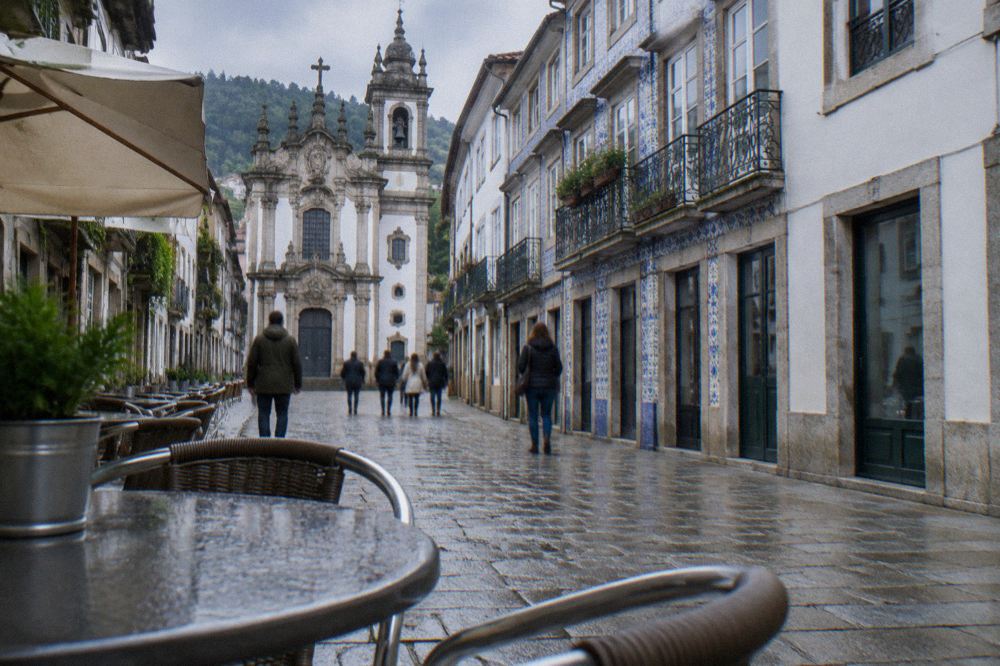
A private option suits travellers who want the old town's history unpacked at their own pace: the Braga Private Walking Tour with a Professional Guide runs two hours with a dedicated guide, from 259.43 USD per person, rated 5 from 3 reviews on the listing. Whichever way you take it, on foot, by tuk tuk or with a guide under an umbrella, the Braga old town repays the slow route: a combined cathedral ticket, a garden in flower, a Roman stone two streets from a café terrace, and a hill of 566 steps waiting at the edge of the map.