Braga Vs Coimbra: Which Portuguese City Should You Visit?
Braga and Coimbra are both historic northern Portuguese cities built around religion, rivers and student life, but they feel nothing alike. Here is how the two compare on sights, cost, transport and pace, with every Braga figure checked against official sources.
Short answer
Choose Braga for baroque sanctuaries, the Bom Jesus do Monte stairway and Minho wine country; choose Coimbra for the university, the Mondego river and a heavier medieval atmosphere. Braga is the smaller, greener, more devout city; Coimbra is the larger, bookish one. Two days suit either.
Braga, in the Minho region of northern Portugal, and Coimbra, on the Mondego river further south, are the two cities travellers most often weigh against each other when a Portugal itinerary has room for only one inland stop. Both are cathedral towns with deep roots and a famous student population in Coimbra's case, a famous pilgrimage stack of churches in Braga's. This comparison is written from the Braga side of the fence, and it is honest about that: every Braga figure below comes from an official source, while Coimbra is described on qualities, not statistics, because a number printed without a source is worth nothing.
Braga Or Coimbra: Which City Fits Your Trip Better?
Braga suits travellers who want baroque sanctuaries, green hills, Vinho Verde and a compact walkable centre, while Coimbra suits travellers drawn to the university, fado, the Mondego riverbank and a larger, more monumental city scale. Braga is the calmer, more devout city; Coimbra is the bookish, romantic one. If your route runs through Porto and the Minho, Braga is on the way; if you are heading south from Porto toward Lisbon, Coimbra is the natural stop.
The honest first question is not which city is better, because neither is objectively better, it is which one your route and your temperament favour. Braga sits about an hour north of Porto by urban train and pairs naturally with Guimarães, the Peneda-Gerês national park and the coastal towns of the Minho. Coimbra sits roughly midway between Porto and Lisbon and pairs with Aveiro or the Atlantic coast south of Porto.
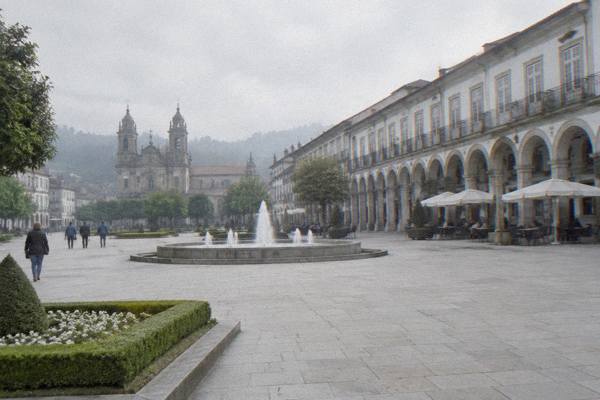
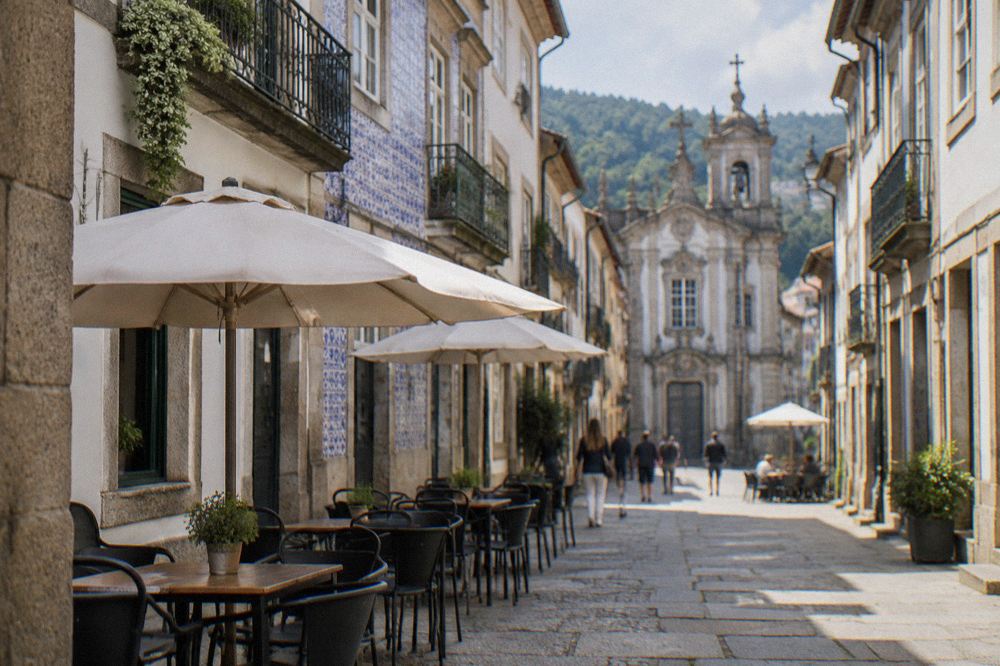
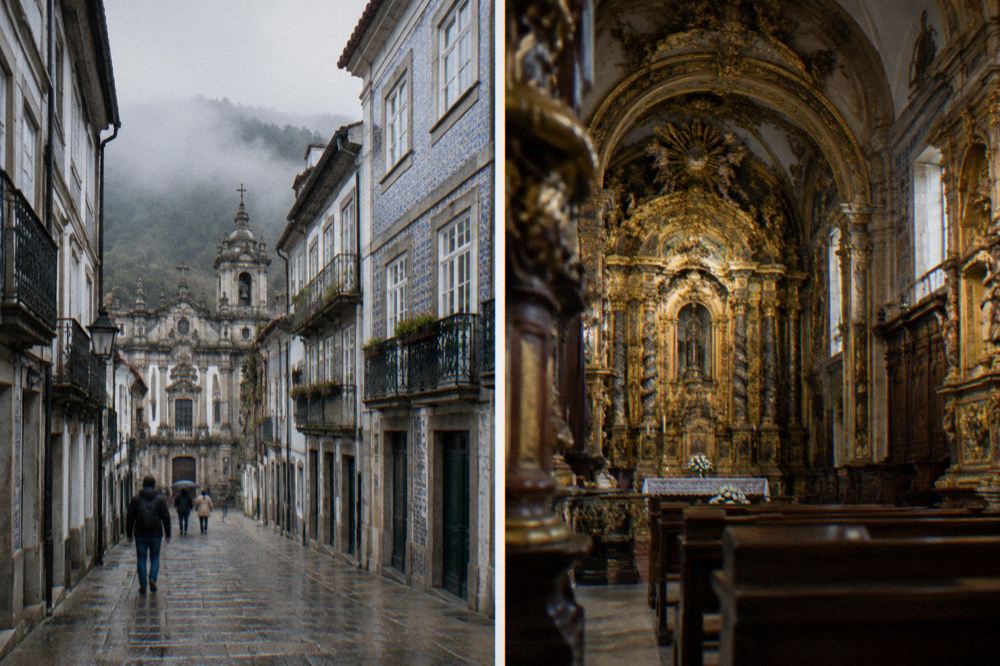
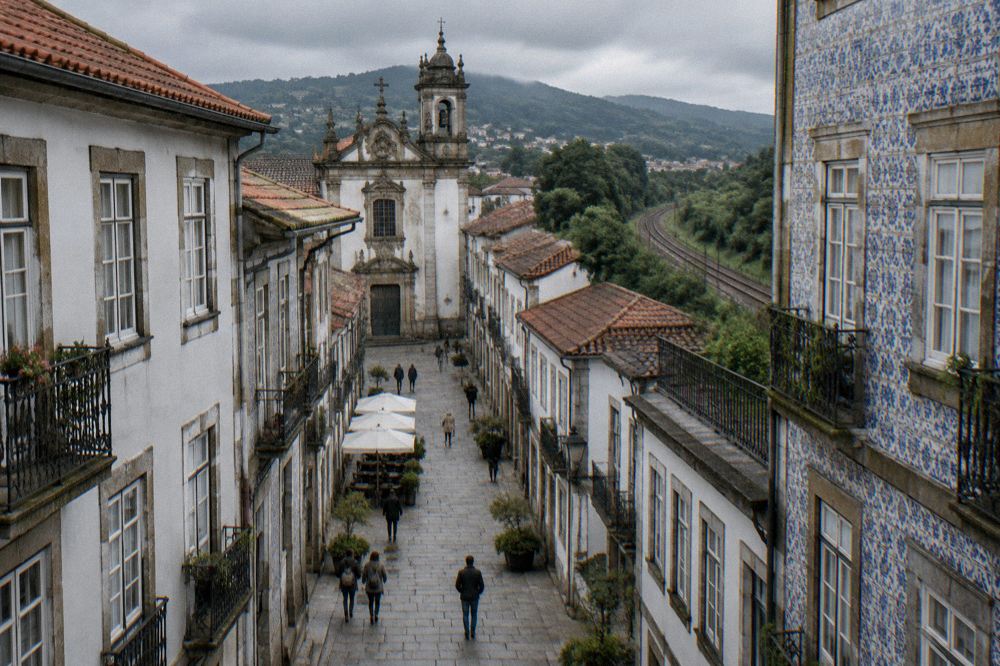
The feel of the two differs more than their histories. Braga's centre is a dense grid of granite streets, café squares and churches, with the sanctuary of Bom Jesus do Monte rising on a wooded hill to the east; the whole thing is walkable end to end in under half an hour. Coimbra climbs a steep hill from the river to one of the oldest universities in Europe, and its upper town is a warren of lanes built for students rather than pilgrims.
What Is Braga Known For Compared With Coimbra?
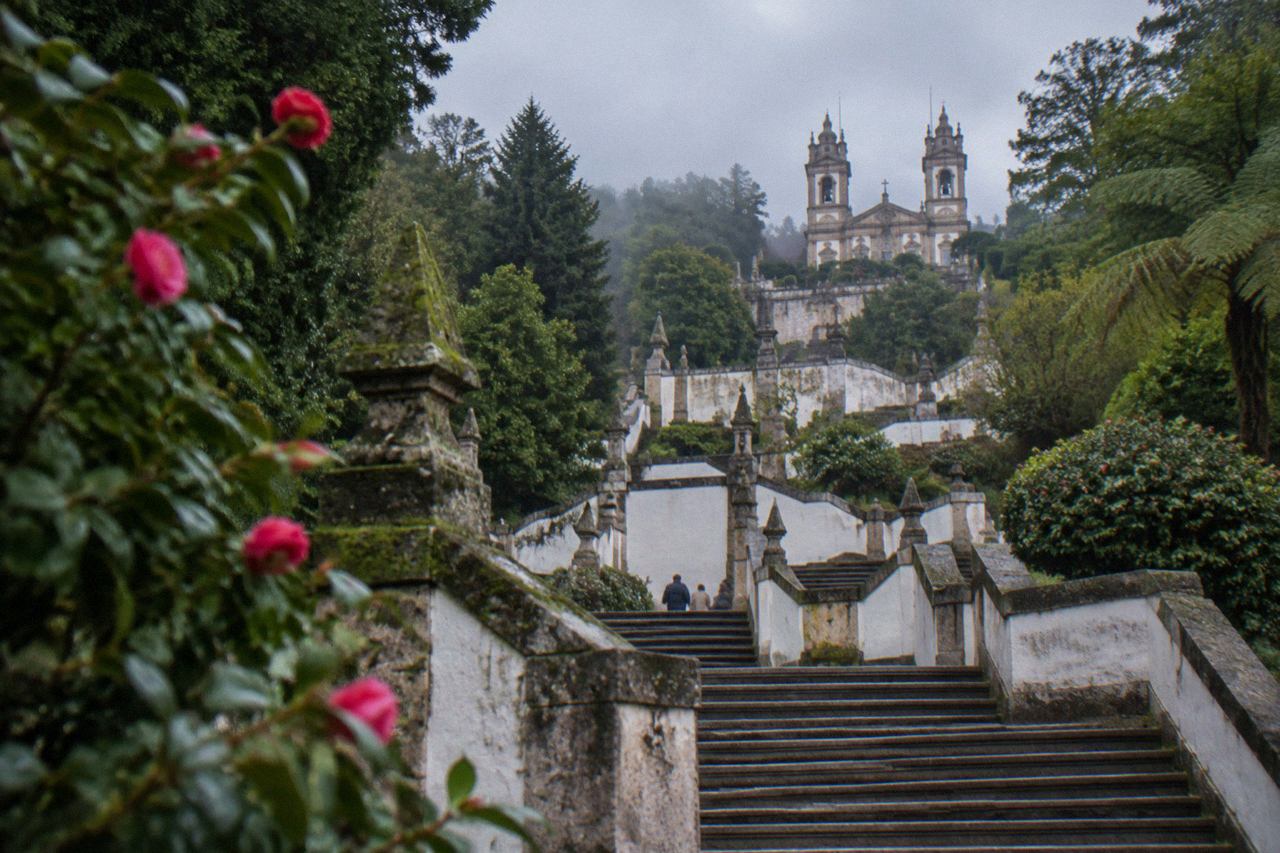
Braga is known for its religious architecture: the Sé de Braga cathedral, the baroque Escadório do Pórtico stairway at Bom Jesus do Monte, the Santuário do Sameiro and the Semana Santa processions, plus the Vinho Verde wine country around the city. Coimbra is known for its university, its baroque library, its fado tradition and the Mondego river that runs through it. Braga's fame is ecclesiastical and rural; Coimbra's is academic and urban.
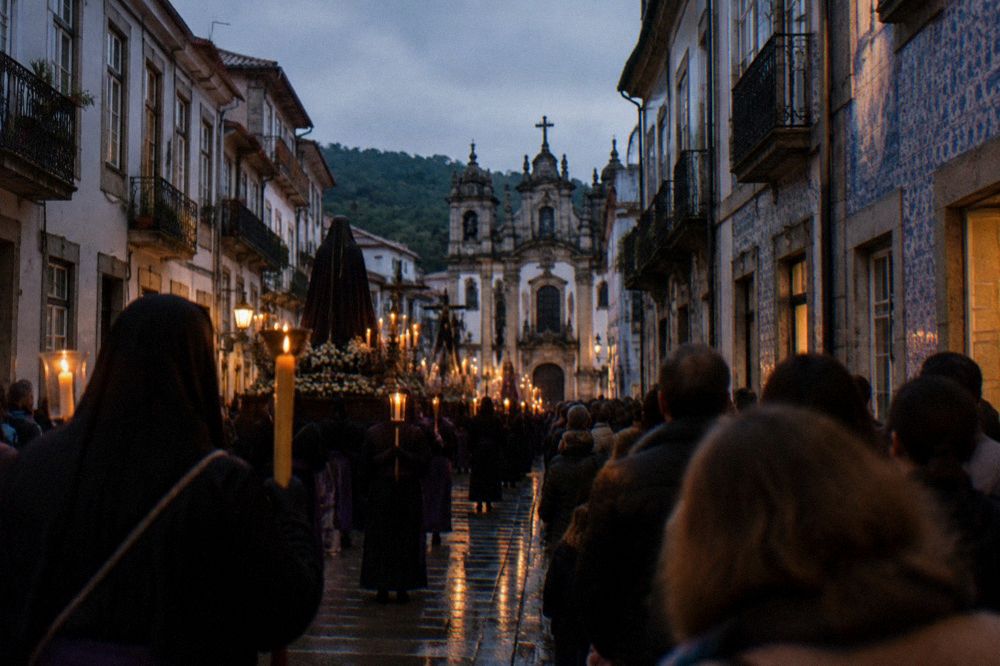
Braga's identity is built on churches, and the numbers behind them are checkable. The sanctuary of Bom Jesus do Monte was inscribed on the UNESCO World Heritage List in 2019 as a cultural property, and the Confraria that runs it counts its stairway at 566 steps, 615 metres long, with 116 metres of ascent. The Sé de Braga sells a three-route combined ticket for 7.00 EUR covering the Treasury-Museum, the funerary chapels and high choir, and the cathedral itself. Semana Santa, the city's Holy Week, is registered in Portugal's National Inventory of Intangible Cultural Heritage.
Coimbra's identity, by contrast, is the university. Its library and chapel, its black-caped students and its fado are what a day there revolves around. The comparison table below keeps to what each place is, because this build verified Braga's facts and not Coimbra's.
| Braga | Coimbra | |
|---|---|---|
| Core identity | Religious heritage, baroque sanctuaries, Minho wine country | University city, fado, riverside monuments |
| Setting | Compact centre on a plain, sanctuaries on wooded hills to the east | Steep hill rising from the Mondego river |
| Signature sight | Bom Jesus do Monte, UNESCO listed since 2019 | The university and its baroque library |
| Atmosphere | Devout, green, unhurried | Student city, romantic, more urban |
| Best pairing | Guimarães, Gerês, the Minho coast | Aveiro, the coast south of Porto, en route to Lisbon |
| Food and drink | Vinho Verde, Minho cooking, convent sweets | Student-town taverns, regional dishes of the centre |
For more on the Braga side of that identity question, see what Braga is famous for, which sets Braga against two other northern cities, or the practical roundup at things to do in Braga.
How Do The Main Sights In Braga And Coimbra Compare On Price?
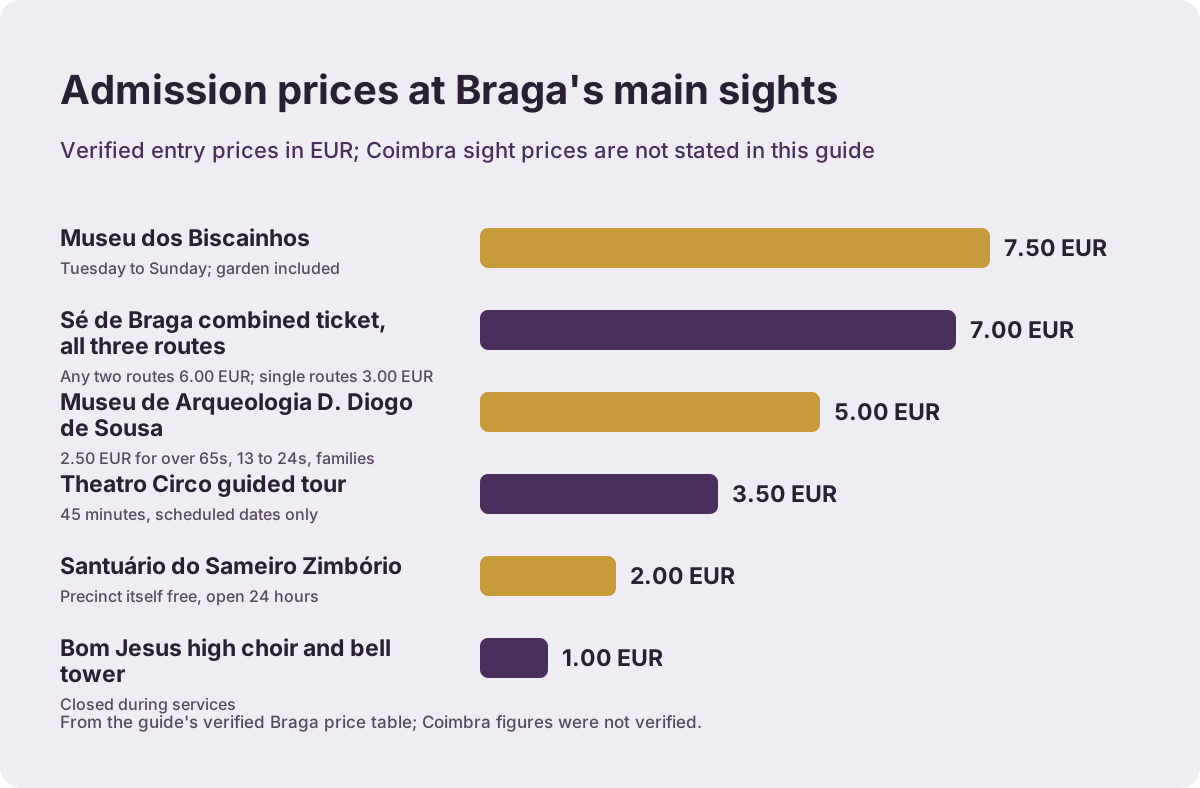
In Braga, the current prices are: the Sé de Braga combined ticket at 7.00 EUR for all three routes, Bom Jesus do Monte's grounds and basilica free with the high choir and bell tower at 1 EUR, the Museu dos Biscainhos at 7.50 EUR, the D. Diogo de Sousa archaeology museum at 5.00 EUR and the Sameiro dome viewpoint at 2 EUR. Coimbra's sights are not priced here, because no Coimbra figure was verified on this build; check each listing before you go.
Braga is unusually generous with free ground. The Confraria do Bom Jesus do Monte's own information page lists no admission charge for the sanctuary, the grounds or the basilica; only the funicular, the choir and tower, the lake boats and parking are priced. The Santuário do Sameiro precinct is open 24 hours a day, seven days a week, free, with only the Zimbório dome viewpoint charged at 2 EUR.
| Braga sight | Price | Notes |
|---|---|---|
| Bom Jesus do Monte grounds and basilica | Free | UNESCO listed; 566-step stairway open to walk |
| Bom Jesus high choir and bell tower | 1.00 EUR | Closed during services |
| Sé de Braga, all three routes | 7.00 EUR | Any two routes 6.00 EUR; single routes 3.00 EUR |
| Museu dos Biscainhos | 7.50 EUR | Tuesday to Sunday; garden included |
| Museu de Arqueologia D. Diogo de Sousa | 5.00 EUR | 2.50 EUR for over 65s, 13 to 24s, families |
| Santuário do Sameiro Zimbório | 2.00 EUR | Precinct itself free, open 24 hours |
| Theatro Circo guided tour | 3.50 EUR | 45 minutes, scheduled dates only |
One standing caveat matters for Braga in autumn 2026: the Bom Jesus funicular, the water-counterweight lift from 1882, has been out of service since 26 September 2026 with no end date published, and a replacement shuttle runs daily 09:00 to 20:00, roughly every 30 minutes each way, between the Portico and the sanctuary. The stairway itself is unaffected. Check the operator's notice before you go, and the full picture is in how to get to Bom Jesus do Monte.
Braga's sights also cluster tightly. The cathedral, the Arco da Porta Nova, the Santa Bárbara garden and the Museu dos Biscainhos all sit within a short walk of one another, which is why a guided circuit such as the Braga tuk tuk city tour covers the historic centre in as little as thirty minutes, a useful option for anyone comparing Braga's compactness with Coimbra's hill climb. Check availability
How Much Does A Day In Braga Cost?
A day in Braga costs very little at the sights: the TUB tourist bus ticket is 3.35 EUR for one day of unlimited city travel, the cathedral's full combined ticket is 7.00 EUR, a single pre-bought bus ride is 0.75 EUR, and the municipal tourist tax is 1.55 EUR per person per night for up to four nights. A visitor who walks, buys one combined ticket and eats at a tasca can keep a full day's spending in the low tens of euros, before accommodation.
The transport arithmetic is the part most visitors miss. Braga's TUB network, under its tariff in force since 21 February 2026, sells a whole-network tourist ticket at 3.35 EUR for one day, 6.05 EUR for two days and 8.05 EUR for three, and that covers the Line 2 bus to the foot of the Bom Jesus stairway. Pre-bought single tickets are 0.75 EUR for one zone against 1.55 EUR bought on board, so the pre-purchase saving is real.
| Braga day-budget item | Current figure |
|---|---|
| TUB tourist ticket, 1 day, whole network | 3.35 EUR |
| TUB pre-bought single, 1 zone | 0.75 EUR |
| TUB single bought on board, 1 zone | 1.55 EUR |
| Sé de Braga combined ticket, all three routes | 7.00 EUR |
| Bom Jesus grounds and basilica | Free |
| Bom Jesus high choir and tower | 1.00 EUR |
| Municipal tourist tax per person per night | 1.55 EUR, up to 4 nights |
The tourist tax is easy to overlook because it is charged at the accommodation, not at the sights: 1.55 EUR per person per night in 2026, up to four consecutive nights, all year, charged to guests aged 16 and over. Tipping follows the national norm, and Turismo de Portugal's own wording is that service is included in restaurant bills while an additional tip of about 5 to 10 percent is customary.
Coimbra's costs are not stated here, for the same reason as its sights: nothing was verified for Coimbra on this build, and a plausible-sounding number is worse than none. Budget the two cities on the same logic, cheap local food and free-to-walk old quarters, and check each listing.
How Easy Is It To Get To Braga And Coimbra?
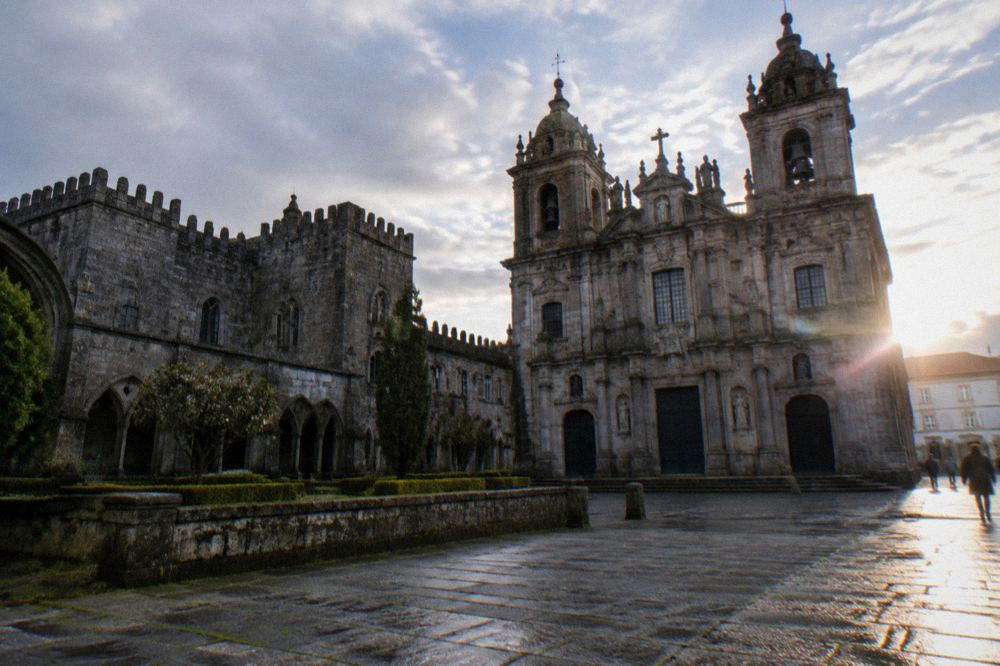
Braga is the terminus of CP's urban line from Porto São Bento, a little over an hour's ride, and it also has direct Alfa Pendular trains: 38.50 EUR full fare in second class from Lisbon and 17.00 EUR from Porto Campanhã, with the current urban timetable valid since 26 July 2026. Coimbra sits on the main Lisbon to Porto line, which makes it a natural mid-route stop, but no Coimbra journey time or fare is stated here because none was verified.
For a traveller flying into Porto, Braga is a straightforward hop. Getbus runs a direct, non-stop coach from Porto Airport to Braga bus station from 9.00 EUR, about 45 minutes, with the operator's page listing 16 departures a day each way. The urban train from Porto's centre uses a reusable Siga card costing 0.50 EUR, with the fare itself priced by zone, a few euros. The details are covered in Porto to Braga, Porto Airport to Braga and Lisbon to Braga.
| Braga transport route | Verified figure |
|---|---|
| CP urban train, Porto São Bento to Braga | A little over an hour; fare priced by zone, a few euros |
| Siga card for urban tickets | 0.50 EUR |
| Alfa Pendular, Lisbon to Braga, 2nd class full fare | 38.50 EUR |
| Alfa Pendular, Porto Campanhã to Braga, 2nd class | 17.00 EUR |
| Getbus coach, Porto Airport to Braga | From 9.00 EUR, about 45 minutes, 16 departures a day |
| TUB bus to Bom Jesus | Line 2, ends at the Portico |
The structural difference matters more than any single fare. Braga is a branch-line terminus: you go there deliberately, then return the way you came. Coimbra is on the spine of the country's rail network, so it inserts itself into almost any north-south itinerary without a detour. If your trip is Porto plus the Minho, Braga wins on logistics; if your trip is Porto to Lisbon by train, Coimbra is the stop that costs you nothing.
Which City Has The Better Food And Wine?
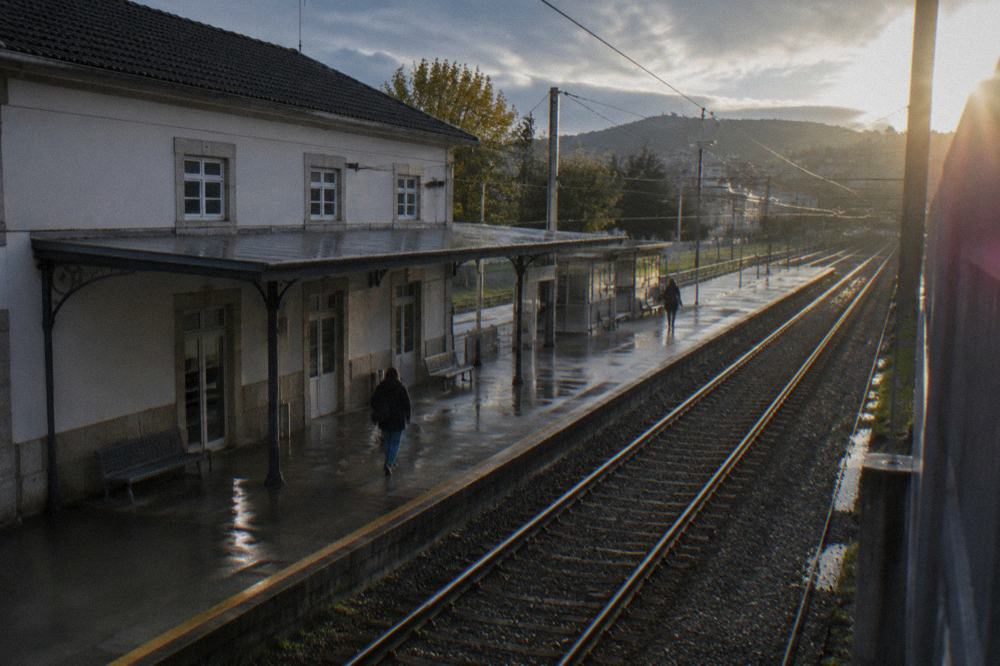
Braga eats from the Minho: Bacalhau à Braga, the Pudim Abade de Priscos, a caramel egg pudding, frigideiras and the region's Vinho Verde, with wine estate tastings around the city from 28.88 USD per person on this site's listings. Coimbra's table is central-Portuguese and student-priced, tavern cooking rather than a wine region's larder. On wine alone Braga has the clearer claim, because the Vinho Verde country starts at the city limits.
The Minho's cooking is the reason many visitors extend a Braga stay past lunch. The city's signature dishes are documented in what to eat in Braga and the restaurant guide, and the wine story runs through Vinho Verde, the light, young wine that carries the region's name. Coimbra's food identity is real but different: it is a student city's cooking, hearty and cheap, with its own regional dishes from the Beira littoral. It is not a wine-region capital. If a trip is built around eating and drinking, Braga's position inside Vinho Verde country is the deciding fact, and it needs no statistic to make the point.
What Is The Weather Like In Braga, And When Should You Visit?
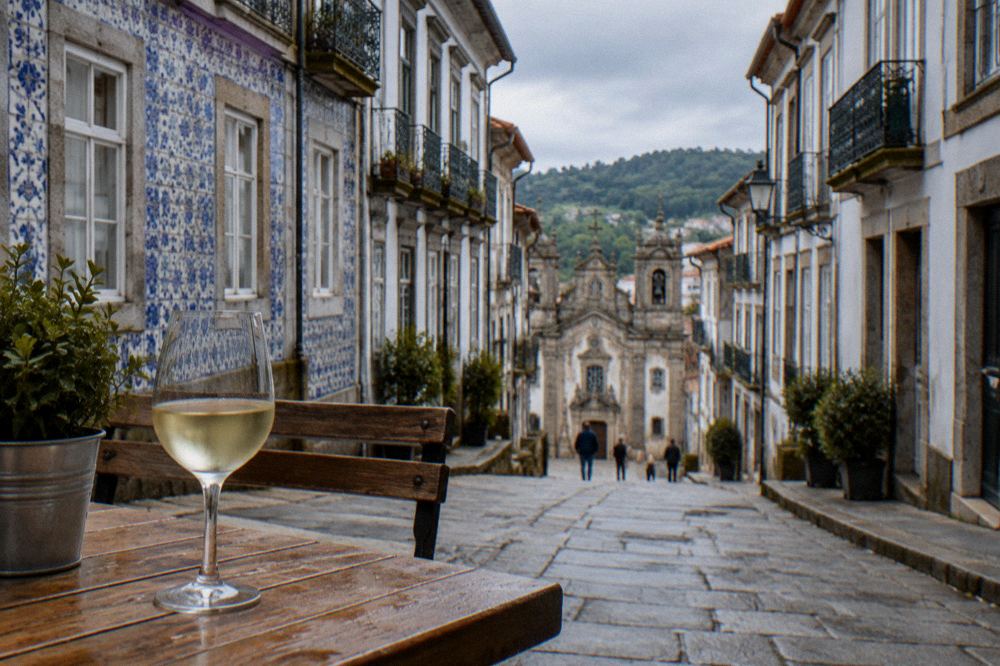
Braga's climate normals, IPMA's 1991 to 2020 series for the Braga / Merelim station, show a mild, wet-winter Atlantic climate: mean daily temperatures run from 8.6 C in January to 21.4 C in August, July is the driest month at 27.9 mm of rain and October the wettest at 197.8 mm, with 12 to 13 rain days a month from October to January. Coimbra's figures are not quoted here; plan it on Portugal's general pattern and check a forecast.
The Braga numbers deserve a closer read than the usual "sunny summers, rainy winters" summary, because October is not a shoulder month here, it is the wettest month of the year at 197.8 mm on average, wetter even than December's 190.3 mm. September, by contrast, is warmer at the top end than June, 26.9 C against 26.1 C mean maximum, and only moderately wet.
| Month | Mean C | Mean max C | Rain mm | Rain days 1 mm+ |
|---|---|---|---|---|
| Jan | 8.6 | 14.1 | 179.5 | 13.1 |
| Mar | 11.9 | 17.8 | 150.1 | 11.8 |
| May | 16.7 | 23.0 | 89.8 | 8.9 |
| Jul | 21.2 | 28.2 | 27.9 | 4.0 |
| Sep | 19.7 | 26.9 | 67.6 | 6.2 |
| Oct | 16.1 | 22.2 | 197.8 | 12.0 |
| Dec | 9.3 | 14.9 | 190.3 | 13.3 |
Timing a Braga visit around events is its own argument for the city. Semana Santa ran 29 March to 5 April in 2026, the Festas de São João ran 17 to 24 June, Braga Romana fell in late May and Noite Branca on the first weekend of September. The 2027 dates are not announced for any of them, so plan on the pattern and confirm nearer the time; the details are in Semana Santa in Braga and the best time to visit Braga.
How Many Days Do You Need For Braga Or Coimbra?
Two full days is the right dose of Braga: one for the historic centre, the Sé de Braga and the museums, one for Bom Jesus do Monte, Sameiro and a Vinho Verde tasting, with a third only if you are adding Guimarães or Gerês. Coimbra is commonly treated as a one-day stop on a Lisbon to Porto rail trip, though its upper town rewards longer. Braga is the city that expands, because its sanctuaries and wine country sit outside the centre.
The reason Braga stretches is geography. The centre is a morning; Bom Jesus do Monte, on its hill, is an afternoon of stairways, gardens and lake boats; the Sameiro sanctuary and the Mosteiro de São Martinho de Tibães sit on other hills in the same municipality; and the wine quintas sit in the countryside beyond. The itineraries this site publishes, one day, two days and three days, reflect that spread, and where to stay in Braga covers which quarter puts you closest to what.
Coimbra compresses differently. Its monuments concentrate on one hill, so a determined visitor covers the essentials in a day. What a day cannot cover is the atmosphere, the student traditions and the fado houses, which reward an evening and an overnight. Neither city punishes a short visit; only Braga actively rewards a long one.
Can You Visit Braga And Coimbra On The Same Trip?
Yes, and the order barely matters, because both cities connect through Porto: Braga is a branch off Porto to the north, Coimbra a stop on the main line to the south, so a Porto-based trip can take Braga as one day trip and Coimbra as another, or a one-way rail itinerary can run Lisbon to Coimbra to Porto to Braga. Doing both as day trips from Porto is the cheapest structure, since Braga's urban train fare is a few euros and Coimbra sits on the Alfa Pendular route.
The practical version is the one this site recommends most often: base in Porto for three or four nights, take Braga on a clear day, and reserve Coimbra for the leg of the journey when you leave Porto heading south. Travelling the other direction, from Lisbon, reverses the order without changing the logic. Either way, neither city demands an overnight you cannot spare, though both are better for one.
For travellers who would rather not self-drive or navigate the buses, the guided options on this site cover the Braga side: the small-group walking circuits and the tuk tuk tour described above all run from the city itself, and the Braga tuk tuk city tour listing carries its current price and availability.
Common Questions About Braga Vs Coimbra
Braga or Coimbra: which is better for a first visit to Portugal?
Neither is a wrong answer. Braga is the better fit if your trip centres on Porto and the Minho, because it is a little over an hour from Porto by urban train and pairs with Guimarães and Gerês. Coimbra is the better fit if you are travelling between Porto and Lisbon, because it sits on the main rail line and costs you no detour.
Is Braga cheaper than Coimbra?
Braga's verified costs are low: a full-day TUB tourist bus ticket at 3.35 EUR, the cathedral's three-route combined ticket at 7.00 EUR and free sanctuary grounds at Bom Jesus do Monte, plus a 1.55 EUR per night municipal tourist tax. No Coimbra figure is stated here because none was verified; both cities are inexpensive by western European standards.
Can you do Braga as a day trip from Porto?
Yes. The CP urban train from Porto São Bento takes a little over an hour and the fare is a few euros, and Getbus runs direct from Porto Airport from 9.00 EUR. The trade-off is time: Bom Jesus do Monte and a wine tasting will not both fit comfortably in a day-trip window alongside the historic centre.
Which city has more to see, Braga or Coimbra?
Coimbra has the larger single monument, its university, while Braga has the larger spread: the Sé de Braga, Bom Jesus do Monte with its 566-step stairway, Sameiro, Tibães and the museums of the historic centre. Braga rewards two days; Coimbra concentrates its essentials on one hill.
Is Braga worth visiting if you have already seen Coimbra?
Yes, because they share almost nothing but a cathedral. Braga's identity is baroque sanctuaries on green hills and Vinho Verde country, and its UNESCO-listed Bom Jesus do Monte stairway has no equivalent in Coimbra. This Braga Travel Guide covers the full case for the city.
How many days do you need in Braga versus Coimbra?
Two days for Braga, one to two for Coimbra. Braga's sights sit on separate hills and in wine country outside the centre, so a second day buys you Bom Jesus, Sameiro or a tasting; Coimbra's upper town is compact enough that a focused day covers the essentials.
The short version: Braga and Coimbra are not substitutes, they are two different arguments for northern and central Portugal, and a route through Porto is the only honest way to settle which one your trip has room for.