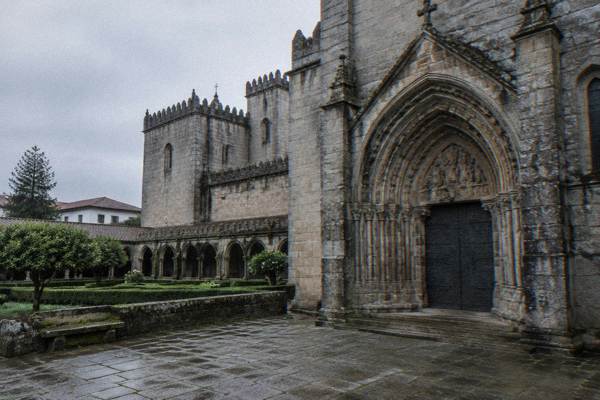
Braga Day Trip From Porto
Braga, the city in Portugal's Minho region, sits a little over an hour from Porto by train, which makes it one of the most rewarding day trips on the country's northern rail line.
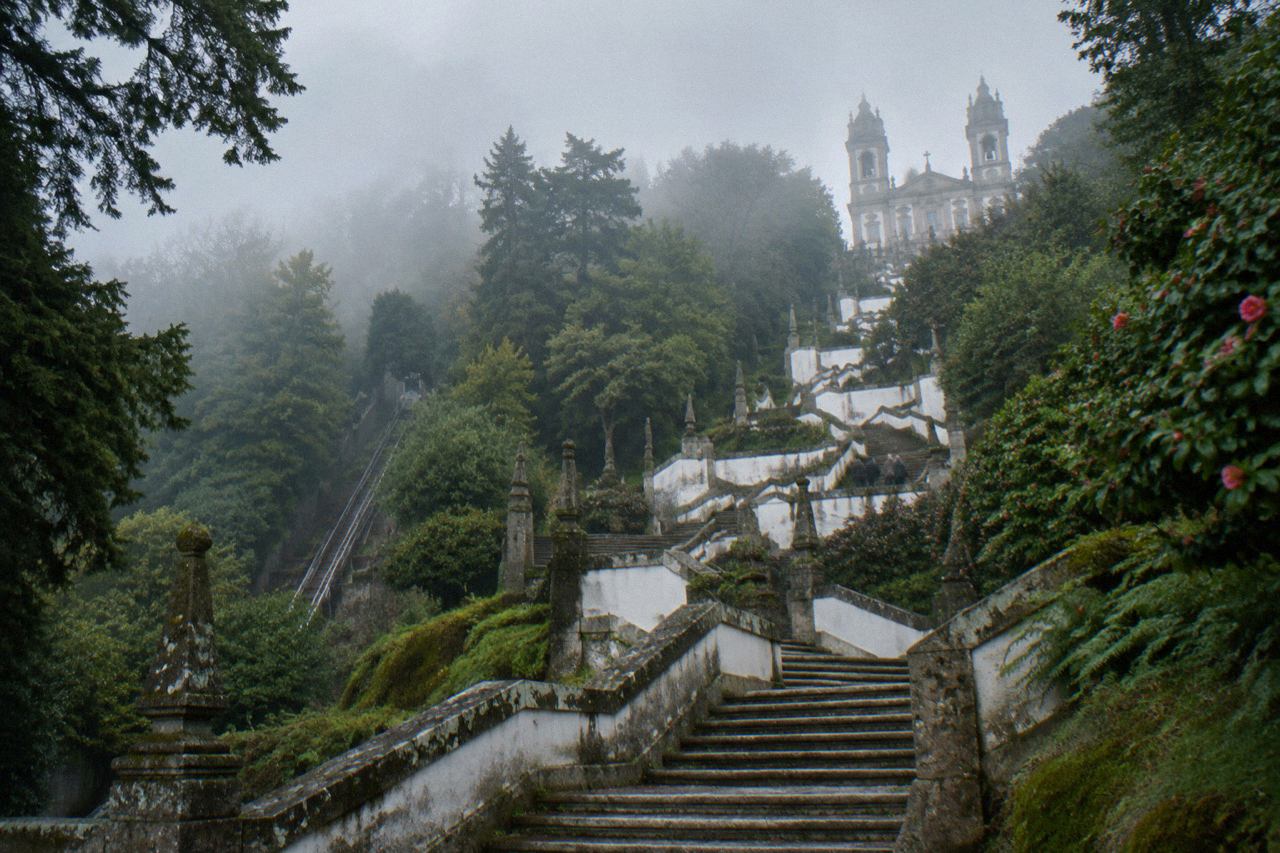
Short answer
Yes. Braga is about an hour from Porto by urban train, the historic centre is compact and walkable, and the headline sights, the Sé de Braga and the Bom Jesus do Monte sanctuary, can be covered in a single well-planned day.
Braga, the city in the Minho region of northern Portugal, is close enough to Porto for a comfortable day trip and different enough from it to feel like a genuine change of scene. The urban train from Porto São Bento covers the distance in a little over an hour, and from Braga station the historic centre is a short walk or a cheap local bus ride away. A day here buys you one of Portugal's great baroque staircases, a cathedral whose visit routes are priced by the room, and a café-and-azulejo old town that rewards aimless wandering.
Here is the practical plan: how to get there, what a day costs, an hour-by-hour itinerary, and the guided options for visitors who would rather not manage the logistics themselves.
Is Braga Worth A Day Trip From Porto?
Yes, for most visitors Braga earns its day. The train takes a little over an hour each way, the walkable historic centre concentrates a cathedral, Roman remains and baroque churches into a small radius, and Bom Jesus do Monte, a UNESCO World Heritage sanctuary on the hill above the city, is reachable by public bus. The trade-off is honest: one day covers the highlights, not the full set of churches, museums and hill sanctuaries.
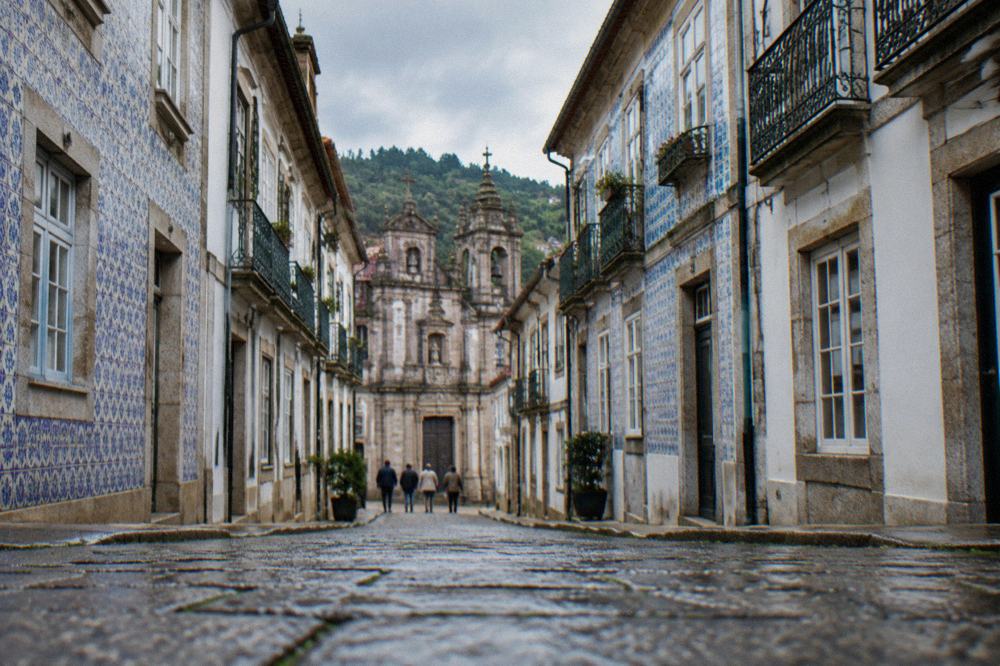
The case for Braga rests on density. The Sé de Braga, the Arco da Porta Nova, the Santa Bárbara Garden and the pedestrian Rua do Souto all sit within a ten-to-fifteen-minute walk of one another, so very little of a day trip is lost to transit. Add Bom Jesus do Monte, whose Escadório do Pórtico climbs 566 steps by the Confraria's count, and the day has a clear centrepiece that few other northern cities can match.
The case against is equally simple. Braga's biggest single draw, Holy Week, happens in spring, and its festival calendar peaks in June; a random Tuesday in November gives you the architecture without the atmosphere. Some visitors also find one day tight if they want to add Guimarães, the other historic city of the Minho, to the same outing. If that is the ambition, the combined itineraries discussed further down are the better fit, or see the site's full Braga and Guimarães in one day itinerary.
For a deeper look at the question, the site's dedicated answer page on whether Braga is worth a day trip from Porto works through the arguments in detail.
How Do You Get From Porto To Braga?
The simplest option is CP's urban train from Porto São Bento, via Porto Campanhã, which reaches Braga in a little over an hour; the fare is priced by zone and costs a few euros, loaded onto a reusable Siga Ocasional or Andante Azul card that itself costs 0.50 EUR. The Alfa Pendular is faster, about 38 to 42 minutes from Campanhã, but the full single fare is 17.00 EUR in second class against the urban train's few euros.
The urban line, CP's Linha de Braga, is the workhorse. The timetable in force since 26 July 2026 has a first departure from São Bento at 06:05 and a last at 00:50, which gives a day-tripper an early start and a late escape route. Tickets are not held in a phone app by default: they load onto the reusable card, which you keep for future journeys. Do not expect to state the exact fare in advance with confidence, because the price is zonal; budget a few euros each way and check the machine on the day. The full mechanics, including the airport connection, are on the site's Porto to Braga transport guide.
The urban line makes the whole day trip possible. Book a train ticket here.
The Alfa Pendular, Portugal's premium train, is the time-saver if a timetable is tight, at a price: 17.00 EUR single in Turística class from Porto Campanhã, 23.30 EUR in Conforto, under the fare table valid from 1 January 2026. It requires a reserved seat. A CP promotion ran Alfa Pendular seats from 8 EUR on selected October 2026 dates, but that was a campaign, not a standing fare.
| Option | Rough time | Fare basis | Notes |
|---|---|---|---|
| CP urban train (Linha de Braga) | A little over an hour | Priced by zone, a few euros | First departure 06:05, last 00:50 from São Bento; Siga card 0.50 EUR |
| Alfa Pendular from Campanhã | About 38 to 42 minutes | 17.00 EUR Turística, 23.30 EUR Conforto | Reserved seat required |
| Guided day tour from Porto | Full day, door to door | From the operator's listing | Transport, guide and often tickets included |
If the day trip is part of a wider northern Portugal stay, the site's answer page on good day trips from Porto compares Braga against the Douro, Gerês and the coast.
For visitors who would rather someone else own the timetable, the three most-booked guided options from Porto are below. All three are labelled "From Porto" because that is where they start.
What Is The Best One-Day Braga Itinerary?
Start at the Sé de Braga when the visit routes open at 09:30, spend the late morning in the historic centre around Rua do Souto and the Santa Bárbara Garden, take TUB Line 2 to Bom Jesus do Monte after lunch, climb or shuttle the sanctuary and stairway for two hours, and be back at the station for an early-evening train. This order front-loads the timed sights and leaves the flexible wandering for the middle of the day.
The morning belongs to the cathedral. Tourist visits run Monday to Saturday 09:30 to 13:00 and 14:30 to 17:00, with last entry half an hour before closing, and each of the three visit routes, the Treasury-Museum, the chapels and high choir, and the cathedral itself, costs 3.00 EUR, with all three combined at 7.00 EUR and any two at 6.00 EUR. Tickets are bought at the reception point in the cloister. The building opens earlier for worship, but tourist visits pause during services.
The middle of the day is for the low-cost part. Rua do Souto, the pedestrian spine, runs down to Avenida da Liberdade; the Arco da Porta Nova marks the historic gate; the Santa Bárbara Garden sits beside the old archbishop's palace. None of these charges admission. Lunch in the centre costs what any Portuguese regional city costs, and the site's one day in Braga itinerary goes deeper on the route between them.
The afternoon is Bom Jesus do Monte. TUB Line 2, Ponte de Prado to Bom Jesus, ends at the Pórtico, the foot of the stairway, and the 2026 TUB tariff lists a pre-bought one-zone ticket at 0.75 EUR against 1.55 EUR bought on board, so buying before boarding halves the fare. The sanctuary grounds and basilica are free; the stairway is 566 steps, 615 metres long with 116 metres of ascent, by the Confraria's count.
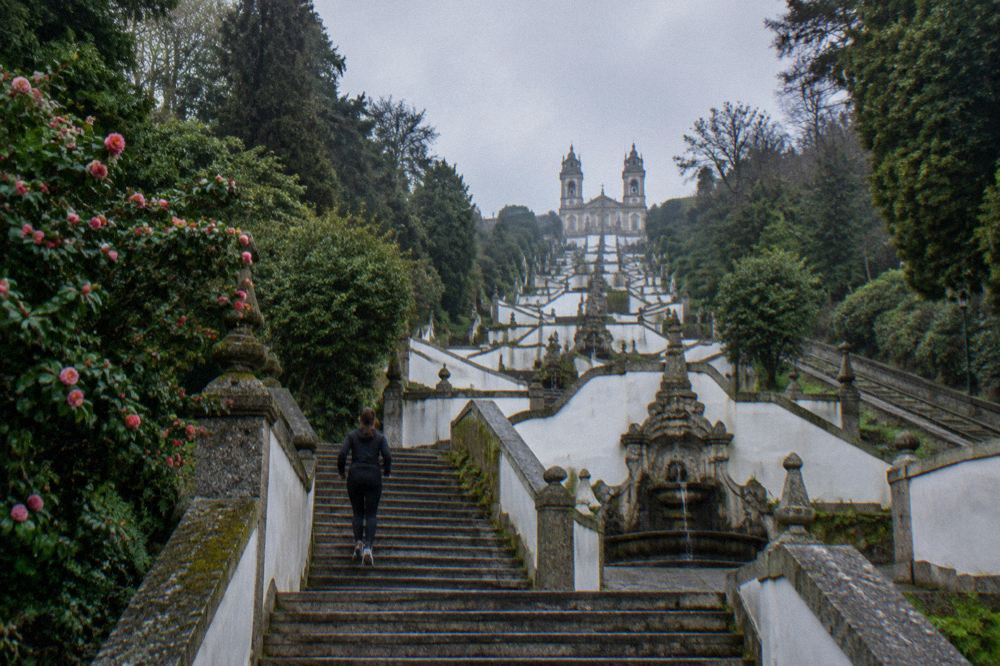
| Time | Where | What it costs |
|---|---|---|
| 09:30 | Sé de Braga, visit routes open | 3.00 EUR per route, 7.00 EUR all three |
| 11:00 | Rua do Souto and Praça da República | Free |
| 11:45 | Santa Bárbara Garden and Arco da Porta Nova | Free |
| 13:00 | Lunch in the historic centre | Typical regional prices |
| 14:30 | TUB Line 2 to Bom Jesus | 0.75 EUR pre-bought, 1.55 EUR on board |
| 15:00 | Bom Jesus stairway, sanctuary and basilica | Free entry; high choir and bell tower 1 EUR |
| 17:30 | Return bus and walk to the station | 0.75 EUR pre-bought |
| 18:30 | Train back toward Porto | A few euros, zonal |
One timing note matters more than the rest. The Bom Jesus funicular, the water-counterweight lift from 1882 that normally carries visitors up the hill, has been out of service since 26 September 2026, with no end date published. A replacement shuttle runs every day from 09:00 to 20:00, roughly every 30 minutes each way, between the Pórtico and the sanctuary. Check the operator's notice before promising yourself a ride.
What Are The Must-See Sights In Braga In One Day?
Four sights carry a one-day visit: the Sé de Braga, whose three visit routes cost 3.00 EUR each or 7.00 EUR combined; Bom Jesus do Monte, free to enter with a 566-step stairway; the Santa Bárbara Garden and Arco da Porta Nova, both free; and the Museu de Arqueologia D. Diogo de Sousa at 5.00 EUR, if the day has a spare hour. Everything else is a bonus rather than a requirement.
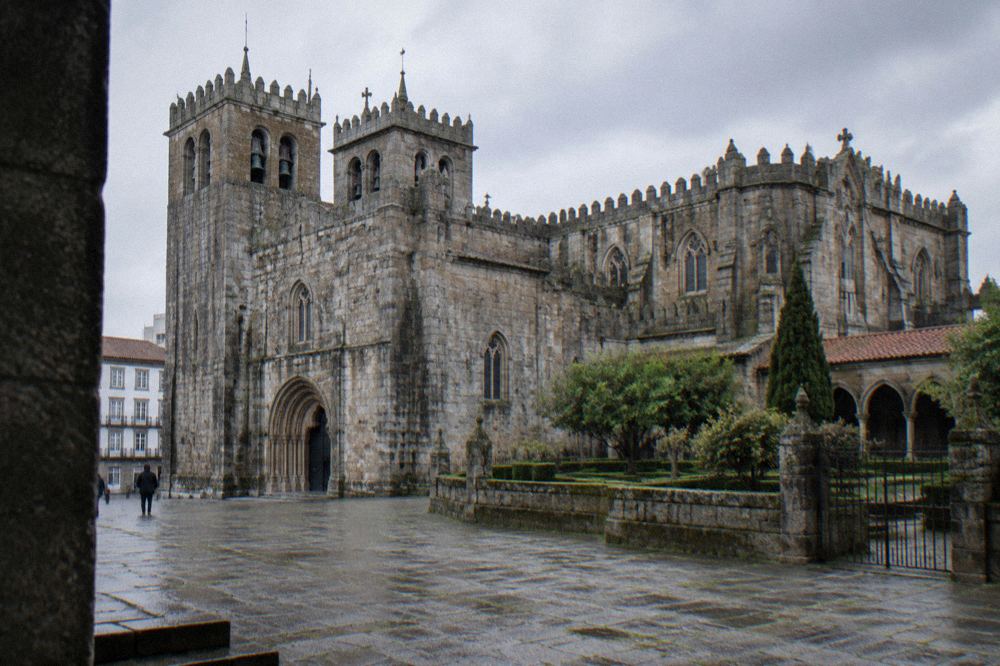
The cathedral is the anchor. Its Treasury-Museum, funerary chapels and high choir are visited on ticketed routes, and the combined ticket is the sensible buy for anyone with more than a passing interest. The building's own listing shows it opening at 08:00 for worship, while the tourist-visit window published by Visit Braga starts at 09:30, so an early arrival means a wait outside, not an early ticket.
Bom Jesus do Monte is the day's spectacle. UNESCO inscribed the sanctuary in 2019, and the ensemble, a Via Crucis of chapels, fountains, sculptures and formal gardens built over more than 600 years, is free to walk. The basilica opens 08:00 to 19:00 in summer and 08:00 to 18:00 in winter; the high choir and bell tower inside cost 1 EUR and close during services. Rowing boats on the lake run 3 EUR per person per 15 minutes.
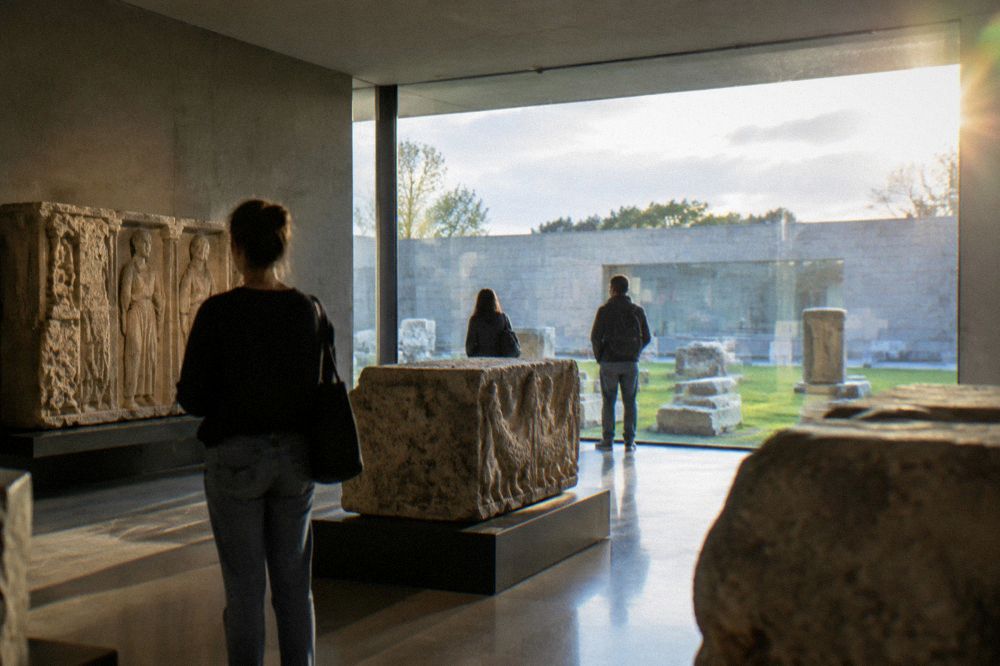
The museums fill a wet afternoon or a second visit. The Museu dos Biscainhos, a state museum in a baroque palace, charges 7.50 EUR with the garden included, Tuesday to Sunday. The Museu Pio XII and its medieval tower cost 4 EUR for the whole complex. The D. Diogo de Sousa archaeology museum, which holds the city's Roman material, is 5.00 EUR, with a 50% reduction for over-65s, ages 13 to 24 and families.
| Sight | Admission | Hours to plan around |
|---|---|---|
| Sé de Braga | 3.00 EUR per route, 7.00 EUR all three, 6.00 EUR any two | Visits Mon-Sat 09:30-13:00, 14:30-17:00 |
| Bom Jesus do Monte | Free; choir and tower 1 EUR | Basilica 08:00-19:00 summer, 08:00-18:00 winter |
| Santa Bárbara Garden | Free | Open air, daylight hours |
| Museu dos Biscainhos | 7.50 EUR | Tue-Sun 10:00-12:30, 14:00-17:30 |
| Museu de Arqueologia D. Diogo de Sousa | 5.00 EUR | Tue-Sun 10:00-17:30 |
| Museu Pio XII and medieval tower | 4 EUR whole museum | Tue-Sat 09:30-12:30, 14:00-18:00 |
The full inventory, including the smaller churches and the Roman sites, is in the site's things to do in Braga roundup. For visitors who decide one day is not enough, the two days in Braga and three days in Braga itineraries stretch the same material across a slower pace.
How Much Does A Braga Day Trip Cost?
An independent day trip costs roughly 6 to 8 EUR in return train fare, a couple of euros in local buses, 7.00 EUR for the full cathedral ticket and nothing at Bom Jesus, so about 15 to 20 EUR per person excluding food, against guided tours from Porto that start at 44.19 USD per person with transport and a guide included. The independent route is cheaper; the guided route buys back the hours spent on logistics.
The train is the small line item. The zonal urban fare is a few euros each way, plus 0.50 EUR for the reusable card the first time. Inside Braga, the 2026 TUB tariff prices a pre-bought one-zone ticket at 0.75 EUR and a one-day tourist ticket for the whole network at 3.35 EUR, which pays for itself at three rides. The cathedral's combined ticket at 7.00 EUR is the biggest single sight cost, and Bom Jesus is free to enter.
Food is the variable. A sit-down lunch of regional Minho cooking in the centre costs what it costs in any Portuguese city of this size; the site's eating pages cover the classics, from bacalhau à Braga to the Pudim Abade de Priscos, so the budget can be set before arrival. Tipping follows the national custom: Turismo de Portugal states that service is included in restaurant bills and an additional tip of about 5 to 10% is customary.
| Cost item | Independent | Guided day tour |
|---|---|---|
| Return transport, Porto to Braga | A few euros by urban train, plus 0.50 EUR card | Included |
| Local buses in Braga | 0.75 EUR per pre-bought ride, or 3.35 EUR day ticket | Included |
| Cathedral, all three routes | 7.00 EUR | Often included; check the listing |
| Bom Jesus do Monte | Free entry | Included as a stop |
| Lunch | Paid separately | Included on tours that list lunch |
| Guide | None | Included |
| Typical headline price | About 15-20 EUR before food | From 44.19 USD per person |
One cost that does not apply: the municipal tourist tax of 1.55 EUR per person per night, up to four nights, is charged on accommodation, so it touches overnight visitors only. A day tripper pays nothing.
Should You Combine Braga And Guimarães In One Day?
It is possible, and the organised tours from Porto do exactly this, but doing both cities independently in one day means roughly an hour of regional bus between them, no direct train, and a compressed visit in each. The honest recommendation: combine them only with a tour or a car, and pick one city if travelling by public transport alone.
The geography sets the constraint. There is no direct train from Braga to Guimarães; the regional bus line, AITC line 101 from Braga's bus station, is the public link, and regional bus fares and journey times are not published on a verified primary source, so the site does not quote them. A tour erases the problem by running its own vehicle between the two.
The tours that solve it are the ones already listed above. It is the site's featured pick for exactly this question, and Check availability if the combined day appeals.
For a self-drive version, the site's Guimarães day trip page covers the birthplace city of Portugal, and the comparison between the two cities is argued on the site's answer page about whether to visit Braga or Guimarães. The short version: Guimarães has the castle and the medieval core, Braga has the churches and the baroque hill; a forced choice usually comes down to whether stone stairways or castle walls appeal more.
When Is The Best Time Of Year For A Braga Day Trip?
Late spring through early autumn is the most reliable window: IPMA's 1991 to 2020 normals for the Braga / Merelim station show July and August averaging 28.2 and 28.7 C mean maximums with only about four rain days a month, while October is the wettest month at 197.8 mm and January close behind at 179.5 mm. Holy Week, 29 March to 5 April in 2026, is the atmospheric peak but also the most crowded.
The climate table rewards reading closely. September is warmer at the top end than June, 26.9 C against 26.1 C mean maximum, and still fairly dry at 67.6 mm of rain across about six wet days, which makes it one of the smartest months for a day trip: summer warmth, thinner crowds, and the city's Noite Branca festival on the first weekend of September if the timing lands. May works too, at a 23.0 C mean maximum and fewer than nine rain days.
Winter is not a write-off but it is a planning problem. December and January each see 12 to 13 days with a millimetre or more of rain, and nights dip below zero on seven to eight of them. The compensation is that the indoor sights, the cathedral, the museums, the cafés, hold up in any weather, and the site's Braga on a rainy day itinerary is built for exactly this.
| Month | Mean max C | Rain mm | Rain days (1 mm+) | Day-trip verdict |
|---|---|---|---|---|
| March | 17.8 | 150.1 | 11.8 | Holy Week if dates align |
| May | 23.0 | 89.8 | 8.9 | Excellent |
| June | 26.1 | 40.6 | 5.7 | Excellent, São João festival mid-month |
| July | 28.2 | 27.9 | 4.0 | Hot but driest |
| September | 26.9 | 67.6 | 6.2 | Excellent, Noite Branca early in the month |
| October | 22.2 | 197.8 | 12.0 | Wettest month; pack for rain |
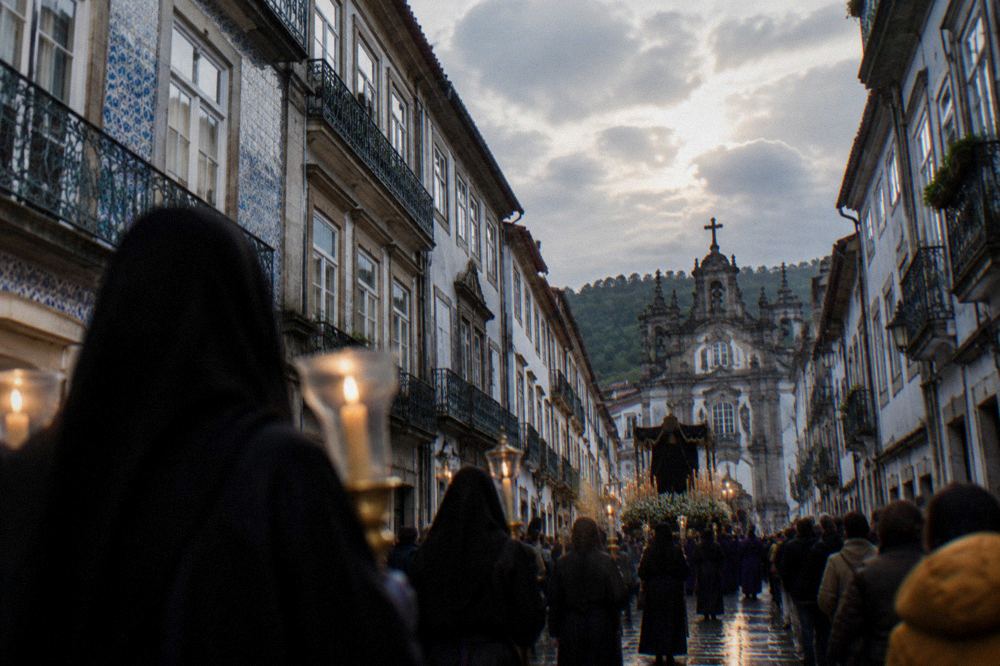
The festival calendar matters as much as the weather. Holy Week in 2026 ran 29 March to 5 April, with the night processions the signature events; the Festas de São João ran 17 to 24 June, peaking on the night of 23 June into the 24 June municipal holiday; Braga Romana fell in late May; Noite Branca on the first weekend of September. 2027 dates were not announced when this page was written, so treat the months, not the dates, as the planning anchor.
What About Rain, Or A Shorter Day?
Braga handles a wet day better than most day-trip destinations because its headline indoor sights are clustered: the cathedral's three visit routes, the Biscainhos museum at 7.50 EUR, the Pio XII museum and tower at 4 EUR and the archaeology museum at 5.00 EUR are all within a short walk or ride of the station, and the funicular outage means the hill is reached by shuttle bus in any case.
The rain plan is really a museum plan. The Biscainhos reopened around May and June 2025 after a major restoration, so the palace interiors are freshly presented. The Pio XII complex includes a medieval tower climb, which is better in dry weather but bookable in any. The archaeology museum, holding the Roman material from ancient Bracara Augusta, is the one that rewards the most reading time.
A shorter day changes the arithmetic rather than the plan. The last urban train back toward Porto leaves Braga late, so the constraint is usually the first train out, not the last one back. Anyone starting mid-morning should cut Bom Jesus to the shuttle and the sanctuary terrace rather than the full stairway climb, and keep the cathedral as the single paid sight.
For visitors who decide Braga deserves more than a day, the site's answer page on whether to stay in Porto or Braga makes the overnight case, and the Porto day-trips overview sets Braga among the other candidates for a northern itinerary.
Should You Take A Guided Tour Or Go Independently?
Go independently if the goal is a cheap, flexible day and the train times suit; take a guided tour if the day also needs to cover Guimarães, or if tickets, lunch and timing are worth paying someone else to manage. Guided Braga-and-Guimarães tours from Porto start at 44.19 USD per person, against roughly 15 to 20 EUR of independent costs before food.
The independent day's advantage is control. The urban train runs from early morning to near midnight, the city centre is walkable, and the only timed entries, the cathedral's visit routes, are bought on the spot. Its weakness is that every transfer, ticket queue and lunch stop is the visitor's own problem, and a missed bus to Bom Jesus eats the afternoon.
The tours' advantage is compression. A nine-hour guided day can cover Braga's cathedral and Bom Jesus plus Guimarães' historic core, a combination that is genuinely awkward by public transport. The listings also typically include entry tickets and lunch, which removes the two slowest friction points of a self-managed day.
For visitors extending a Braga stay rather than day-tripping, a half-day guided option inside the city itself is the small-group Braga half-day tour with the Bom Jesus sanctuary, from 68.15 USD per person for three hours, rated 4.8 from 24 reviews.
And for the biggest-group, lowest-price end of the from-Porto market, the Best of Braga and Guimarães day trip from Porto starts at 54.29 USD per person and carries a 4.7 rating from 3,322 reviews on the listing.
The three featured from-Porto options for this route, compared:
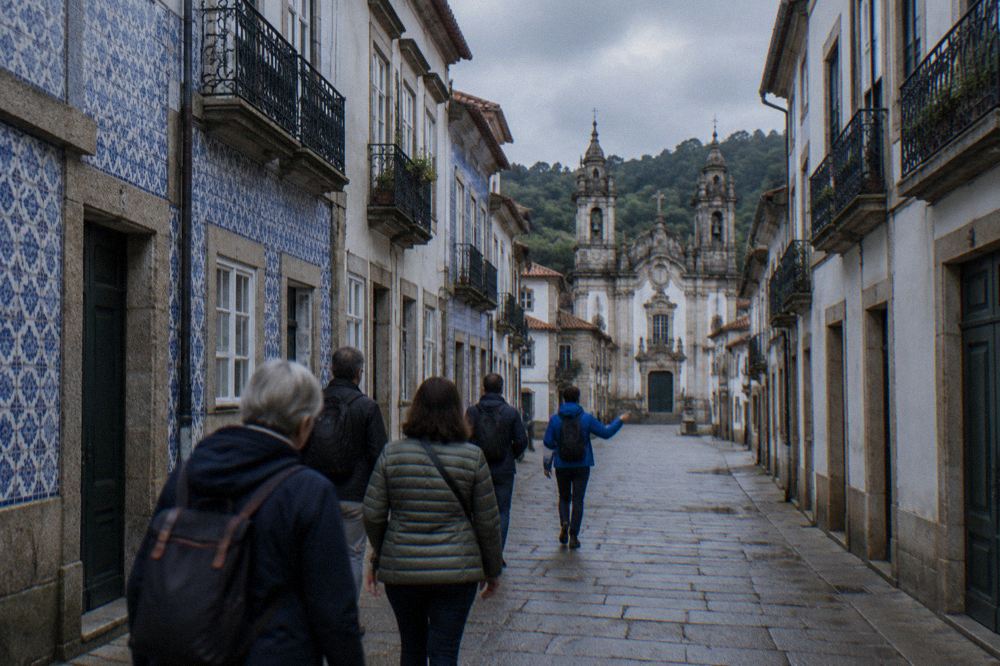
| Tour | Headline price | Rating on the listing | Shape of the day |
|---|---|---|---|
| From Porto: Braga & Guimarães Tour with Bom Jesus & Castle | From 49.96 USD | 4.6 from 4,730 reviews | 9 hours, both cities plus sanctuary and castle |
| Porto: Guimarães & Braga Tour with Entry Tickets and Lunch | From 118.96 USD | 4.8 from 661 reviews | 8 hours, tickets and lunch included |
| Braga & Guimarães Small Group Tour with Lunch & Tickets Included | From 144.38 USD | 4.9 from 598 reviews | 8 hours, small group, premium inclusions |
What Else Could You Do With The Same Day From Porto?
The realistic alternatives to Braga from Porto are Guimarães for medieval history, the Peneda-Gerês National Park for mountains and waterfalls, the coastal towns of Viana do Castelo, Ponte de Lima and Barcelos, or the Douro Valley for wine scenery, and each suits a different traveller: Gerês for hikers, the Douro for wine, the coast for a slow day, Braga or Guimarães for architecture and churches.
The comparison is not really about quality but about type. Braga and Guimarães are the culture pair, close together, both reachable by train or short bus. The Douro, the terraced wine valley east of Porto, is argued on the site's page on whether a Douro Valley day trip is worth it.
The coastal and river towns fill out the set: Viana do Castelo, Ponte de Lima and Barcelos each sit on the regional bus network from Braga, and the site's roundup of the most beautiful towns near Porto places them side by side.
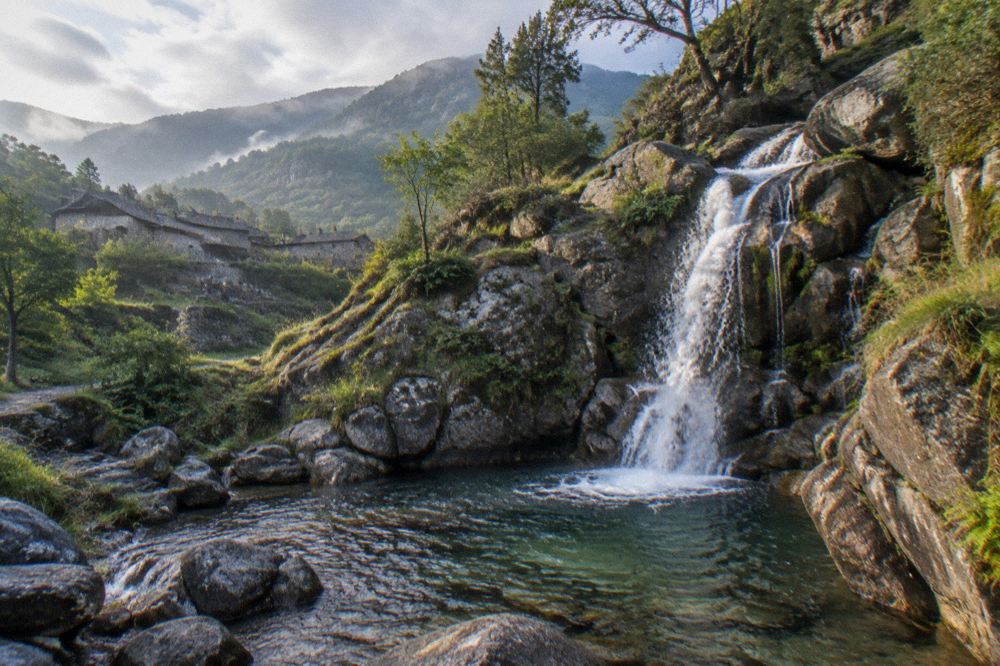
Braga's own claim on that list is the one this page has made throughout: the strongest concentration of religious architecture in northern Portugal, a UNESCO-listed hill sanctuary above it, and a train that puts it all a little over an hour from Porto. For a single day out of the city, few options on that list pay back the fare so reliably, a conclusion the whole of this Braga Travel Guide site is built to help you test.
Common Questions About A Braga Day Trip From Porto
How long is the train from Porto to Braga?
The CP urban train from Porto São Bento to Braga takes a little over an hour. The Alfa Pendular from Porto Campanhã is faster, about 38 to 42 minutes, but the full single fare is 17.00 EUR in second class against the urban train's zonal fare of a few euros.
Is Braga walkable from the train station?
Yes. The historic centre is a short walk or a cheap TUB bus ride from the station, and once there, the cathedral, Rua do Souto, the Santa Bárbara Garden and the Arco da Porta Nova are all within a fifteen-minute walk of one another. Bom Jesus do Monte is reached by TUB Line 2, which ends at the Pórtico at the foot of the stairway.
Can you do Braga and Guimarães in one day?
Comfortably only by tour or car. There is no direct train between the two cities, and the public link is a regional bus whose fare and journey time are not published on a verified primary source. The guided tours from Porto combine both cities, plus Bom Jesus and the Guimarães castle, in a single day.
Is the Bom Jesus funicular running?
No. The funicular has been out of service since 26 September 2026, with no end date published. A replacement shuttle runs every day from 09:00 to 20:00, roughly every 30 minutes each way, between the Pórtico and the sanctuary. The stairway itself, 566 steps by the Confraria's count, remains open on foot.
How much does a Braga day trip cost?
Roughly 15 to 20 EUR per person excluding food: a few euros each way on the urban train, 0.75 EUR per pre-bought bus ride in the city, 7.00 EUR for the full cathedral ticket, and free entry at Bom Jesus do Monte. Guided tours from Porto start at 44.19 USD per person with transport and a guide included.
What is the wettest month in Braga?
October, by IPMA's 1991 to 2020 normals for the Braga / Merelim station, averaging 197.8 mm of rain across about twelve rain days. July is the driest at 27.9 mm. September is a strong compromise, warmer at the top end than June and still fairly dry.