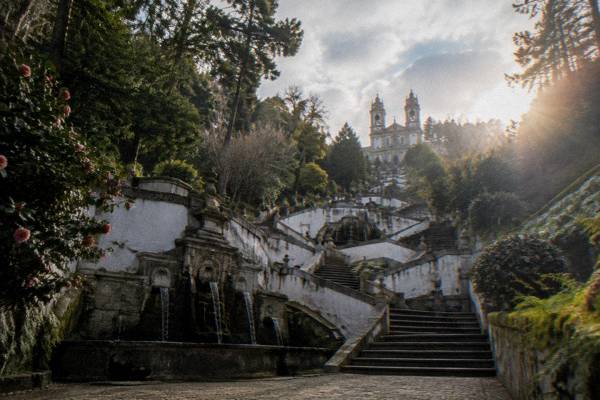
Santa Maria Madalena Church In Falperra, Braga
Santa Maria Madalena da Falperra is an 18th-century baroque church on the Serra da Falperra, on the border between Braga and Guimarães, designed by André Soares and classified as a national monument. This guide covers what it is, how to reach it, and how to pair it with the other hill sanctuaries around Braga.
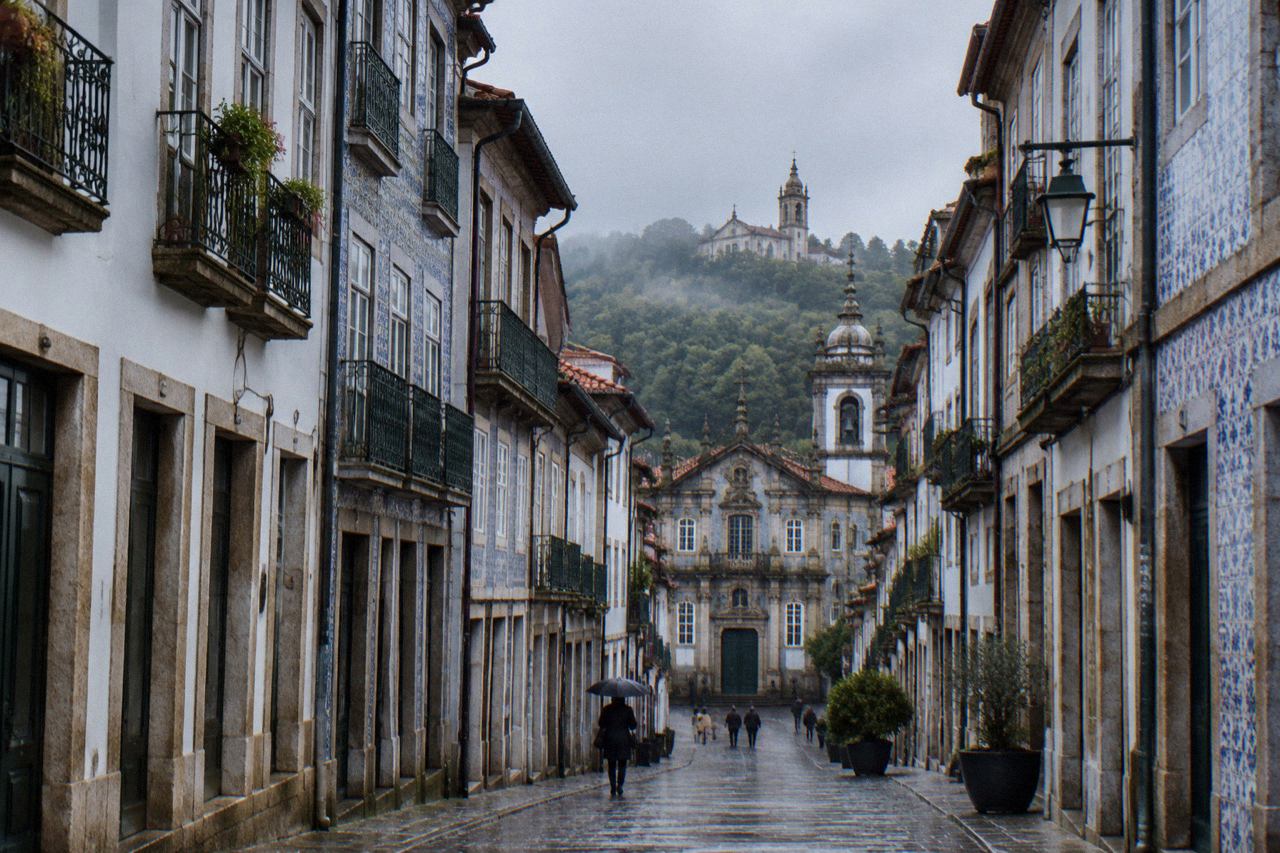
Short answer
Santa Maria Madalena da Falperra is a national-monument baroque church by André Soares on the Falperra hill above Braga, with azulejo tiles by Policarpo de Oliveira Bernardes. Access is limited, with a Sunday mass around 11:00 the main regular opening; no daily hours or admission fee are published.
Santa Maria Madalena da Falperra is a baroque church and sanctuary on the Serra da Falperra, the hill country on the southern edge of Braga in northern Portugal, right where the municipality meets Guimarães. The project is by André Soares, one of the defining architects of northern Portuguese baroque, and the interior carries azulejo tile panels by Policarpo de Oliveira Bernardes. The church has been a national monument since 2016 or 2017, and it remains one of the least-visited of Braga's great religious buildings, precisely because it sits apart from the city, in woodland, with no ticket desk and no queue. For most travellers it works best as a short stop on a loop that takes in Bom Jesus do Monte and the Santuário do Sameiro, Braga's two famous hill sanctuaries, and this guide covers all three.
What Is Santa Maria Madalena Da Falperra?
Santa Maria Madalena da Falperra is an 18th-century baroque church and sanctuary on the Serra da Falperra, the hill ridge on the border between Braga and Guimarães in northern Portugal. The project is attributed to André Soares, the church is a national monument, and its interior holds azulejo tilework by Policarpo de Oliveira Bernardes. It is a pilgrimage site rather than a museum, with limited, intermittent access for casual visitors.
André Soares is the name that pulls this building into the story of Portuguese baroque. He is the same architect behind several of Braga's most celebrated 18th-century works, and the Falperra church is one of the projects that cemented his reputation in the Minho. The building's silhouette, a single-towered baroque church with a rounded, animated facade, reads as a smaller, wilder cousin of the great sanctuaries nearby.
The interior is the reason specialists make the trip. The azulejo panels by Policarpo de Oliveira Bernardes belong to a family of tile painters whose work appears across northern Portugal's religious architecture, and the panels at Falperra are among the features cited when the building's monument status is discussed. The setting does the rest: the church stands in woodland on the Falperra ridge, with the hill country of the Braga and Guimarães border all around it.
One point of honesty matters here. Opening hours and any admission fee for Santa Maria Madalena da Falperra are not published in a form a visitor can rely on. What the available listings show is limited access, with a Sunday mass around 11:00 as the main regular opening. Plan around that, check locally before setting out, and treat the church as a building you see from the outside unless your visit coincides with a service or an organised opening. For a fuller picture of the city's religious architecture, see the guide to Braga's churches and the page on Santa Cruz Church in the historic centre.
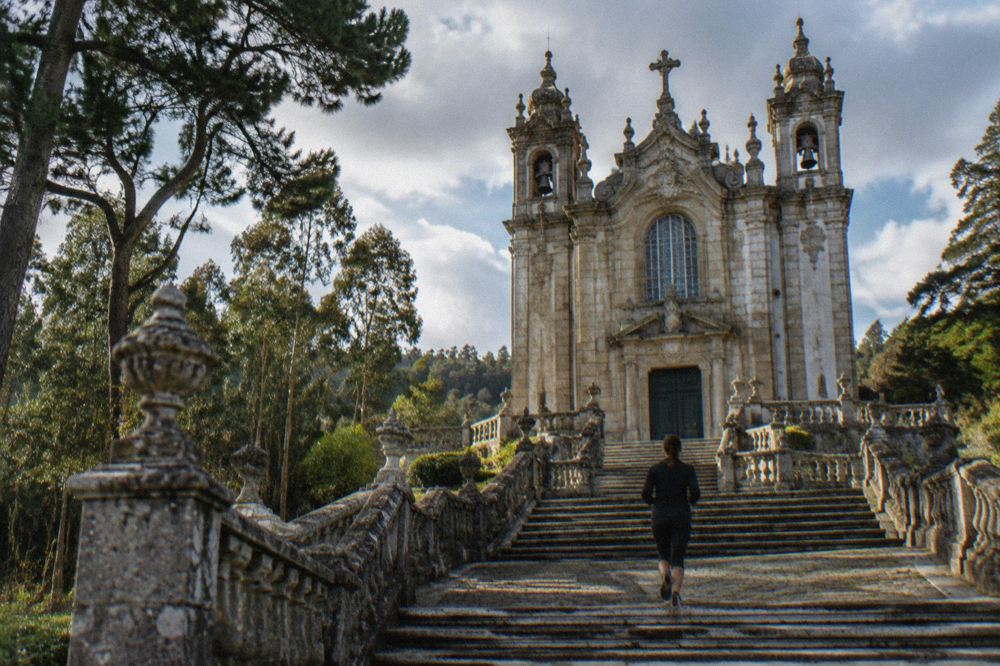
How Do You Get To Falperra From Braga?
The Falperra church sits on the Serra da Falperra, on the border between the Braga and Guimarães municipalities, and the practical way to reach it is by car or taxi, since no scheduled bus line serving the church is published. From Braga's historic centre the route climbs into the hill country south and east of the city. Allow time for narrow, winding forest roads on the final approach.
No public transport route to the sanctuary is listed in the verified sources for Braga's buses, so a visitor without a car should either take a taxi, join a tour that includes the hill sanctuaries, or ask at the tourist office on Avenida da Liberdade about any seasonal service. The tourist office is the city's official information point, and its staff will know whether anything has changed on the ground.
The hill setting is the whole point of the trip. The Serra da Falperra is part of the same granite upland that carries Bom Jesus do Monte, the Sameiro sanctuary and the Falperra church itself, and a loop by car can take in all three in a morning. Drivers should park considerately near the church, since the space around it is small and the site is an active place of worship.
To drive the hill sanctuaries at your own pace, book a rental car here.
For visitors who prefer to leave the driving to someone else, a guided tour is the stress-free route. The Explore the Portuguese Rome City of Braga walk covers the city's religious heritage with a local guide, and it can be booked with free cancellation on most options, Check availability. For a fully private day, the Braga Private Walking Tour with a Professional Guide is the premium choice.
A practical comparison of the hill sanctuaries around Braga:
| Sanctuary | Setting | Signature feature | Access basis |
|---|---|---|---|
| Santa Maria Madalena da Falperra | Woodland on the Braga, Guimarães border ridge | Baroque facade by André Soares, azulejos by Policarpo de Oliveira Bernardes | Limited access, Sunday mass around 11:00 |
| Bom Jesus do Monte | Terraced hill west of Braga, UNESCO World Heritage since 2019 | 566-step stairway and the 1882 funicular | Open daily, grounds free |
| Santuário do Sameiro | Hilltop precinct above Braga | Dome viewpoint, the Zimbório, at 2 EUR | Precinct open 24 hours, free |
What Can You See At The Sanctuary?
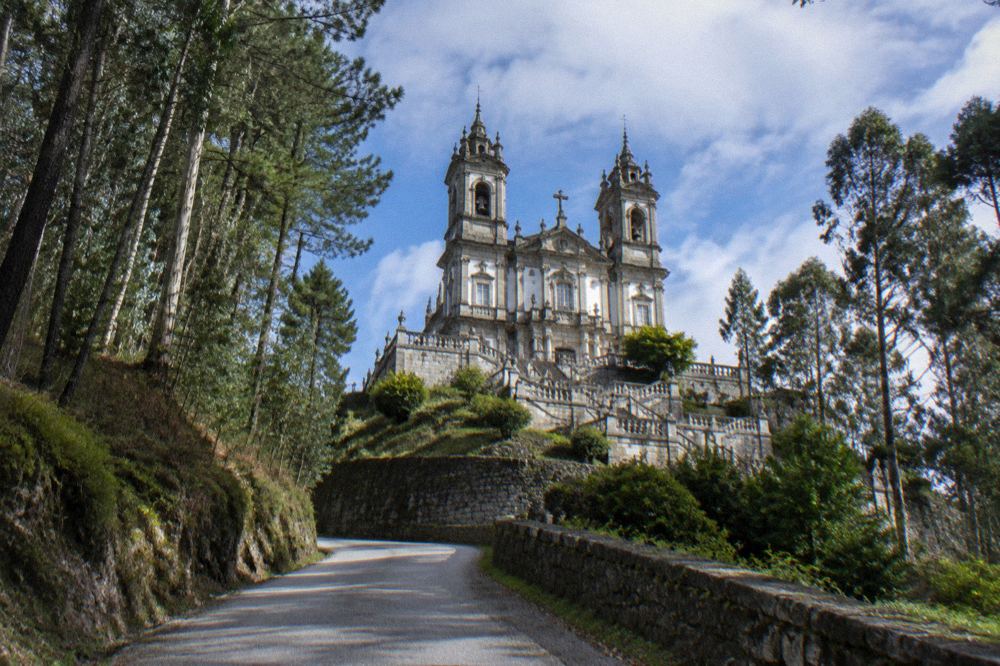
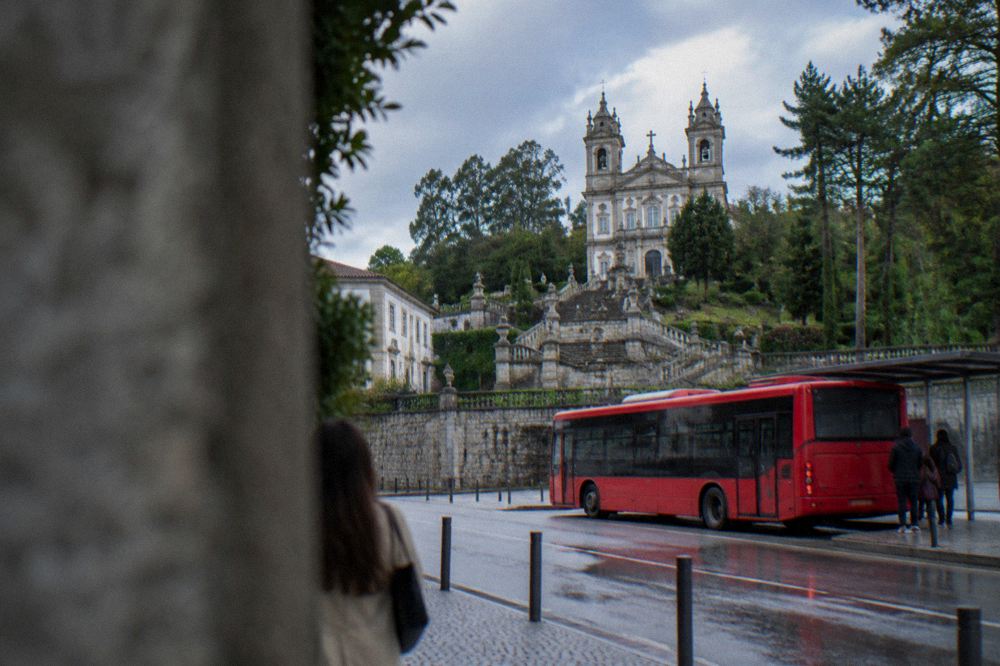
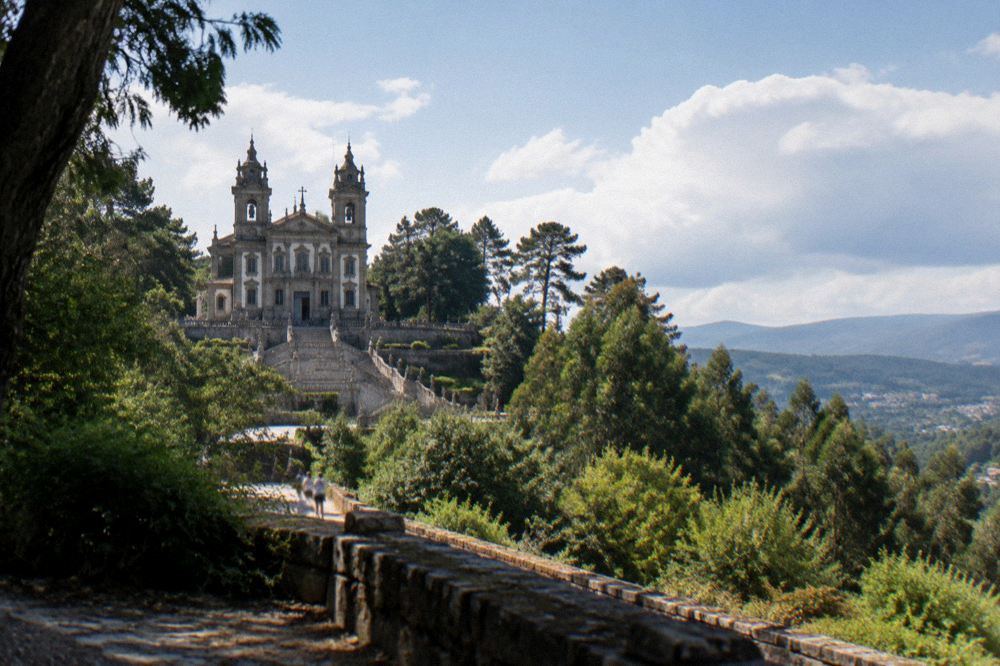
The visible attractions at Falperra are the baroque church exterior by André Soares, the interior azulejo tile panels by Policarpo de Oliveira Bernardes, and the wooded hilltop setting on the Serra da Falperra with views over the Braga and Guimarães countryside. There is no museum, no ticketed circuit and no visitor centre, so the building and its surroundings are the whole visit.
The facade rewards a slow look. André Soares worked in a baroque idiom that favours movement and curvature, and at Falperra the tower, the curved cornices and the sculpted framing of the doorway all carry his signature energy. Photographers get the best of it in the slanting light of mid-morning or late afternoon, when the granite picks up warmth.
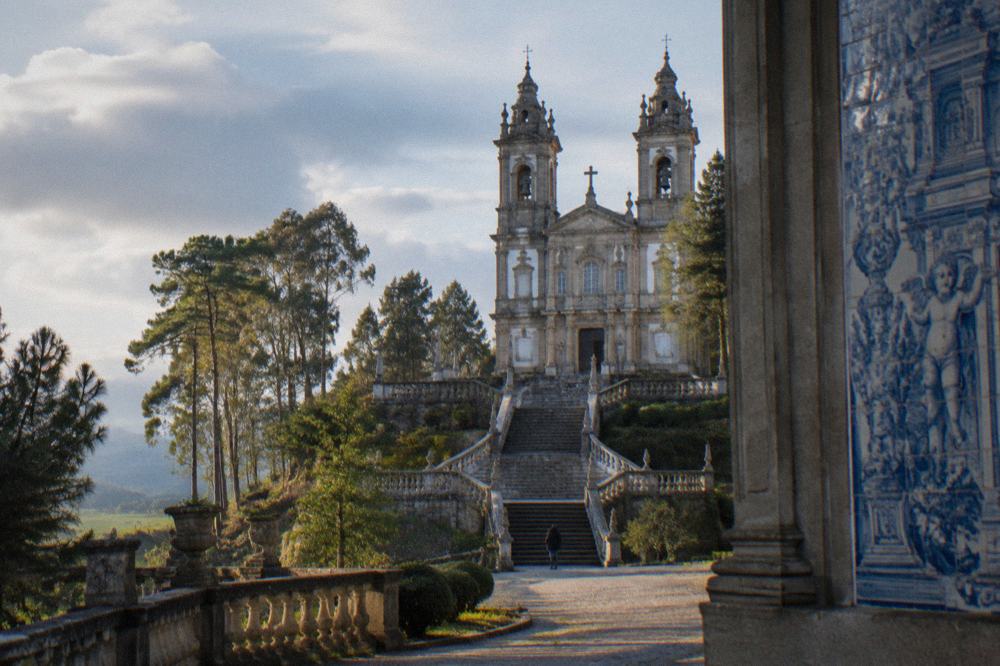
Inside, when the church is open, the azulejo panels are the headline. Bernardes-family tilework of this period typically renders religious scenes in blue on white, and the panels at Falperra are part of what earned the building its national-monument listing. Because access is limited, arriving for the Sunday mass around 11:00 is the most reliable way to see the interior, and visitors should behave as guests at a service rather than sightseers if they go then.
The hill itself is a destination. The Serra da Falperra is quiet, forested walking country, and visitors who combine Falperra with Bom Jesus do Monte or Sameiro get a cross-section of the Minho's religious landscape in a single drive. For the city's other architectural highlights, the pages on Braga Cathedral, the Palácio do Raio and the Bom Jesus do Monte sanctuary cover the essentials.
When Is Santa Maria Madalena Da Falperra Open?
No regular daily opening hours or admission fee are published for Santa Maria Madalena da Falperra. The available listings describe limited access, with a Sunday mass around 11:00 as the main regular opening. Visitors should plan an exterior visit as the default, check locally before travelling, and treat any service or organised opening as a bonus rather than the plan.
This is not unusual for Portugal's rural sanctuaries. Buildings like Falperra are living parish churches first and sights second, and they open for worship, for feast days and for organised visits rather than on a museum schedule. The honest planning advice is simple: go for the architecture and the setting, and if the doors happen to be open, step in quietly. The wider set of guides lives on Braga Travel Guide.
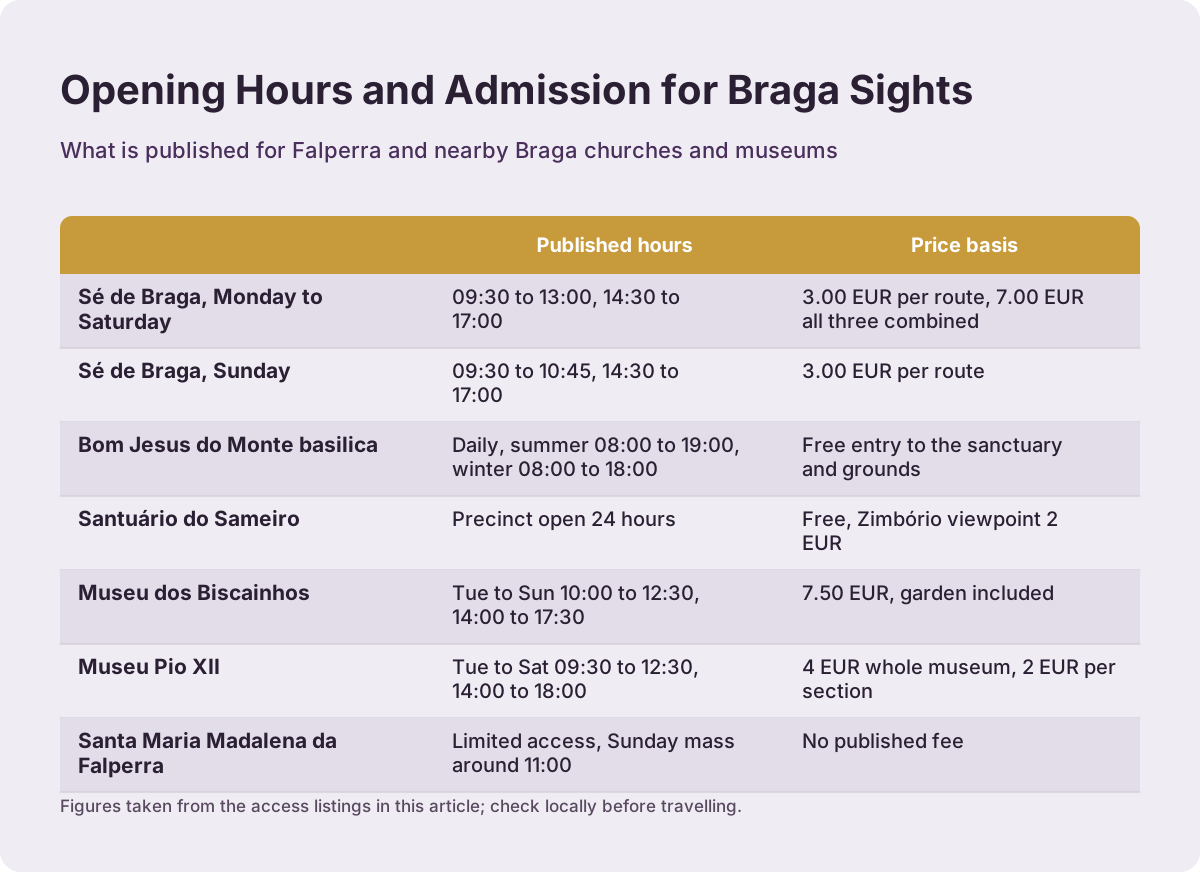
If seeing interiors matters to your trip, the fix is to build the day around places with published hours. Braga's cathedral, the Sé de Braga, keeps published visit hours, Monday to Saturday 09:30 to 13:00 and 14:30 to 17:00, Sunday 09:30 to 10:45 and 14:30 to 17:00, with last entry 30 minutes before closing, and the building itself opens earlier for worship. Its three visit routes cost 3.00 EUR each, or 7.00 EUR combined for all three and 6.00 EUR for any two, bought at the reception point in the cloister. The Treasury-Museum is closed on Mondays.
| Braga sight | Published access | Price basis |
|---|---|---|
| Sé de Braga | Mon to Sat 09:30 to 13:00, 14:30 to 17:00; Sun 09:30 to 10:45, 14:30 to 17:00 | 3.00 EUR per route, 7.00 EUR all three combined |
| Bom Jesus do Monte basilica | Daily, summer 08:00 to 19:00, winter 08:00 to 18:00 | Free entry to the sanctuary and grounds |
| Santuário do Sameiro | Precinct open 24 hours; basilica daily hours by season | Free, Zimbório viewpoint 2 EUR |
| Museu dos Biscainhos | Tue to Sun 10:00 to 12:30, 14:00 to 17:30 | 7.50 EUR, garden included |
| Museu Pio XII | Tue to Sat 09:30 to 12:30, 14:00 to 18:00 | 4 EUR whole museum, 2 EUR per section |
| Santa Maria Madalena da Falperra | Limited access, Sunday mass around 11:00 | No published fee |
A guided walk takes the guesswork out of a city where opening patterns vary so much from building to building. The Braga Tuk Tuk City Tour is a low-effort option that suits travellers with limited mobility or tight schedules, and the listing shows current times and free-cancellation terms.
What Else Sits On Braga'S Hills?
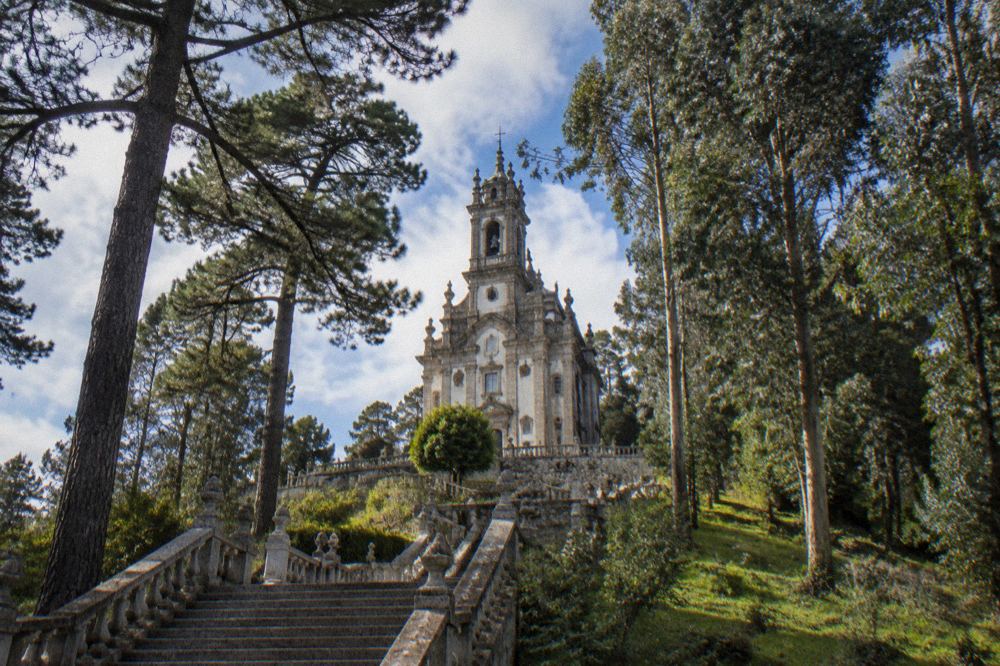
Braga's hill country carries three great sanctuaries: Bom Jesus do Monte, a UNESCO World Heritage site since 2019 with a 566-step stairway and an 1882 water-counterweight funicular; the Santuário do Sameiro, whose precinct is open around the clock and whose dome viewpoint costs 2 EUR; and Santa Maria Madalena da Falperra on the Braga, Guimarães border ridge. A single loop road links all three.
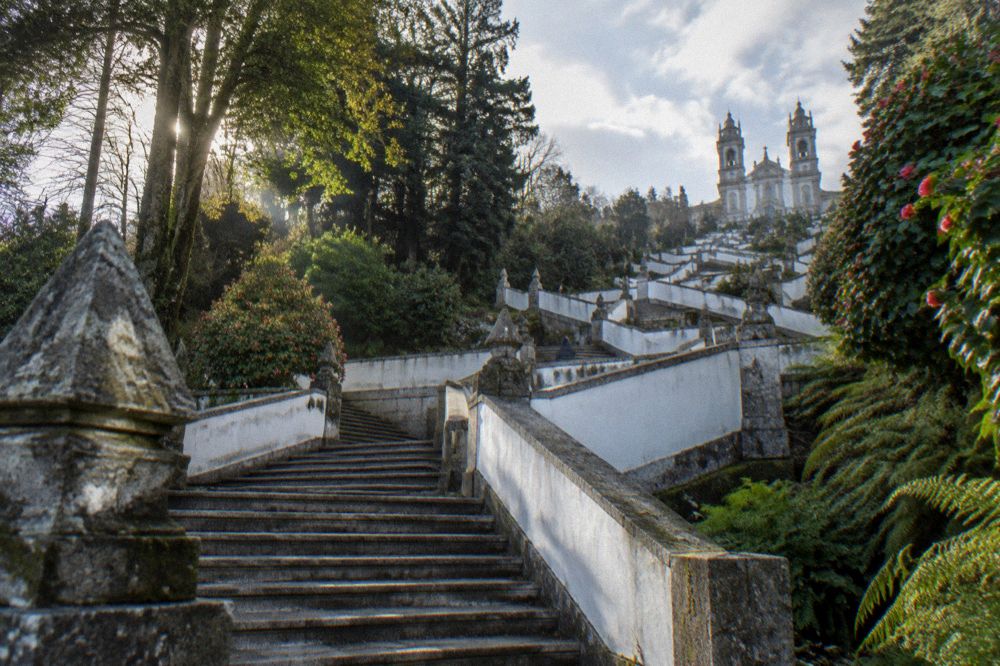
Bom Jesus do Monte is the headliner. The sanctuary was inscribed on the UNESCO World Heritage List in 2019 as a cultural property, described as an ensemble built facing west over more than 600 years, with a Via Crucis of chapels, fountains, sculptures and formal gardens across 26 hectares. The stairway, the Escadório, has three named sections, the Escadório do Pórtico, the Escadório dos Cinco Sentidos and the Escadório das Virtudes, and the Confraria's own count puts it at 566 steps, 615 metres long with 116 metres of ascent.
The funicular, inaugurated on 25 March 1882 and designed by the Swiss engineer Nikolaus Riggenbach, normally climbs 116 metres over a 267-metre inclined plane, and the Confraria describes it as the oldest in service in the world using the water counterweight system. Its listed fares are 2.50 EUR single and 4.00 EUR return. The standing situation as of late September 2026 is different: the funicular is out of service for maintenance with no end date published, and a replacement shuttle runs every day from 09:00 to 20:00, roughly every 30 minutes each way, between the Portico, where TUB Line 2 ends, and the sanctuary. Check the operator's notice before promising yourself a ride.
| Bom Jesus do Monte | Figure |
|---|---|
| UNESCO inscription | 2019, cultural property, criterion (iv), 26 ha |
| Stairway | 566 steps, 615 m long, 116 m of ascent |
| Funicular opened | 25 March 1882 |
| Funicular fares | 2.50 EUR single, 4.00 EUR return |
| Funicular status | Out of service since 26 September 2026, shuttle replacement |
| Basilica hours | Summer 08:00 to 19:00, winter 08:00 to 18:00 |
| Sanctuary and basilica entry | Free |
| Car parking | Cars and motorcycles 1.00 EUR, coaches 15.00 EUR |
Sameiro is the quieter of the two big hills. The whole precinct is open 24 hours a day, seven days a week, and free, with the basilica keeping seasonal hours: in winter, Monday to Saturday 08:00 to 18:00 and Sunday 07:00 to 18:00, in summer Monday to Saturday 09:00 to 19:00 and Sunday 07:00 to 19:00. The Zimbório, the dome viewpoint at the back of the basilica, charges 2 EUR, and its opening days vary by season, so check on the day. The full picture is on the Sameiro sanctuary page, and the funicular's story has its own page at Bom Jesus funicular.
Falperra completes the trio. Its sister chapel in the city's architectural story, the Capela de São Frutuoso de Montélios, shows a much older strand of Braga's religious building, while the Tibães monastery was the great house that shaped the region's baroque. Visitors with a full day can link Falperra into a route that ends at the Arco da Porta Nova and the historic centre.
How Do You Get Around Braga Without A Car?
Braga's city buses, the TUB network, sell on-board tickets at 1.55 EUR for one zone and 2.00 EUR for two zones, with pre-bought and digital tickets at 0.75 EUR and 1.50 EUR, under the 2026 tariff in force since 21 February 2026. A tourist ticket covering the whole network costs 3.35 EUR for one day, 6.05 EUR for two days and 8.05 EUR for three days.
Line 2 is the line that matters for the hills: it runs between Ponte de Prado and Bom Jesus, ending at the Portico at the foot of the stairway, where the replacement shuttle to the sanctuary picks up. That makes Bom Jesus reachable by public transport even without a car, though Falperra itself has no equivalent service in the published listings.
| TUB ticket type | 1 zone | 2 zones |
|---|---|---|
| On board | 1.55 EUR | 2.00 EUR |
| Pre-bought or digital | 0.75 EUR | 1.50 EUR |
| Tourist day ticket | 3.35 EUR (1 day) | 6.05 EUR (2 days), 8.05 EUR (3 days) |
Transfer validity runs one hour from first validation for a one-zone ticket and one hour thirty for two zones. Cards cost 1.00 EUR for a pre-bought ticket card and 1.50 EUR for the tourist card. The practical advice for a hill day: buy a tourist day ticket if you plan to move around the city as well, and use the shuttle rather than the stairway if 566 steps does not appeal.
The city centre itself is compact and walkable. The main sights of the historic core, from the cathedral to the Praça da República and the Santa Bárbara Garden, sit within a short walk of one another, so most visitors use buses for the hills and their feet for everything else. The getting around Braga guide covers the detail.
When Is The Best Time To Visit Braga'S Hill Sanctuaries?
The best months for Braga's hill sanctuaries are May, June, July, August and September, when IPMA's 1991 to 2020 normals for the Braga, Merelim station show mean daily highs of 23.0 to 28.7 C and monthly rainfall of 27.9 to 89.8 mm. October and the winter months are much wetter, with October the wettest month on average at 197.8 mm and 12 rain days of 1 mm or more.
The climate record tells a clear story. July is the driest month at 27.9 mm of rain, August the warmest with a mean maximum of 28.7 C, and September stays warm at 26.9 C mean maximum while remaining reasonably dry at 67.6 mm. June averages 26.1 C mean maximum with only 40.6 mm of rain. Those four months are the sweet spot for hill walking, photography and the 566-step climb at Bom Jesus.
| Month | Mean max C | Mean min C | Rain mm | Rain days 1 mm+ |
|---|---|---|---|---|
| May | 23.0 | 10.4 | 89.8 | 8.9 |
| June | 26.1 | 13.2 | 40.6 | 5.7 |
| July | 28.2 | 14.3 | 27.9 | 4.0 |
| August | 28.7 | 14.0 | 34.6 | 3.8 |
| September | 26.9 | 12.4 | 67.6 | 6.2 |
| October | 22.2 | 10.1 | 197.8 | 12.0 |
The calendar matters as much as the weather. Semana Santa, Braga's Holy Week, ran from 29 March to 5 April in 2026, and the city fills for its processions, which are registered in the National Inventory of Intangible Cultural Heritage. The Festas de São João ran from 17 to 24 June 2026, peaking on the night of 23 June into the 24 June municipal holiday. Braga Romana, the Roman festival, falls in late May, and Noite Branca, the all-white arts night, on the first weekend of September. None of these is about Falperra directly, but each transforms the city you return to, and 2027 dates are not yet announced for any of them.
One cost to budget alongside the calendar: Braga levies a municipal tourist tax of 1.55 EUR per person per night, for up to 4 nights, all year, charged by hotels and local accommodation. The full events picture is in the Semana Santa guide and the seasonal pages, including best time to visit Braga.
For travellers who want the hills explained rather than just reached, a guided option saves a morning of planning. The Braga Private Walking Tour with a Professional Guide pairs well with a Falperra drive, since the guide and vehicle come together, and the listing carries its current price, times and free-cancellation terms. The related Explore the Portuguese Rome City of Braga tour is the budget-friendly alternative for the city itself.
Common Questions About Santa Maria Madalena Da Falperra
What is Santa Maria Madalena da Falperra?
A baroque church and sanctuary on the Serra da Falperra, on the border between Braga and Guimarães in northern Portugal. The project is by André Soares, the interior holds azulejo panels by Policarpo de Oliveira Bernardes, and the church is a national monument.
When is Santa Maria Madalena da Falperra open?
No regular daily hours are published. The listings describe limited access, with a Sunday mass around 11:00 the main regular opening. Plan an exterior visit and check locally before travelling.
How much does it cost to visit Falperra?
No admission fee is published for the church. It is not a ticketed attraction; treat it as a parish church that opens for worship and organised visits rather than on a museum schedule.
How do you get to Falperra from Braga?
By car or taxi. The church sits on the hill ridge on the Braga, Guimarães border, and no scheduled bus line serving it appears in the published listings. The final approach is on narrow, winding forest roads.
Can you combine Falperra with Bom Jesus do Monte and Sameiro?
Yes, and that is the recommended way to visit. The three sanctuaries sit on the same hill country around Braga, and a single loop by car covers all three in a morning. Bom Jesus is also reachable by TUB Line 2 to the Portico.
Is the Bom Jesus funicular running?
As of late September 2026 it is out of service for maintenance, with no end date published. A replacement shuttle runs daily from 09:00 to 20:00, roughly every 30 minutes each way, between the Portico and the sanctuary. Check the operator's notice before you go.
Santa Maria Madalena da Falperra rewards the traveller who plans for what it is, a quiet national monument in the woods above Braga, and not for what it is not, a ticketed attraction on a fixed schedule. Pair it with the big hills, go in the dry months, and the Serra da Falperra becomes one of the most memorable half-days in the Minho.