Raio Palace In Braga: What To See At The Palácio Do Raio And How To Visit
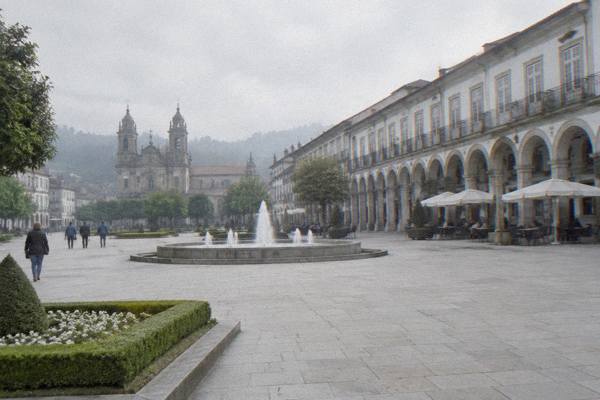
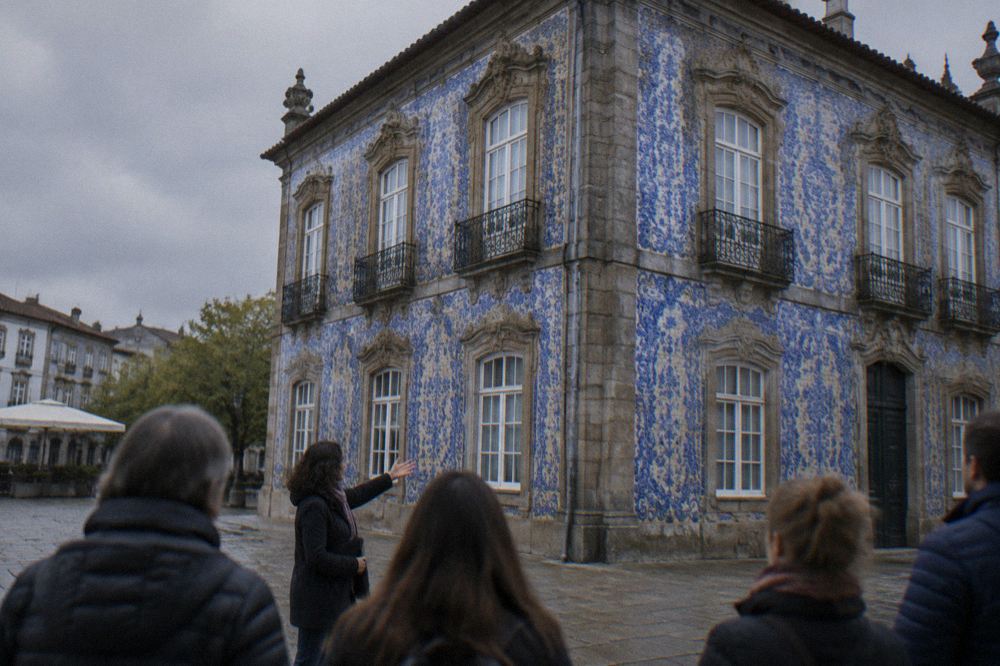
The Palácio do Raio is one of Braga's most photographed baroque facades, a palace that belongs to the city's golden 18th-century century of building and sits within easy reach of the historic centre's other sights.
Short answer
The Palácio do Raio is a baroque palace in Braga, Portugal, known for its richly decorated facade. Its interior opening hours and admission prices are not published in official sources, so check with the municipal tourism office before planning an inside visit; the exterior can be seen any time as part of a walk through the city.
Braga, in the Minho region of northern Portugal, keeps some of the finest baroque architecture in the country, and the Palácio do Raio is one of its most striking examples. The palace stands as a testament to the wealth and ambition of 18th-century Braga, when the city's elites commissioned architects to turn their townhouses into statements. Today it appears in the municipality's cultural agenda as an interpretive centre, and its facade draws photographers and walkers through the streets around it. This guide from Braga Travel Guide covers what the palace is, how to reach it, what to check before an inside visit, and how to fold it into a day among the city's cathedrals, gardens and museums.
What Is The Palácio Do Raio In Braga?
The Palácio do Raio is a baroque town palace in Braga, Portugal, built in the 18th century as a private residence and known for one of the most richly decorated facades in the city. The building now functions in the municipality's cultural programming as an interpretive centre. Its exterior is freely visible from the street at any time, and it sits in the western part of the historic centre, close to Rua do Raio, the street that carries its name.
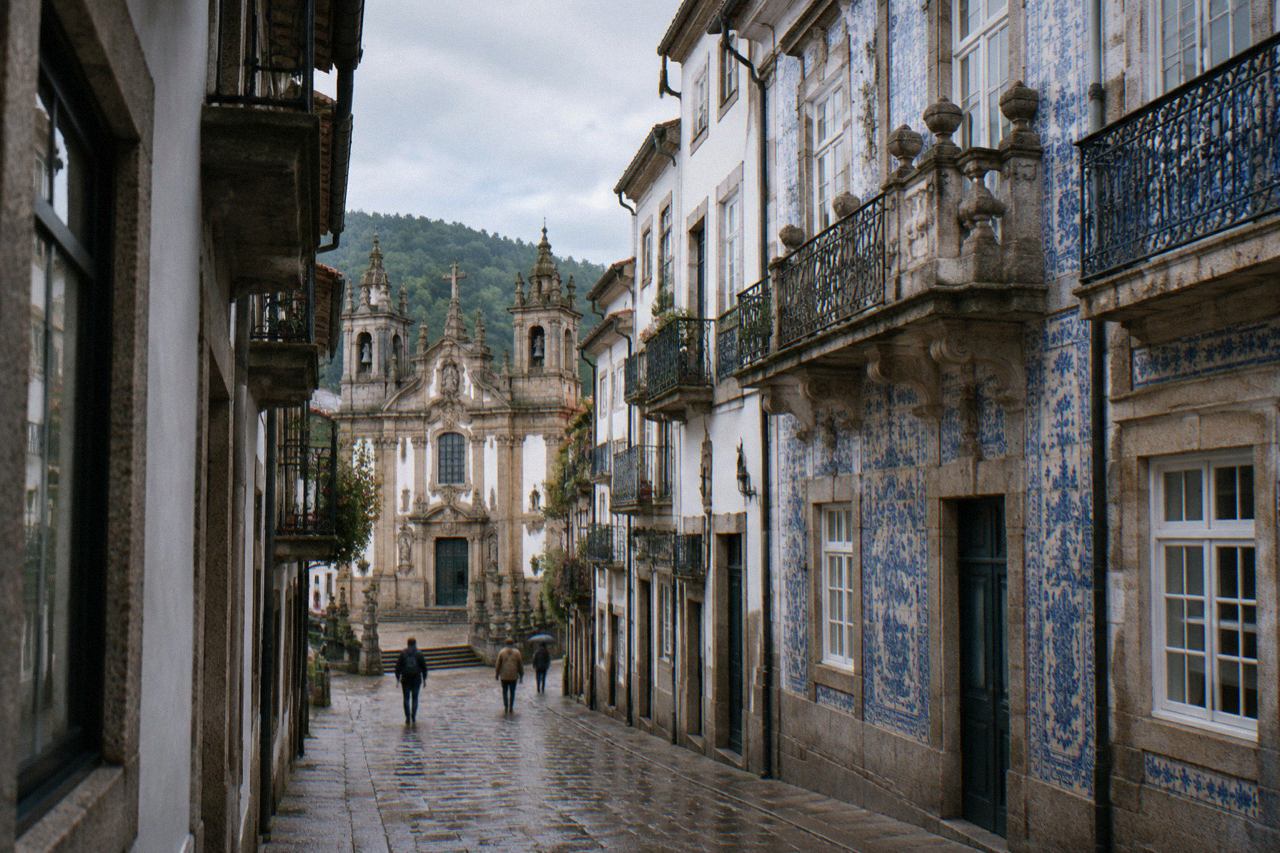
Braga's baroque period left the city with an unusual density of decorated facades, sculpted church fronts and garden staircases, and the Palácio do Raio belongs squarely to that inheritance. The palace is a civilian building, not a church, which is what makes it stand out: most of the city's baroque showpieces are religious, and a private house dressed with this much ornament tells you how much prestige mattered in 18th-century Braga.
The building's role has changed with the times. Private palaces across northern Portugal have been converted into museums, offices and cultural venues, and Braga's municipal cultural agenda lists the Palácio do Raio among the spaces used for interpretive and exhibition purposes. That means the interior is not a permanently staffed museum with a fixed ticket desk in the way that, say, the Museu dos Biscainhos is.
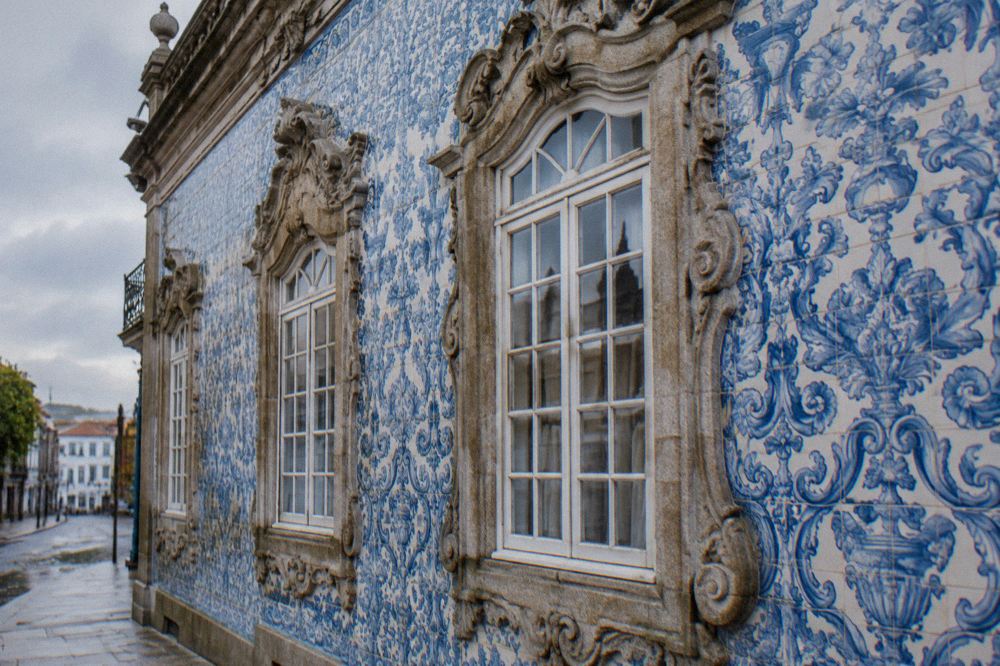
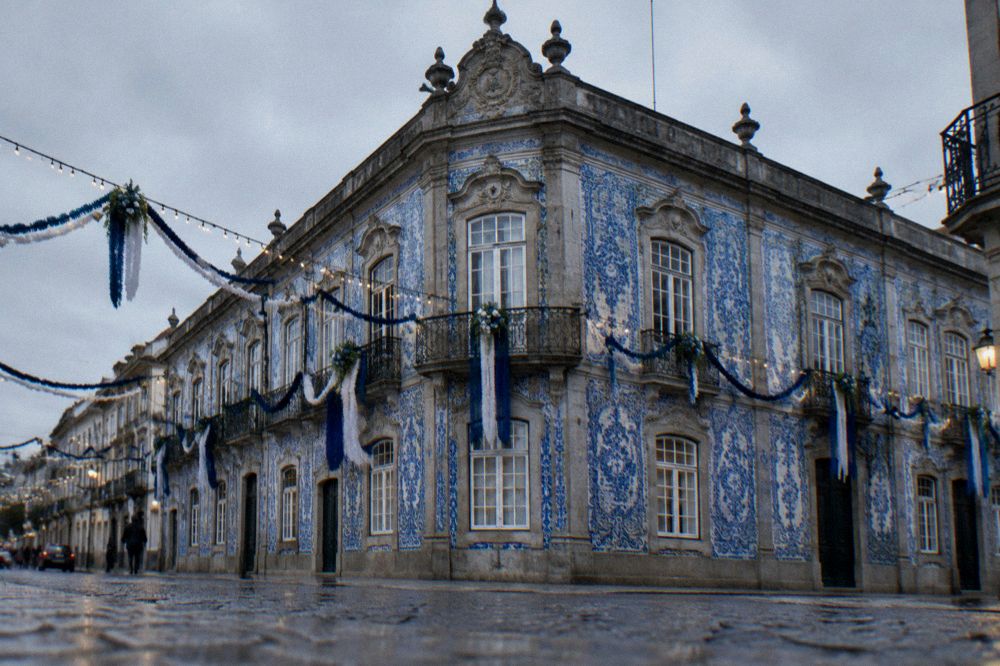
What you get from the street, however, costs nothing and needs no schedule. The facade rewards a slow look: the window surrounds, the stonework and the tiled panels are the reason so many walking routes through Braga pass this way. Photographers tend to prefer the softer light of morning or late afternoon, when the relief of the stonework reads more strongly.
For context on the city's baroque heritage more broadly, the Braga churches guide and the Sé de Braga cathedral guide cover the religious side of the same artistic moment.
Where Is The Palácio Do Raio And How Do You Get There?
The Palácio do Raio stands in Braga's urban core, on Rua do Raio, within the area served by the city's TUB bus network. A pre-bought single TUB ticket costs 0.75 EUR for one zone and 1.50 EUR for two zones, while a ticket bought on board costs 1.55 EUR and 2.00 EUR. The TUB tourist ticket covers the whole network at 3.35 EUR for one day.
Braga is a compact city, and most visitors reach the palace on foot from the centre. The building sits west of the main axis of Avenida da Liberdade and Rua do Souto, so a walk that starts at the Praça da República and heads towards Rua do Raio passes through some of the city's most characteristic streets. The pedestrianised Rua do Souto is the spine of that walk.
If you are using public transport, the TUB tariff in force since 21 February 2026 sets the prices in the table below. The tourist ticket is the practical choice for a day of sightseeing, because it covers the whole network, including the Line 2 bus to Bom Jesus do Monte, for less than the cost of a handful of single on-board tickets.
| TUB ticket type | 1 zone | 2 zones |
|---|---|---|
| Bought on board | 1.55 EUR | 2.00 EUR |
| Pre-bought or digital | 0.75 EUR | 1.50 EUR |
| TUB tourist ticket | Price per person |
|---|---|
| 1 day, whole network | 3.35 EUR |
| 2 days, whole network | 6.05 EUR |
| 3 days, whole network | 8.05 EUR |
A pre-bought ticket card costs 1.00 EUR and a tourist card 1.50 EUR on top of the fares, and transfers are valid for one hour on a one-zone ticket and one and a half hours on a two-zone ticket. The 2026 tariff also cut monthly passes by 14 percent from March 2026, though passes matter less to short-stay visitors.
The palace's position makes it a natural stop between the centre and other sights. The Arco da Porta Nova and the Santa Bárbara Garden both sit within the same walkable quarter, and the garden in particular pairs well with the palace, since it is one of the city's favourite outdoor pauses.
A guided walk saves you the route-finding. The Explore the Portuguese Rome City of Braga tour covers the historic centre in about an hour and a half, Check availability if you want a guide to place the palace in the story of the city.
To have a guide place the palace in the city's story, book a city walking tour here.
Can You Visit The Palácio Do Raio Inside?
The Palácio do Raio's interior opening hours and admission prices are not published in the official sources available for Braga, so no reliable schedule or fee can be stated here. The building appears in the municipality's cultural agenda as an interpretive centre, which means interior access, when it happens, tends to follow programming rather than a fixed daily timetable. Check with Braga's tourist office on Avenida da Liberdade 1 before planning an inside visit.
This is an honest limitation, and it is better than a confident guess. Braga's tourist office, the Posto de Turismo at Avenida da Liberdade 1, is open Monday to Friday from 09:00 to 18:30, and on Saturdays, Sundays and holidays from 09:30 to 13:00 and 14:00 to 17:30. Staff there can tell you on the day whether the palace is receiving visitors and what the current arrangement is.
What you can plan around is the exterior, which is the palace's main public face anyway. The facade is visible from the street at all hours, and there is no gate, ticket or timing between you and it. Most visitors treat the Palácio do Raio as a photo stop and architecture moment on a walking route, which is exactly how it fits best into a day in Braga.
If interior visits matter to you, plan the rest of the day around buildings whose access is firmly published. The Museu dos Biscainhos, the D. Diogo de Sousa museum and the Theatro Circo all have confirmed hours and prices, and each is close enough to the palace to share an afternoon.
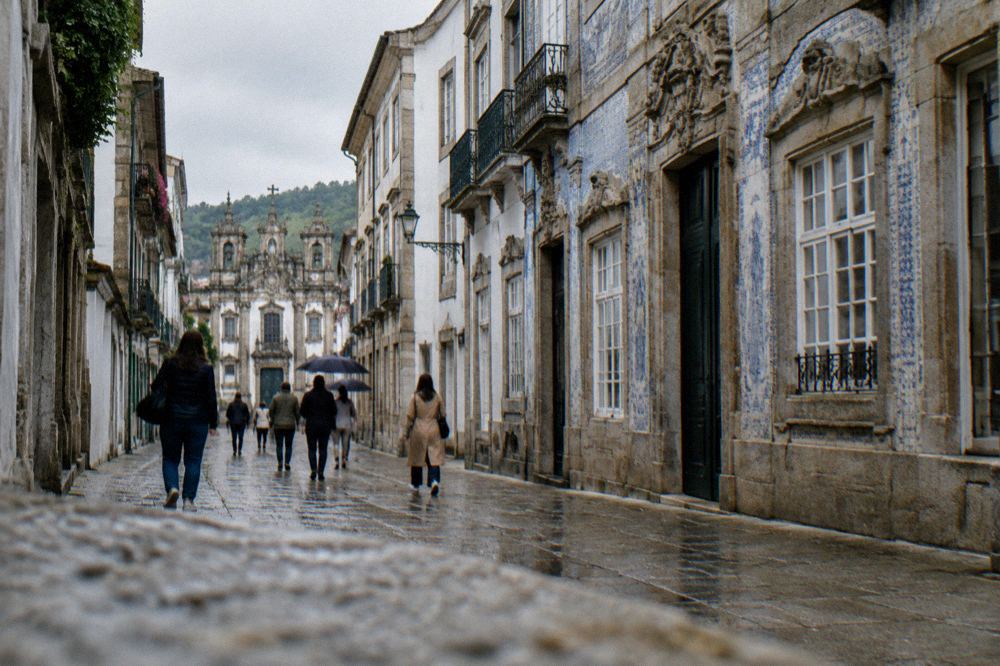
For visitors who want to cover ground without walking every street, the Braga tuk tuk city tour runs from 30 minutes to 2 hours and passes through the historic quarters where the palace sits.
What Can You See Near The Palácio Do Raio?
The Palácio do Raio sits within walking distance of several of Braga's headline sights, including the Santa Bárbara Garden, the Arco da Porta Nova, the Sé de Braga cathedral and the Museu dos Biscainhos. The palace works best as one stop on a walking loop through the western historic centre, paired with a garden pause and one museum visit. None of these neighbours requires transport between them.
Braga's historic centre is dense enough that a single afternoon can take in the palace, a garden and a museum without ever needing a bus. The natural loop runs from the Praça da República down the pedestrian spine, past the Arco da Porta Nova, along to the palace, and back through the streets that hold the Santa Cruz church and the cathedral.
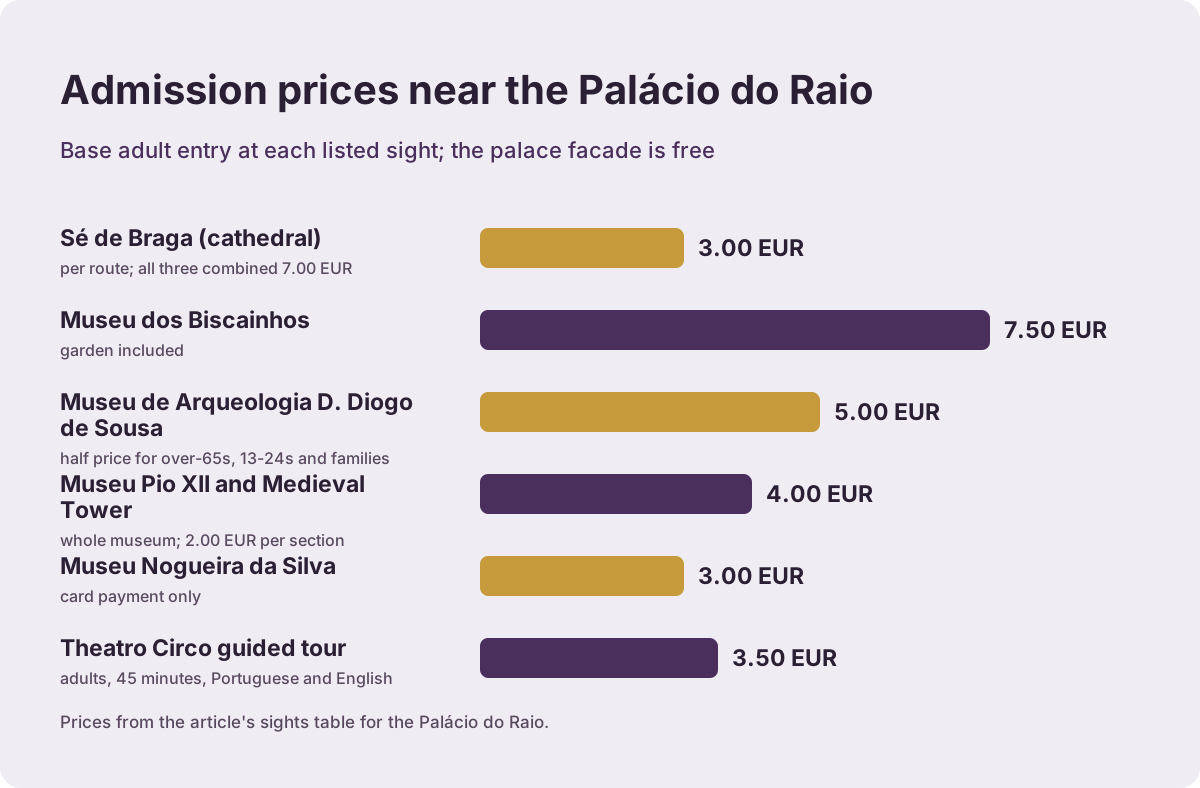
The table below lists the neighbours with their verified admission prices, which is the kind of planning information that is genuinely hard to assemble elsewhere. Every figure comes from the operator's own published page.
| Sight near the Palácio do Raio | Admission | Published hours |
|---|---|---|
| Sé de Braga (cathedral) | 3.00 EUR per route, 7.00 EUR all three combined | Mon-Sat 09:30-13:00, 14:30-17:00; Sun 09:30-10:45, 14:30-17:00 |
| Museu dos Biscainhos | 7.50 EUR, garden included | Tue-Sun 10:00-12:30, 14:00-17:30 |
| Museu de Arqueologia D. Diogo de Sousa | 5.00 EUR, half price for over-65s, 13-24s and families | Tue-Sun 10:00-17:30 |
| Museu Pio XII and Medieval Tower | 4.00 EUR whole museum, 2.00 EUR per section | Tue-Sat 09:30-12:30, 14:00-18:00 |
| Museu Nogueira da Silva | 3.00 EUR, card payment only | Closed Sundays, Mondays and holidays |
| Theatro Circo guided tour | 3.50 EUR adults, 45 minutes | Scheduled dates only, Portuguese and English |
Two practical notes on that list. The cathedral sells three separate visit routes, each 3.00 EUR on its own, with any two combined at 6.00 EUR and all three at 7.00 EUR; tickets are bought at the reception point in the cloister, with access from Rua do Cabido or the side entrance by Rua D. Diogo de Sousa. And visits to the cathedral interior are suspended during services, so time a cathedral stop around mass times if the interior matters to you.
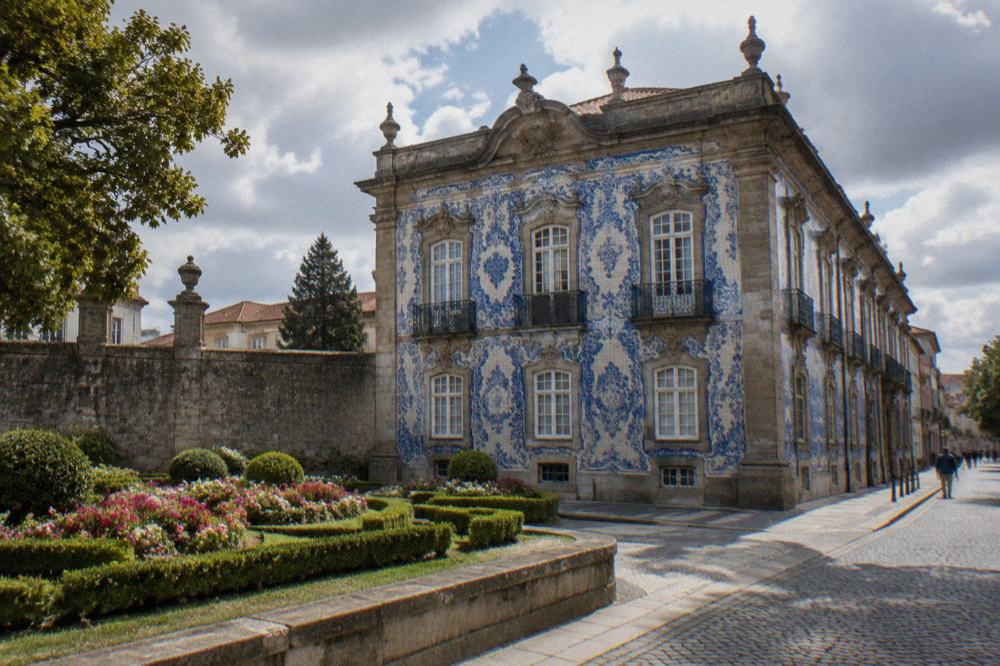
The Santa Bárbara Garden deserves its place on the loop for a simpler reason: it is the city's most loved small garden, and it sits at the top of the streets that lead down towards the palace quarter. A coffee stop there, or at the historic A Brasileira cafe, breaks the walk in the right place.
How Much Does A Day Around The Palácio Do Raio Cost?
A full day around the Palácio do Raio, including the cathedral's combined ticket at 7.00 EUR, one museum at 5.00 to 7.50 EUR and a TUB tourist day ticket at 3.35 EUR, comes to roughly 15 to 18 EUR per person in admission and transport, before food. The palace facade itself is free to see, and Braga's municipal tourist tax adds 1.55 EUR per person per night, up to 4 nights, to any hotel stay.
Braga is one of the more affordable cities in northern Portugal for sightseeing, partly because its headline outdoor attractions, the palace facade included, cost nothing. The paid layer is the museums and the cathedral, and even those are modest by the standards of larger European cities.
The tourist tax is worth knowing about when you budget a stay. Braga's 2026 municipal fee table sets it at 1.55 EUR per person per night, up to a maximum of 4 consecutive nights per person per stay, charged all year by hotels and local accommodation whatever the booking channel. It rose from 1.50 EUR in 2025, and it applies to guests aged 16 and over.
| Item on a day around the palace | Cost |
|---|---|
| Palácio do Raio facade, from the street | Free |
| Sé de Braga, all three visit routes | 7.00 EUR |
| Sé de Braga, any two routes | 6.00 EUR |
| Museu dos Biscainhos, with garden | 7.50 EUR |
| Museu de Arqueologia D. Diogo de Sousa | 5.00 EUR |
| TUB tourist day ticket, whole network | 3.35 EUR |
| Braga tourist tax (per night, max 4 nights) | 1.55 EUR |
One warning about passes: no city-wide attraction pass is on sale in Braga. The TUB tourist ticket is the only multi-use product that is genuinely available, and it covers transport only.
What Is The Best Time Of Year To See The Palácio Do Raio?
The best months to visit Braga and the Palácio do Raio are May, June and September, when IPMA's 1991 to 2020 normals for the Braga / Merelim station show mean maximum temperatures of 23.0, 26.1 and 26.9 degrees Celsius and rainfall of 89.8, 40.6 and 67.6 mm respectively. July and August are the warmest and driest months but also the busiest, while October is the wettest month on average at 197.8 mm of rain.
The climate table matters more in Braga than in most Portuguese cities, because the city sits in the green Minho, the wettest corner of the country. The same rain that keeps the region's gardens and the Peneda-Gerês landscape so lush falls on the streets you will walk between the palace and the cathedral.
| Month | Mean max C | Mean C | Rain mm | Days with 1 mm or more |
|---|---|---|---|---|
| Jan | 14.1 | 8.6 | 179.5 | 13.1 |
| Mar | 17.8 | 11.9 | 150.1 | 11.8 |
| May | 23.0 | 16.7 | 89.8 | 8.9 |
| Jun | 26.1 | 19.7 | 40.6 | 5.7 |
| Jul | 28.2 | 21.2 | 27.9 | 4.0 |
| Aug | 28.7 | 21.4 | 34.6 | 3.8 |
| Sep | 26.9 | 19.7 | 67.6 | 6.2 |
| Oct | 22.2 | 16.1 | 197.8 | 12.0 |
Read the table before generalising about "sunny Portugal". October averages 197.8 mm of rain, more than any other month, and rain days of 1 mm or more run 12 to 13 a month from October through January. Winter visitors get mild daytime highs near 14 degrees but should pack for wet streets. The record high at this station is 42.2 degrees in August, and the record low is minus 6.4 degrees in December, so both extremes exist even if they are rare.
If your visit can align with one of the city's festivals, the streets around the palace change character entirely. Braga Romana 2026 was the XXII edition of the municipality's Roman festival, held in late May, and Noite Branca 2026 ran from the evening of Friday 4 September to late on Sunday 6 September, filling the centre with concerts and open-door cultural spaces.
Can You See The Palácio Do Raio On A Guided Tour?
Yes, the Palácio do Raio falls inside the area covered by Braga's city walking tours, which run from 1 hour 40 minutes to 3 hours and cost from 35.35 to 259.43 USD per person depending on group size and format. A small-group half-day tour that includes the Bom Jesus Sanctuary starts at 68.15 USD per person, and a private walking tour with a professional guide starts at 259.43 USD per person.
Guided tours solve a specific problem in Braga: the city's baroque architecture rewards explanation. A facade like the Palácio do Raio's reads very differently once someone tells you what the ornament was for, who was competing with whom, and how the city's architects pushed stonework to its limits. The tours below all operate in the city, and none requires you to arrange transport.
The Explore the Portuguese Rome, the City of Braga tour is the closest fit for visitors whose main interest is architecture, running about an hour and a half through the historic centre at 35.35 USD per person, rated 4.9 from 68 reviews on the operator's live listing.
For a deeper dive, the Braga private walking tour with a professional guide runs 2 hours at 259.43 USD per person and lets you set the pace and the themes, whether that is baroque facades, Roman Bracara Augusta or the city's food culture.
Free walking tours also operate in Braga through GuruWalk, where the walk is free and you tip what you want at the end. The Essential Free Tour of Braga (guided in Spanish), led by a guide with a blue umbrella, runs about 2 hours and holds a 4.58 rating from 586 reviews on the platform; a green-umbrella guide runs a similar Essential Free Tour rated 4.75 from 446 reviews, and a sunset and night edition is rated 4.9 from 276 reviews. These walks cover the historic centre streets where the palace stands, and naming the platform and the guru is the honest way to describe them, since they are not this site's products.
How Does The Palácio Do Raio Fit Into One Day In Braga?
The Palácio do Raio fits best as a mid-morning or mid-afternoon stop on a walking loop that starts at Praça da República, takes in the Sé de Braga cathedral, passes the palace on the way to the Santa Bárbara Garden, and ends with a museum visit or a coffee at A Brasileira. One full day is enough for this loop plus the Bom Jesus do Monte sanctuary, using TUB Line 2 and a 3.35 EUR day ticket.
The sequence below is a realistic shape for a day, not a timetable. Times depend on how long you linger, and the cathedral's interior visits are suspended during services, so check the service schedule if that stop matters.
| Stop | What you see | Admission |
|---|---|---|
| Praça da República and Rua do Souto | The city's main square and pedestrian spine | Free |
| Sé de Braga | Cathedral interior, Treasury-Museum, chapels and choir | 3.00 EUR per route, 7.00 EUR combined |
| Palácio do Raio | Baroque palace facade | Free from the street |
| Santa Bárbara Garden | Formal garden and view over the rooftops | Free |
| Museu dos Biscainhos | Decorative arts museum with garden | 7.50 EUR |
| Bom Jesus do Monte | UNESCO-listed sanctuary and the 566-step stairway, by the Confraria's count | Grounds free; TUB Line 2 to the Portico |
Two things to know before you finish the day at Bom Jesus. The stairway is 566 steps by the Confraria's own count, 615 metres long with 116 metres of ascent, and the funicular has been out of service since 26 September 2026 with no end date published; a replacement shuttle runs every day between 09:00 and 20:00, roughly every 30 minutes each way, between the Portico, where TUB Line 2 ends, and the sanctuary. Check the operator's notice before you go, and never promise yourself a funicular ride until it is confirmed back.
If a second day is available, the one day in Braga itinerary extends this loop, and the Braga day trip from Porto guide covers the same ground for visitors arriving from the coast.
Common Questions About The Palácio Do Raio In Braga
Is the Palácio do Raio free to visit?
The palace facade is free to see from the street at any time. Interior opening hours and admission prices are not published in official sources, so check with the tourist office on Avenida da Liberdade 1 before planning an inside visit.
Can you go inside the Palácio do Raio?
Interior access is not on a fixed published schedule. The building appears in the municipality's cultural agenda as an interpretive centre, which means openings tend to follow programming. Ask at the tourist office, open Monday to Friday 09:00 to 18:30 and weekends 09:30 to 13:00 and 14:00 to 17:30.
How do I get to the Palácio do Raio?
The palace stands in Braga's urban core on Rua do Raio, within walking distance of Praça da República and the cathedral. TUB buses serve the area; a pre-bought single costs 0.75 EUR for one zone, and the whole-network tourist day ticket costs 3.35 EUR.
What else is near the Palácio do Raio?
The Santa Bárbara Garden, the Arco da Porta Nova, the Sé de Braga cathedral and the Museu dos Biscainhos are all within the same walkable quarter, and none requires transport between stops.
Is Braga worth visiting for its baroque architecture?
Yes. Braga's baroque period produced one of the densest collections of decorated facades and church fronts in Portugal, and the Palácio do Raio is a rare civilian example. The Bom Jesus do Monte sanctuary, a UNESCO World Heritage property since 2019, is the region's baroque masterpiece.
When is the best time to photograph the Palácio do Raio?
Early morning or late afternoon light reads the stonework relief best. By IPMA's 1991 to 2020 normals for the Braga / Merelim station, May, June and September offer the best balance of warmth and low rainfall, while October averages 197.8 mm of rain and should be planned with indoor stops in reserve.
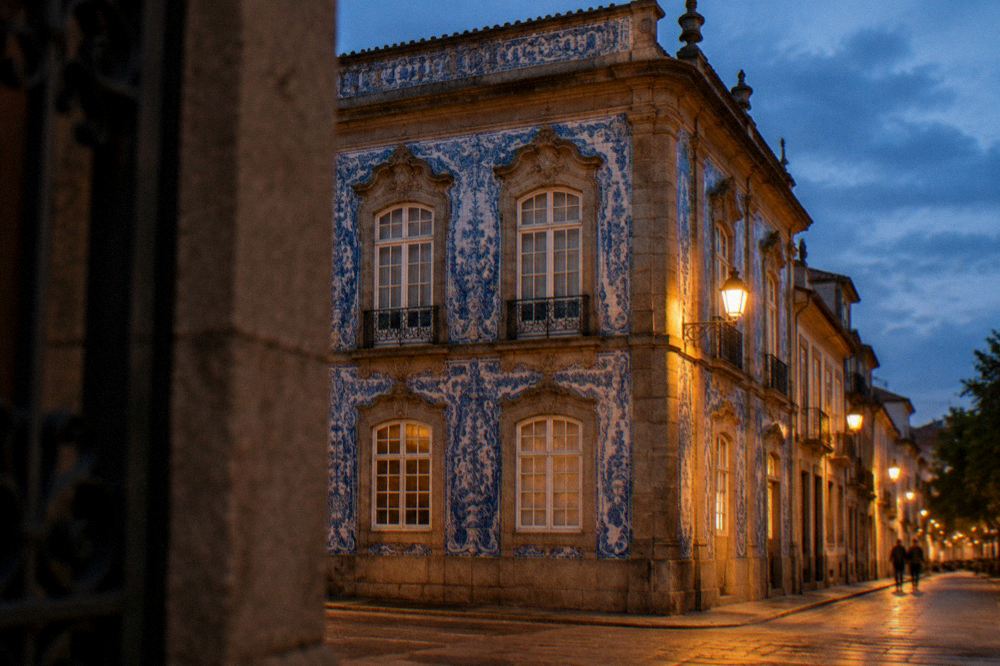
The Palácio do Raio will not take more than a pause out of your day, but that pause is one of the moments that makes Braga feel different from Portugal's coastal cities: a private palace, dressed like a church, standing on an ordinary street a few minutes from the cathedral, with the whole baroque city folded around it.