Vila Do Conde And Póvoa De Varzim From Braga
Two Atlantic towns sit at the end of a short bus ride from Braga, Portugal: Vila do Conde, a quiet riverside shipbuilding town with a monumental aqueduct, and Póvoa de Varzim, a former fishing port turned beach resort. This guide covers how to reach both in one day.
Short answer
AITC bus lines 106 and 107 run from Braga bus station to Póvoa de Varzim, and line 107 also serves Esposende on the coast. Vila do Conde sits at the mouth of the River Ave, next to Póvoa de Varzim, and the two town centres are close enough to combine in a single day trip from Braga.
Two Atlantic towns sit at the end of a short bus ride from Braga, the city in the Minho region of northern Portugal. Vila do Conde and Póvoa de Varzim face each other across the mouth of the River Ave: one a quiet shipbuilding town famous for bobbin lace and a towering granite aqueduct, the other a former fishing port that grew into a beach resort without losing its seaside quarter. For visitors based in Braga they are the closest stretch of ocean coastline, an easy change of scene from the baroque churches of the historic centre, and a day that costs very little to run. This guide from Braga Travel Guide covers how to get there, what to see in each town, and how to fit both into one day.
What Are Vila Do Conde And Póvoa De Varzim?
Vila do Conde is a small city at the mouth of the River Ave, known for its granite Santa Clara aqueduct, its bobbin lace tradition and its long shipbuilding history, while Póvoa de Varzim is the beach resort next door, a former fishing town whose seafront promenade, casino and fish restaurants draw summer crowds from across the Minho. The two centres lie beside each other on the Atlantic coast south of the Lima river mouth, and together they form the closest sandy coastline to Braga.
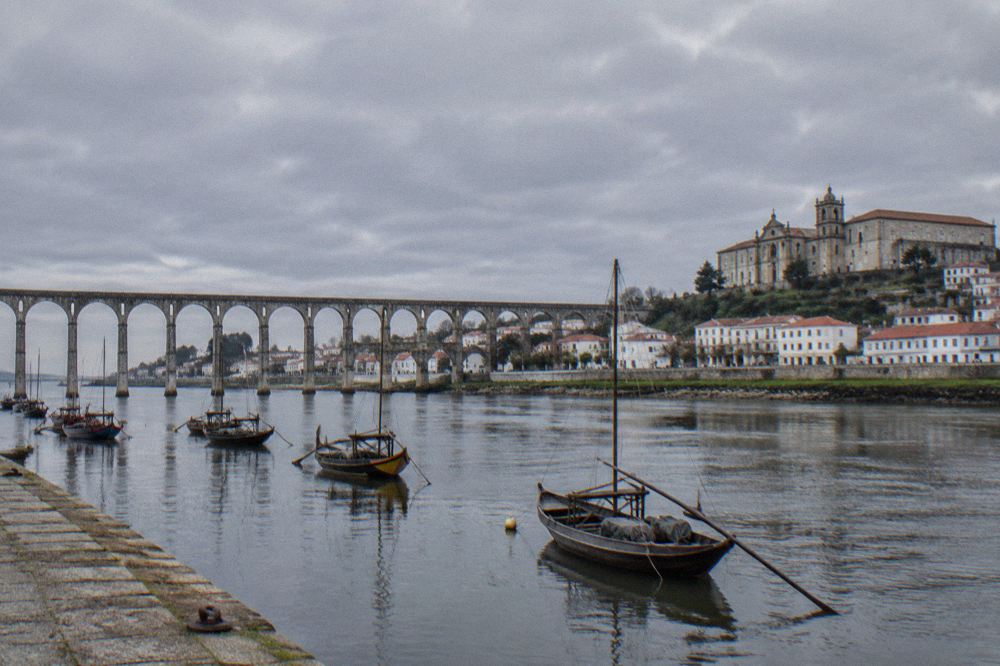
Vila do Conde's identity is written in stone and thread. The Convento de Santa Clara, perched above the river, gave the town its most visible landmark: the aqueduct that once carried water across the Ave valley, its arches marching through the town in a single unbroken line. The town's lace-making tradition, rendas de bilros, still has a museum and a living workshop presence, and the shipyard by the river recalls the centuries when Vila do Conde built the wooden vessels that left for Brazil and the cod grounds of the North Atlantic.
Póvoa de Varzim began as a fishing settlement and kept its maritime core even as the bathing crowds arrived. The old quarter near the waterfront still has narrow streets and the siglas poveiras, the family marks once carved into boats and doorposts, and the modern seafront stretches along a broad sandy bay. The town's casino, one of the oldest gambling houses in the country, anchored the resort era, and the fishing fleet still lands catch at the harbour a short walk from the beach. For a visitor coming from inland Braga, the appeal is simple: salt air, open horizon and seafood.
How Do You Get From Braga To Vila Do Conde And Póvoa De Varzim?
You take a regional bus from Braga bus station: AITC line 106 runs from Braga to Póvoa de Varzim, and line 107 runs from Braga to Póvoa de Varzim via Esposende, the coastal route that also serves the beaches of Apúlia and Esposende on the way. There is no direct train from Braga to either town, so the bus is the only public-transport option, and tickets are bought at the bus station or on board.
If you would rather set your own schedule for the coast, book a rental car here.
The lines are operated by the Autoridade Intermunicipal de Transportes do Cávado, the same intermunicipal network that runs line 101 to Guimarães and line 105 to Ponte de Lima. Line 106 is the direct service to Póvoa de Varzim, while line 107 takes the coastal road through Esposende, which makes it the better choice if you want to see the coast on the way out and return on the faster line. The schedules are published as per-line PDFs on the operator's site, and the timetables have been re-issued several times through 2026, so check the current times for your travel date before you set out.
| AITC line | Route from Braga | Coastal stops served |
|---|---|---|
| 106 | Braga to Póvoa de Varzim | Direct service, Póvoa de Varzim terminus |
| 107 | Braga to Esposende and Póvoa de Varzim | Apúlia, Esposende, then Póvoa de Varzim |
| 109 | Braga to Famalicão | Inland route, no coastal stops |
Fares and journey times for these regional routes are not published in a form this site can verify, so the honest answer is to budget a morning for the ride and buy your ticket at the Braga bus station, the Centro Coordenador de Transportes on Avenida General Norton de Matos, the same building where the airport coaches stop. If you are planning a wider Minho circuit rather than a single coastal day, the Braga and Guimarães small historical group tour route is well covered by a guided option: handles the two inland cities in one day with lunch and a guide, leaving the coast free for a separate trip on your own.
Once you arrive, both towns are walkable. The Póvoa de Varzim bus terminus sits within easy reach of the seafront, and Vila do Conde's centre, river mouth and aqueduct are compact enough to cover on foot. Between the two towns the distance is short enough that many visitors walk it along the seafront, and local urban buses also connect the two.
What Should You See In Vila Do Conde?
The three things to see in Vila do Conde are the Santa Clara aqueduct, the Convento de Santa Clara and the riverside around the mouth of the Ave, with the lace-making museum, the Museu de Rendas de Bilros, as the town's cultural stop and the shipyard as the industrial landmark. The aqueduct's arches cross the town centre, so you will see the first of them within minutes of arriving.
Start at the aqueduct. Its arches run from the convent down towards the river, and the scale is the surprise: this is one of the largest hydraulic structures of its kind in the country, built to carry water to the convent across the Ave valley. Walk its line through the streets and you end at the Convento de Santa Clara itself, which overlooks the river and gives the best view over the town's rooftops towards the ocean.
The lace museum explains the craft that made Vila do Conde known far beyond the Minho: bobbin lace worked on pillows with dozens of small bobbins, a technique still demonstrated by local makers. Down by the river, the mouth of the Ave is where the town's maritime history concentrates, with the old shipyard area and the small beach at the estuary. The town's weekly market and the riverside cafés fill out an afternoon easily.
For visitors who prefer a guided structure to a self-directed day, a tuk tuk city tour of Braga is a different kind of option: covers Braga's own sights in under an hour, which pairs well with a coast day if you want one organised activity and one independent one. The coast itself, though, is best explored on foot at your own pace.
What Should You See In Póvoa De Varzim?
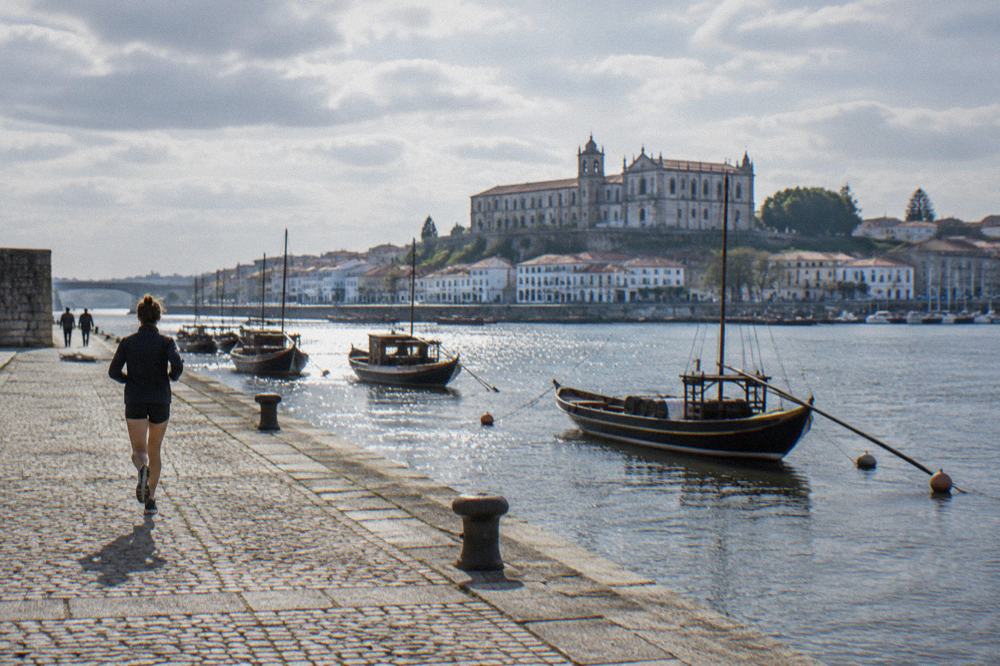
Póvoa de Varzim's sights are the seafront promenade and beach, the old fishing quarter around the harbour with its siglas poveiras family marks, and the casino building on the seafront avenue, with the Fortaleza watchtower at the north end of the bay as the historical stop. The whole circuit is flat, seaside walking, and the fish restaurants near the harbour are the reason many visitors come.
The beach is the headline. A broad, sandy bay runs the length of the town, backed by the promenade, and in summer it fills with bathers from Braga and Porto alike. At the harbour end, the fishing quarter retains its low houses and narrow lanes, and if you look at the walls and boats you can spot the siglas poveiras, geometric family marks that were used to claim gear, boats and houses in the days before widespread literacy. The Fortaleza, a small coastal fort at the tip, guards the north end of the bay and marks where the rocky shore begins.
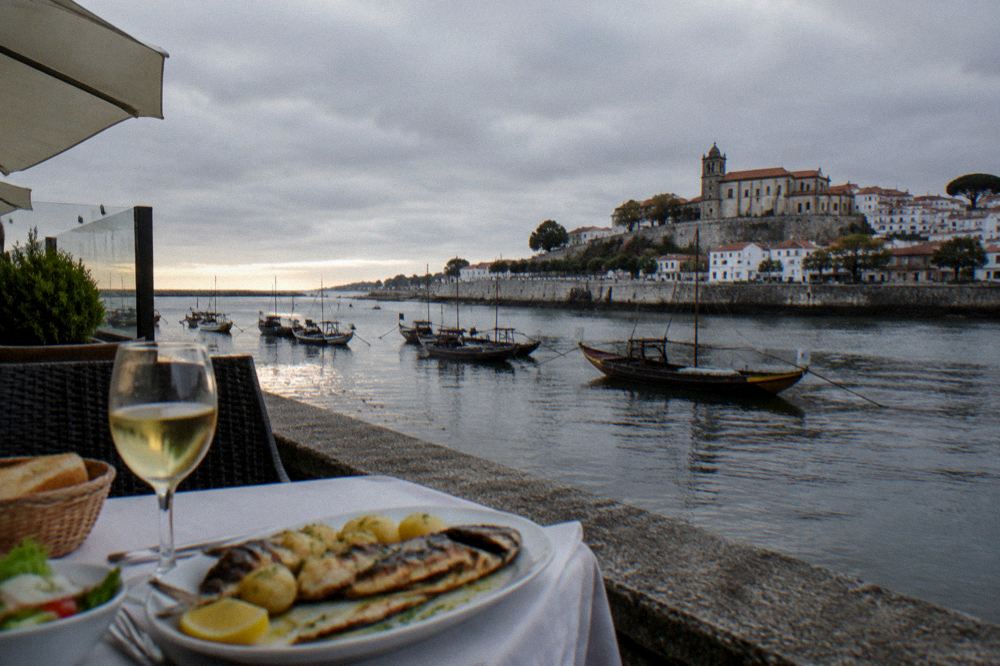
The casino sits on the seafront avenue and dates from the resort era, when Póvoa de Varzim became a bathing destination for the northern bourgeoisie. Even if gambling does not appeal, the building and its surrounding gardens are part of the town's identity. The practical pleasure of Póvoa de Varzim is simpler than any single sight: a long walk along the front, a plate of grilled fish near the harbour, and the Atlantic in front of you.
Can You Combine Both Towns In One Day From Braga?
Yes, and combining them is the best plan: take a morning bus to one town, walk to the other along the seafront between them, and take an afternoon or evening bus back to Braga, giving each town roughly half a day. Vila do Conde rewards the morning, when the aqueduct and convent streets are quiet, and Póvoa de Varzim is better in the afternoon and early evening, when the promenade and restaurants come alive.
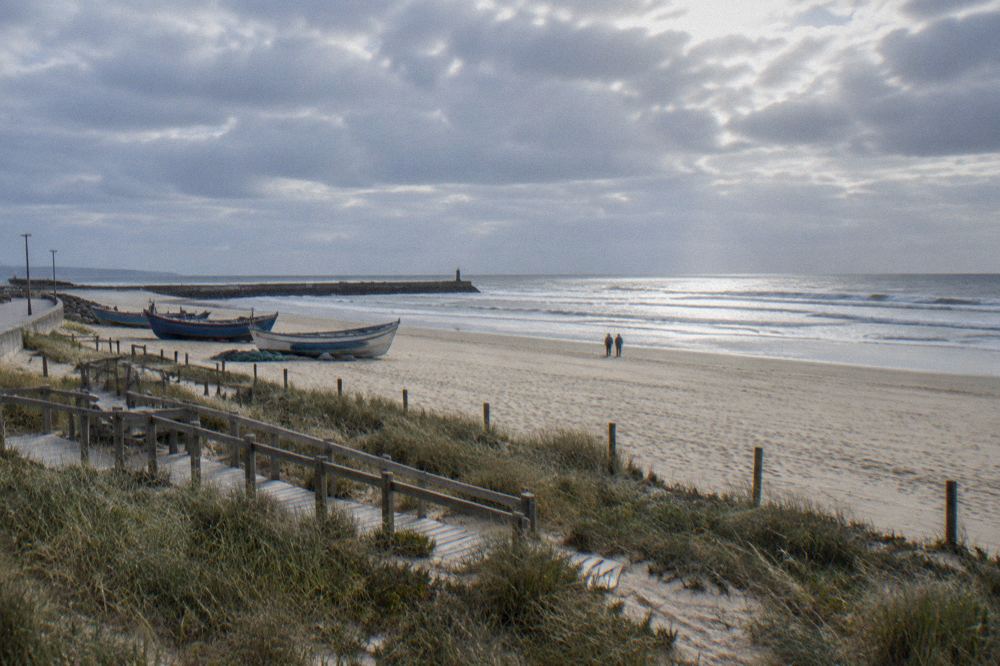
A sensible order is Vila do Conde first. Arrive mid-morning, walk the aqueduct line from the convent down to the river, visit the lace museum, and have lunch by the Ave. Then follow the coast path or the seafront road towards Póvoa de Varzim, which takes you along the dunes between the two towns, and spend the afternoon on the beach, the harbour quarter and the promenade. Eat grilled fish near the harbour, and catch a line 106 or 107 bus back to Braga from the terminus. The wider set of guides lives on Braga Travel Guide.
| Time of day | Where | What to do |
|---|---|---|
| Morning | Vila do Conde | Aqueduct walk, Convento de Santa Clara, lace museum |
| Lunch | Vila do Conde riverside | Cafés and restaurants near the mouth of the Ave |
| Early afternoon | Coast between the towns | Seafront walk north towards Póvoa de Varzim |
| Late afternoon | Póvoa de Varzim | Beach, harbour quarter, Fortaleza |
| Evening | Póvoa de Varzim seafront | Fish dinner, then bus back to Braga |
Check the last departure time back to Braga before you sit down for dinner, because regional services thin out in the evening, and the operator's per-line timetables are the only reliable source for the day you travel. If you would rather not manage bus times at all, the guided alternative is to keep the coast independent and take an organised inland day instead: the Camino routes from Braga and the coastal pilgrimage paths cross this same shoreline further north.
When Is The Best Time Of Year For This Day Trip?
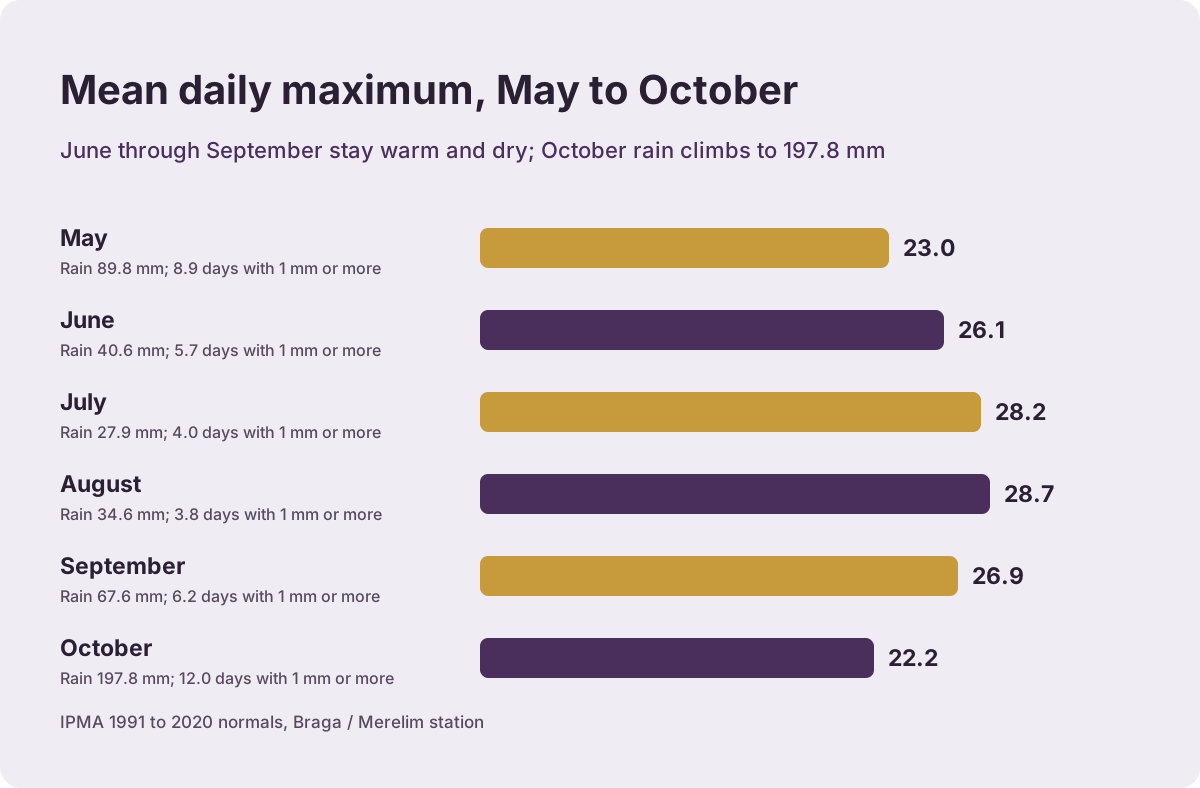
The best months for the Vila do Conde and Póvoa de Varzim coast are June through September, when the Braga area averages mean daily maxima of 26.1 to 28.7 degrees and rain days fall to between 3.8 and 6.2 a month, while October is the wettest month of the year on average and November is almost as wet, so the autumn and winter are for wrapped-up walks rather than beach days.
Winter days stay mild but wet, with 13.1 rain days a month in January.
The climate figures for the region come from IPMA's 1991 to 2020 normals for the Braga / Merelim station, which is the closest long-term series to this coast. The pattern is classic Minho: a warm, dry summer and a wet Atlantic winter, with October the wettest month of the year on average and July the driest. The coast itself is usually a degree or two cooler than inland Braga in summer, and the sea breeze is part of the reason to go.
| Month | Mean daily max (C) | Mean daily min (C) | Rain (mm) | Days with 1 mm or more |
|---|---|---|---|---|
| May | 23.0 | 10.4 | 89.8 | 8.9 |
| June | 26.1 | 13.2 | 40.6 | 5.7 |
| July | 28.2 | 14.3 | 27.9 | 4.0 |
| August | 28.7 | 14.0 | 34.6 | 3.8 |
| September | 26.9 | 12.4 | 67.6 | 6.2 |
| October | 22.2 | 10.1 | 197.8 | 12.0 |
September is a strong pick if you want warm sea and thinner crowds: mean daily maxima of 26.9 C, only 6.2 rain days on average, and the summer season still running in Póvoa de Varzim. October turns sharply, with the wettest monthly average of the whole year on the inland side of the region, so pack a rain layer if you travel then. For more on the seasons around Braga, see the wider day-trip options from Braga.
What Else Can You Visit On The Way Back To Braga?
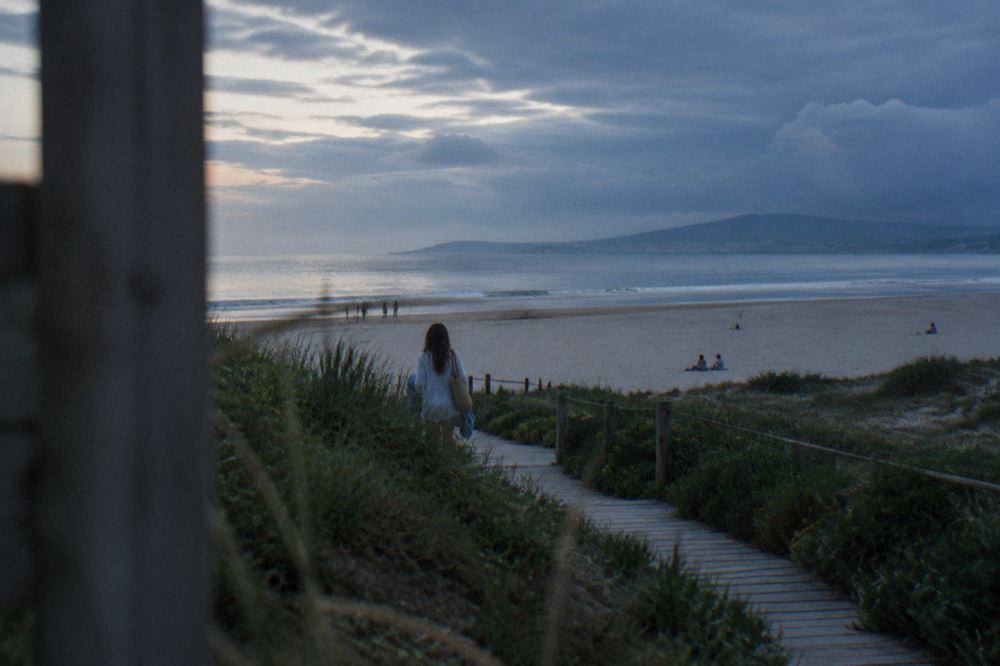
The coastal line 107 route back from Póvoa de Varzim passes through Esposende, a small river-mouth resort town with a long sandy beach and dune reserve, and from Esposende the same line continues inland to Braga, so you can break the return journey there. Inland alternatives for another day include the Castro-era hill fort of Citânia de Briteiros, the castle at Póvoa de Lanhoso, and the market town of Barcelos.
Esposende is the natural stop on the way home. The town sits where the Cávado river meets the Atlantic, with a protected dune system along its beach and a small, pleasant seafront of its own. If you took line 106 out in the morning, returning on line 107 gives you the coast in reverse: Apúlia's former seaweed-harvesting beaches, then Esposende, then the green Cávado valley inland towards Braga.
For a different kind of Minho day altogether, the region's big-hitter excursions are inland. The Citânia de Briteiros hill fort, one of the best-preserved Iron Age settlements in the Iberian northwest, charges about 5 EUR for adults, 2.50 EUR reduced, admission that includes the Museu da Cultura Castreja, and is open daily 09:30 to 12:30 and 14:00 to 18:00 from late March to the end of October. The castle at Póvoa de Lanhoso and the Thursday market town of Barcelos are other inland options, and if you want the mountains instead of the sea, the Gerês massif offers organised adventure: is one of the highest-rated outdoor products listed on this site, a three-hour canyoning descent with a 4.9 rating from 168 reviews.
| Inland alternative | What it is | Verified admission |
|---|---|---|
| Citânia de Briteiros | Iron Age hill fort and museum | About 5 EUR, 2.50 EUR reduced |
| Póvoa de Lanhoso castle | Hilltop medieval castle near Braga | Not verified, check locally |
| Barcelos | Market town on the Cávado | Free to visit |
| Esposende | River-mouth resort on line 107 | Free to visit |
The Minho rewards mixing coast and inland: one day of aqueducts and sea air, another of hill forts and mountain valleys. The Ponte de Lima valley and the Peneda-Gerês National Park complete the set for a longer stay.
How Much Should You Budget For The Day?
Budget a modest day: the regional bus fare is not published in a verifiable form, so allow a few euros each way per person, both towns are free to walk around, and the main costs are lunch and dinner, with grilled fish restaurants near Póvoa de Varzim harbour charging mid-range resort prices. There is no city card or combined attraction pass covering these towns, so each small museum ticket is bought separately at the door.
This site publishes only figures it can verify, and regional AITC fares are not among them, so the honest planning range is a handful of euros per person for the round trip, bought at the Braga bus station. The towns themselves cost nothing to enjoy: the aqueduct, the seafront, the harbour quarter and the beach are all public space. The lace museum and any small exhibitions in Vila do Conde have their own door prices, and no combined pass exists for them.
| Cost item | Planning range | Notes |
|---|---|---|
| Braga to coast bus | A few euros each way | AITC lines 106 and 107, buy at the station |
| Lunch in Vila do Conde | Mid-range restaurant prices | Riverside cafés near the Ave |
| Fish dinner in Póvoa | Mid-range resort prices | Harbour restaurants |
| Museums and small sights | A few euros each | No combined pass, buy separately |
| TUB tourist ticket in Braga | 3.35 EUR for 1 day | Useful if you also ride city buses |
One verified figure worth knowing back in Braga: the TUB tourist ticket, valid on the whole urban network, costs 3.35 EUR for one day, 6.05 EUR for two days and 8.05 EUR for three days per person, which covers the bus out to the bus station and any city riding around your coast day. Braga also levies a municipal tourist tax of 1.55 EUR per person per night for up to four nights, whatever your booking channel, so factor that into your accommodation budget rather than your day-trip budget.
Common Questions About Vila Do Conde And Póvoa De Varzim
Is there a train from Braga to Vila do Conde?
No. There is no direct rail line from Braga to Vila do Conde or Póvoa de Varzim. The only public transport is the regional AITC bus network, lines 106 and 107, from Braga bus station.
Which bus goes from Braga to Póvoa de Varzim?
AITC line 106 runs direct from Braga to Póvoa de Varzim, and line 107 runs from Braga to Póvoa de Varzim via Esposende along the coast. Timetables are published per line by the operator and have been re-issued several times through 2026, so check the current times before travelling.
Can you walk from Vila do Conde to Póvoa de Varzim?
Yes. The two towns adjoin each other at the mouth of the River Ave, and the seafront between them is a short, flat walk along the dunes and promenade, which is how most visitors combine both in one day.
What is Vila do Conde famous for?
Vila do Conde is famous for the Santa Clara aqueduct, one of the largest hydraulic structures of its kind in the country, and for its bobbin lace tradition, rendas de bilros, which still has a museum in the town. It also has a long shipbuilding history on the River Ave.
Is Póvoa de Varzim worth visiting in winter?
The town stays open year-round and the seafront walk is pleasant in mild weather, but IPMA's 1991 to 2020 normals for the Braga / Merelim station show December and January averaging 13.3 and 13.1 rain days a month respectively, so a winter visit needs a rain layer and indoor backup plans.
Do you need a car for this day trip?
No. Both towns are walkable and the buses reach them directly from Braga bus station. A car adds flexibility to stop at Esposende or the beaches of Apúlia on line 107's coastal road, but it is not necessary for the two towns themselves.
Vila do Conde and Póvoa de Varzim give Braga-based visitors the one thing the inland city cannot: the Atlantic, reached in a single bus ride, with an aqueduct, a lace museum, a fishing harbour and a long sandy bay all inside one easy day.