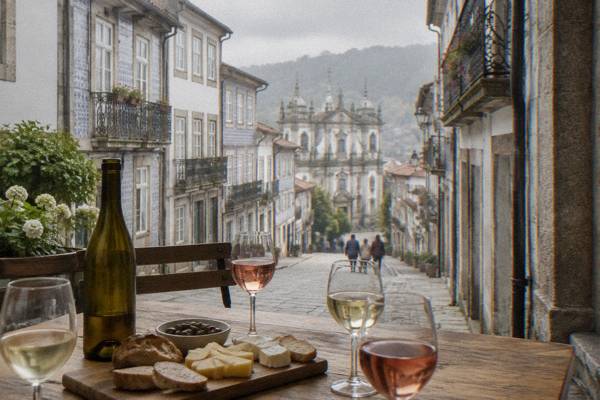
Is Vinho Verde A Sweet Or Dry Wine?
Vinho Verde, the light wine of the Minho region around Braga, is made dry in most cases. This guide explains the styles, the slight spritz and how to order it in Braga.
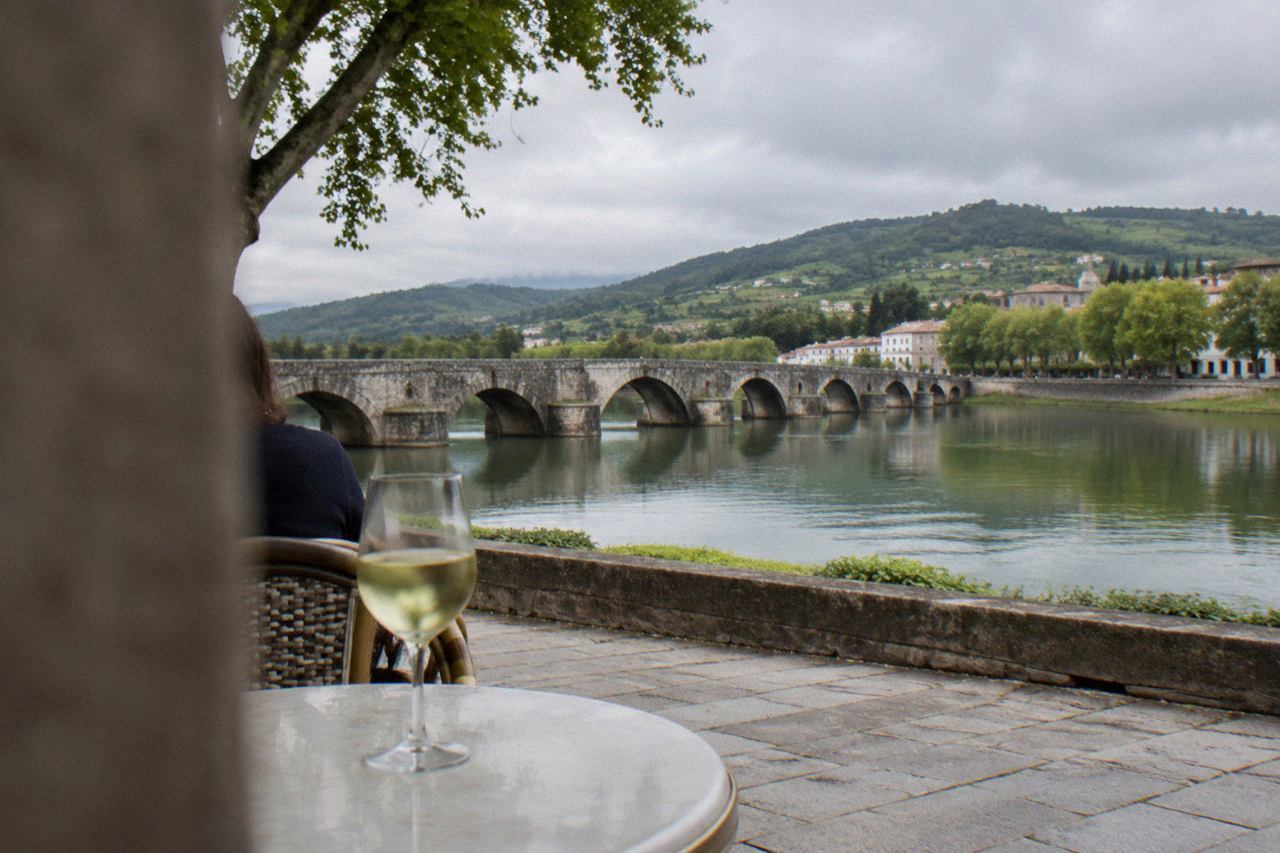
Vinho Verde is dry in most of its forms, and the question matters more in Braga than almost anywhere else, because Braga sits in the Minho region of northern Portugal, the part of the country that gives this wine its name and much of its character. The confusion comes from the word "verde", which sounds as if it promises something green, unripe or sugary. It does not. The name refers to the wine's youth, the fact that it is bottled and sold soon after harvest rather than aged for years, and the fresh, lightly sparkling style that follows from that.
Is Vinho Verde A Sweet Or Dry Wine?
Vinho Verde is a dry wine in most cases, though the range includes off-dry and, less commonly, sweet examples, and the name itself has nothing to do with sugar. "Verde" means young: the wine is meant to be drunk within a year or so of the harvest, while it still tastes fresh. Most bottles you will meet in Braga, white, rosé or red, finish dry, with a light body, brisk acidity and often a faint natural spritz.
The dry character is the style's whole point. The grapes of the Minho rarely ripen to the sugar levels of southern Portugal, and the winemaking tradition here leans on that: pick early, ferment fully, bottle young, drink cold. What reads as sweetness on the first sip is usually fruit impression, the citric and orchard notes of varieties such as Alvarinho and Loureiro, sitting on top of a wine that is technically dry.
There are exceptions, and honest labelling makes them easy to spot. Some producers make off-dry or medium-sweet whites aimed at drinkers who prefer a softer edge, and a small number of bottles, often labelled as sweet or "doce", sit firmly in dessert territory. But these are deliberate choices, clearly marked. The default bottle of vinho verde, the one poured by the glass in cafés and restaurants across Braga, is dry.
Why Does The Minho Region Around Braga Make Wine This Way?
The Minho, the green, rainy corner of northern Portugal where Braga lies, is the wettest wine region in the country, and that climate shapes the wine more than any winemaker's preference does. Cloud, rain and mild temperatures keep grapes low in sugar and high in acidity, which produces exactly the light, fresh, dry style that vinho verde is. The wine is a response to where it grows.
IPMA's 1991 to 2020 climate normals for the Braga / Merelim station make the point in numbers. October averages 197.8 mm of rain and July 27.9 mm, and rain days of one millimetre or more run twelve to thirteen a month from October through January. The annual total is 1387.3 mm. A region that green, with that much water in the ground, grows grapes that stay lean and sharp, and the local answer to those grapes is a wine drunk young rather than a wine built to age.
| Month | Mean temperature C | Rain mm | Days with 1 mm or more |
|---|---|---|---|
| January | 8.6 | 179.5 | 13.1 |
| April | 13.7 | 127.9 | 12.0 |
| July | 21.2 | 27.9 | 4.0 |
| October | 16.1 | 197.8 | 12.0 |
The figures come from the Braga station itself, not a regional average, so they describe the conditions in and around the city where most visitors first taste the wine. This is also why the question of sweetness keeps coming up: a wine this light and this high in acidity does not behave like the richer whites many travellers know, and unfamiliarity gets mistaken for sweetness. The Braga Travel Guide page on the region's wine goes deeper into the styles and where they fit a visit.
If you want to taste the region properly rather than guess from a shop shelf, a guided tasting with someone who knows the local varieties is the fastest route. The Braga Experience guided tour with tastings pairs a walk through the historic centre with regional flavours, and you can Check availability for your dates.
To taste the local varieties in person, book a wine estate visit and tasting here.
How Do You Tell A Dry Bottle From A Sweeter One In Braga?
Read the label for the words "seco", "meio seco" or "doce", which mean dry, medium-dry and sweet, and look at the grape name for a second clue: Alvarinho and Loureiro bottles are almost always dry, while some blended whites lean softer. Price is a weak signal, colour is none at all, and the spritz tells you nothing about sugar either.
Portuguese labels state the sweetness class, and the terms are consistent across producers. A white labelled "Vinho Verde" with no qualifier is dry by default. The grape varieties carry their own expectations: Alvarinho, associated with the Monção area to the north, tends toward fuller, drier whites with structure; Loureiro, common through the Lima valley, is more aromatic but still dry; Arinto and Avesso fill out the blend palette with citrus and mineral edges.
| Label term | What it means | Typical style in the glass |
|---|---|---|
| Seco | Dry | The default vinho verde: light, crisp, no perceptible sugar |
| Meio seco | Medium-dry | Softer edge, a touch of roundness on the finish |
| Doce | Sweet | Rare, a dessert-style pour, clearly marked |
One practical note for anyone ordering in Braga: the red vinho verde exists and is also dry, but it is an acquired taste, deep garnet, low in alcohol by modern standards and sometimes served lightly chilled. Most visitors stick to white or rosé, and no one will think less of you for it. If you are curious why the wine is so affordable compared with other European whites, the answer on vinho verde's price covers the economics of the region, and the comparison with Sauvignon Blanc explains how it measures against a grape most drinkers already know.
Should You Expect The Spritz, And Does It Change The Taste?
The slight sparkle in vinho verde is a feature of the style, not a sweetness marker, and it comes from a small amount of carbon dioxide retained or added at bottling. It lifts the aromatics, sharpens the freshness and makes the wine feel even drier on the palate than the chemistry alone would suggest. A flat vinho verde and a fizzy one can carry identical sugar levels.
The spritz is gentle by design, a prickle rather than a foam, closer to still wine than to anything sparkling. Historically it came from a light secondary fermentation in the bottle as the young wine continued its quiet work; today producers manage it to a consistent level, because the tingle has become part of what drinkers expect from the name. Serve it too warm and the sparkle flattens along with the charm, so a cold bottle is the one non-negotiable.
Sweetness perception works against the sparkle. Carbon dioxide and acidity together suppress the impression of sugar, which is why a technically dry wine with a spritz can read as even drier, and why a wine with a few grams of residual sugar can still taste clean. If a glass in Braga tastes sweeter than you expected, the likeliest explanations are a "meio seco" bottle, a fruit-forward variety, or a warm glass, not a change in the style itself.
When And Where In Braga Should You Drink It?
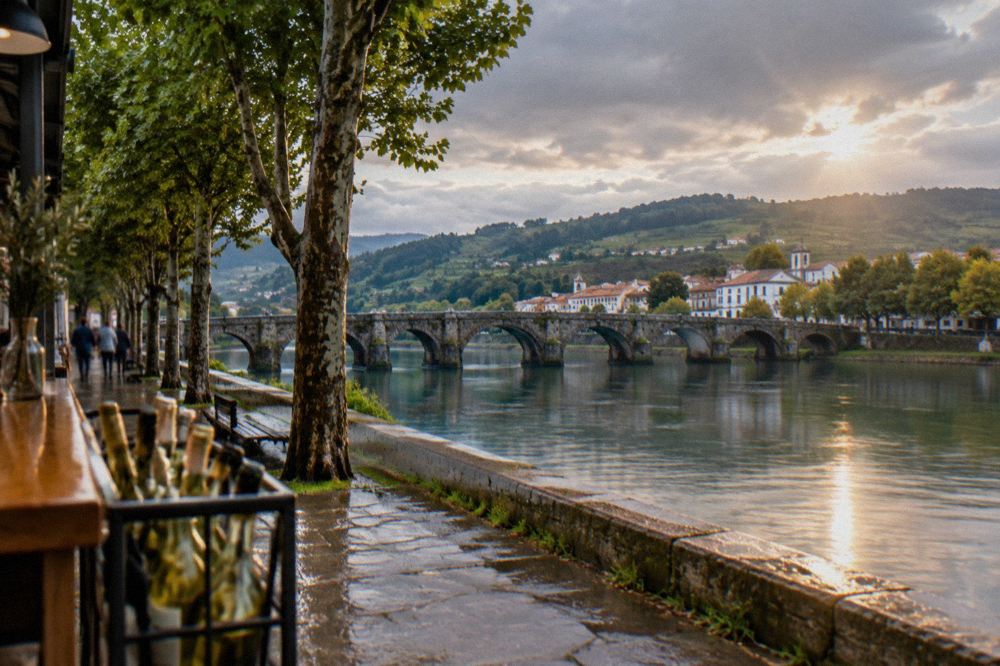
Drink vinho verde young, cold and in the season you are already in: it is a wine for the moment, not the cellar, and in Braga it suits everything from a café lunch to an evening in a garden square. The white and rosé styles are at their best within a year of the vintage, and the region's restaurants pour them by the glass as the default local choice.
Summer is the obvious window, and the climate table above explains why: July and August are the driest, warmest months in Braga, with mean maxima of 28.2 C and 28.7 C, and a cold, light, slightly prickly white is exactly what that weather calls for. But the wine travels well beyond heat. The city's café tradition, the kind that made A Brasileira a landmark, runs on light pours at any time of year, and a dry vinho verde with bacalhau a Braga, the city's signature salt cod dish, is a local pairing rather than a tourist invention.
For visitors building a day around it, the historic centre is compact enough that a tasting stop fits between the Sé de Braga and the gardens without restructuring anything. A tuk tuk circuit saves the legs between neighbourhoods and leaves the evening free for a longer table, and the small-group food tours of the centre build a full meal around the region's ingredients with a local guide doing the explaining.
The deeper question of which bottle to buy has its own answer: the guide to which vinho verde is considered the best sorts the varieties and styles by what they deliver, and the full vinho verde guide puts the wine in its regional context alongside the food of the Minho.
Common Questions About Vinho Verde
Is Vinho Verde a sweet or dry wine?
It is dry in most cases. The name refers to the wine's youth, not its sugar, and the standard white, rosé and red bottles from the Minho region finish dry, with light body, high acidity and a faint spritz. Sweeter styles exist but are labelled as such.
Does "verde" mean the wine is green or unripe?
No. The word means young. Vinho verde is bottled and sold soon after harvest and is meant to be drunk fresh, within about a year, while the fruit is still bright.
Is red vinho verde also dry?
Yes. The red style is dry, lightly sparkling and an acquired taste, with a deep colour and a light body. Most visitors prefer the white or rosé, but the red is the traditional local pour in parts of the Minho.
Is the fizziness a sign of sweetness?
No. The spritz comes from retained carbon dioxide and is independent of sugar. It actually makes the wine taste drier by lifting the aromatics and sharpening the acidity.
How do you order a dry one in Braga?
Ask for a vinho verde and you will almost certainly get a dry one. To be certain, look for "seco" on the label or the bottle list, or name the grape: Alvarinho and Loureiro bottles are reliably dry.
What should you eat with it in Braga?
The dry whites and rosés suit the region's food naturally: bacalhau a Braga, the city's salt cod dish, freshwater fish, and the lighter pork traditions of the Minho all work with a cold, acidic glass. The wine's freshness is built to cut through rather than compete.
The short version stands: vinho verde is a dry wine with a misleading name, made the way the Minho's weather wants it made, and a cold glass of it in Braga is the region explaining itself.