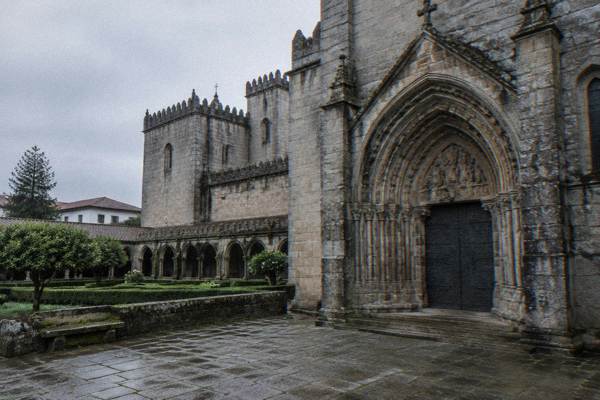
Is Guimarães, Portugal Worth Visiting?
A straight answer on whether Guimarães, the medieval city in Portugal's Minho region, deserves a visit, with how to get there from Braga, what it costs and how it compares.
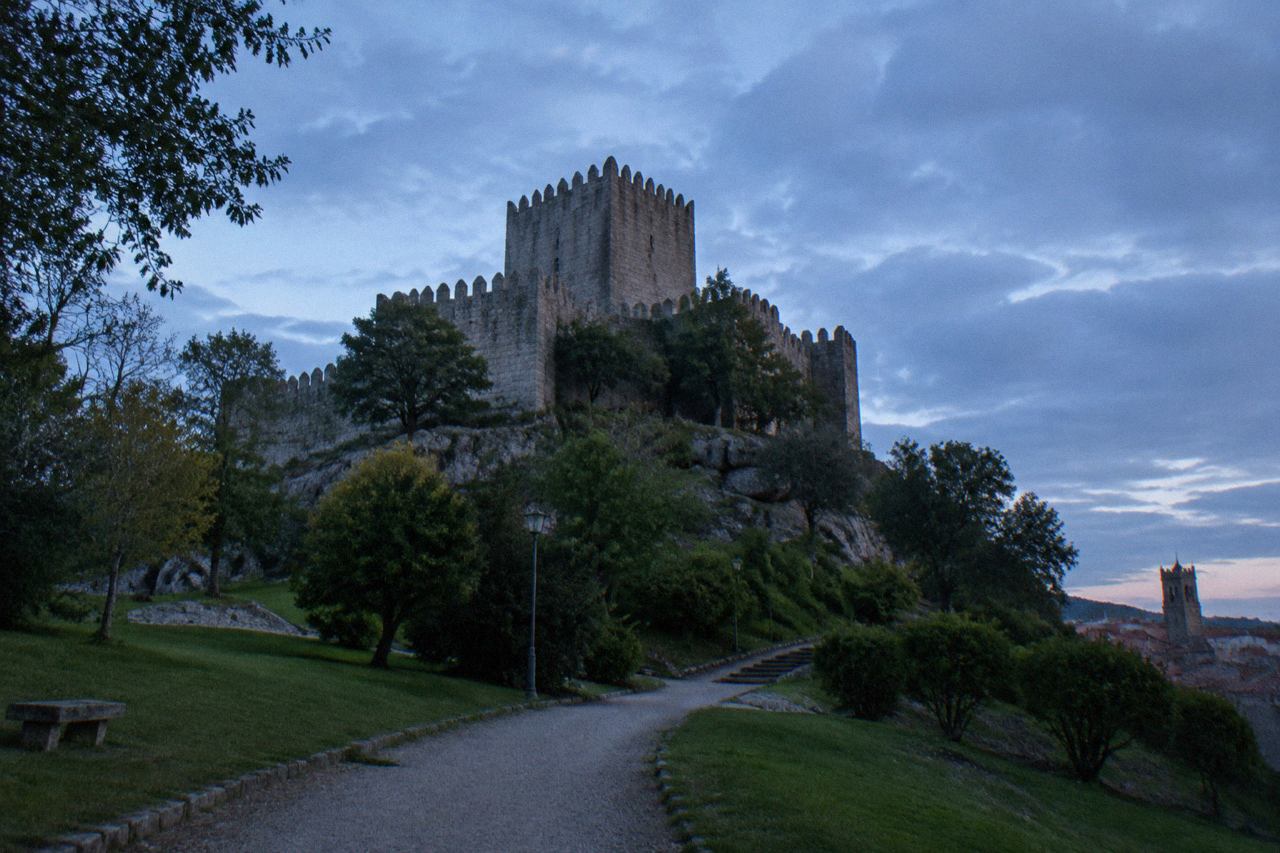
Guimarães is the medieval city in the Minho region of northern Portugal, a short hop from Braga across the same district, and the question of whether it deserves a visit has a short answer: yes, for almost every traveller. It is a compact, walkable historic centre of granite lanes, a ducal palace and a hilltop castle, small enough to see in a full day and different enough from Braga that the two cities complement rather than duplicate each other. This page sets out what Guimarães actually offers, how to reach it from Braga, what it costs and who it suits, so the decision can be made on facts rather than slogans.
Is Guimarães, Portugal Worth Visiting?
Yes, Guimarães is worth visiting for the large majority of travellers, and it is the most rewarding single day trip from Braga. The city pairs a small, largely intact medieval centre with two landmark monuments, the castle and the Paço dos Duques, and it can be walked end to end in a day. It suits history-minded visitors, couples and families better than beach seekers, and it is at its best from late spring to early autumn.
The honest qualification is that Guimarães is a half-size Braga in terms of sheer monument count. Braga spreads its weight across the Sé de Braga cathedral, the Bom Jesus do Monte sanctuary on its hill and a chain of museums; Guimarães concentrates everything into one dense core. That density is its strength. Nothing needs a bus, nothing needs a timetable, and the whole visit can run on foot and appetite. The trade-off is that a second day in Guimarães thins out quickly, while Braga holds a full weekend. Most visitors to the Minho region do best by combining them, and the Braga and Guimarães one-day itinerary exists precisely for that trip.
One more reason the answer is yes: the two cities are genuinely different in character. Braga is a working religious capital, church-heavy and baroque; Guimarães is a smaller, darker-stoned town that trades on its medieval origins and its role in the founding story of Portugal. A visitor who sees only one of them gets half the region's personality.
What Is Guimarães Known For?
Guimarães is known as the birthplace of Portugal, a nickname rooted in the medieval county of Portucale whose first ruler, Afonso Henriques, is associated with the city and its castle. Its historic centre is a dense web of granite lanes around the Largo da Oliveira square, topped by the hilltop castle and the Paço dos Duques palace. The city is also a gateway to the Minho region's food, vinho verde wine and hill country.
The "birthplace of Portugal" label is the one thing every guide repeats, and it is fair to repeat here with its caveat: it is a national story, not a museum plaque with a date, and the city leans on it heavily. What a visitor actually experiences is the physical fabric: the castle on its mound, the ducal palace below it, the São Miguel do Castelo church, and the squares of the old town where the tourism office, cafes and restaurants cluster. The centre is small enough that a first-time visitor covers it without effort, which is the practical reason the question is Guimarães a walkable city answers itself on arrival.
Around the edges of that core sit the sites that fill a longer day: the Penha hill with its cable car and parkland above the town, the São Gualter and Nossa Senhora da Consolação churches, and the Citânia de Briteiros iron-age settlement out towards Braga, which is verified at about 5 EUR admission including the Museu da Cultura Castreja, open daily in the summer season and Tuesday to Sunday in winter. The Citânia makes a natural stop on the road between the two cities.
| Sight | What it is | Time needed |
|---|---|---|
| Guimarães Castle | Hilltop medieval castle tied to the founding story of Portugal | 1 hour |
| Paço dos Duques | Ducal palace below the castle, with gardens | 1 to 1.5 hours |
| Historic centre and Largo da Oliveira | Granite lanes, squares, cafes and the old market hall | Half a day |
| Penha hill | Parkland and viewpoint above the city, reached by cable car | 2 to 3 hours |
| Citânia de Briteiros | Iron-age hill settlement between Guimarães and Braga, about 5 EUR | 1.5 hours |
For travellers basing themselves in Braga, the practical pairing works the other way too: the historic centre of Braga itself rewards a guided pass, and a relaxed way to cover its squares and churches is the Braga tuk tuk city tour, a 30-minute to two-hour ride through the centre that leaves the legs fresh for Guimarães the next day.
How Do You Get From Braga To Guimarães?
There is no direct train from Braga to Guimarães; the two cities sit on separate rail lines that meet only at Nine, so the bus is the standard link. AITC regional bus line 101 runs from Braga bus station to Guimarães central station, and the ride takes roughly an hour depending on the schedule. Both historic centres are then walkable from their respective stations, so no transfer is needed at either end.
The absence of a direct train surprises visitors who assume the Minho's two headline cities must be linked, and the full explanation sits on the train from Braga to Guimarães page. In practice the bus is simple: it leaves from Braga's Central de Camionagem, the same station that handles the airport coach and the region's other lines, and arrives at Guimarães's own central terminal a short walk from the old town. Check the AITC timetables before travelling, because frequencies thin out on weekends and in the evening, and the last return matters if dinner is part of the plan.
Driving is the other realistic option and the one most day-trippers with a rental car use. The route is a straightforward motorway run, and parking on the Guimarães side is easier than in most medieval Portuguese centres, with surface lots ringing the old town. For anyone without a car who wants both cities in one day without timetabling, guided options exist: a range of Braga and Guimarães combination tours runs from Porto, labelled "From Porto" because that is where they start, and these suit visitors sleeping in Porto rather than in Braga. Everything else covered here is indexed on Braga Travel Guide.
How Many Days Should You Spend In Guimarães?
One full day is enough for Guimarães for most visitors, covering the historic centre, the castle and the Paço dos Duques at a comfortable pace. A second day adds the Penha hill, the Citânia de Briteiros or a slower food-focused wander, but it is optional rather than essential. Travellers combining Guimarães with Braga get the best value from one day in each, not two in one and a rushed half in the other.
The one-day plan is deliberately forgiving. Morning for the castle hill while the light is good and the lanes are quiet, lunch in the old town, the afternoon for the palace and the squares, and the evening for a vinho verde at a terrace table. That is a complete visit. The mistake to avoid is trying to bolt Guimarães onto a Braga day as a two-hour dash: both centres deserve their own unhurried block, and the how many days do you need in Braga question interacts directly with this one. A common pattern is two nights in Braga with a Guimarães day in the middle.
For visitors deciding between the two cities as a base, the fuller comparison lives on the Braga or Guimarães page. The short version: Braga has the bigger monument list and the hill sanctuaries, Guimarães the tighter, more film-set old town. Neither city rewards being treated as a checkbox.
What Does A Guimarães Trip Cost?
Guimarães is inexpensive by western European standards, with the main costs being accommodation, meals and admission to the castle and palace, each a few euros. The city levies a municipal tourist tax of 1.50 EUR per person per night, charged May to October only, for a maximum of two consecutive nights, and it applies to guests aged 21 and over. Overnight visitors should expect the tax to appear on the hotel bill whatever the booking channel.
That tax is worth knowing because it differs from Braga's in three ways, and visitors crossing between the two cities sometimes get confused by the line items. The comparison table below shows the two rules side by side, both from the municipalities' own published regulations.
| Rule | Braga | Guimarães |
|---|---|---|
| Tourist tax per night | 1.55 EUR | 1.50 EUR |
| Maximum nights charged | 4 consecutive nights | 2 consecutive nights |
| Season | All year | May to October |
| Applies from age | 16 | 21 |
Day-to-day spending follows the general Minho pattern. Restaurant meals run cheaper than in Lisbon or Porto, vinho verde is among the most affordable quality wines in Europe, and the region's vinho verde culture is itself a reason the area eats and drinks so well for the money. Admission prices for Guimarães's individual monuments are set by each site and change; check the operator's notice before visiting rather than relying on a blog figure. The Citânia de Briteiros, if it makes the itinerary, is the one attraction on this route with a verified price, about 5 EUR normal and 2.50 EUR reduced, museum included.
For the Braga half of the trip, the equivalent costs are firmer: the Sé de Braga cathedral's combined ticket covering all three visit routes costs 7.00 EUR, any two routes 6.00 EUR, and a single route 3.00 EUR, while the Bom Jesus do Monte sanctuary grounds and basilica charge no admission at all. Those two figures alone explain why many travellers base in Braga and day-trip to Guimarães rather than the reverse.
Should You Visit Guimarães Or Explore More Of The Minho?
Guimarães should be the first day trip from Braga for most visitors, with the wider Minho region, including Peneda-Gerês, Ponte de Lima and Barcelos, filling days three and four. The city is the region's most complete single-day package, combining monuments, food and walkability in one place. Travellers with only one spare day should choose it over the alternatives; travellers with three or four can have both.
The wider region deserves its own mention because the Minho is more than its two famous cities. Peneda-Gerês National Park to the east is the country's only national park, with canyoning and waterfall tours that rank among the most-reviewed activities on this site, and the question is Gerês National Park worth visiting covers it in full. West and north sit the river towns and market towns, including Barcelos with its Thursday market and Ponte de Lima, Portugal's oldest chartered town by its own account. All are reachable from Braga by regional bus, on the verified line numbers listed at the bus station.
The realistic hierarchy for a Minho holiday is this: Braga as the base, Guimarães as day one, Gerês or the river towns as day two. It is a pattern that works without a car for the first two and is easier with one for the third. The full regional picture, including where Guimarães fits in a longer route, is laid out across this site's Minho pages, starting with the Guimarães destination guide.
If you would rather cover both cities in a single day, book a Braga and Guimarães day tour here. (Starts in Porto)
For anyone finishing the trip in Braga itself, a final afternoon in the historic centre is best spent with a guide who can put the baroque facades in context, and the flexible walking tours below cover exactly that ground.
Between the tuk tuk option and the two walking tours above, every budget and energy level is covered, and each leaves from the city centre, a few minutes from the Braga bus station where the Guimarães line departs. Booking a morning slot on the day before a Guimarães trip is the pattern that works best: the tour ends near the squares, lunch is on hand, and the next morning starts with the bus east. Check availability for the dates in question, since the small vehicles fill fastest in the high season months the tourist tax applies.
Common Questions About Guimarães
Is Guimarães, Portugal worth visiting?
Yes. Guimarães offers a compact medieval centre, a castle, a ducal palace and a strong food and wine scene, all walkable in a day, and it is the most rewarding day trip from Braga.
Can you do Braga and Guimarães in one day?
It is possible but rushed. The two centres are about an hour apart by bus with no direct train, so one day each is the comfortable pattern. A one-day combined itinerary exists for visitors determined to try.
How do you get from Braga to Guimarães without a car?
Take AITC regional bus line 101 from Braga bus station to Guimarães central station, a ride of roughly an hour. There is no direct train; the rail lines meet only at Nine.
Does Guimarães have a tourist tax?
Yes. Guimarães charges 1.50 EUR per person per night, from May to October only, for a maximum of two consecutive nights, and it applies to guests aged 21 and over.
Is one day enough for Guimarães?
One full day covers the historic centre, the castle and the Paço dos Duques comfortably. A second day adds Penha hill or the Citânia de Briteiros hill settlement, but it is optional.
Is Guimarães or Braga better?
Guimarães has the tighter, more atmospheric old town; Braga has the larger monument list, including the Sé cathedral and the Bom Jesus do Monte sanctuary. Most visitors to the region see both.
The short version of all of the above: Guimarães is worth the bus fare, it earns a full day rather than a rushed dash, and paired with Braga it makes the Minho the most underrated short break in northern Portugal.