How Many Days Do You Need In Braga?
How many days you need in Braga, Portugal: honest trip-length guidance for one, two, three or four days, with verified ticket prices, opening realities and what each extra day buys.
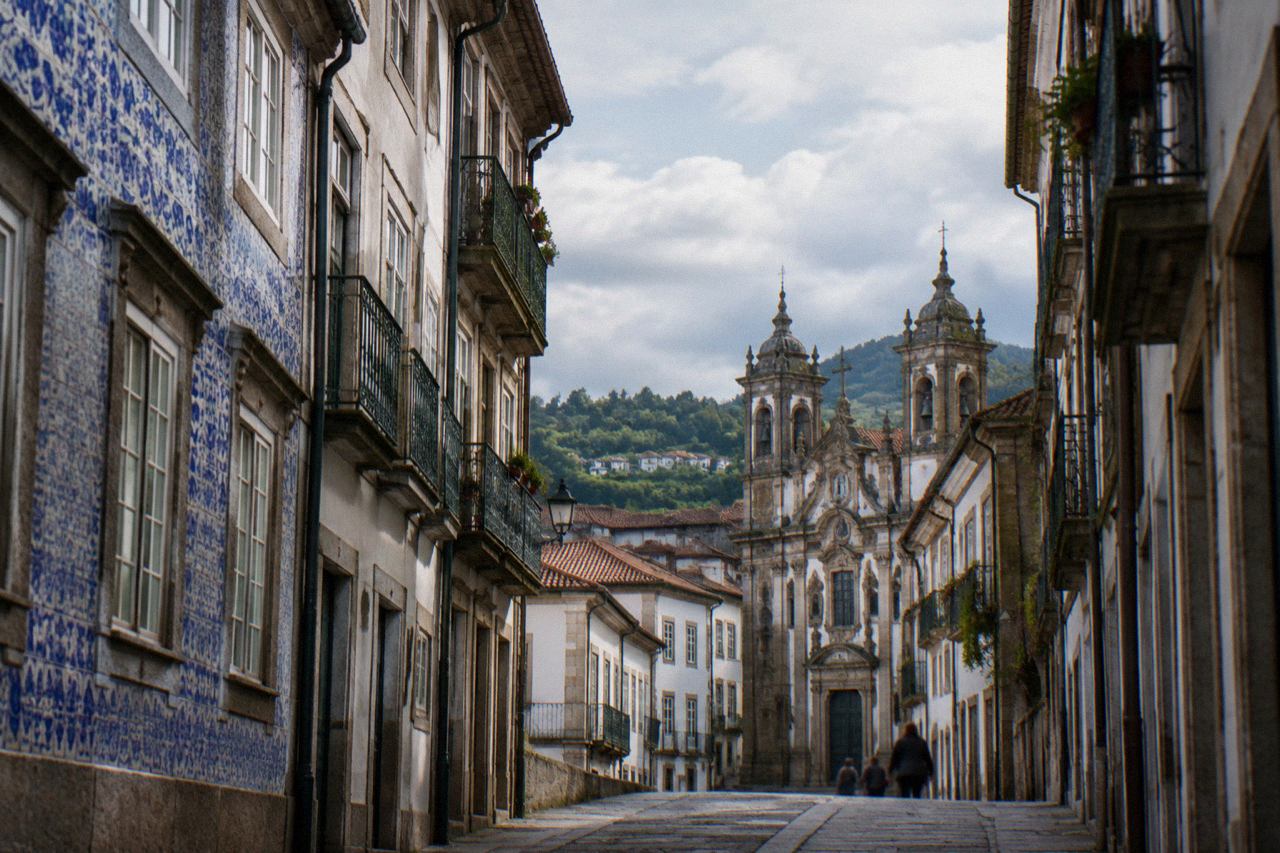
Braga, the city in Portugal's Minho region, rewards a slower pace than most visitors give it. The historic centre is compact enough to walk end to end in an afternoon, yet the city's biggest draws, Bom Jesus do Monte, Santuário do Sameiro and Mosteiro de São Martinho de Tibães, sit on the hills just outside the centre, and each eats half a day once travel time is counted. The honest answer to trip length is therefore two days as a minimum, three as the comfortable standard, and four if the Minho region is part of the plan rather than just the city.
How Many Days Do You Need In Braga?
Two full days is the minimum for Braga, Portugal, and three is the comfortable answer. One day covers the historic centre, the Sé de Braga and a rushed Bom Jesus do Monte visit; a second day adds the stairway sanctuary properly plus Sameiro or Tibães; a third day absorbs the museums and a first Minho excursion. Four days or more turns Braga into a base for Guimarães, Gerês and the coast.
The reason three days keeps coming up is geometry, not marketing. The centre is walkable, but Bom Jesus do Monte sits on a hill reached by TUB Line 2 from the centre, and the sanctuary grounds, the Escadório do Pórtico and the basilica deserve the better part of a morning on their own. Add the standing notice that the funicular has been out of service since 26 September 2026, with a replacement shuttle running between the Pórtico and the sanctuary, and the hill visit is no longer something to compress into an hour between two churches.
Budget matters too. Braga's municipal tourist tax is 1.55 EUR per person per night for up to four nights, whatever the season, and the city has no attraction pass on sale, so every ticket is bought separately. A three-day stay means three days of individual admissions, and the TUB tourist ticket, at 3.35 EUR for one day or 8.05 EUR for three days of unlimited bus travel, is the only multi-use product that exists.
How Many Days Should I Spend In Braga?
Plan two days if Braga is one stop on a northern Portugal route, and three days if the city is the destination. In two days you can see the Sé de Braga, the historic centre, Bom Jesus do Monte and one hill sanctuary without rushing. In three you add the museums, Tibães and a relaxed evening rhythm. Fewer than two days forces a choice between the centre and the hills that most visitors regret.
The first day belongs to the centre. The Sé de Braga sells three visit routes at 3.00 EUR each, or a combined ticket for all three at 7.00 EUR, and the cathedral's own ticket office page lists the building open from 08:00, with tourist visits in the windows published by Visit Braga. Around it, the Rua do Souto pedestrian spine, the Arco da Porta Nova and the Santa Bárbara Garden fill a morning without any ticket at all.
Want a local guide to introduce the centre on your first day? Book a free walking tour here. (Guided in Spanish)
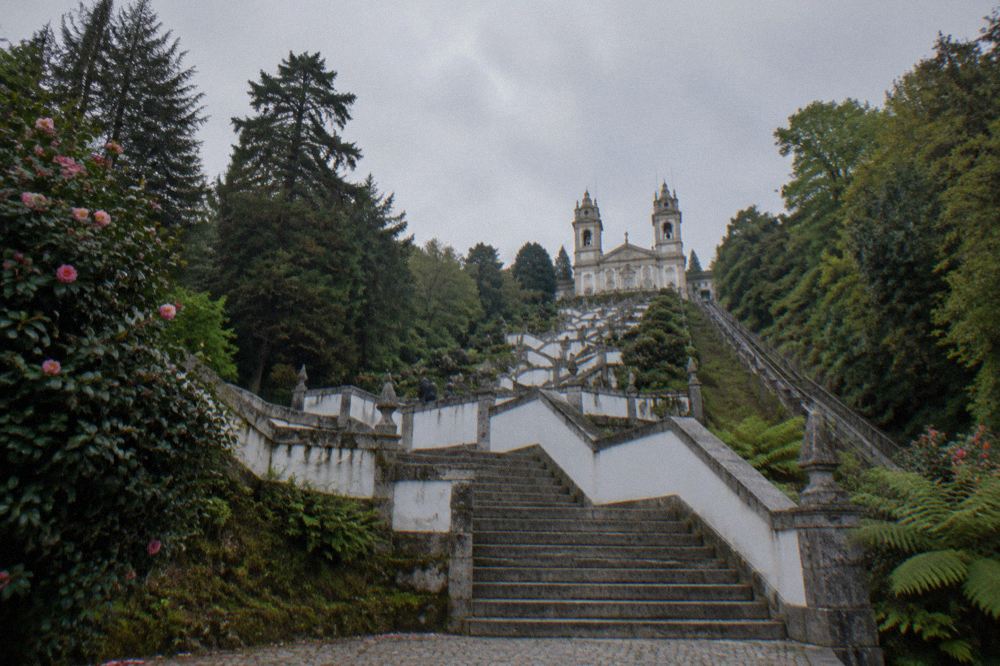
Day two is the hill day. Bom Jesus do Monte is free to enter, grounds and basilica alike; the Confraria's information page lists no admission charge, only the priced extras such as parking at 1.00 EUR and the boats on the lake at 3 EUR per person per 15 minutes. The stairway is 566 steps by the Confraria's own count, so the choice between climbing and the shuttle is a real one. A guided option such as Explore the Portuguese Rome, the City of Braga, a 1.5-hour walk rated 4.9 from 68 reviews on the operator's live listing, pairs well with a first day, and you can Check availability alongside it.
A two-day plan is genuinely enough for these two days of content. The question is whether the museums and the wider Minho matter to you, and that is what the third day decides.
How Long Does It Take To Explore Braga?
The historic centre of Braga takes one full day to explore properly, and the full city including its hill sanctuaries takes two to three days. The centre's churches, squares and pedestrian streets fit a single day of walking; Bom Jesus do Monte needs a half day with travel; Sameiro and Tibães add another half day each. Nothing in Braga requires a full day on its own, which is why short trips work.
This is where honest numbers help. The table below uses verified admission prices and opening patterns to show what each cluster of sights costs in time and money.
| Sight cluster | Time needed | Admission (verified) |
|---|---|---|
| Historic centre walk (Sé, Rua do Souto, Arco da Porta Nova) | Half to one day | Sé combined ticket 7.00 EUR; single route 3.00 EUR |
| Bom Jesus do Monte (stairway, grounds, basilica) | Half day | Free entry; parking 1.00 EUR; boats 3 EUR per person per 15 minutes |
| Santuário do Sameiro | Half day with travel | Precinct free; Zimbório dome viewpoint 2 EUR |
| Mosteiro de São Martinho de Tibães | Half day with travel | About 4 EUR general, per the municipality's page |
| Museu dos Biscainhos | 1 to 2 hours | 7.50 EUR, garden included |
| Museu de Arqueologia D. Diogo de Sousa | 1 to 2 hours | 5.00 EUR |
Two practical notes shape any plan. First, several municipal museums close on Mondays, including the Museu dos Biscainhos and the D. Diogo de Sousa museum, so a Monday arrival should be a centre-and-hills day. Second, the funicular at Bom Jesus remains out of service with no return date published; the replacement shuttle runs every day from 09:00 to 20:00, roughly every 30 minutes each way, so budget the time the stairway or shuttle actually takes rather than a five-minute ride. If you are weighing a day trip against an overnight, is Braga worth a day trip from Porto covers that trade-off directly.
What Does Each Extra Day In Braga Actually Buy?
A third day in Braga buys the museums and one hill sanctuary without rushing, and a fourth day buys the Minho region: Guimarães, the Gerês national park, or the coast. Each day beyond two adds a distinct layer rather than more of the same, because Braga's sights split cleanly into centre, hills and region. Beyond four days the city itself is fully explored and you are planning day trips, not city days.
The third day is the museum day, and Braga's museums are cheap enough that a full culture day costs less than one dinner. The Museu Pio XII and its Medieval Tower charge 4 EUR for the whole museum; the Theatro Circo runs 45-minute guided tours at 3.50 EUR on scheduled dates only, tickets at the box office first come first served; and the Museu Nogueira da Silva charges 3 EUR and takes card payment only. New openings have widened the offer: MUZEU, a five-floor contemporary art museum, opened in the historic centre in April 2026, and the Museu da Imagem reopened in early September 2026 after roughly seven years closed.
The fourth day leaves the city. Guimarães is the obvious first excursion, reachable by AITC Line 101 bus from Braga's bus station, with no direct train on that route. The Gerês national park sits partly inside the Braga district, and Peneda-Gerês hiking tours operate from the region. Whether four days is too many depends entirely on whether the region is part of the plan; for city-only travellers, three days is the ceiling before repetition sets in. If you are still deciding whether the city justifies the time at all, is Braga, Portugal worth visiting sets out the case.
Should You Stay Overnight Or Visit Braga From Porto?
Stay at least one night in Braga if you can. A day trip from Porto covers the centre and a brief Bom Jesus visit, but it spends the best evening hours on a train back, and Braga's processions, café life and illuminated churches are evening experiences. Two overnight stays turn the same trip into a relaxed two-day visit, and the city's hotel stock now includes a Michelin Key property, The Lince Braga.
The transport arithmetic is friendly either way. From Porto Airport, the Getbus coach runs direct to Braga in about 45 minutes from 9.00 EUR. So a day trip is entirely workable; the question is what it costs in evening hours. Semana Santa processions step off at 21:30, and the São João festivities peak on the night of 23 June into the municipal holiday, neither of which a same-day return captures.
Accommodation pricing carries one fixed extra: the municipal tourist tax of 1.55 EUR per person per night, up to four nights, charged by hotels and local accommodation all year. For a two-night stay that is a small, knowable line in the budget rather than a surprise at check-in. If the base-city question is the live one, is it better to stay in Porto or Braga works through it in detail.
What If You Only Have One Day In Braga?
One day in Braga works, but it forces a choice: the historic centre with the Sé de Braga, or the centre plus a compressed Bom Jesus do Monte visit. A realistic one-day plan is the cathedral in the morning, the pedestrian centre over lunch, and Bom Jesus in the late afternoon, accepting that Sameiro, Tibães and every museum are cut. Roughly 20 EUR per person in admissions covers the combined Sé ticket, Bom Jesus parking and a TUB day ticket.
The single-day budget is modest, and the TUB tourist ticket at 3.35 EUR for one day of unlimited bus travel is the efficient way to reach Bom Jesus, since TUB Line 2 ends at the Pórtico where the replacement shuttle starts. The Confraria's own page charges nothing for the sanctuary itself, so the hill visit costs time and legwork rather than money: 566 steps by the Confraria's count, or the shuttle.
What one day cannot absorb is Braga's layered pace. The city's churches are working buildings with service hours, the museum circuit closes on Mondays, and the hill sanctuaries deserve unhurried time. A compressed visit is better than none, and a well-run short visit can still take in a guided walk, but the difference between one day and two is the difference between seeing Braga and understanding it. For the fuller picture, what is Braga, Portugal famous for explains why the city rewards the extra night, and Braga Travel Guide has the complete sight-by-sight coverage.
Common Questions About How Many Days To Spend In Braga
How many days do you need in Braga, Portugal?
Two days is the minimum and three is comfortable. One day covers the historic centre and a rushed Bom Jesus do Monte; two days add the hill sanctuaries properly; three days add the museums and a first excursion into the Minho region.
How many days should I spend in Braga?
Spend two days if Braga is one stop on a northern Portugal route, and three if the city is the destination. The third day buys the museum circuit and Tibães without rushing.
How long does it take to explore Braga?
The historic centre takes one full day on foot. The full city, including Bom Jesus do Monte, Sameiro and Tibães, takes two to three days once travel to the hills is counted.
Can you do Braga as a day trip from Porto?
Yes. The urban train takes a little over an hour and the Alfa Pendular about 38 to 42 minutes. A day trip covers the centre and a brief Bom Jesus visit, but it misses the city's evening character.
Is Braga expensive for a multi-day stay?
No. Admission prices are low, several major sights including Bom Jesus do Monte and Sameiro's precinct are free to enter, and the only fixed extra is the municipal tourist tax of 1.55 EUR per person per night for up to four nights.
Is the Bom Jesus funicular running?
The funicular has been out of service since 26 September 2026, with no return date published. A replacement shuttle runs every day from 09:00 to 20:00, roughly every 30 minutes each way, between the Pórtico and the sanctuary, and the stairway of 566 steps remains open.